Breaking the Cycle of Trauma: Clinical Trial Finds THC Shows Promising Results in Treating Severe PTSD Nightmares

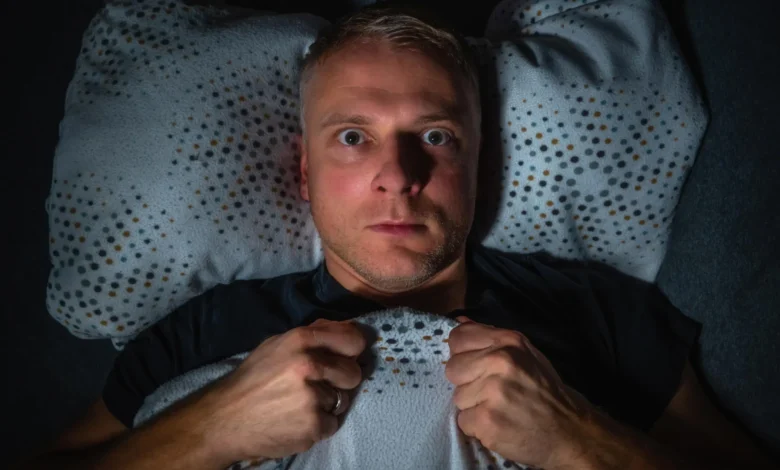
Post-traumatic stress disorder (PTSD) remains one of the most complex and treatment-resistant conditions in modern psychiatry, frequently arising in the wake of severe trauma such as military combat, natural disasters, physical violence, or catastrophic accidents. Among the myriad debilitating symptoms associated with the disorder, recurrent, hyper-vivid nightmares are often reported as the most psychologically distressing. For individuals trapped in this nocturnal loop, sleep ceases to be a restorative state and instead becomes a nightly recurrence of trauma, where victims feel as though they are reliving life-threatening events in excruciating, unbroken detail. This constant reactivation of the trauma triggers severe sleep deprivation, hypervigilance, and, in many cases, a profound phobia of going to bed altogether.
Traditional pharmacological interventions—including various classes of antidepressants and blood pressure-lowering agents originally repurposed for PTSD—frequently offer limited therapeutic relief. While these medications may assist with daytime anxiety or generalized mood stabilization, they routinely fail to mitigate the frequency or intensity of trauma-related nightmares. Furthermore, regulatory bodies in numerous countries, including Germany, have historically lacked an approved pharmaceutical specifically indicated for the management of trauma-induced nocturnal disturbances.
To address this critical therapeutic gap, a team of prominent researchers based at Charité – Universitätsmedizin Berlin, in collaboration with several esteemed German research institutions, initiated a landmark clinical trial to investigate the efficacy of a prescription medication containing tetrahydrocannabinol (THC), the primary psychoactive constituent of the cannabis plant. Published in the prestigious journal Nature Medicine, the study’s findings indicate that more than half of the trial participants responded favorably to the intervention, with over a third reporting the complete cessation of their nightmares. This breakthrough offers a glimmer of hope for millions of trauma survivors worldwide who continue to suffer in the silence of their own disrupted sleep cycles.
The Neurological Mechanisms of Trauma and the Endocannabinoid System
To fully comprehend the therapeutic potential of THC in this context, one must examine how trauma fundamentally alters neurological processing. When an individual experiences a life-threatening event, the brain’s neural circuitry can become overwhelmed, impeding its ability to properly contextualize and file away the memory. Consequently, these overwhelming sensory and emotional fragments are stored in a raw, unintegrated state, making them prone to involuntary retrieval triggered by seemingly unrelated daytime stimuli or internal nighttime processes.
During the rapid eye movement (REM) sleep phase—a critical period during which the human brain typically processes emotional experiences, consolidates memories, and regulates affective responses—patients with PTSD frequently experience severe disruptions. Instead of peaceful processing, the brain reactivates the traumatic memory loop, plunging the sleeper into acute nocturnal panic that terminates in abrupt, terrified awakenings.
Enter the human endocannabinoid system (ECS), a complex cell-signaling network that plays a foundational role in regulating a vast array of physiological and cognitive processes, including mood, appetite, pain sensation, sleep architecture, and the emotional processing of memory. The ECS achieves this largely through endogenous cannabinoids binding to specialized receptors distributed throughout the central and peripheral nervous systems.
Dr. Stefan Röpke, a leading researcher studying trauma-related disorders at the Department of Psychiatry and Neurosciences on the Benjamin Franklin Campus of Charité, explains the pharmacological rationale behind utilizing THC: "There is evidence suggesting that during REM sleep—the intense dream phases in which the brain processes experiences and regulates emotions—THC reduces dream activity and thereby alleviates nocturnal stress responses." By externally introducing THC into this biological equation, researchers hoped to modulate the overactive endocannabinoid signaling pathways responsible for the persistent emotional flooding experienced by PTSD sufferers during sleep.
Chronology and Legislative Shifts Leading to the Study
The path toward clinical investigation of cannabinoid-based therapies for psychiatric disorders has been paved by gradual, yet significant, legislative and medical shifts in Europe. For decades, the therapeutic utility of cannabis derivatives was heavily constrained by strict international narcotics controls and a relative paucity of rigorous, placebo-controlled clinical data. However, the paradigm began to shift noticeably in the mid-2010s, driven by an increasing demand for alternative pain management options and palliative care solutions when conventional pharmaceuticals proved inadequate.
A pivotal turning point occurred in Germany in 2017, when the federal government enacted the "Cannabis for medical purposes" law. This landmark legislation substantially expanded the legal framework governing the medical and scientific utilization of plant-derived and synthetically produced cannabinoids. By streamlining access for patients with severe, chronic conditions, the law inadvertently created a robust regulatory and clinical environment conducive to advanced pharmacological research into the therapeutic properties of compounds like THC.
Seizing upon this regulatory evolution, Charité – Universitätsmedizin Berlin—working alongside the Psychiatric University Clinic of the Charité at St. Hedwig Hospital, the University Medical Center Hamburg-Eppendorf, and the Central Institute for Mental Health in Mannheim, with support from the pharmaceutical company Bionorica SE—conceptualized and executed a rigorous clinical evaluation of Dronabinol. Dronabinol, a pharmaceutical-grade formulation containing pure THC administered via oral drops, was selected for its precision in dosing and its established safety profile in other therapeutic areas.
Methodology of the Clinical Trial
To establish definitive scientific proof regarding the efficacy of THC against PTSD-related nightmares, the research team designed a gold-standard clinical trial that adhered to the strictest methodological protocols recognized in modern medicine. The study enrolled more than 170 adult participants who had been formally diagnosed with post-traumatic stress disorder and who suffered from frequent, debilitating nightmares.
Over a strict ten-week observation period, the cohort was divided to receive either active Dronabinol drops or an identical, cannabis-flavored placebo administered each evening prior to sleep. To maintain the integrity of the findings, the study utilized a double-blind, placebo-controlled architecture, ensuring that neither the vulnerable patients nor the attending healthcare professionals knew who was receiving the active pharmaceutical agent and who was receiving the inactive control substance.
This rigorous design effectively neutralized the placebo effect, which is notoriously potent in psychiatric and pain-related clinical trials. By standardizing the dosage, controlling for confounding variables, and tracking nightly symptom severity through validated diagnostic instruments, the research team ensured that any observed improvements could be directly attributed to the pharmacological action of the THC-based medication.
Quantitative Findings and Patient Outcomes
Upon the conclusion of the ten-week trial period, the data revealed a statistically significant divergence in symptom relief between the two cohorts. Nightmare severity was evaluated using a standardized clinical scale ranging from zero to eight. Participants in the Dronabinol treatment group experienced an average reduction in their nightmare burden of 3.7 points, whereas the placebo group registered an average decrease of 2.2 points. While a difference of 1.5 points may appear modest on paper, for the individuals trapped in the cycle of trauma, this delta translated into a profound, life-altering improvement in their nocturnal reality.
The qualitative feedback gathered from patients further underscored the clinical significance of the intervention. More than one-third of the patients treated with Dronabinol reported that their nightmares had completely ceased by the end of the ten-week study. An additional 21 percent noted that their nightly nightmare burden had been reduced by at least half. Overall, approximately five out of six patients in the Dronabinol arm of the study expressed a subjective feeling that their general health and well-being had markedly improved.
Interestingly, the therapeutic footprint of the cannabinoid appeared to be relatively specific. The researchers noted that Dronabinol did not produce a statistically significant reduction in the overall severity of core daytime PTSD symptoms or secondary depressive manifestations. Instead, its primary mechanism of action was concentrated on interrupting the pathological sleep disturbances and nocturnal stress loops that deprive patients of restorative rest. By breaking this nighttime cycle, the treatment indirectly fortified patients, enabling them to navigate their daily lives with greater psychological resilience stemming from improved sleep hygiene.
Safety, Tolerability, and the Absence of Dependence
A primary concern among clinicians when prescribing psychoactive compounds—particularly those related to cannabis—is the potential for adverse psychological side effects, cognitive impairment, or chemical dependency. In this trial, however, the safety profile of Dronabinol proved highly encouraging.
No severe adverse events were documented throughout the ten-week duration of the study. Mild to moderate side effects were observed more frequently in the Dronabinol group compared to the placebo group, with participants occasionally reporting transient dizziness, mild headaches, and an increased appetite. Crucially, when the evening doses were abruptly discontinued at the conclusion of the trial, the researchers observed no withdrawal symptoms, psychological cravings, or physiological rebound effects, alleviating long-standing fears regarding potential dependence associated with THC administration in clinical populations.
Broader Implications and Future Research Directions
The publication of these findings in Nature Medicine marks a significant milestone in the pharmacological management of post-traumatic stress disorder. By demonstrating that targeted endocannabinoid modulation can safely and effectively neutralize trauma-related nightmares, this research opens a viable new avenue for psychiatric care that bypasses the limitations of traditional antidepressants and sedatives.
Nevertheless, the scientific community emphasizes that these findings represent an initial, albeit monumental, step rather than a universal cure. As researchers look toward the horizon, several critical questions remain to be answered. Future clinical trials will need to evaluate whether the therapeutic benefits of Dronabinol are sustained over extended periods—such as six months to a year—or if patients eventually develop a physiological tolerance to the compound that diminishes its efficacy over time. Furthermore, researchers are keen to explore whether combining cannabinoid therapy with specialized trauma-focused psychotherapies, such as Cognitive Processing Therapy (CPT) or Prolonged Exposure (PE) therapy, could yield synergistic recovery rates for comprehensive PTSD management.
For the millions of veterans, survivors of violence, and disaster victims who continue to dread the approach of night, the Charité study offers a tangible promise: the prospect of reclaiming the night, restoring the biological necessity of sleep, and finally putting haunting memories to rest.