Exploring the Efficacy and Popularity of Natural Detox Baths: A Deep Dive into Wellness Trends and Scientific Perspectives

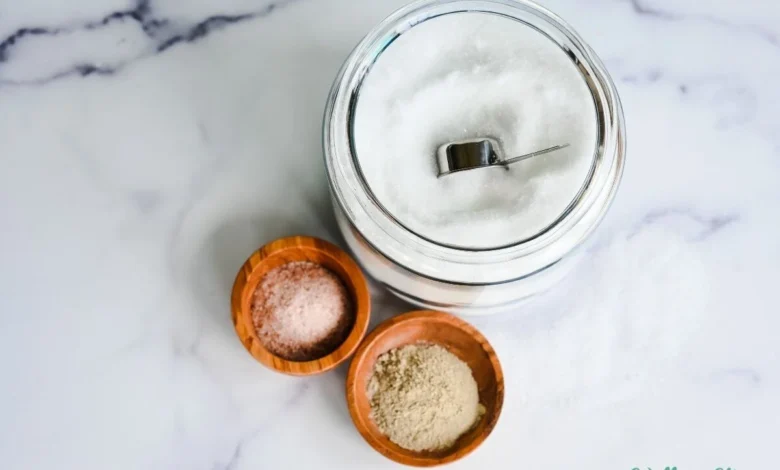
The concept of a "detox bath" has gained considerable traction within wellness communities, positioned as a simple, inexpensive, and relaxing method to support the body’s natural detoxification processes, address skin issues, and alleviate signs of "toxin overwhelm." Often involving readily available ingredients such as Epsom salts, bentonite clay, apple cider vinegar, and various essential oils, these baths are promoted as a gentle form of self-care that can be integrated into evening routines for adults and even adapted for children, provided appropriate safety measures are observed. While proponents champion their efficacy in boosting health and relaxation, a closer examination reveals a nuanced interplay between anecdotal experience, traditional practices, and contemporary scientific understanding.
The Body’s Innate Detoxification Systems: A Medical Overview
At the core of the "detox bath" discussion is the fundamental biological process of detoxification. From a medical standpoint, detoxification refers to the physiological process of removing toxic substances from the human body. This complex and highly efficient system is primarily managed by a network of specialized organs, including the liver, kidneys, lungs, digestive tract, and skin. The liver, often considered the body’s main detoxification organ, metabolizes harmful chemicals, drugs, and metabolic waste products, converting them into less toxic substances that can then be excreted. The kidneys filter blood, removing waste and excess water to produce urine. The lungs expel gaseous waste products, while the skin eliminates some toxins through sweat. The digestive system processes and eliminates indigestible materials and metabolic byproducts.
In healthy individuals, these organs work continuously and effectively to neutralize and eliminate toxins without requiring external interventions like "detox baths" or specialized diets. Medical detoxification, on the other hand, is a specific clinical process used to treat acute poisoning, drug overdose, or substance withdrawal, often requiring specialized medical supervision and interventions to manage severe symptoms and ensure patient safety. The wellness industry’s interpretation of "detox" often diverges significantly from this medical definition, typically referring to practices aimed at enhancing the body’s natural processes or "flushing out" accumulated toxins from environmental exposure or modern lifestyles.
The Evolution and Appeal of Therapeutic Bathing
The practice of therapeutic bathing is not a modern invention but rather a tradition deeply rooted in various ancient cultures worldwide. From Roman baths to Japanese onsen and Turkish hammams, immersion in water, often combined with minerals, herbs, or specific temperatures, has long been recognized for its purported health benefits, ranging from physical relaxation and muscle relief to spiritual cleansing. These historical practices laid the groundwork for contemporary wellness trends, including the modern detox bath.
The appeal of detox baths in today’s fast-paced world is multifaceted. They offer a tangible, accessible, and often inexpensive method for individuals to engage in self-care. The act of drawing a warm bath inherently promotes relaxation, reduces stress, and provides a quiet respite from daily pressures. For those experiencing skin conditions, muscle aches, or general feelings of malaise, the promise of natural remedies that can be applied in the comfort of one’s home is particularly attractive. The perception that modern life exposes individuals to an unprecedented level of environmental toxins further fuels the desire for simple, proactive measures to support health, even if the scientific evidence for systemic detoxification through bathing remains limited.
Common Ingredients and Their Proposed Benefits: A Balanced Perspective
Several natural ingredients form the basis of popular detox bath recipes, each with specific claims regarding its therapeutic properties. Understanding these ingredients requires a look at both anecdotal claims and scientific insights.
-
Epsom Salts (Magnesium Sulfate):
- Claims: Widely touted for muscle relaxation, pain relief, stress reduction, and as a primary agent for "drawing out toxins" while simultaneously replenishing the body’s magnesium levels. Magnesium is an essential mineral involved in over 300 biochemical reactions in the body, including muscle and nerve function, blood glucose control, and blood pressure regulation.
- Scientific Perspective: While topical absorption of magnesium through the skin is plausible, the extent to which it significantly impacts systemic magnesium levels or facilitates "detoxification" is a subject of ongoing debate and limited robust scientific evidence. Studies on transdermal magnesium absorption have yielded mixed results, with some suggesting potential but others finding minimal absorption. The primary benefits of Epsom salt baths are more likely attributed to the warm water itself promoting relaxation and the soothing effect on sore muscles, rather than a direct systemic "detox" action. The feeling of relaxation and muscle relief is undeniable for many users.
- Usage: Typically, 1-2 cups dissolved in warm bathwater.
-
Bentonite Clay:
- Claims: Often included in detox baths for its purported ability to absorb heavy metals, impurities, and toxins from the skin. It’s also used in face masks and internal detox protocols.
- Scientific Perspective: Bentonite clay, a volcanic ash derivative, possesses a strong negative ionic charge, which allows it to bind to positively charged molecules, including some heavy metals, in laboratory settings. However, the efficacy of this binding action for systemic heavy metal removal via a bath is largely unsubstantiated by scientific research. While it may offer some skin-cleansing benefits due to its absorbent properties, claims of deep-tissue detoxification through external application are not well-supported.
- Caution: Bentonite clay can swell and harden when wet, posing a risk of clogging drains if not properly filtered. Using a drain filter or dissolving the clay thoroughly before adding it to the bath is recommended.
- Usage: Typically, 1/2 cup dissolved in bathwater.
-
Apple Cider Vinegar (ACV):
- Claims: Valued for its ability to balance skin pH, soothe various skin issues like sunburn, eczema, dandruff, and dry, itchy skin, and leave skin feeling soft and hair shiny.
- Scientific Perspective: Apple cider vinegar is acidic (pH around 2-3) and can indeed help restore the skin’s natural acidic mantle (which typically has a pH of 4.5-5.5) if it has been disrupted by alkaline soaps or environmental factors. This rebalancing could contribute to alleviating certain skin irritations. However, direct scientific evidence specifically supporting its efficacy for widespread skin problem resolution in bath form is still emerging and largely relies on anecdotal reports. Its strong odor is a common deterrent for some.
- Usage: Typically, 1-2 cups added to bathwater.
-
Ginger:
- Claims: Often used in "oxygen detox baths," ginger is believed to stimulate circulation, clear congestion, alleviate body aches, and promote faster healing during illness.
- Scientific Perspective: Ginger contains bioactive compounds like gingerol, which have known anti-inflammatory and antioxidant properties when ingested. Topically, ginger can create a warming sensation, which might temporarily increase local circulation and provide a soothing effect for aches. While it can be helpful for symptoms of colds and congestion, its role in systemic "detoxification" through a bath is not medically established. Making a strong ginger tea and adding it to the bath ensures even distribution and avoids raw ginger pieces in the water.
- Usage: Fresh ginger slices or 1/2 cup ginger powder.
-
Mustard Powder:
- Claims: Drawing from ancient traditions, organic mustard powder is used to stimulate circulation and soothe symptoms of colds, flu, and sore muscles.
- Scientific Perspective: Mustard contains compounds like allyl isothiocyanate, which can cause a warming sensation and increased blood flow to the skin when applied topically. This effect aligns with its traditional use for promoting circulation and easing muscle discomfort. Similar to other ingredients, while it may provide symptomatic relief and a sensory experience, it is not a direct agent for systemic detoxification.
- Usage: Typically, 1/4 cup organic mustard powder, often combined with Epsom salts and essential oils.
-
Essential Oils:
- Claims: Used for their aromatic properties to enhance relaxation, improve mood, and provide specific therapeutic benefits (e.g., lavender for calming, eucalyptus for respiratory support).
- Scientific Perspective: Aromatherapy, the use of essential oils for therapeutic purposes, has a growing body of evidence supporting its benefits for stress reduction, mood enhancement, and sleep quality. However, essential oils are potent and must be used with caution. They should always be diluted in a carrier oil (like jojoba or almond oil) or dispersed in a bath with a dispersing agent (like Epsom salts or a small amount of liquid soap) to prevent skin irritation or sensitization, especially when used in baths. Not all essential oils are safe for children or pregnant individuals.
- Usage: A few drops, properly diluted.
Preparation and Crucial Safety Considerations
While detox baths are generally considered safe for healthy individuals, several precautions are essential to ensure a positive experience and avoid adverse effects.
- Consult a Healthcare Professional: Individuals with underlying health conditions, such as cardiovascular disease, high blood pressure, diabetes, or kidney issues, should consult their doctor before taking detox baths. Pregnant or nursing individuals should also seek medical advice, particularly regarding essential oil use and prolonged hot water exposure.
- Hydration: Hot baths can be dehydrating. Drinking water before, during, and after a detox bath is crucial to prevent dizziness or lightheadedness.
- Temperature: Water should be warm to hot but not scalding. Prolonged exposure to very hot water can exacerbate dehydration and put stress on the cardiovascular system.
- Duration: A typical detox bath lasts 20-30 minutes. Starting with shorter durations and gradually increasing is advisable, especially for beginners.
- Skin Sensitivity: Always perform a patch test for new ingredients, especially essential oils or mustard powder, to check for allergic reactions or skin irritation.
- Essential Oil Dilution: Essential oils should never be added directly to bathwater as they can float on the surface and cause skin irritation. They should be properly diluted in a carrier oil or mixed with Epsom salts before adding to the bath.
- Children’s Baths: When preparing detox baths for children, use significantly reduced amounts of ingredients and ensure essential oils are child-safe and properly diluted. Always supervise children during baths.
- Post-Bath Routine: Many individuals find it beneficial to rinse off with a cool shower after a detox bath to remove any residue from the skin. Resting for a short period afterward is also recommended, as some people experience fatigue during or after the process.
- Plumbing Concerns: As noted, bentonite clay can accumulate in pipes. Using a drain filter or cloth filter can help prevent potential clogs.
Expert Perspectives and Broader Implications
The medical community generally views the concept of "detoxification" as promoted by the wellness industry with skepticism, particularly when it implies the need for external aids to "cleanse" the body of toxins that its organs are already efficiently handling. While medically reviewed sources, such as the one referenced in the original content (Madiha Saeed, MD, a board-certified family physician), may acknowledge the potential for supportive natural remedies, they consistently emphasize that such practices are not a substitute for conventional medical treatment or the body’s natural processes.
The primary benefit of detox baths, from a scientific perspective, is likely centered around relaxation, stress reduction, and the soothing effects on skin and muscles. These benefits, while not directly "detoxifying" in the medical sense, are nonetheless crucial components of overall well-being. Chronic stress, for instance, has well-documented negative impacts on health, and practices that alleviate it contribute significantly to a healthier lifestyle.
The rise in popularity of detox baths and similar wellness practices also highlights a broader cultural trend: a growing consumer interest in natural remedies, self-care, and preventative health. This trend has fueled a multi-billion-dollar wellness industry, where consumers actively seek out products and practices that promise to enhance their health and vitality. However, this also underscores the importance of critical evaluation of health claims and the necessity of consulting healthcare professionals, especially when dealing with health conditions or before making significant changes to one’s health regimen. Resources like "The Wellness Mama 5-Step Lifestyle Detox" mentioned in the original article are examples of how individuals are increasingly seeking comprehensive approaches to natural detoxification and home wellness.
In conclusion, detox baths, incorporating ingredients like Epsom salts, bentonite clay, apple cider vinegar, ginger, and mustard powder, offer a popular and accessible approach to self-care and relaxation. While they are celebrated for their potential to soothe skin, ease muscle tension, and promote a sense of well-being, the scientific evidence for their efficacy in systemic "detoxification" or heavy metal removal remains limited. Medical experts largely concur that the human body possesses highly efficient intrinsic detoxification systems that do not require external "cleansing" interventions in healthy individuals. Therefore, while these baths can undoubtedly contribute to relaxation and topical skin benefits, they should be viewed primarily as a supportive wellness ritual rather than a substitute for conventional medical advice or the body’s inherent physiological functions. As with any health-related practice, caution, informed decision-making, and consultation with healthcare professionals are paramount.
Related posts: