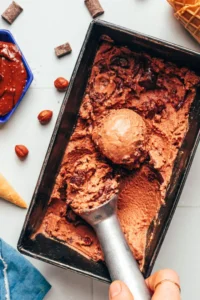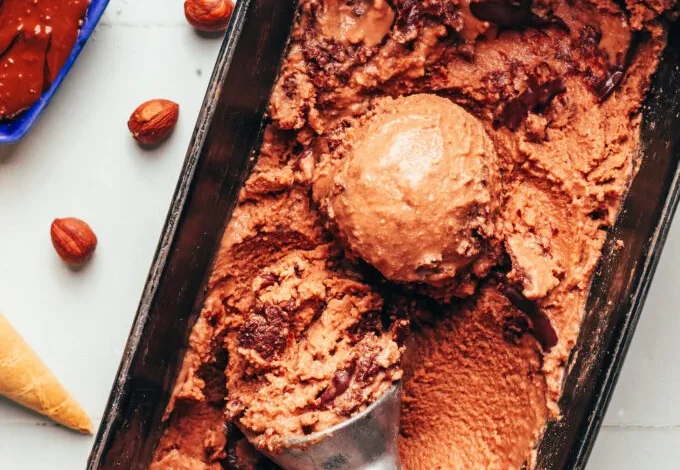
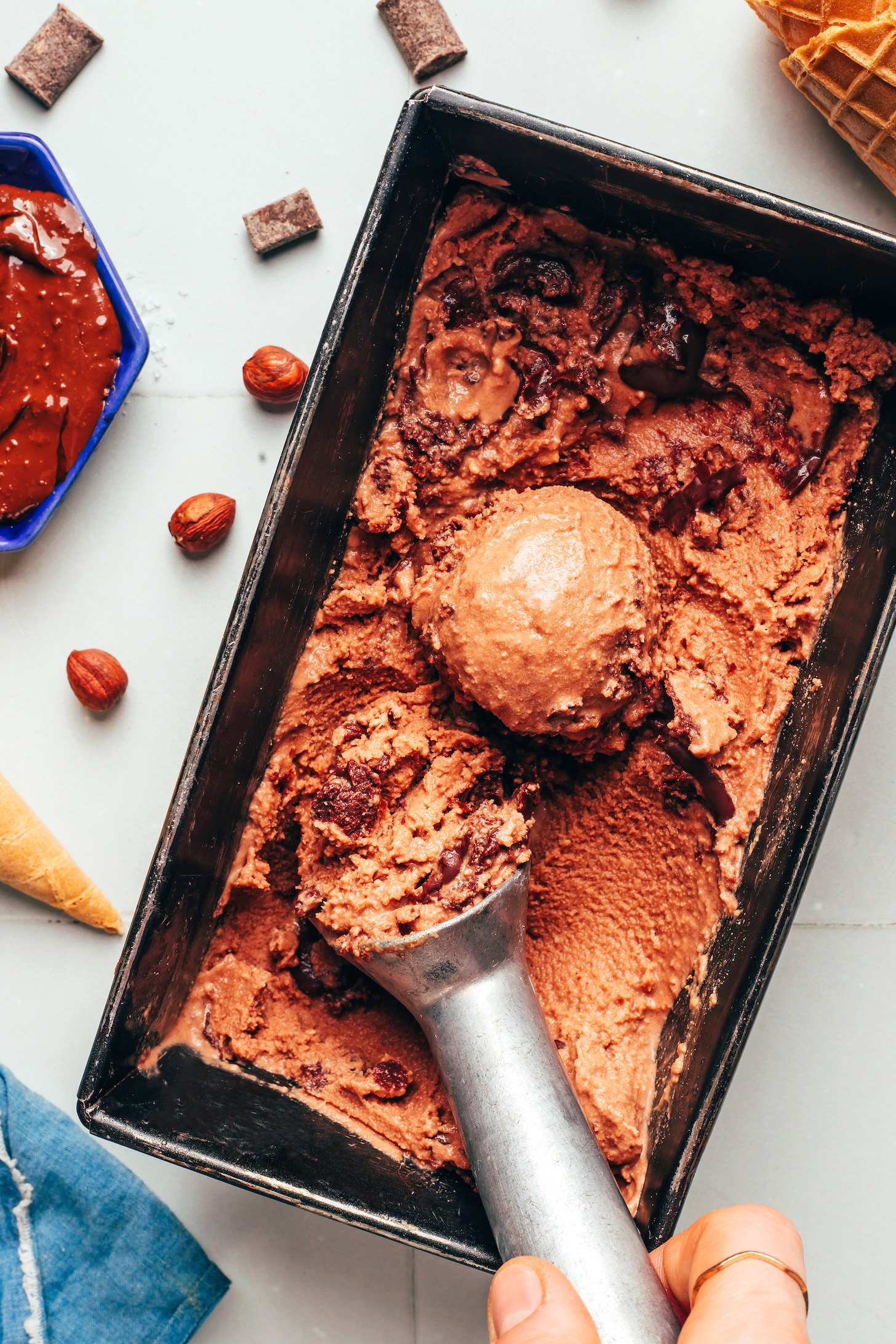
In a significant development for dessert enthusiasts seeking dairy-free and vegan alternatives, a groundbreaking recipe for "Vegan Nutella Ice Cream" has emerged, promising to deliver the rich, indulgent flavor profile of the beloved chocolate-hazelnut spread in a frozen, plant-based format. This innovative creation, developed by Minimalist Baker, reportedly utilizes just six core ingredients, positioning it as an accessible and appealing option for a wide audience, particularly during warmer months when frozen treats are in high demand.
The recipe’s inception marks a continued trend in the culinary world towards plant-based innovation, responding to growing consumer interest in ethical and sustainable food choices. With an estimated global vegan population projected to reach 1 billion by 2030, the demand for high-quality vegan alternatives across all food categories, including desserts, is experiencing a robust expansion. This vegan Nutella ice cream appears to be a direct response to this evolving market.
The Genesis of a Vegan Delight
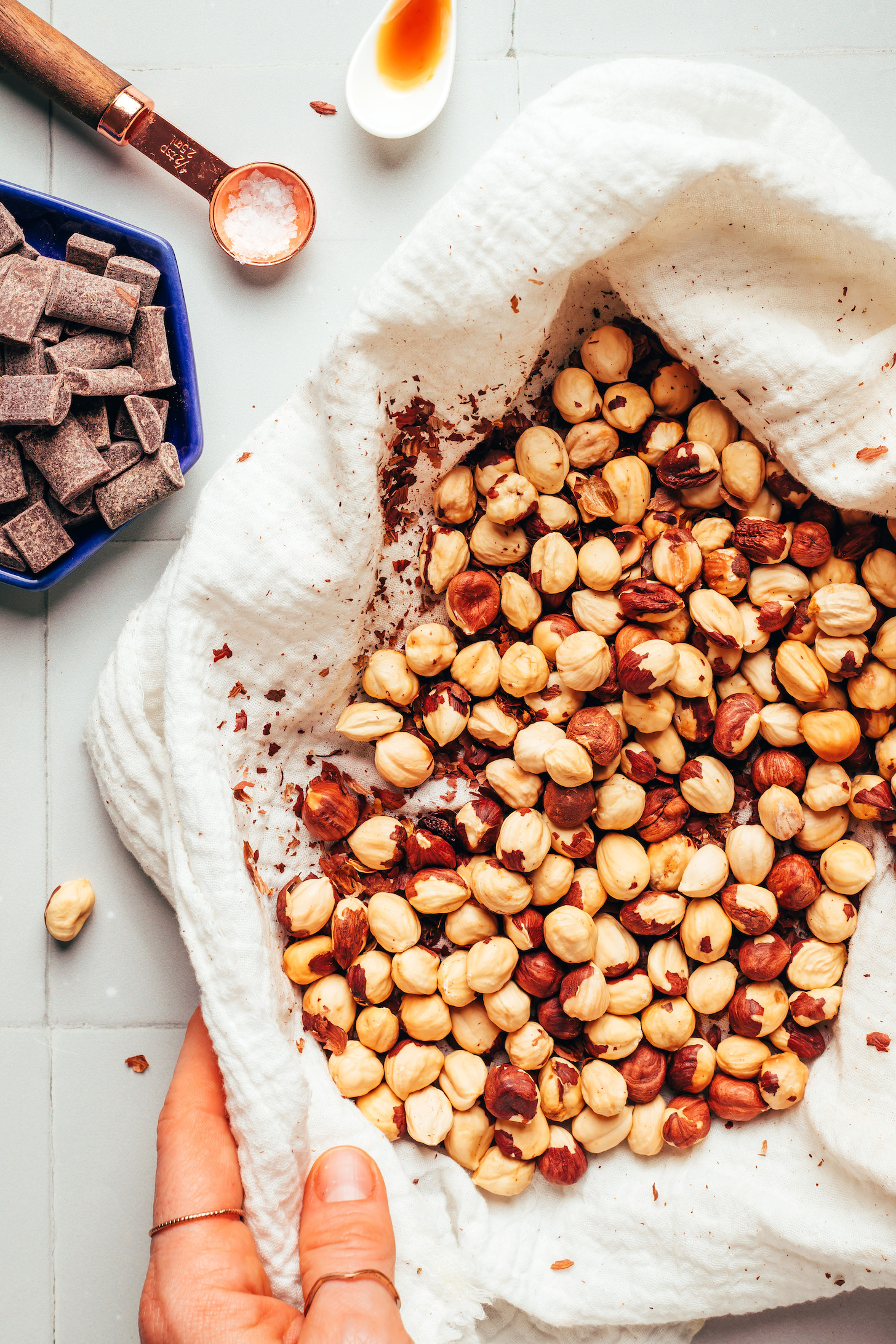
The development of this vegan Nutella ice cream is rooted in the foundational principles of plant-based culinary artistry, aiming to replicate familiar tastes and textures without animal products. The core of the recipe involves transforming hazelnuts into a rich, spreadable base, akin to the iconic Nutella spread, but entirely plant-derived. This process begins with the careful roasting of hazelnuts. Roasting serves a dual purpose: it enhances the natural oils within the nuts, intensifying their inherent flavor, and it loosens the skins, which are then removed. This meticulous preparation is crucial for achieving the characteristic smooth texture and deep nutty notes synonymous with high-quality hazelnut-based confections.
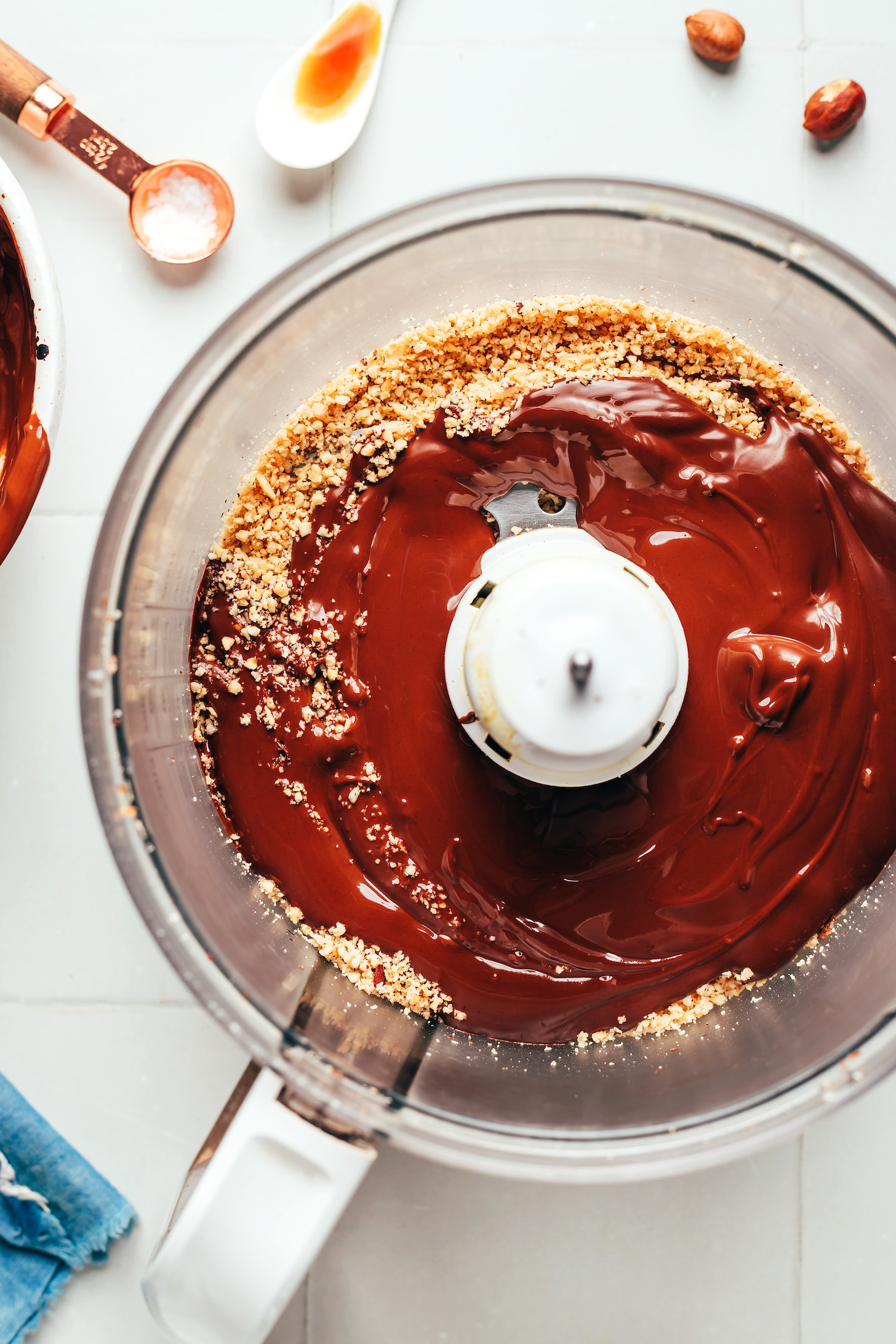
Following the roasting and skinning of the hazelnuts, they are blended with melted chocolate. This step is pivotal in creating the homemade "Nutella" base. The recipe emphasizes setting aside a portion of this rich chocolate-hazelnut mixture, a strategic move that allows for the creation of decadent swirls within the finished ice cream, thereby amplifying the visual appeal and flavor complexity. This approach to flavor layering is a common technique in premium ice cream production, ensuring an intense and consistent taste experience in every spoonful.
Crafting the Creamy Base
The transformation from a chocolate-hazelnut spread to a creamy ice cream base involves the careful combination of the homemade spread with other key ingredients. Canned light coconut milk is identified as a primary component for achieving the desired creamy texture and richness, a common practice in vegan ice cream recipes that leverages the fat content of coconut milk to mimic the mouthfeel of dairy cream. Sweetness is introduced through cane sugar, a universally recognized sweetener that provides a clean flavor profile. Vanilla extract and a pinch of salt are also incorporated, essential for rounding out the flavors and enhancing the overall taste perception.
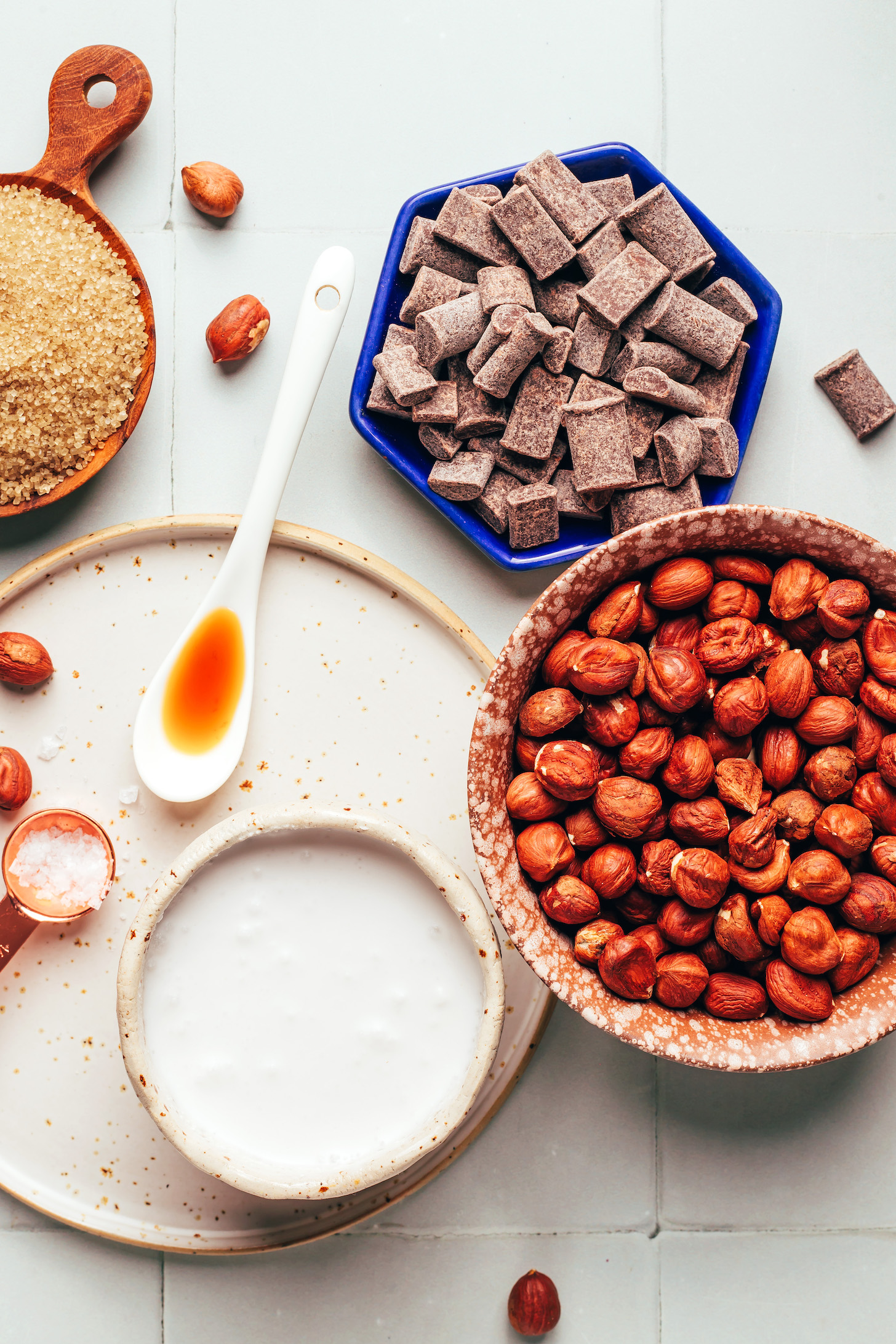
A critical stage in the preparation process is the chilling of this blended mixture. The recipe mandates refrigeration for at least one hour, a step that is not merely for cooling but also for allowing the flavors to meld and the base to reach an optimal temperature for churning. This pre-chilling phase is essential for achieving the correct consistency in the ice cream maker, preventing premature melting and ensuring a smooth, even freeze. Furthermore, this preparatory step offers a degree of flexibility, allowing consumers to make the base ahead of time, aligning with modern consumer preferences for meal and dessert preparation.
The Churning Process and Final Touches
Once the base is thoroughly chilled, it is introduced to an ice cream maker. The churning process, typically lasting around 30 minutes, is where the liquid mixture gradually transforms into a soft, frozen dessert. This mechanical agitation incorporates air into the base, contributing to its characteristic fluffy texture and preventing the formation of large ice crystals, which can result in a grainy or icy final product.
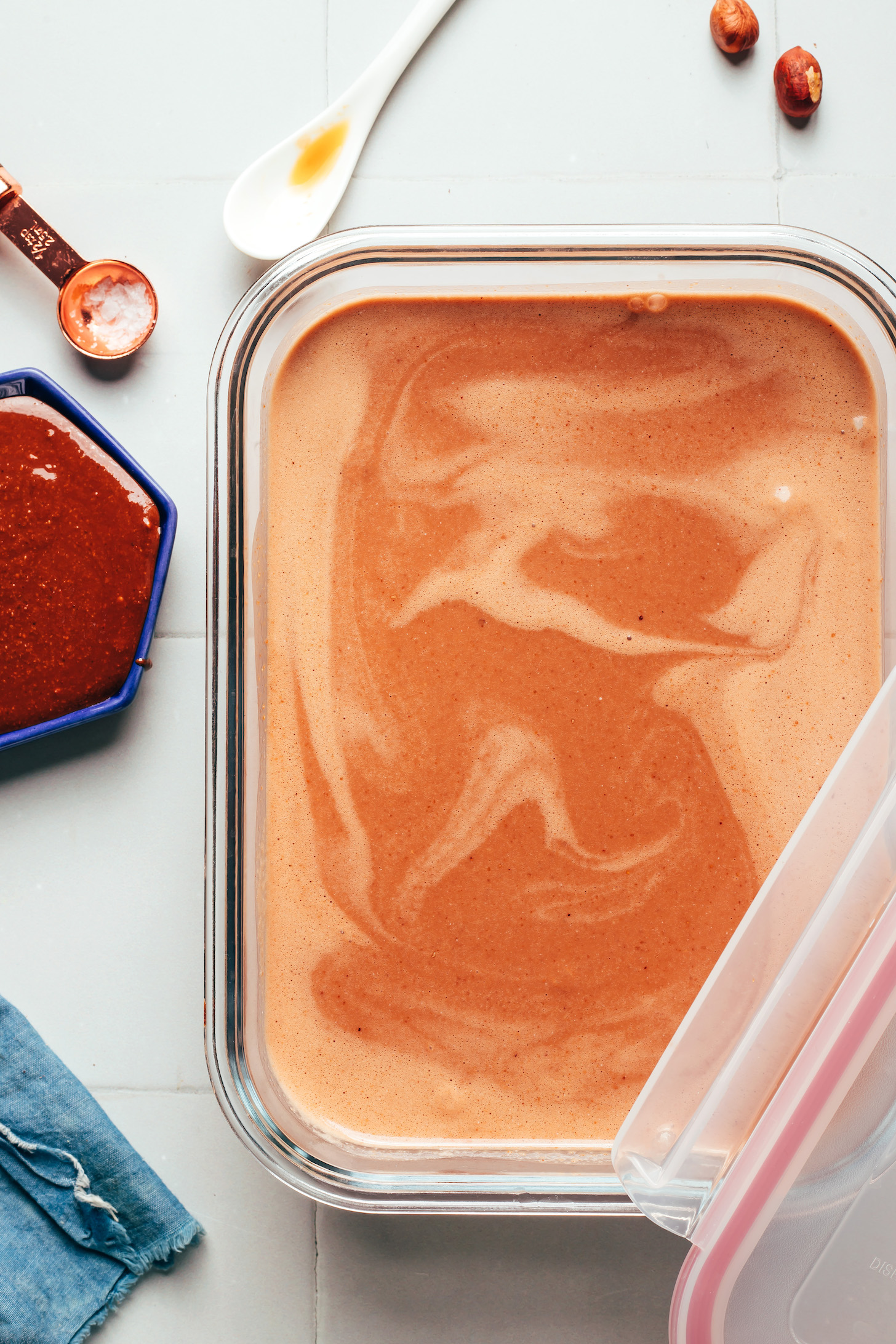
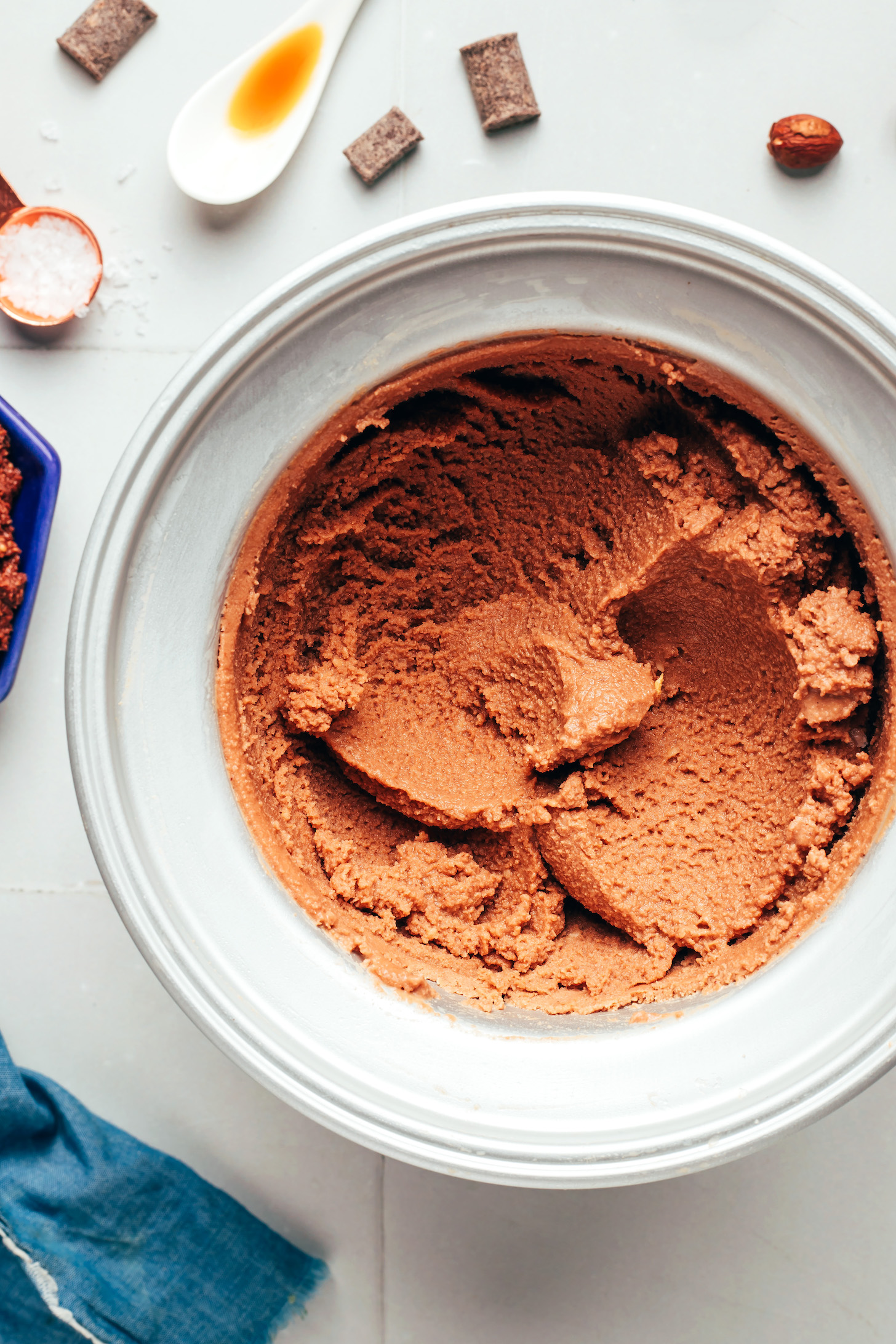
The final, crucial step involves the integration of the reserved chocolate-hazelnut spread. This is achieved by gently folding the spread into the churned ice cream. This technique creates the visually appealing and texturally exciting swirls that are a hallmark of premium ice cream. The contrast between the smooth, creamy ice cream and the richer, more concentrated swirls of the Nutella-like mixture provides a multi-dimensional sensory experience.
The finished product is described as creamy, chocolaty, nutty, fluffy, perfectly sweet, light yet satisfying, and exceptionally delicious. This array of descriptors highlights the success of the recipe in achieving a complex and appealing flavor and texture profile, often challenging to replicate in vegan frozen desserts. The recipe is presented as suitable for individuals who are vegan, dairy-free, or simply seeking a plant-based indulgence.
Supporting Data and Market Trends
The emergence of recipes like this vegan Nutella ice cream aligns with broader trends in the food industry. The global vegan ice cream market, valued at approximately USD 4.1 billion in 2022, is projected to grow at a compound annual growth rate (CAGR) of 10.8% from 2023 to 2030, according to Grand View Research. This substantial growth is driven by increasing health consciousness, environmental concerns, and a growing availability of diverse vegan product offerings.
Key drivers for this market expansion include:
- Rising Health Awareness: Consumers are increasingly aware of the potential health benefits associated with plant-based diets, including lower saturated fat and cholesterol content.
- Environmental Concerns: The environmental impact of dairy farming, including greenhouse gas emissions and land use, is prompting many consumers to seek more sustainable alternatives.
- Ethical Considerations: Animal welfare concerns are a significant motivator for a growing segment of the population adopting vegan lifestyles.
- Product Innovation: Manufacturers and home cooks are continuously innovating, developing a wider range of appealing and high-quality vegan products that cater to diverse palates.
The Minimalist Baker’s emphasis on a simple, six-ingredient recipe further democratizes the creation of such a desirable dessert. This accessibility is crucial for encouraging wider adoption and experimentation within home kitchens, potentially reducing the reliance on commercially produced vegan ice creams, which can sometimes be perceived as less fresh or contain a longer list of ingredients.
Broader Implications and Consumer Impact
The development and dissemination of recipes like the vegan Nutella ice cream have several implications for the broader food landscape. Firstly, it signals a maturation of the plant-based food sector, moving beyond basic substitutes to sophisticated recreations of beloved treats. This elevates the perception of vegan cuisine from being merely restrictive to being a source of culinary creativity and deliciousness.
Secondly, it empowers consumers with more choices. Individuals who are lactose intolerant, have dairy allergies, or follow a vegan lifestyle no longer need to feel excluded from enjoying popular desserts like Nutella-flavored ice cream. This inclusivity fosters a more equitable and enjoyable food environment for all.
Thirdly, the recipe’s success can inspire further innovation. By demonstrating that complex flavors and desirable textures can be achieved with minimal, accessible ingredients, it encourages other culinary creators and food companies to explore similar avenues. This can lead to a richer and more diverse market for plant-based desserts.
The fact that this recipe is presented as a "masterpiece" and a "dream" for Nutella lovers underscores the emotional connection consumers have with certain flavors. The ability to recreate this experience in a vegan format taps into that existing affection, making the transition to plant-based options more appealing and less daunting.
The recipe also highlights the importance of fundamental cooking techniques. Roasting nuts for enhanced flavor, understanding the role of different fats in achieving creamy textures, and the science of ice cream churning are all demonstrated within this seemingly simple recipe. This educational aspect can empower home cooks to become more confident and adventurous in their own culinary endeavors.
Conclusion
The introduction of the Vegan Nutella Ice Cream recipe by Minimalist Baker represents a significant contribution to the burgeoning field of plant-based desserts. By leveraging simple yet effective techniques and a limited number of high-quality ingredients, the recipe promises an indulgent and satisfying experience for a wide range of consumers. As the global demand for vegan alternatives continues to surge, innovations like this are crucial in shaping a more inclusive, sustainable, and delicious future for food. The recipe not only caters to dietary needs but also celebrates the joy of familiar flavors reimagined through the lens of plant-based culinary excellence, offering a testament to the ever-expanding possibilities within vegan cuisine.