Lyme Disease: Beyond the Tick Bite and Bullseye Rash – A Complex Reality

Lyme disease, often simplified in public perception to a mere tick bite followed by a course of antibiotics and perhaps a characteristic rash, presents a far more intricate medical challenge than commonly understood. This pervasive tick-borne illness, primarily caused by the bacterium Borrelia burgdorferi, is frequently complicated by the presence of co-infections, transforming a seemingly straightforward diagnosis and treatment into a complex and often protracted battle for patient well-being. These co-infections, which can be bacterial, parasitic, or viral, significantly complicate the diagnostic process and treatment protocols, leading to prolonged suffering for many individuals.
The Elusive Nature of Lyme Disease Diagnosis
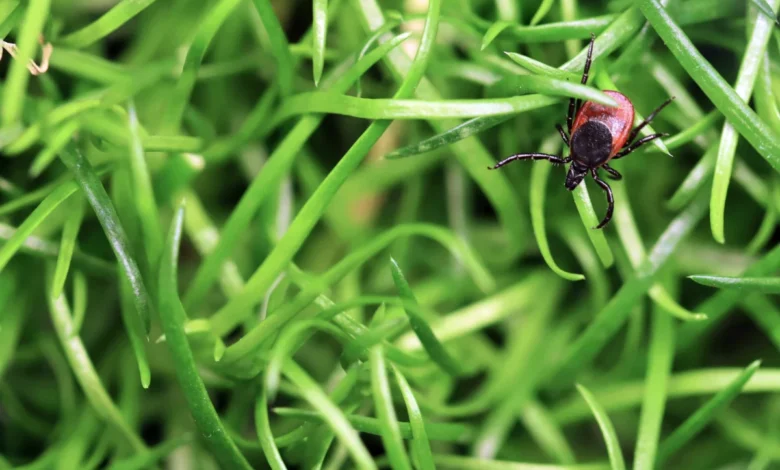
A primary hurdle in identifying Lyme disease lies in the very nature of its transmission vector: the tick. Ticks, particularly in their nymphal stage – often no larger than a poppy seed or the tip of a ballpoint pen – are notoriously difficult to detect. Furthermore, their saliva contains an anesthetic, rendering the bite virtually painless and imperceptible to the host. This stealthy introduction of pathogens means that many individuals remain unaware of their exposure.
Even when a tick bite is noticed, the subsequent reaction can be misleading. While the iconic "bullseye" rash, or erythema migraphans, is a hallmark symptom for some, its occurrence is less common than widely believed, often appearing days or weeks after infection and easily mistaken for other skin conditions. For a significant portion of infected individuals, the initial presentation of Lyme disease is, paradoxically, the absence of any noticeable symptoms. The slow-growing nature of Borrelia burgdorferi allows the infection to establish itself discreetly, with symptoms taking considerable time to manifest. This insidious onset contributes to the diagnostic delays that plague many patients.
The Role of Co-Infections in Lyme Disease Complexity
The challenge of Lyme disease is compounded by the reality that ticks are vectors for multiple pathogens. When a tick bites an individual, it can transmit not only Borrelia burgdorferi but also a variety of other disease-causing agents. These co-infections, including bacteria like Anaplasma and Ehrlichia, or various protozoa and viruses, can initiate their own distinct set of symptoms, often overlapping with or exacerbating those caused by Lyme itself.
These co-infections can lead to acute illness within days or weeks of a tick bite, presenting with symptoms such as high fever, profound fatigue, and cognitive impairment. Flu-like symptoms, joint pain, and muscle aches are also common manifestations, further blurring the lines of diagnosis and making it difficult to pinpoint the primary cause of illness. The presence of these additional pathogens means that a treatment solely targeting Borrelia burgdorferi may be insufficient, leaving other infections to proliferate and perpetuate symptoms.
Understanding Persistent Symptoms and Treatment Challenges
The slow-replicating nature of Borrelia burgdorferi is a critical factor in understanding why Lyme disease can be so challenging to eradicate. Unlike rapidly multiplying bacteria that respond swiftly to antibiotics, Borrelia can take days or even weeks to reproduce. Standard antibiotic treatments, optimized for faster-growing pathogens, may not achieve complete eradication when administered for typical short durations, leaving lingering bacteria capable of reactivating or causing persistent symptoms.
Furthermore, the strategy of treating only Borrelia burgdorferi while ignoring co-infections leaves these other pathogens unchecked. These co-infections can continue to cause damage and contribute to the complex constellation of symptoms experienced by patients. This underscores the necessity for a comprehensive diagnostic approach that identifies all contributing infections, allowing for a tailored treatment plan that addresses the entirety of the patient’s clinical picture, rather than focusing on a single pathogen or a limited set of symptoms.
Lyme Disease: The Great Imitator
The multifaceted nature of Lyme disease has earned it the moniker "the great imitator." Its ability to affect multiple organ systems and present with an extraordinarily diverse range of symptoms means it can be easily misdiagnosed as numerous other conditions.
Migratory Joint Pain: A common symptom of Lyme disease is joint pain, but its migratory nature – moving from one joint to another rather than remaining localized – is a key differentiator. While this characteristic strongly suggests Lyme, it is crucial to look beyond joint involvement for a complete diagnosis.
Neurological and Cognitive Impacts: Lyme disease can profoundly impact the nervous system. Patients may experience cognitive difficulties such as memory loss that appears disproportionate to their age, or nerve-related pain in the pelvis or abdomen.
Cardiovascular Manifestations: In some cases, Lyme disease can lead to serious heart-related symptoms, including irregular heart rhythms and fainting spells, necessitating prompt medical attention.
Other Common Symptoms: Beyond these, patients frequently report muscle pain, cramping, debilitating fatigue, persistent headaches, sleep disturbances, and a wide array of neurological issues. This broad spectrum of potential symptoms makes a thorough patient history and comprehensive evaluation paramount.
A Holistic Approach to Diagnosis and Treatment
Recognizing the complexity of Lyme disease necessitates a departure from conventional, narrow diagnostic approaches. At the Stram Center for Integrative Medicine, the diagnostic process begins with a significant investment of time, typically dedicating approximately an hour and a half to understanding a new patient’s complete medical history. This emphasis on history-taking stems from the understanding that a detailed clinical picture remains the most crucial element in diagnosis, with laboratory testing serving as a supportive tool rather than a definitive replacement.
Risk Factor Assessment: Clinicians evaluate a patient’s risk factors, including their outdoor exposure history, occupation, pet ownership, and the environmental context of their living situation, to gauge potential exposure to tick-borne illnesses.
Broad Diagnostic Evaluation: The center employs a broad diagnostic approach, evaluating for other possible conditions and conducting a thorough assessment of the "biological terrain." This comprehensive evaluation may involve a range of laboratory tests, imaging studies, and other assessments designed to identify all contributing factors to a patient’s illness.

Building Patient Relationships: The significant time dedicated to patient consultations allows practitioners to build rapport and gain a deeper, more nuanced understanding of the underlying issues. This patient-centered approach is fundamental to uncovering the root causes of illness.
The Integral Role of Nutrition and Lifestyle
Nutrition and lifestyle play a pivotal role in the recovery and long-term management of Lyme disease. Diet significantly influences inflammation, a driving force behind many of the symptoms experienced across various organ systems. Consequently, a thorough review of dietary patterns is an essential component of the assessment process. Patients at the Stram Center routinely work with registered dietitians as part of their integrated care plans.
Dietary Recommendations: While dietary recommendations are individualized, certain universal guidelines are consistently promoted. The reduction of processed foods, preservatives, refined carbohydrates, and excessive sugar intake is strongly encouraged. These elements can negatively impact the gut microbiome, promote systemic inflammation, and exacerbate symptoms.
Mental Health Support: The psychological toll of chronic illness cannot be overstated. Counseling and robust emotional support are recognized as critical components of recovery, contributing significantly to overall well-being and resilience.
Hyperbaric Oxygen Therapy (HBOT) as an Adjunct Treatment
Hyperbaric oxygen therapy (HBOT) has emerged as a valuable component in the integrative approach to treating Lyme disease. This therapy involves administering oxygen under increased pressure, significantly elevating oxygen levels in the blood and tissues. This enhanced oxygenation is crucial for tissue repair and healing, particularly in areas with compromised blood flow.
Antimicrobial Effects: HBOT also exhibits antimicrobial properties. Borrelia burgdorferi and certain co-infections are known to struggle in highly oxygenated environments. The bacterium B. burgdorferi can evade the immune system by forming protective biofilms, allowing it to embed in tissues, create inflammation, and disrupt blood flow. Conventional antibiotic therapies may fall short of eradicating these well-protected bacteria due to insufficient drug delivery to these sequestered sites.
Overcoming Biofilms: With HBOT, oxygen saturates the plasma at levels unattainable under normal circumstances, dramatically increasing tissue oxygenation. This elevated oxygen bypasses the limitations of oxygen delivery solely through hemoglobin. While bacteria may hide from immune cells circulating in the bloodstream, they cannot escape the pervasive effects of increased oxygen.
Enhanced Immune Function and Circulation: Increased oxygen levels also boost the activity of white blood cells, enhancing their ability to combat pathogens. Furthermore, HBOT promotes angiogenesis, the formation of new blood vessels, which improves circulation to affected tissues. This enhanced blood flow can improve the penetration of antibiotics and other therapeutic agents, increasing their efficacy.
Symptom Relief: Patients undergoing HBOT as part of a comprehensive Lyme treatment plan often report significant improvements in a range of debilitating symptoms. These benefits can include reductions in neuroinflammation, enhanced short-term memory, decreased chronic fatigue, fewer headaches, alleviation of depression, improved sleep quality, reduced inflammatory joint pain, diminished muscle discomfort, and increased overall energy levels. When integrated into a holistic treatment strategy, HBOT can accelerate recovery and significantly improve patient outcomes.
Debunking Common Misconceptions About Lyme Disease
Several pervasive misconceptions cloud the public’s understanding of Lyme disease, hindering effective diagnosis and treatment:
Misconception 1: Lyme Disease is Hard to Get, Easy to Diagnose, and Easy to Treat.
Reality: In endemic areas, Lyme disease is relatively easy to contract. Diagnosis is often far more challenging than commonly perceived, and treatment is frequently more difficult and protracted than many anticipate.
Misconception 2: Diagnostic Tests are Definitive.
Reality: Lyme testing primarily relies on detecting the body’s immune response, not direct identification of the pathogen. This immune response may not become detectable for weeks after infection, leading to false-negative results even when the pathogen is present. Timing is critical; testing too early or too late can both yield inaccurate results.
Misconception 3: A Single Course of Antibiotics is Sufficient.
Reality: Due to the slow-growing nature of Borrelia burgdorferi, short or minimal antibiotic regimens may not always eradicate the infection completely.
Misconception 4: Lyme Disease Exists in Isolation.
Reality: Co-infections are common and must be identified and treated for a patient to achieve full recovery.
Misconception 5: Persistent Symptoms After Treatment Indicate "Post-Treatment Lyme Disease."
Reality: Residual symptoms can often reflect incomplete treatment or an insufficient understanding of the full scope of the illness. Clinical judgment, rather than solely relying on laboratory results, should guide treatment decisions, especially when exposure is likely and symptoms are consistent with Lyme disease.
The Imperative of Comprehensive Care
The successful management of Lyme disease hinges on a paradigm shift from a narrow, pathogen-focused approach to one that embraces the complexity of the illness and prioritizes the whole patient. Recognizing that Lyme is often far more intricate than other single-infection diseases, effective treatment requires a thorough evaluation of all contributing factors, a deep understanding of the patient’s individual biology, and the integration of diverse therapeutic modalities. This holistic perspective, which considers the intricate interplay of pathogens, the patient’s immune system, lifestyle, and environmental factors, is paramount to achieving lasting recovery and restoring overall well-being.