A Summertime Delight: Gluten-Free Blueberry Cobbler with Almond Flour Topping Offers a Refined Approach to a Classic Dessert

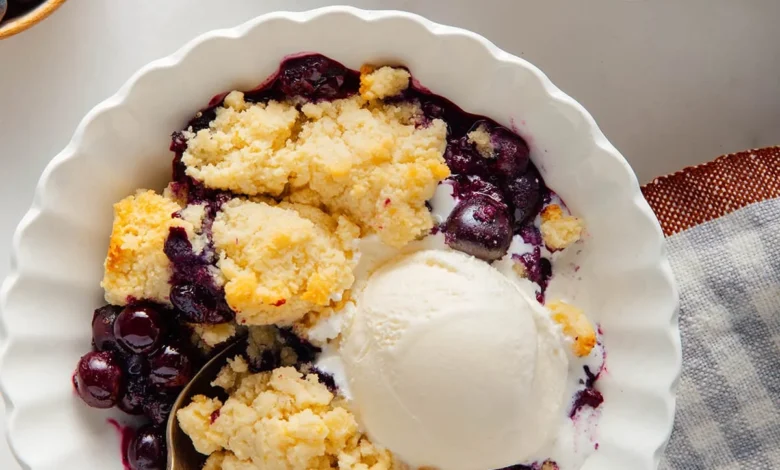
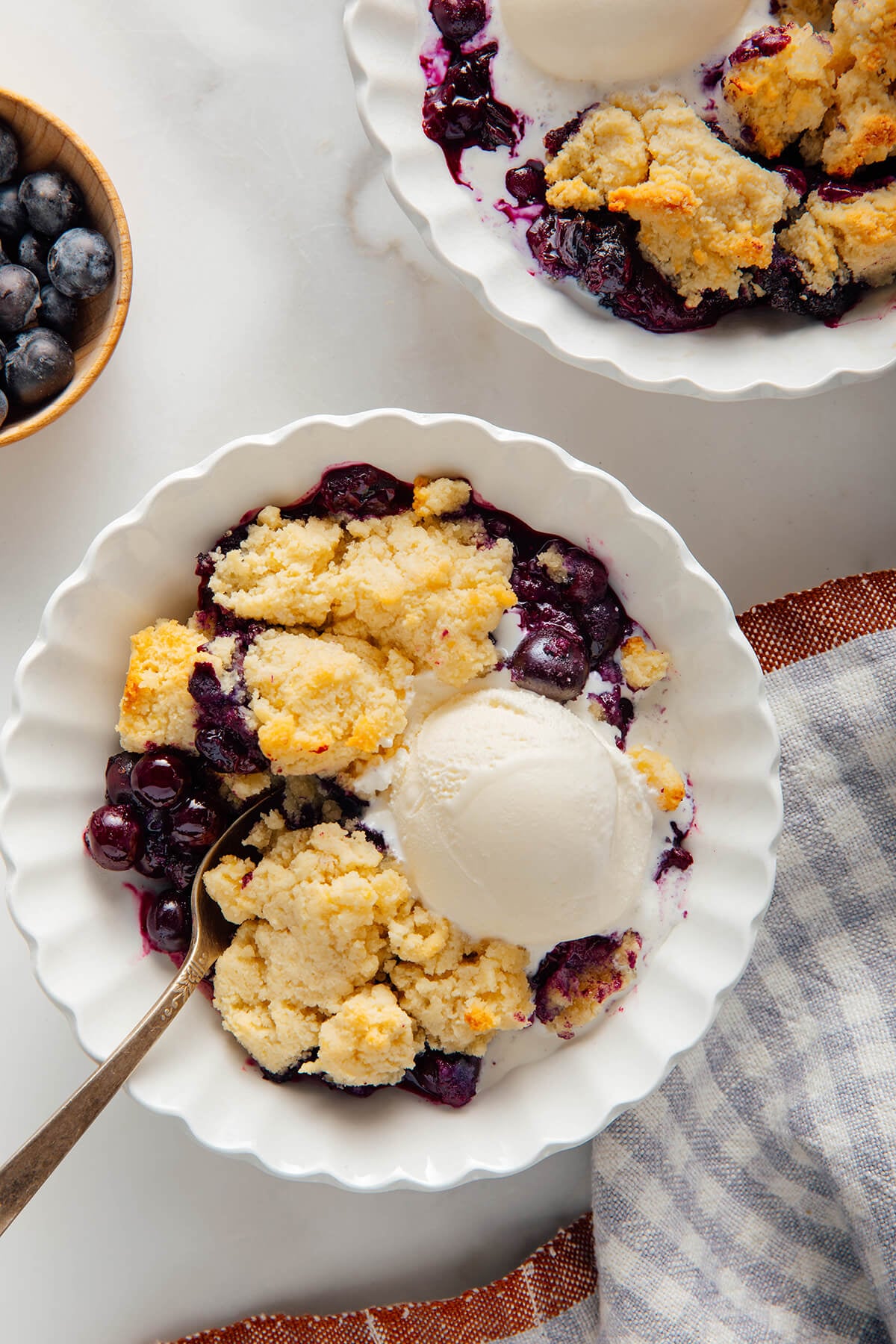
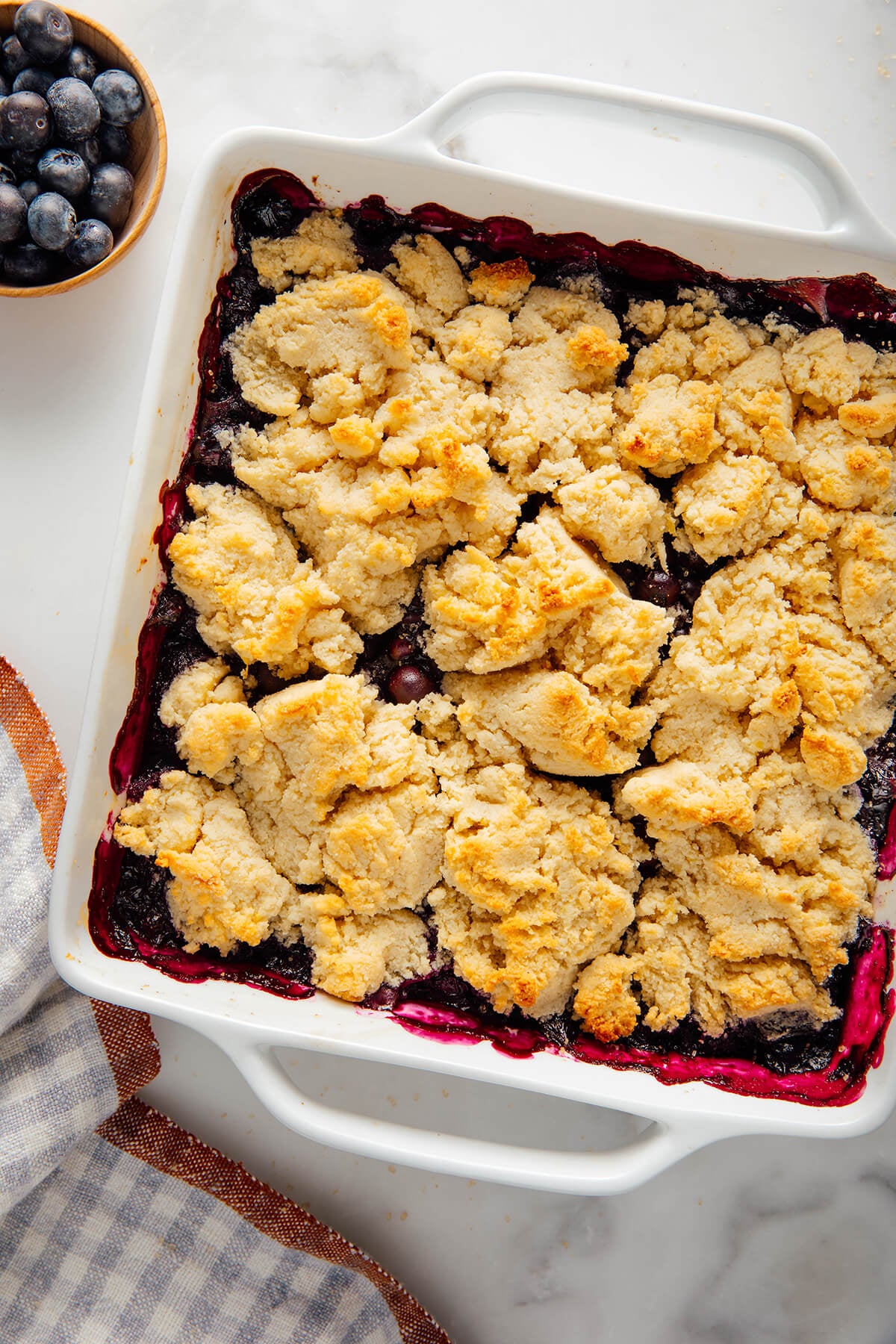
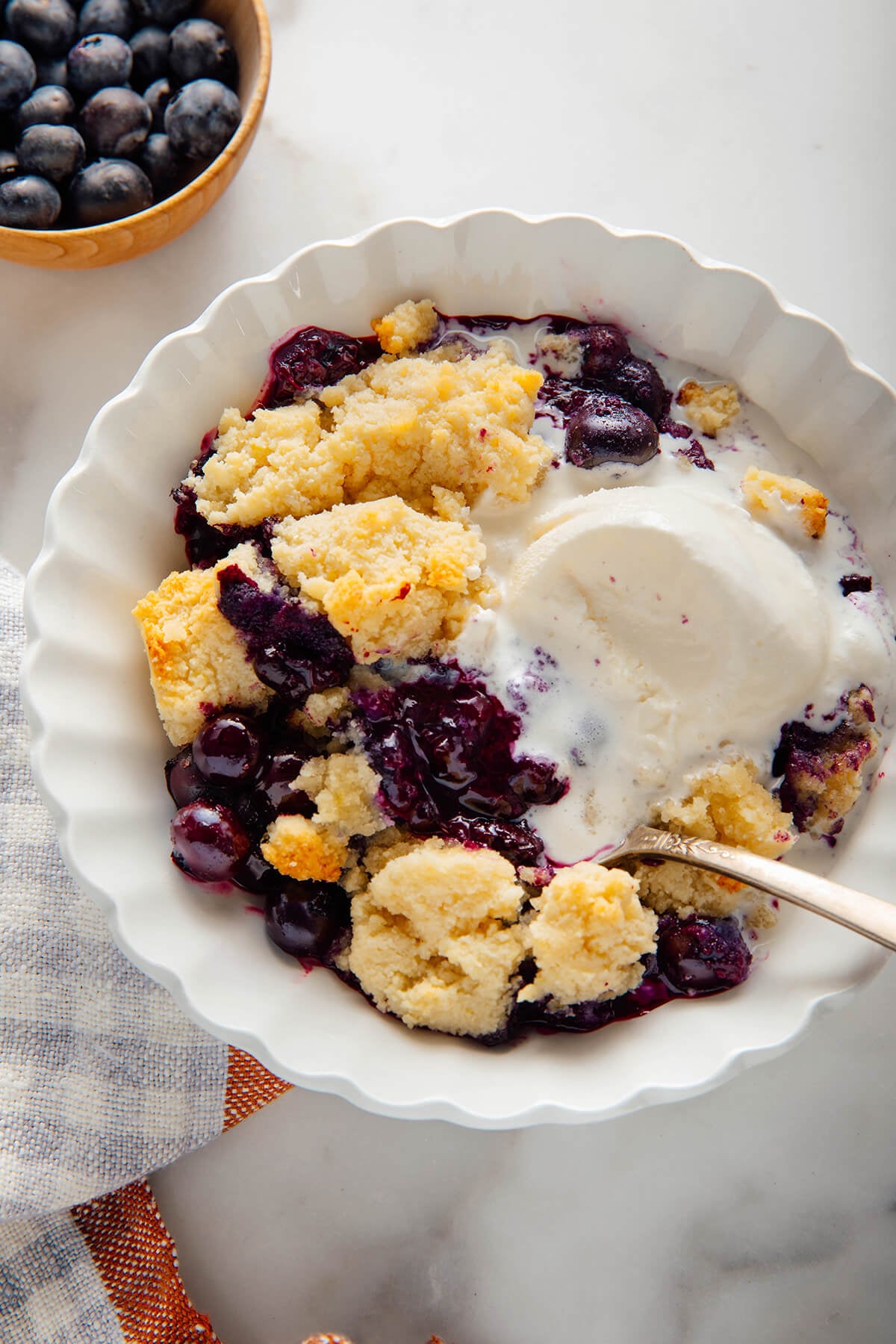
This blueberry cobbler is a summertime delight, featuring jammy ripe blueberries beneath an almond flour-based biscuit topping that is tender on the inside and perfectly crisp and craggy along the edges. The recipe, refined by food blogger Kathryne Taylor, aims to become a staple for home bakers seeking a sophisticated yet accessible dessert. This iteration builds upon Taylor’s previous successes, including her popular blueberry crisp and highly acclaimed peach cobbler, demonstrating an evolution in her dessert-making repertoire towards more nuanced textures and flavors.
The culinary landscape of summer desserts often conjures images of vibrant fruits baked into comforting classics. Among these, the humble cobbler holds a special place, evoking nostalgia and simple pleasures. However, contemporary culinary trends increasingly favor dishes that cater to specific dietary needs without compromising on taste or texture. This gluten-free blueberry cobbler with an almond flour topping emerges as a prime example of this movement, offering a refined alternative to traditional recipes.
The Case for Almond Flour in Cobbler Construction
Taylor boldly asserts that the best blueberry cobbler is gluten-free, a statement rooted in her enthusiastic embrace of almond flour as a topping base. She posits that this ingredient not only meets the needs of those avoiding gluten but also offers a superior sensory experience compared to conventional all-purpose flour. The inherent moistness of almond flour contributes to a tender crumb within the topping, while its unique properties allow for the development of a beautifully golden, lightly crisp exterior. Crucially, almond flour imparts a subtle yet distinct nutty flavor that harmonizes exceptionally well with the sweet-tart burst of blueberries, elevating the overall profile of the dessert.
This preference for almond flour is not arbitrary. Almond flour, derived from ground almonds, has gained significant traction in modern baking due to its versatility and nutritional benefits. It is naturally gluten-free and a good source of healthy fats, protein, and fiber. In baking, it tends to create a denser, moister crumb than wheat flour and can contribute to a more delicate texture. The browning characteristics of almond flour are also noteworthy, often resulting in a richer, more complex golden hue. Taylor’s experimentation with this ingredient reflects a broader culinary shift towards utilizing alternative flours to achieve specific textures and flavors, pushing the boundaries of traditional baking.
A Strategic Approach to Baking for Optimal Results
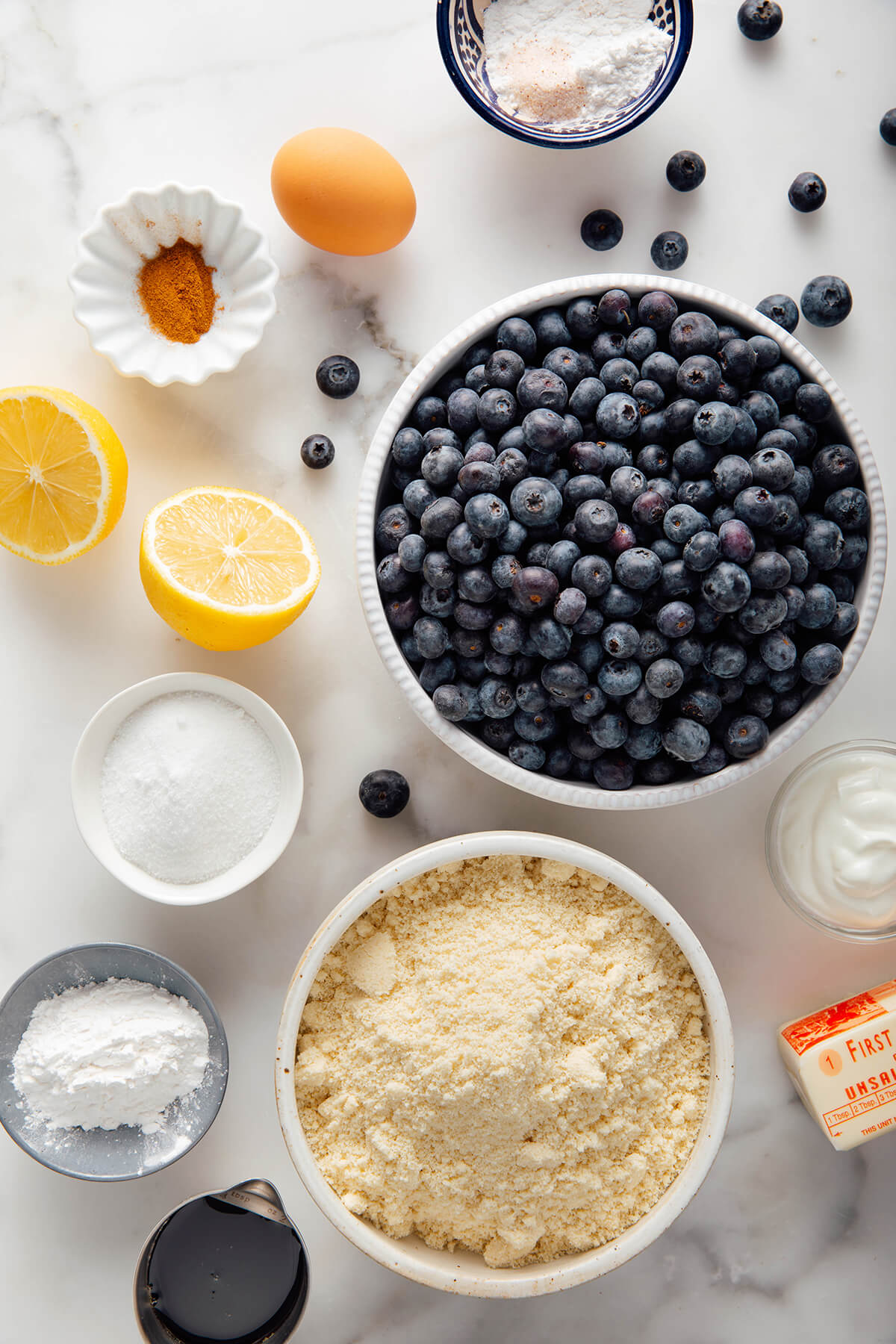
The preparation of this blueberry cobbler is characterized by a deliberate, two-step baking process designed to ensure both the filling and the topping reach their peak perfection. This method addresses a common pitfall in cobbler preparation: the topping browning too quickly before the fruit filling has adequately cooked and thickened.
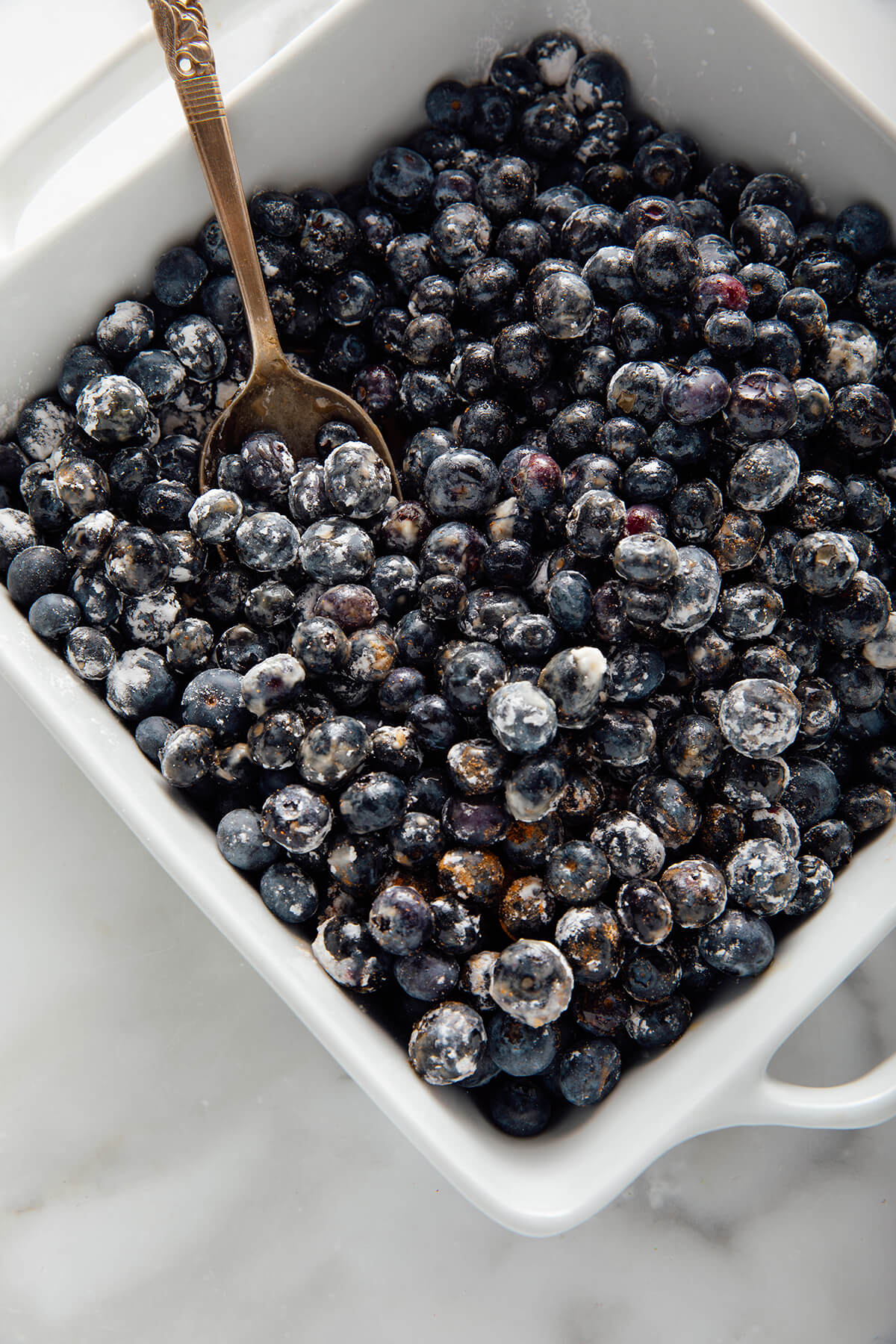
The initial phase involves baking the blueberry filling separately. This allows the blueberries to break down, releasing their juices and developing a rich, jammy consistency. This controlled cooking environment ensures the fruit is perfectly tender and the juices are concentrated. Following this, the almond flour topping is added. This sequential approach prevents the topping from becoming overcooked or burnt, while guaranteeing that the blueberry filling achieves the desired bubbly and condensed state. This methodical technique highlights a baker’s understanding of heat transfer and ingredient interaction, aiming for a consistently successful outcome.
Recipe Overview and Key Ingredients
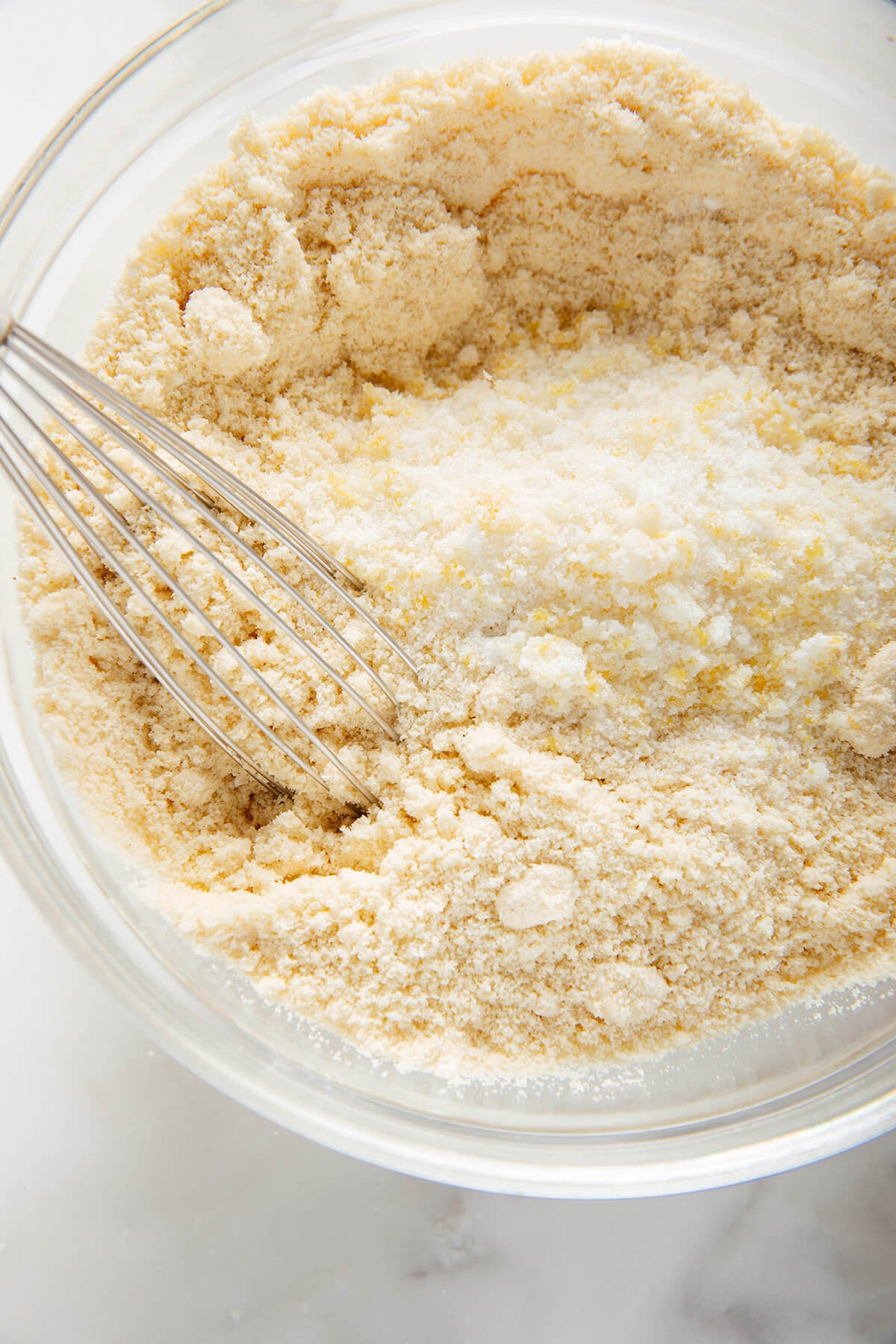
At its core, the recipe hinges on the synergy between fresh, ripe blueberries and a carefully crafted almond flour topping. The blueberry filling typically comprises fresh or frozen blueberries, a sweetener such as maple syrup or granulated sugar, a thickener like cornstarch or arrowroot powder to achieve the desired jammy consistency, and often a touch of lemon zest or juice to brighten the flavors and provide a counterpoint to the sweetness.
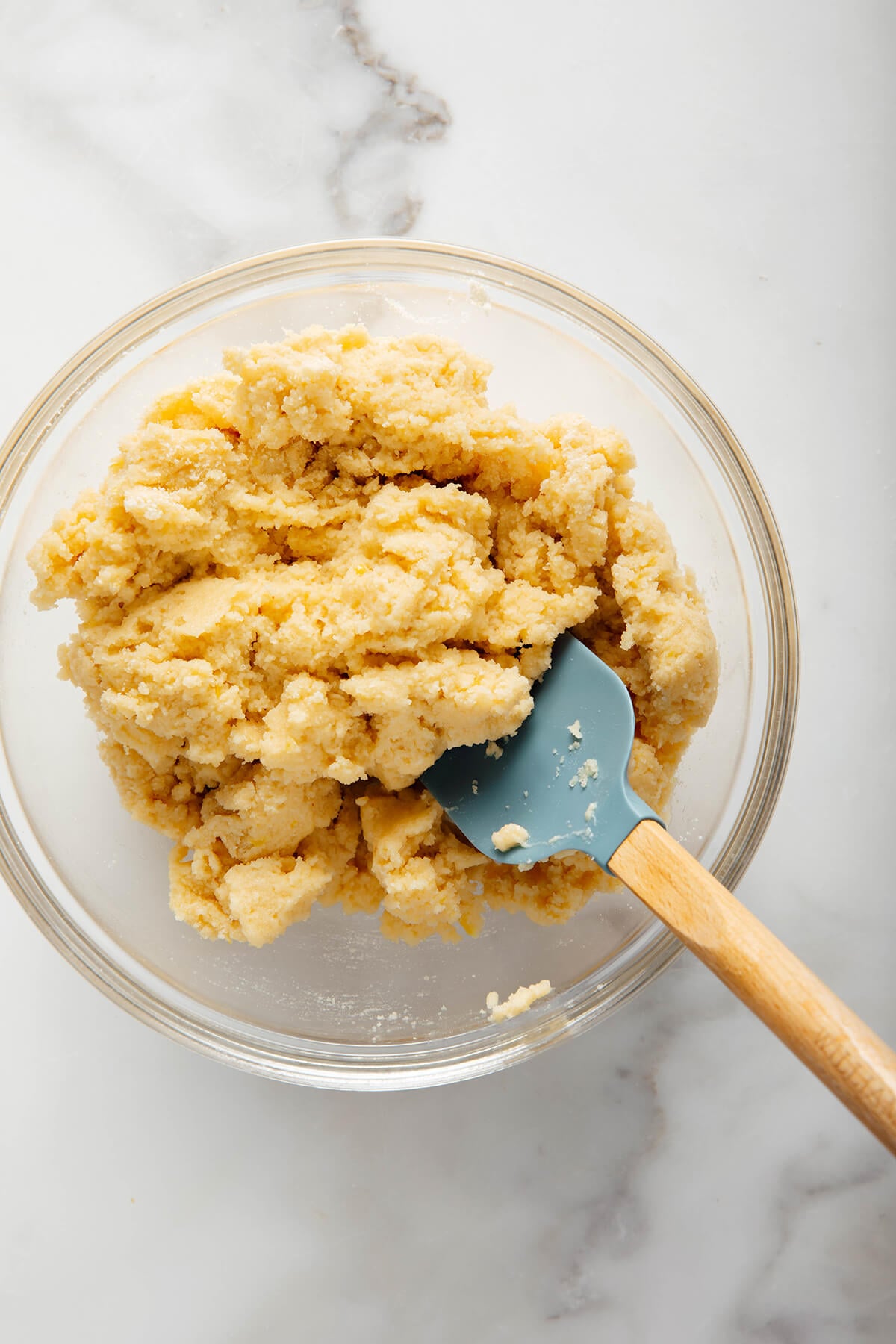
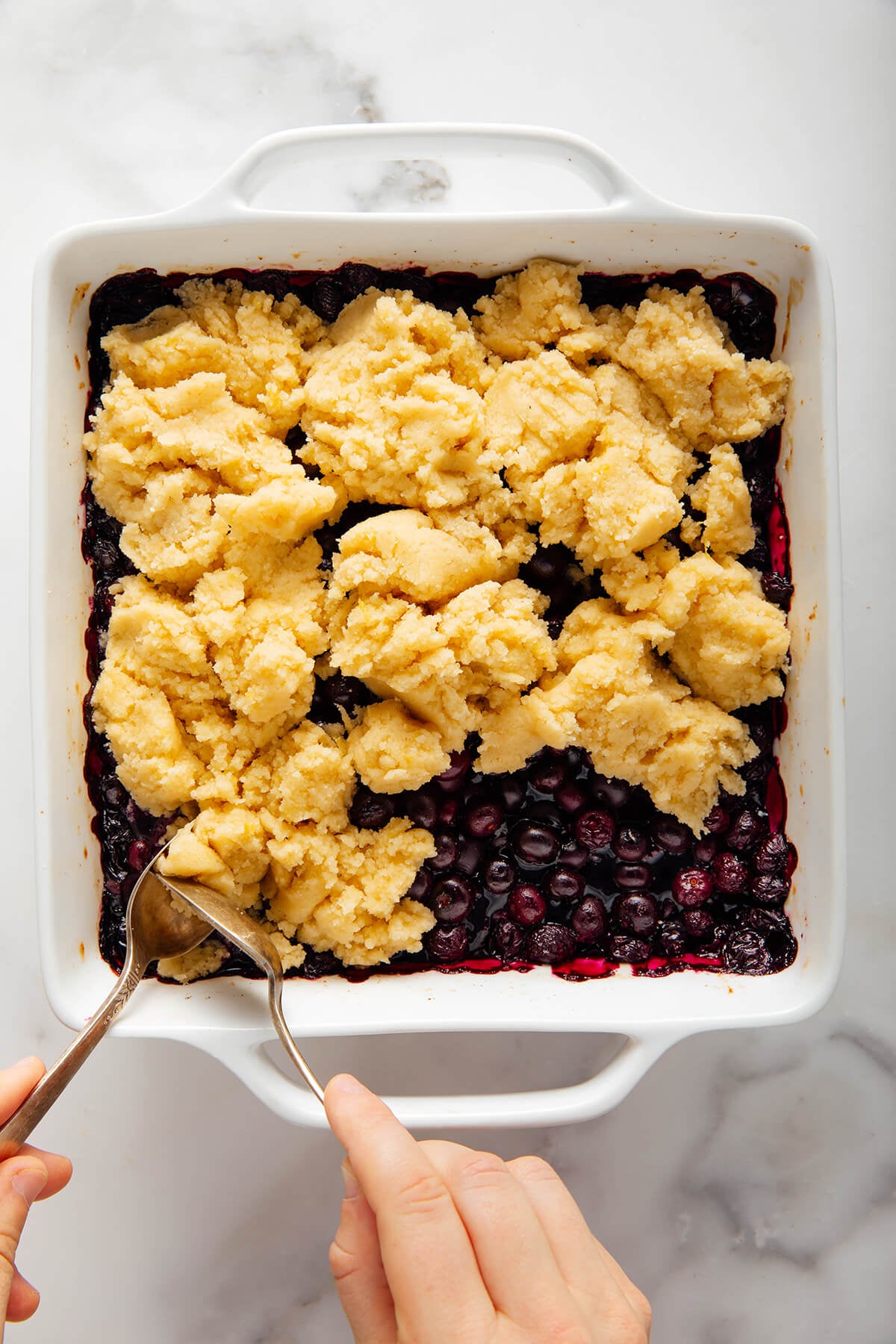
The almond flour topping is where the recipe truly distinguishes itself. It combines almond flour with a binding agent, typically butter or a dairy-free alternative, and a sweetener. Additional flavor enhancers, such as vanilla extract or a pinch of cinnamon, can be incorporated to complement the almond and blueberry notes. The texture of the topping is achieved through the proportions of these ingredients and the method of mixing, aiming for a crumbly yet cohesive dough that bakes into a tender biscuit-like layer.
Timeline and Evolution of the Recipe
While the article does not provide a precise historical timeline for the development of cobblers as a dessert category, it situates this specific recipe within the context of the author’s ongoing culinary explorations. Taylor references her "most delicious dessert made in my kitchen last summer" being a peach cobbler, suggesting a recent focus on this dessert style. The blueberry cobbler with almond topping can be seen as a refinement and adaptation of these earlier successes. The direct lineage to her popular blueberry crisp and the peach cobbler indicates a deliberate effort to iterate on proven concepts, enhancing them with new ingredient choices and techniques. This iterative process is common in recipe development, where chefs and home cooks alike build upon existing frameworks to create something novel and improved.
The Broader Impact: Gluten-Free Baking and Culinary Innovation
The popularity of gluten-free options has surged in recent years, driven by increased awareness of celiac disease, gluten sensitivities, and a general interest in alternative dietary approaches. This trend has spurred significant innovation in the baking industry, with a greater availability of gluten-free flours and mixes, as well as a wealth of creative recipes designed to replicate the textures and flavors of traditional baked goods.
This blueberry cobbler exemplifies how gluten-free baking is moving beyond mere substitution to embrace ingredients that offer unique advantages. Almond flour, in this instance, is not simply a replacement for wheat flour but a key component that contributes distinct flavor and texture. This approach elevates gluten-free desserts from being merely compliant to being genuinely desirable, appealing to a wider audience than just those with dietary restrictions.
The implications of such recipes extend beyond the immediate enjoyment of a delicious dessert. They contribute to a growing body of knowledge in gluten-free baking, offering home cooks reliable and inspiring recipes. Furthermore, they challenge the perception that gluten-free food is inherently less satisfying or more complicated to prepare. By showcasing the potential of ingredients like almond flour, this recipe encourages further experimentation and innovation in the realm of alternative baking.
Supporting Data and Culinary Context
The global gluten-free market has experienced substantial growth, with projections indicating continued expansion. Reports from market research firms consistently highlight increasing consumer demand for gluten-free products across various categories, including baked goods. This demand is fueled by a combination of factors: rising diagnoses of celiac disease and gluten intolerance, a growing perception among consumers that gluten-free diets are healthier, and the expansion of product availability in mainstream grocery stores. The International Food Information Council (IFIC) Foundation’s "Food & Health Survey" has repeatedly shown a significant percentage of Americans actively trying to reduce or avoid gluten. This sustained interest provides a fertile ground for recipes like Taylor’s to gain traction and influence home baking practices.
Official Responses and Industry Trends
While there are no "official responses" to a specific dessert recipe in the traditional sense, the culinary industry’s reaction to gluten-free baking is overwhelmingly positive and innovative. Food publications, chefs, and baking brands are actively promoting and developing gluten-free recipes and products. The focus is increasingly on creating gluten-free options that are indistinguishable from their gluten-containing counterparts in terms of taste and texture, or even offer superior qualities. This aligns with Taylor’s approach of using almond flour not just as a substitute but as an enhancement. The trend towards whole-food ingredients and naturally gluten-free alternatives further supports the appeal of this type of recipe.
Broader Impact and Implications for Home Bakers
The widespread accessibility of ingredients like almond flour and the increasing comfort of home bakers with alternative baking methods mean that recipes like this blueberry cobbler are more achievable than ever. The clear, step-by-step instructions, coupled with the author’s personal endorsement and detailed notes on ingredient selection, provide home cooks with the confidence to tackle this recipe.
The success of such recipes has broader implications for culinary education and home cooking. They demonstrate that dietary restrictions do not necessitate a compromise on flavor or enjoyment. Instead, they can be a catalyst for creativity and the discovery of new culinary horizons. This gluten-free blueberry cobbler, therefore, represents more than just a dessert; it is a testament to the evolving nature of food, the power of ingredient innovation, and the enduring appeal of comfort food prepared with thoughtfulness and care. It invites a new generation of bakers to explore the possibilities of gluten-free desserts, proving that deliciousness and dietary needs can coexist harmoniously.