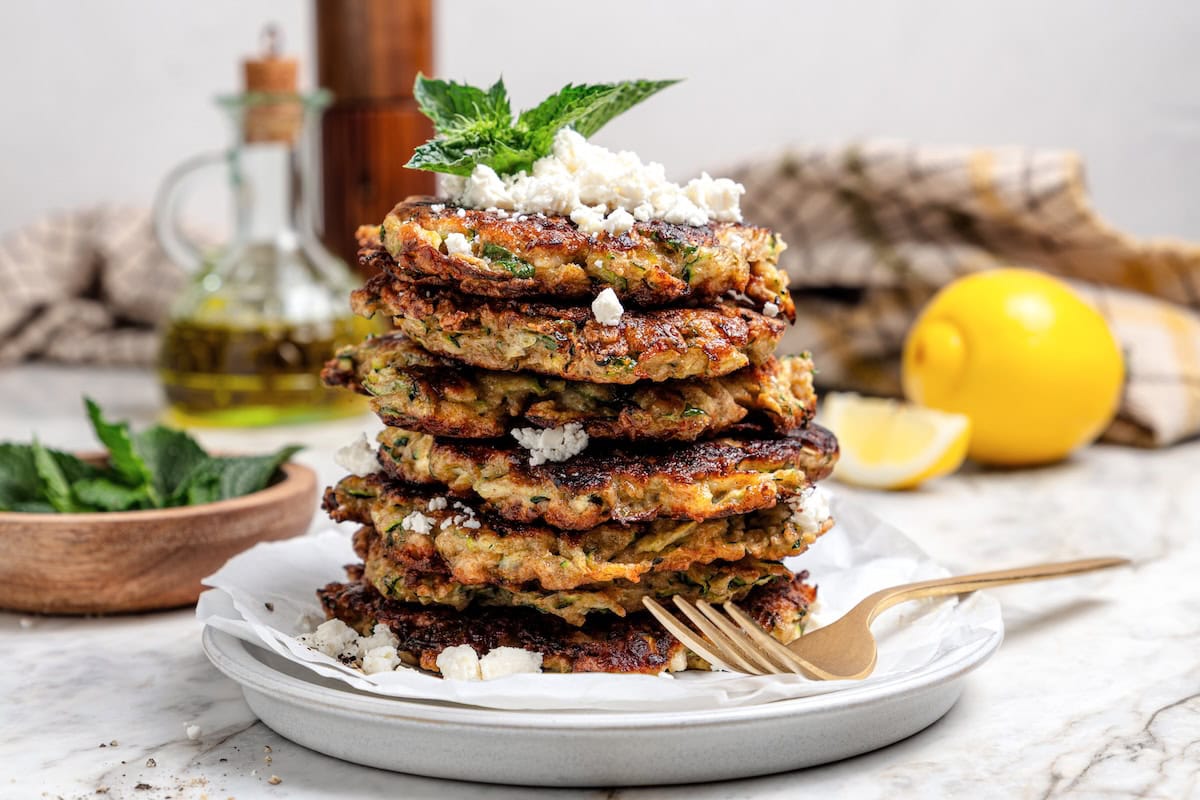
These zucchini fritters represent a culinary innovation, transforming a summer garden staple into a versatile dish with a Mediterranean twist. Featuring the savory notes of salty feta cheese and the refreshing aroma of fresh mint, these fritters are presented as an adaptable recipe, suitable for serving as a side dish, an appetizer, or even a light and satisfying main course. The article emphasizes their appeal as a way to utilize an abundance of summer zucchini, positioning them as a healthy and flavorful option within contemporary cuisine.
The Culinary Genesis of Zucchini Fritters
The origins of zucchini fritters, while not precisely documented, can be traced to the broader culinary tradition of utilizing seasonal produce in simple, yet delicious, preparations. Zucchini, a cultivar of the squash plant, was first cultivated in its modern form in Italy in the 19th century. Its rapid growth and prolific yield during warmer months have historically led to its integration into various dishes across different cultures. Fritters, as a cooking method involving battering and frying ingredients, have a long-standing presence in global gastronomy, offering a method to enhance texture and flavor.
The specific inclusion of feta cheese and mint points towards a Hellenistic or broader Mediterranean influence. Feta, a brined curd cheese traditionally made from sheep’s milk or a mixture of sheep and goat’s milk in Greece, offers a distinct salty and tangy profile. Mint, a widely cultivated herb, provides a cooling and aromatic counterpoint, commonly featured in Mediterranean and Middle Eastern cuisines. The combination suggests a deliberate effort to infuse a familiar dish with the vibrant flavors characteristic of these regions.

A Modern Approach to a Summer Harvest
This particular recipe, as detailed by Skinnytaste.com, highlights a contemporary approach to home cooking, emphasizing fresh ingredients and relatively straightforward preparation. The author notes that the recipe is inspired by Lisa Leake’s book, "100 Days of Real Food on a Budget," underscoring a commitment to healthy eating without prohibitive costs. This aligns with a growing consumer interest in reducing processed food consumption and embracing whole, unprocessed ingredients. The estimated cost per serving of approximately $1.66 further supports this budget-conscious philosophy, making it an accessible option for many households. The author’s personal endorsement, stating that these fritters are made "on repeat" every summer, speaks to their widespread appeal and success in practice.
The fritters are positioned as an ideal accompaniment to grilled foods, a common feature of summer dining. The suggestion to serve them with homemade Tzatziki sauce reinforces the Mediterranean theme. Tzatziki, a popular Greek dip and sauce, is typically made with yogurt, cucumber, garlic, olive oil, salt, and herbs like dill or mint. Its creamy, cool, and garlicky profile provides a complementary element to the crispy, savory fritters.

Nutritional Profile and Dietary Considerations
The provided nutritional information for two fritters indicates a serving size that is mindful of calorie intake, with approximately 129 calories per serving. The macronutrient breakdown shows a moderate amount of carbohydrates (13g), protein (5.5g), and fat (6g), with a low saturated fat content (2g). The fiber content (3g) contributes to satiety, and the sugar content (2.5g) is relatively low, likely derived from the zucchini itself. The sodium content (195.5mg) is moderate, influenced by the inclusion of feta cheese. This nutritional profile suggests that the fritters can be incorporated into a balanced diet, offering a source of vegetables and protein.
The recipe’s emphasis on fresh ingredients and a relatively low calorie count positions it within the "healthy recipes" category, a significant trend in modern food media. The use of zucchini, a low-calorie, nutrient-dense vegetable rich in vitamins A and C, potassium, and antioxidants, further enhances its health appeal.

Recipe Execution: A Detailed Look
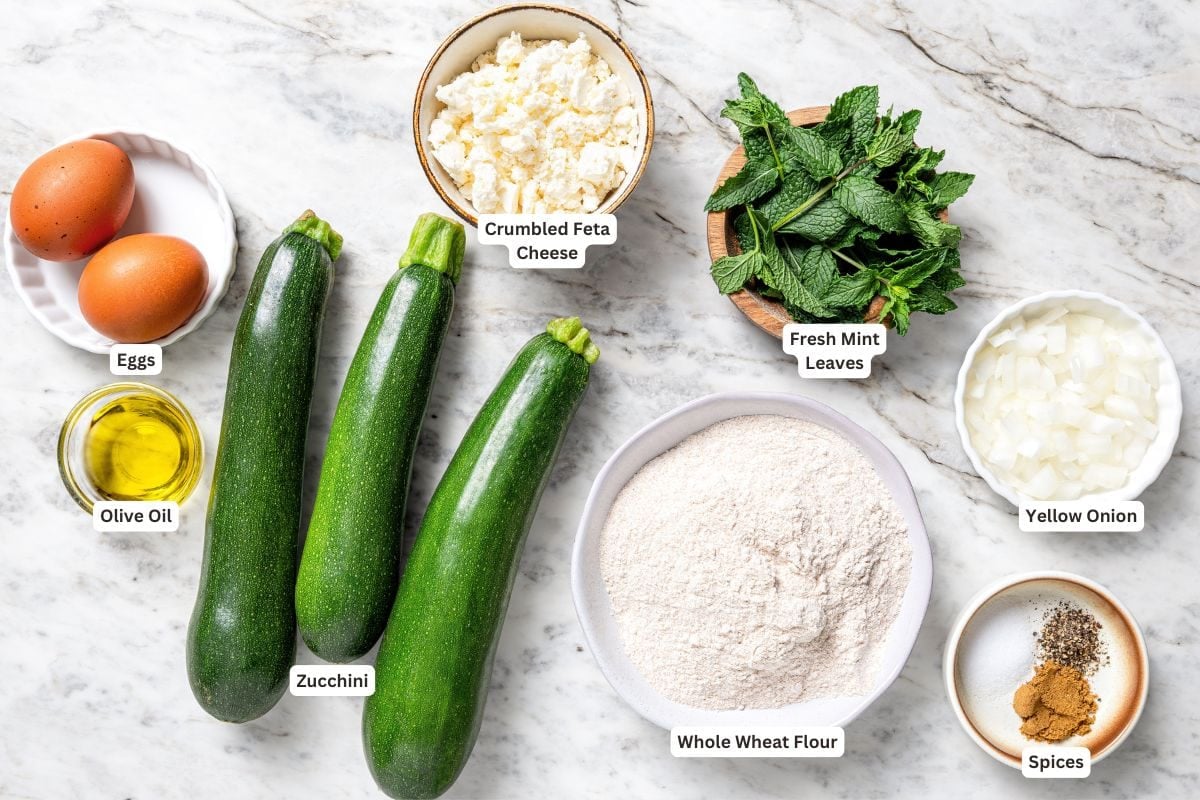
The preparation of these zucchini fritters involves several key steps designed to achieve a desirable texture and flavor. While specific ingredient quantities are detailed in the recipe card, the general process typically includes:
- Zucchini Preparation: Fresh zucchini is grated and then crucial step involves squeezing out excess moisture. This is vital to prevent the fritters from becoming soggy and to ensure they crisp up during cooking. The presence of excess water can dilute the flavors and hinder the development of a desirable texture.
- Ingredient Combination: The grated zucchini is then combined with other ingredients. These typically include a binder like flour or a flour alternative, eggs, seasonings, and the star flavor components: crumbled feta cheese and finely chopped fresh mint. Cumin is also mentioned as a flavoring agent, adding an earthy warmth that complements the other ingredients.
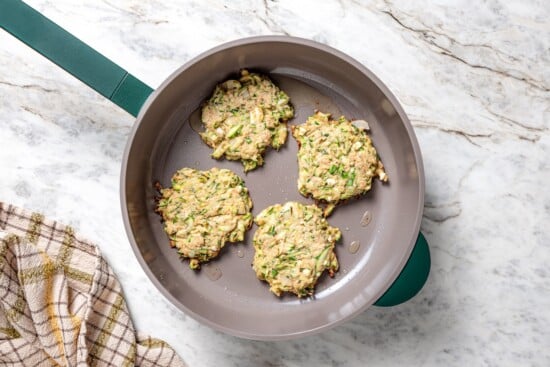
- Frying: The mixture is then formed into small patties and pan-fried in a moderate amount of oil until golden brown and crispy on both sides. The choice of cooking oil can impact the nutritional profile and flavor; olive oil or a neutral vegetable oil are common choices. The frying process requires attention to heat management to ensure the fritters cook through without burning.
The recipe card indicates a preparation time of 15 minutes and a cooking time of 15 minutes, resulting in a total preparation time of 30 minutes. This efficiency makes it an attractive option for busy individuals or families seeking a quick yet flavorful dish. The yield of 8 servings, with two fritters per serving, suggests it can cater to a small gathering or provide leftovers.
Storage and Reheating Recommendations
For optimal quality, the article suggests storage and reheating guidelines. Properly stored, the fritters can maintain their appeal. Refrigeration is the standard method for short-term storage, with advice typically given to store them in an airtight container to prevent them from drying out or absorbing odors. Reheating methods often aim to restore crispness. Options commonly include:
- Oven or Toaster Oven: Reheating at a moderate temperature (e.g., 350°F or 175°C) on a baking sheet can help crisp them up.
- Skillet: A brief pan-fry in a lightly oiled skillet can also revive their texture.
- Air Fryer: An air fryer can be an effective tool for reheating fritters, providing a quick and efficient way to achieve crispiness.
The article implicitly acknowledges the importance of food safety and quality maintenance by providing these recommendations, enabling consumers to enjoy the dish beyond its initial preparation.
Broader Implications and Culinary Trends
The popularity of recipes like these zucchini fritters reflects several ongoing trends in the food landscape. Firstly, the "garden-to-table" movement, where home gardeners are encouraged to utilize their produce, is gaining traction. Zucchini’s prolific nature makes it a prime candidate for such culinary exploration. Secondly, the demand for healthy, flavorful, and globally-inspired dishes continues to rise. The Mediterranean diet, in particular, has been lauded for its health benefits and delicious flavors, making recipes incorporating its elements highly sought after.
Furthermore, the emphasis on budget-friendly yet wholesome meals is a perennial concern for consumers. Recipes that leverage inexpensive, seasonal ingredients and offer versatility in how they can be served address this need effectively. The success of platforms like Skinnytaste.com, which focus on delivering nutritious and accessible recipes, underscores the significant market for this type of culinary content. The inclusion of author notes, personal anecdotes, and detailed nutritional information further builds trust and engagement with the audience, transforming a simple recipe into a richer content experience. The invitation for user feedback, encouraging ratings and comments, fosters a community around the shared experience of cooking and enjoying these dishes, reinforcing the iterative and collaborative nature of modern recipe development and dissemination.