The Irresistible Crunch of Grain-Free Granola: A Culinary Innovation for Health-Conscious Consumers

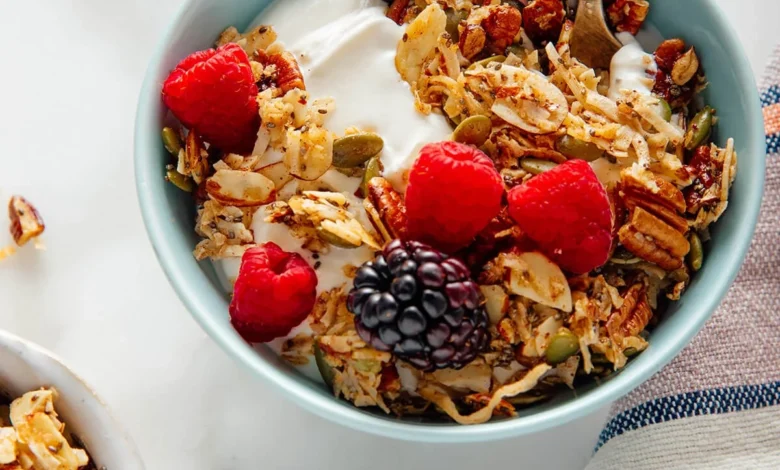
The culinary landscape is continuously evolving, with a growing demand for food options that cater to diverse dietary needs and preferences. Among these innovations, grain-free granola has emerged as a significant trend, offering a satisfyingly crunchy alternative for those seeking to reduce their grain intake. This article delves into the origins, appeal, and versatility of grain-free granola, highlighting its rise in popularity and its potential to reshape breakfast and snack routines.
The Genesis of Grain-Free Granola
The concept of grain-free granola, while seemingly counterintuitive given granola’s traditional oat-based foundation, has gained traction as consumers increasingly explore alternative dietary approaches. The original inspiration for many grain-free granola recipes can be traced back to nutritional experts and cookbook authors who aim to provide wholesome options for a wider audience.
One notable proponent of this culinary shift is Lily Nichols, a registered dietitian and author of the influential book "Real Food for Pregnancy." Nichols’ work often emphasizes nutrient-dense, whole-food ingredients, and her recipes, including a foundational grain-free granola, have inspired many home cooks and food bloggers. The adaptation of her work by individuals like Kathryne Taylor, the creator of the popular food blog Cookie and Kate, has further amplified its reach. Taylor’s personal experience, including managing blood sugar during pregnancy, underscores the practical application and health benefits that grain-free granola can offer. Her adaptation of Nichols’ recipe, shared on her blog, showcases a commitment to creating delicious, accessible, and health-conscious food options.
Understanding the Appeal: Beyond the Oats
Traditional granola, a beloved breakfast staple, is typically characterized by its toasted oats, nuts, seeds, and sweeteners, baked to a delightful crispness. However, for individuals managing specific dietary restrictions or health conditions, such as gluten intolerance, celiac disease, or those opting for a lower-carbohydrate lifestyle, oat-based granola can be problematic. This is where grain-free granola steps in, offering a compelling solution.
The appeal of grain-free granola lies in its ability to replicate the beloved texture and flavor profile of traditional granola without relying on grains like oats, wheat, or barley. Instead, it typically features a blend of nuts, seeds, dried fruits, and natural sweeteners, baked to achieve a satisfyingly crunchy consistency. This allows individuals with grain sensitivities or those following grain-free diets, such as paleo or ketogenic lifestyles, to enjoy a familiar and enjoyable breakfast or snack.
Data from market research firms consistently show an upward trend in the sales of gluten-free and alternative-grain products. According to a report by Grand View Research, the global gluten-free products market size was valued at USD 5.5 billion in 2022 and is projected to grow at a compound annual growth rate (CAGR) of 9.8% from 2023 to 2030. This growth is driven by increasing awareness of celiac disease, gluten sensitivity, and the general perception of gluten-free products as healthier. While grain-free is a broader category, this trend indicates a strong consumer appetite for alternatives to traditional grain-based foods.
The Core Ingredients and Culinary Adaptability
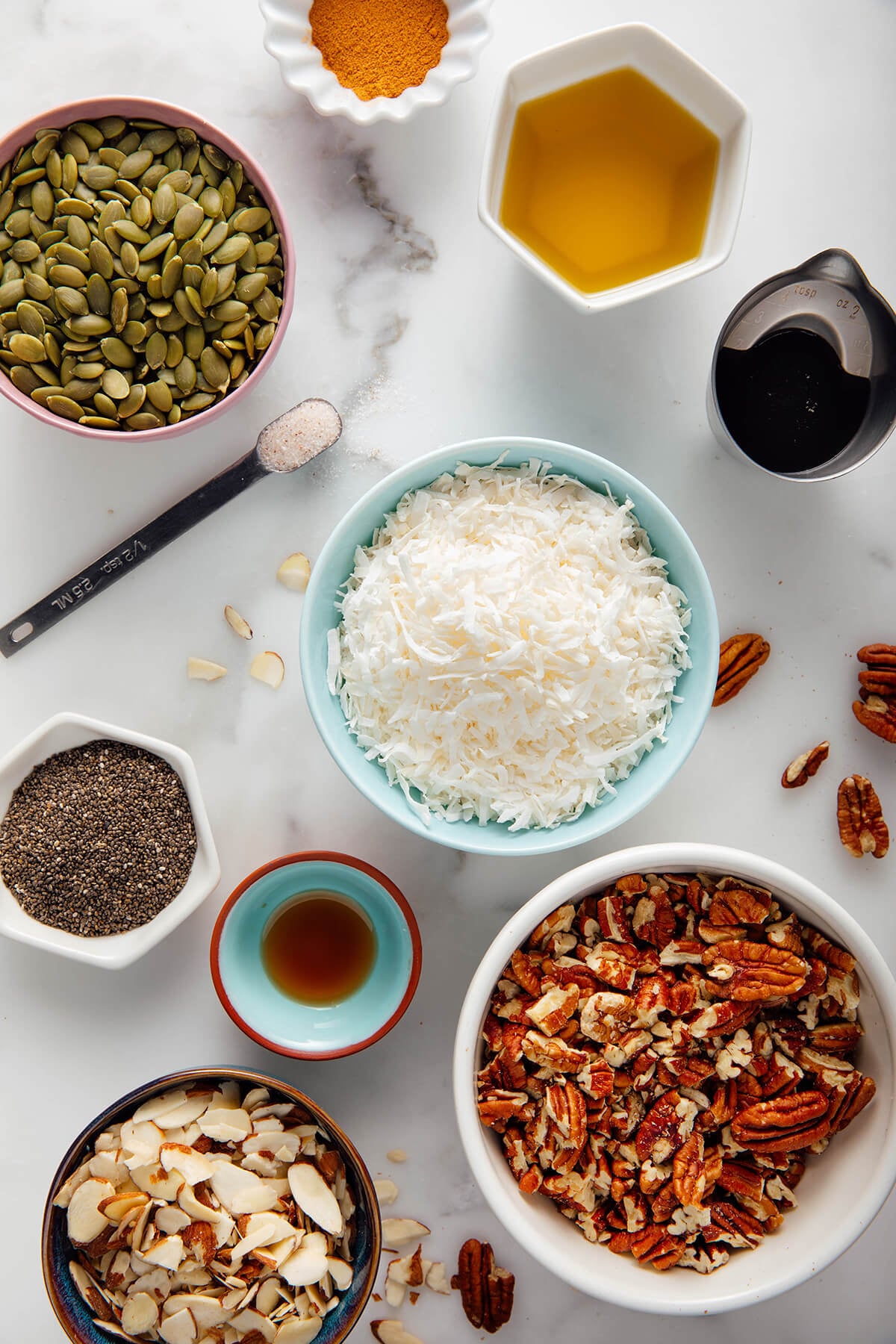
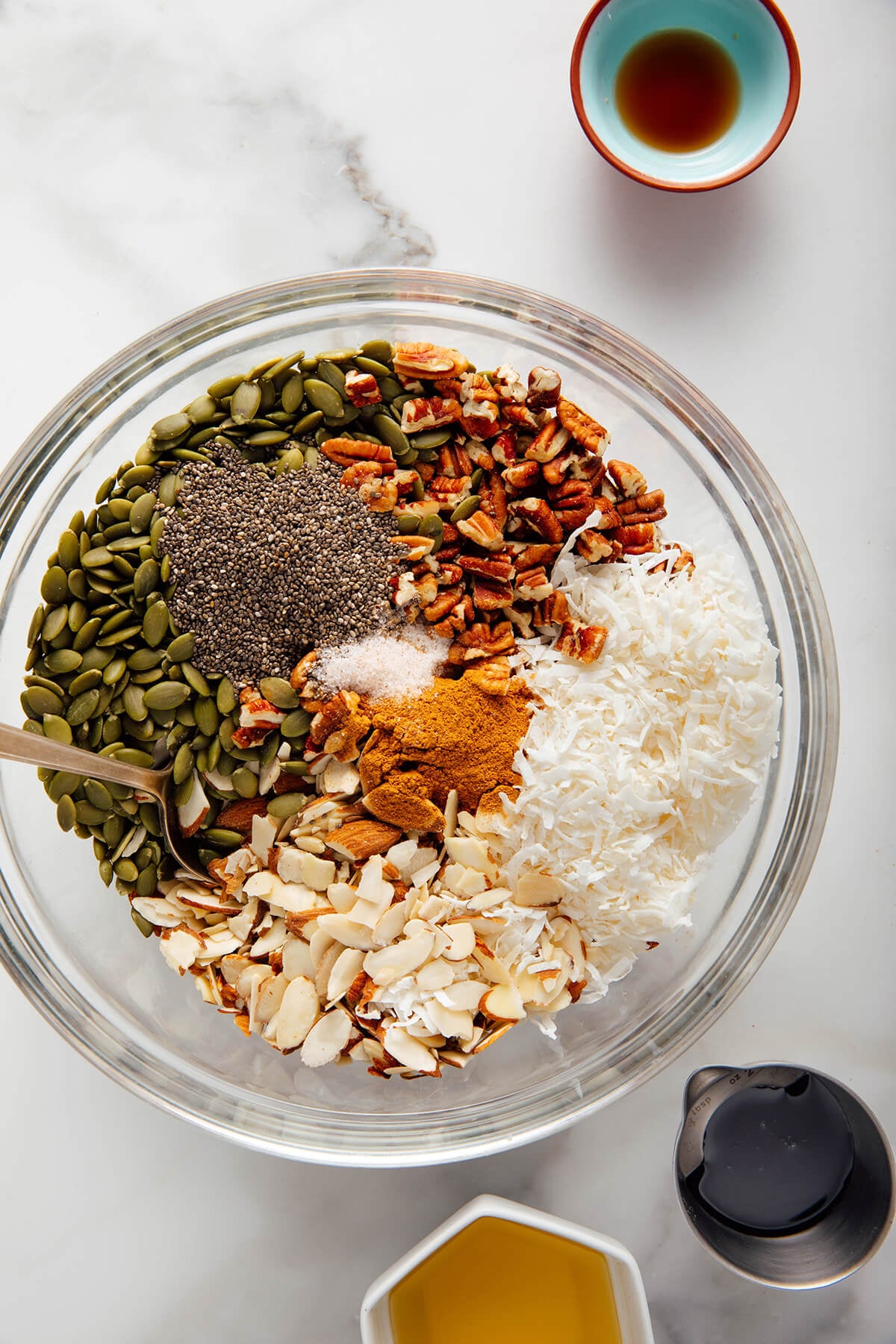
The foundation of grain-free granola typically comprises a medley of nutrient-rich ingredients:
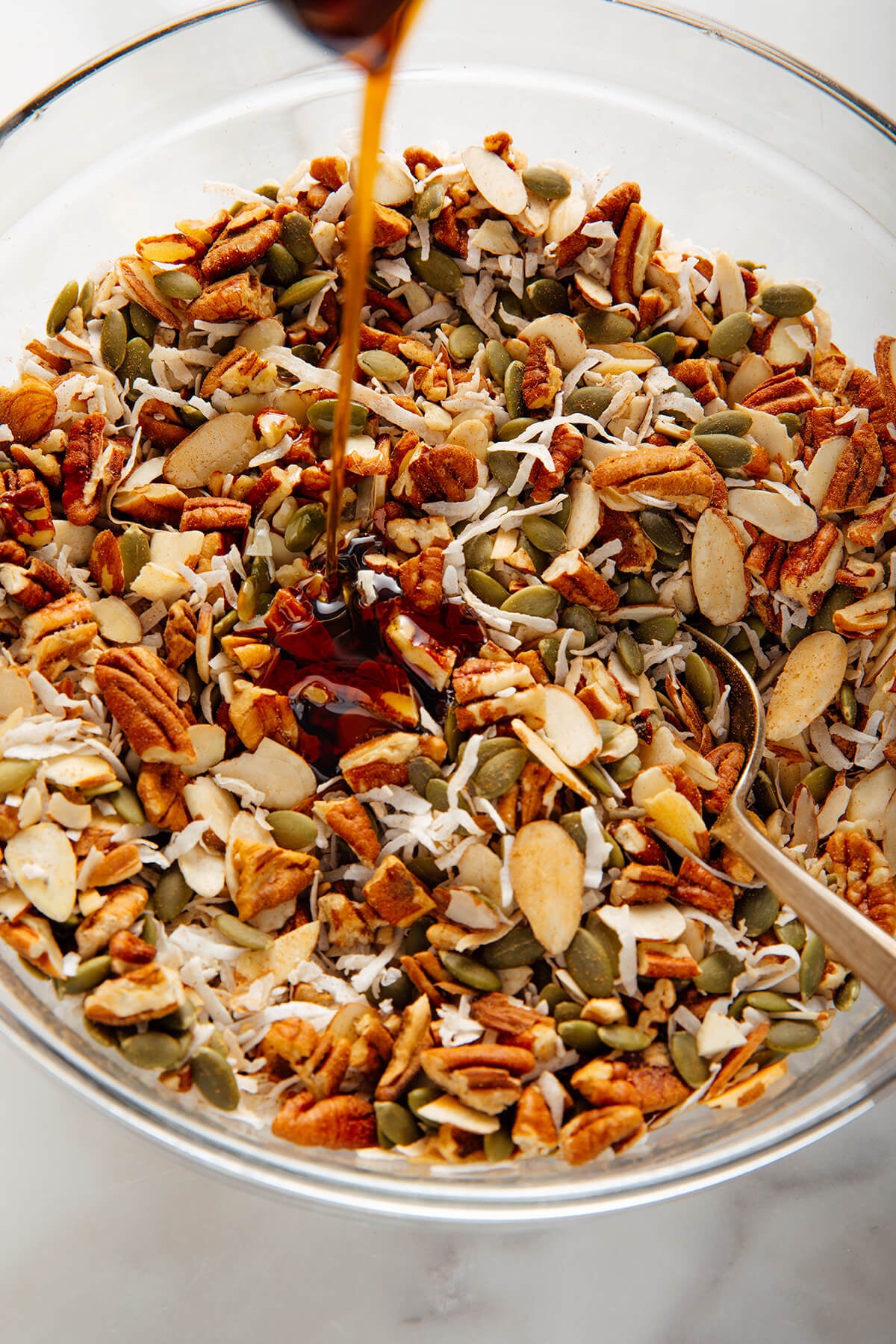
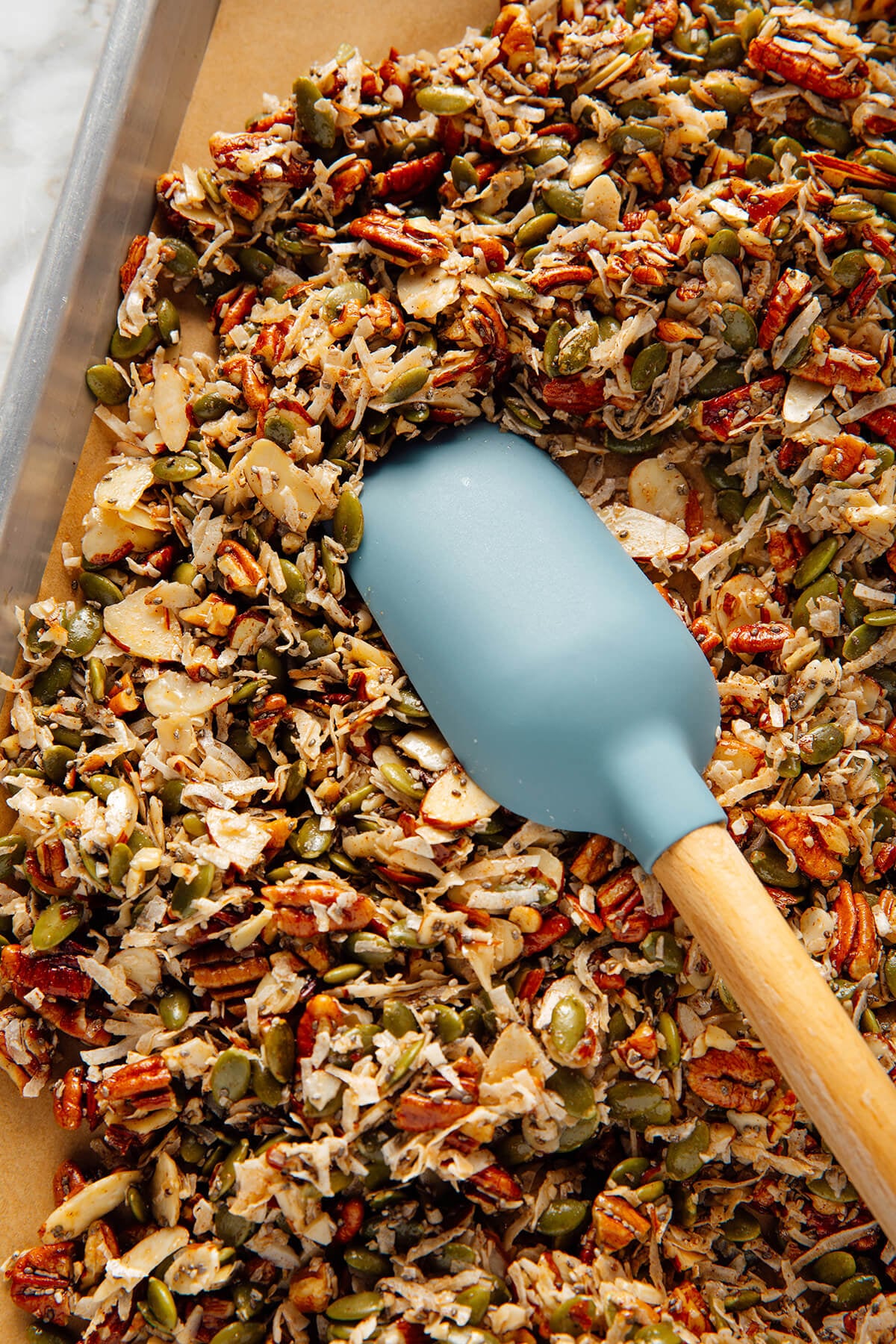
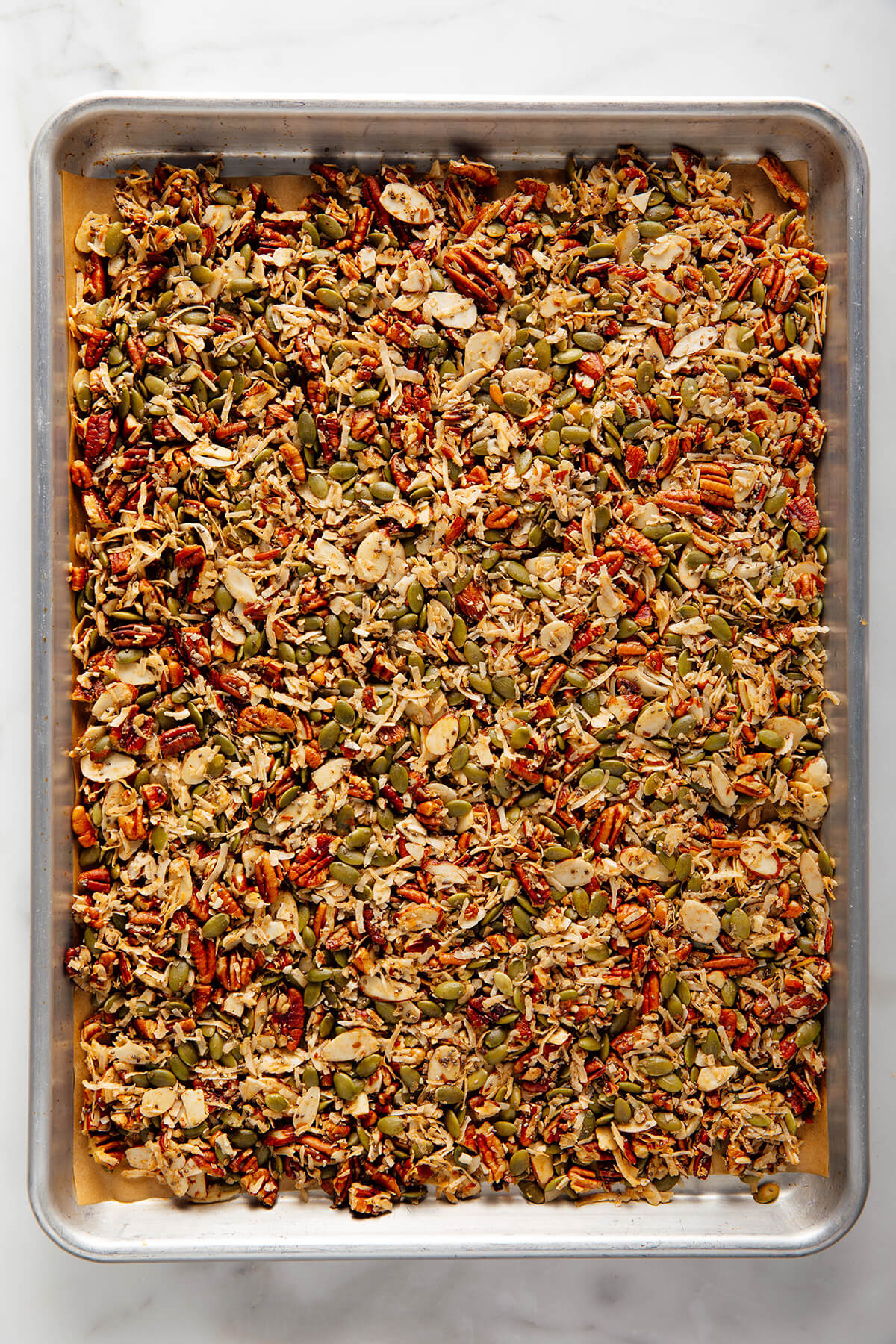
- Nuts: Almonds, pecans, walnuts, and macadamia nuts are common choices, providing healthy fats, protein, and a satisfying crunch. Their varied textures and flavors contribute significantly to the overall taste experience. For instance, sliced almonds offer a delicate crispness, while chopped pecans provide a richer, buttery note.
- Seeds: Pumpkin seeds (pepitas), sunflower seeds, chia seeds, and flax seeds add further nutritional depth, including fiber, omega-3 fatty acids, and essential minerals. Chia and flax seeds, in particular, are often incorporated for their binding properties and subtle textural contribution.
- Coconut: Unsweetened shredded or flaked coconut is a popular addition, lending a tropical flavor and a delightful crispness when toasted. The size of the coconut flakes can influence the final texture, with finely shredded coconut often preferred for a lighter bite.
- Sweeteners: Natural sweeteners such as maple syrup, honey, or date paste are used to bind the ingredients and impart sweetness. The choice of sweetener can influence the flavor profile and dietary suitability. For instance, maple syrup is a popular vegan option, while honey offers its own distinct taste and potential antimicrobial properties.
- Flavorings: Spices like cinnamon, nutmeg, or cardamom, along with extracts like vanilla or almond, are frequently used to enhance the aroma and taste. Cinnamon, a classic granola spice, can be complemented or replaced with other warming spices for seasonal variations.
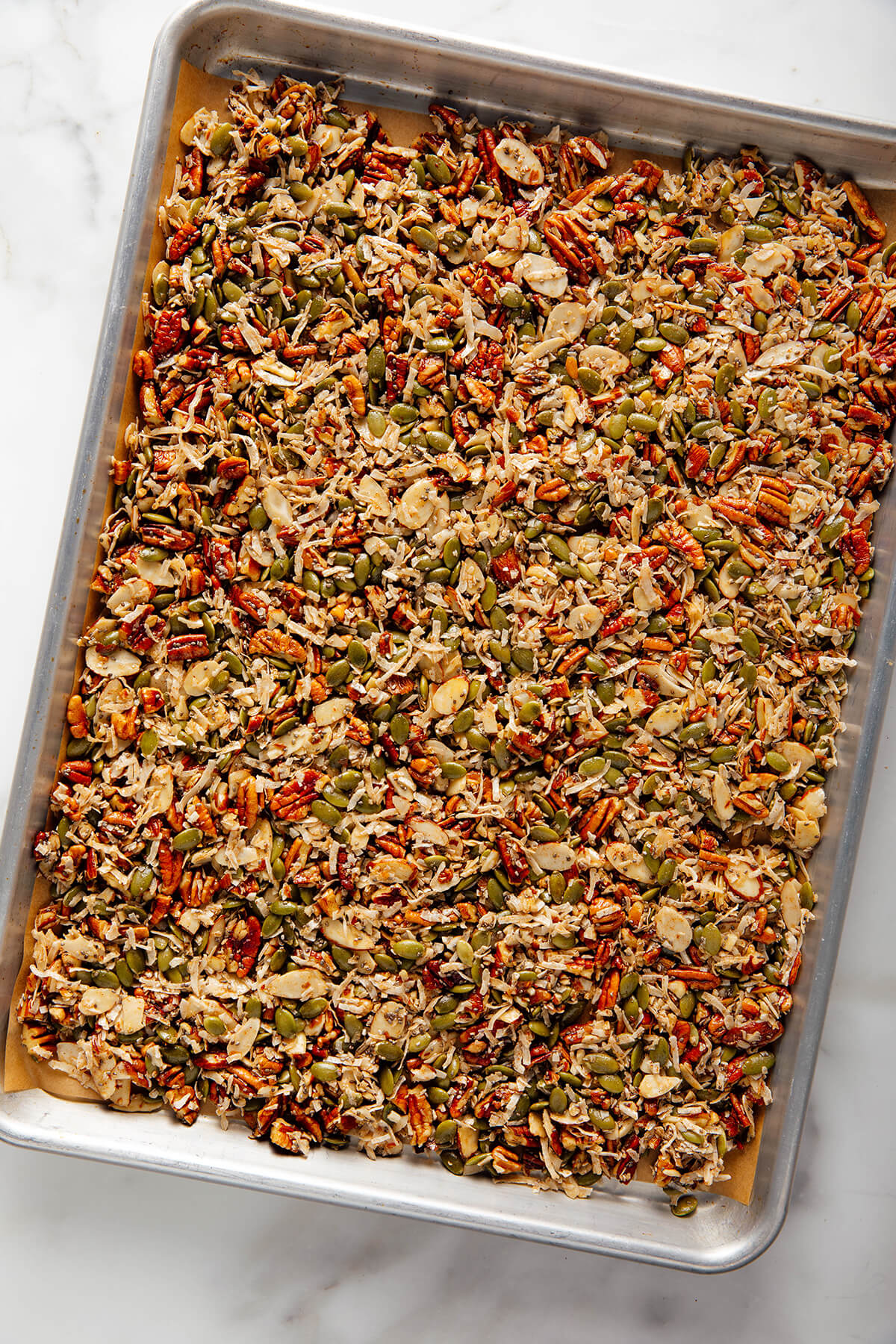
The beauty of grain-free granola lies in its inherent adaptability. Manufacturers and home cooks alike can customize recipes based on ingredient availability, personal preferences, and specific dietary needs. For example, individuals with nut allergies might opt for a nut-free version by substituting nuts with additional seeds like pepitas or sunflower seeds. Similarly, those seeking a lower-sugar option can adjust the amount of sweetener or explore sugar-free alternatives.
Serving Suggestions: Elevating Everyday Meals
Grain-free granola is remarkably versatile, seamlessly integrating into various meals and snacks. Its crunchy texture and rich flavor make it an ideal topping or mix-in for:
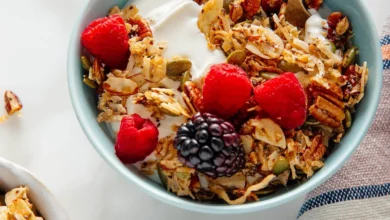
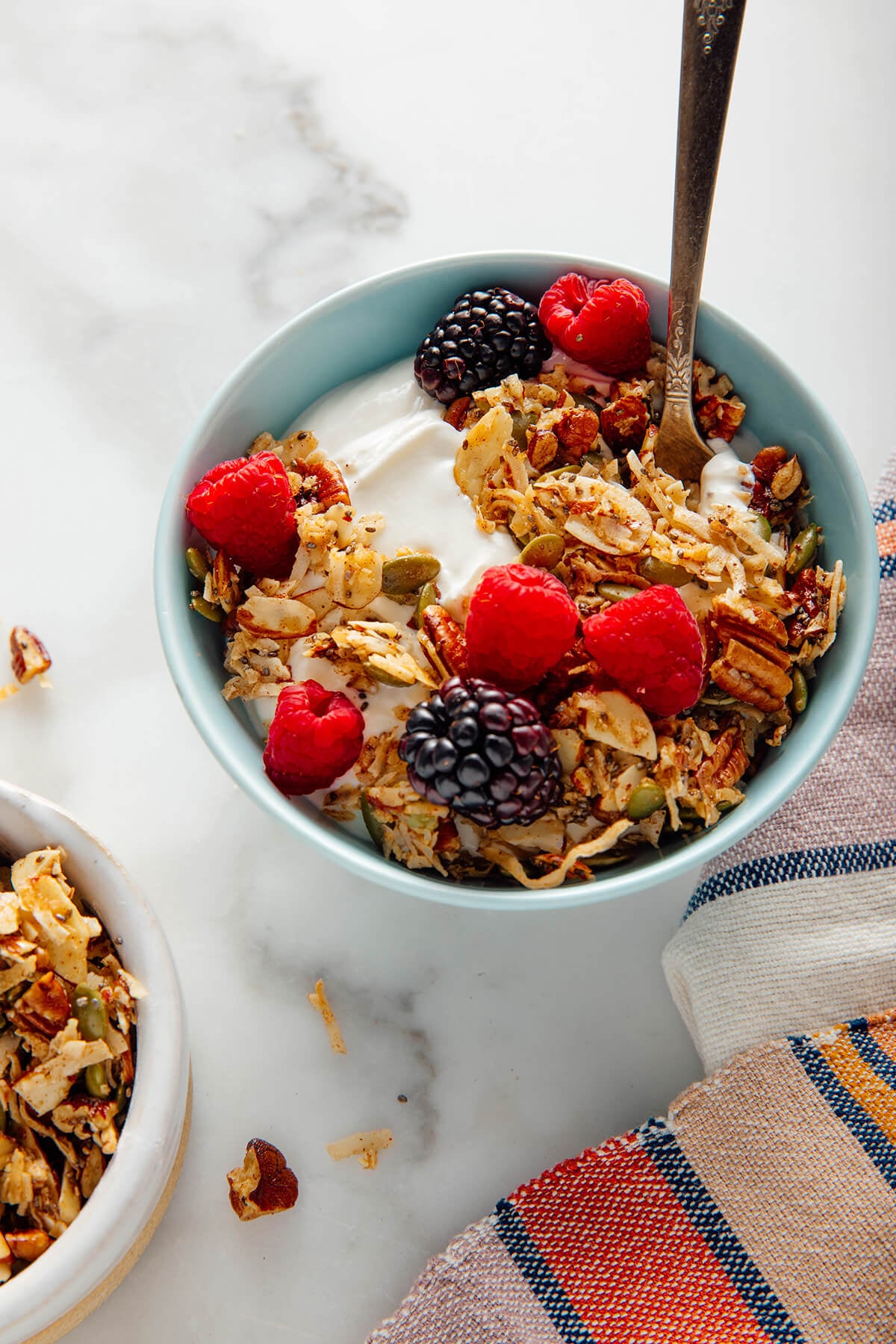
- Yogurt Bowls: A generous sprinkle over Greek yogurt, dairy-free yogurt alternatives, or even skyr adds a delightful contrast in texture and a boost of flavor. This combination is a popular choice for breakfast or a light snack.
- Smoothie Bowls: Grain-free granola provides a satisfying crunch that complements the smooth texture of smoothie bowls, enhancing their appeal and making them more filling.
- Oatmeal and Porridge: While this granola is grain-free itself, it can be used as a topping for traditional oatmeal or other porridges, offering an added layer of texture and flavor complexity.
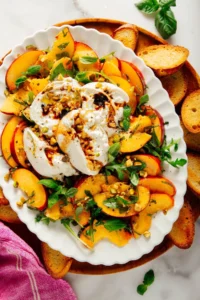
- Salads: For a savory twist, a small amount of grain-free granola can be added to salads, providing a nutty crunch and a hint of sweetness.
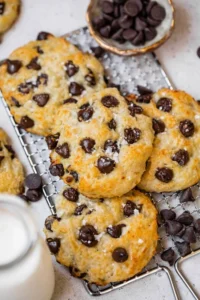
- Baked Goods: It can be incorporated into muffins, cookies, or energy bars to add texture and a nutty dimension.
- Snacking: Simply enjoyed by the handful, grain-free granola serves as a convenient and satisfying snack, offering sustained energy due to its healthy fats and protein content.
Health Implications and Nutritional Considerations
The nutritional profile of grain-free granola can vary significantly based on its ingredients. Generally, it is rich in healthy fats, fiber, and protein, which can contribute to satiety and sustained energy release. The absence of grains can be beneficial for individuals with gluten-related disorders or those seeking to reduce their carbohydrate intake.
However, it is important to note that "grain-free" does not automatically equate to "low-calorie" or "low-sugar." Nuts and seeds are calorie-dense, and the amount of sweetener used can impact the overall sugar content. Therefore, mindful consumption and portion control are advisable, even with a seemingly healthy option.
Nutritional analysis of typical grain-free granola recipes often reveals a higher fat content compared to traditional granola, primarily from nuts and seeds. For instance, a 1/4 cup serving might contain around 150-200 calories, with a significant portion coming from healthy monounsaturated and polyunsaturated fats. Protein content can range from 5-8 grams per serving, while fiber can contribute another 3-5 grams, aiding in digestion and promoting fullness.
The emphasis on whole, unprocessed ingredients in grain-free granola aligns with broader trends in healthy eating, such as the growing interest in plant-based diets and whole-food nutrition. The ability to control the ingredients and sweeteners also appeals to consumers who are increasingly scrutinizing food labels and seeking transparency in their food choices.
Market Trends and Future Outlook
The market for grain-free products, including granola, is expected to continue its upward trajectory. This growth is fueled by several factors:
- Increased Health Awareness: Consumers are more informed about the potential health benefits of reducing grain intake, whether for managing specific conditions or for general well-being.
- Dietary Trends: The popularity of diets like paleo, ketogenic, and whole-30 has significantly contributed to the demand for grain-free alternatives.
- Product Innovation: Food manufacturers are responding to consumer demand by developing a wider array of grain-free products, making them more accessible and appealing.
- Convenience: The demand for convenient, on-the-go food options continues to grow, and pre-packaged grain-free granola fits this niche perfectly.
The culinary exploration of grain-free granola represents a significant innovation in the food industry, driven by consumer demand for healthier, more inclusive, and versatile food options. As dietary landscapes continue to diversify, grain-free granola stands as a testament to the creativity and adaptability of modern cuisine, offering a delicious and satisfying alternative that caters to a growing segment of health-conscious consumers. Its ability to provide the familiar crunch and flavor of traditional granola, while adhering to specific dietary needs, ensures its continued relevance and popularity in kitchens worldwide.