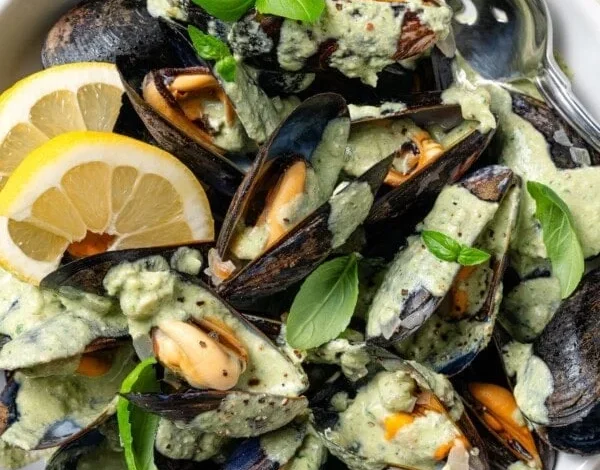
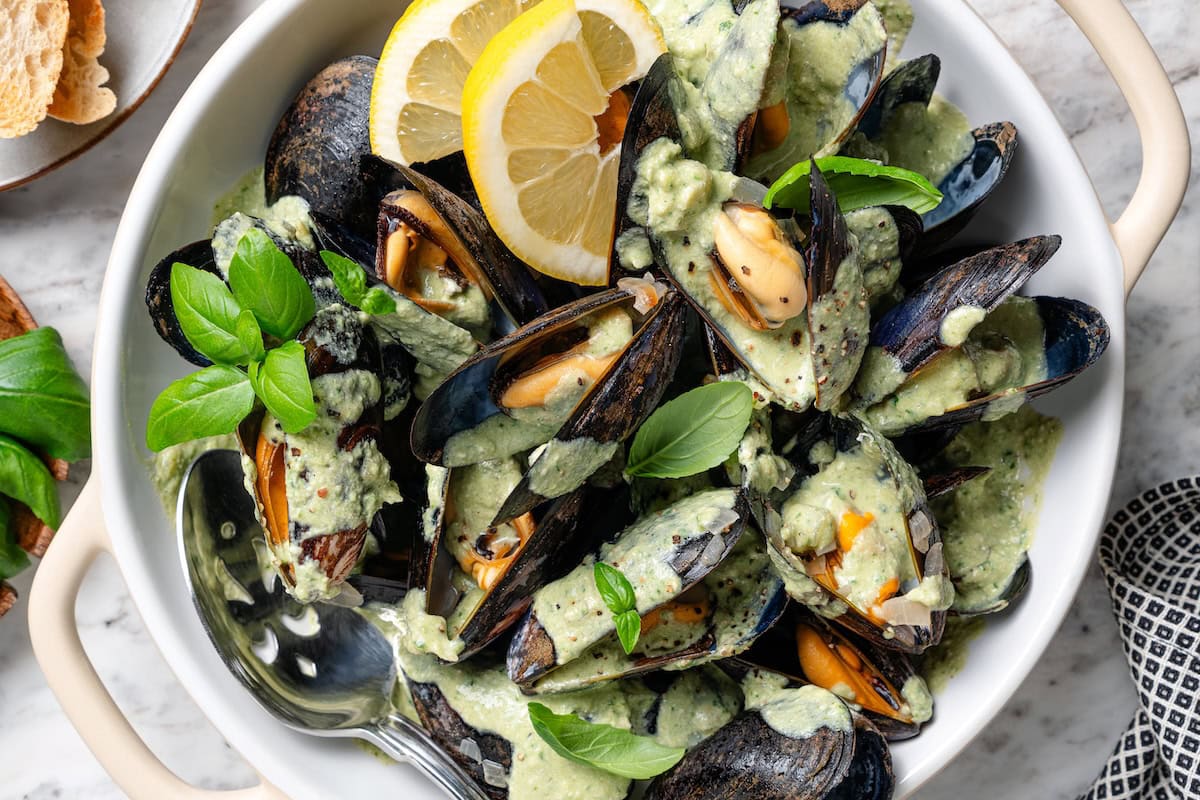
Mussels in cream sauce represent a dish often associated with fine dining establishments, offering an elegant experience that can now be easily replicated in home kitchens. This recipe transforms fresh mussels into a sophisticated meal, perfect for special occasions or a romantic date night in. The process involves steaming mussels in white wine, culminating in a rich, creamy basil sauce that begs to be savored with crusty bread.
The culinary allure of mussels lies in their delicate flavor and tender texture, which are beautifully complemented by a creamy sauce. This particular recipe elevates the classic preparation with the bright, herbaceous notes of fresh basil and the savory depth of Parmesan cheese. While restaurant-quality, the preparation is surprisingly straightforward, making it an ideal choice for home cooks seeking to impress without extensive culinary training. The recipe, as detailed by its creator, emphasizes the quick cooking time of mussels, a key factor in their appeal for both weeknight dinners and more elaborate gatherings.
The Evolution of Home-Cooked Mussels
Historically, the perception of mussels as a restaurant-exclusive dish has limited their widespread adoption in home cooking. However, advancements in food accessibility and a growing interest in home gastronomy have shifted this paradigm. Recipes like this one aim to demystify the preparation of shellfish, empowering individuals to recreate restaurant-quality dishes in their own kitchens. The inspiration behind this specific recipe reportedly stems from a desire to recreate a favorite restaurant dish, but with a lighter, more health-conscious approach. This iterative process of culinary inspiration and adaptation is a common thread in the development of many popular recipes.
The original inspiration for this dish reportedly came from a local Italian restaurant known for its rich mussel preparations. The creator of this recipe sought to capture the essence of that dining experience while reducing the caloric density often associated with such indulgent dishes. This resulted in a refined version that balances indulgence with a more considered nutritional profile. The emphasis on using fresh ingredients and a carefully constructed sauce is central to achieving this balance.
Key Ingredients and Culinary Foundation
The foundation of this exquisite mussel dish rests on a few key components, each contributing to the overall flavor and texture. Fresh mussels are paramount, providing the briny essence of the sea. The steaming liquid, typically dry white wine, infuses the mussels with a subtle acidity and aromatic complexity. This is followed by the creation of a luscious cream sauce, where fresh basil, garlic, and grated Parmesan cheese are expertly blended. A touch of half-and-half lends the sauce its characteristic creaminess without overwhelming the delicate flavors of the mussels.
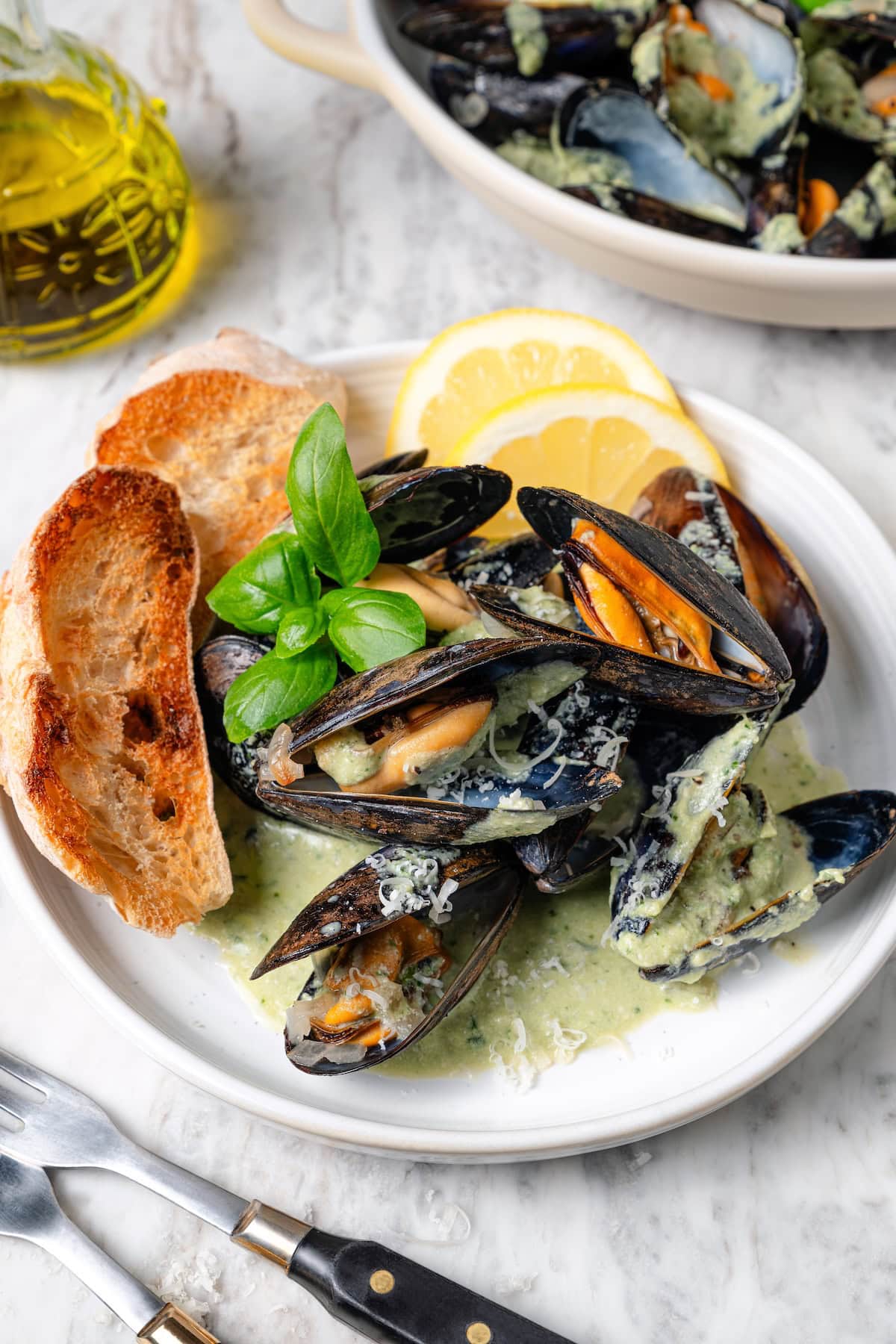
The preparation process is designed for efficiency. Mussels are first cleaned and debearded to ensure they are ready for cooking. They are then steamed in a pot with white wine, aromatics like garlic, and perhaps a touch of butter or olive oil. Once the mussels have opened, indicating they are cooked, the liquid remaining in the pot forms the base for the sauce. Fresh basil is incorporated, often at the end of the cooking process to preserve its vibrant flavor and color. Grated Parmesan cheese is whisked in to create a rich, emulsified sauce, and a final addition of half-and-half enriches the mixture.
Nutritional Considerations and Serving Suggestions
While often perceived as an indulgent dish, this recipe aims for a more balanced approach. A typical serving of 14 mussels, as suggested by the recipe, is estimated to contain approximately 484.5 calories, 40 grams of protein, 26 grams of fat, and 17 grams of carbohydrates. The saturated fat content is noted at 9 grams, with minimal fiber and sugar. These figures highlight the dish’s richness in protein, a key macronutrient, while providing context for its overall nutritional profile.
The culinary experience is not complete without the perfect accompaniment. Crusty bread is frequently recommended, and for good reason. The airy interior and crisp crust of a good baguette or ciabancan are ideal for sopping up every last drop of the flavorful basil cream sauce. This practice not only enhances the dining experience but also ensures no element of the carefully crafted sauce goes to waste.

Preparation Timeline and Efficiency
The recipe’s efficiency is a significant draw for home cooks. With a preparation time of approximately 15 minutes and a cooking time of another 15 minutes, the entire dish can be brought to the table in about 30 minutes. This makes it a viable option for a weeknight meal, despite its elegant presentation. The short cooking time for mussels is a testament to their delicate nature and rapid cooking capabilities.
Timeline of Preparation:
- Initial Preparation (Approx. 15 minutes): This phase involves cleaning and preparing the mussels. This includes rinsing them under cold water, scrubbing away any debris, and removing the "beard" – the tough fibrous strand that protrudes from the shell. Any mussels that are open and do not close when tapped should be discarded, as they are likely not fresh.
- Steaming the Mussels (Approx. 5-7 minutes): Mussels are typically steamed in a pot with a liquid base, such as white wine and aromatics. The pot is covered, and the mussels are cooked until they open. This process is quick, with most mussels opening within a few minutes.
- Sauce Creation (Approx. 8-10 minutes): While the mussels are steaming, or immediately after they are removed, the sauce is prepared. This involves sautéing aromatics like garlic, deglazing the pan with the steaming liquid, and then incorporating the creamy elements and fresh basil. The addition of Parmesan cheese helps to thicken and emulsify the sauce.
- Combining and Finishing: The cooked mussels are then returned to the pot with the sauce, allowing them to heat through and absorb the flavors.
This streamlined process underscores the accessibility of this dish, making it a practical choice for busy individuals or those seeking a quick yet impressive meal.

Storage and Reheating Protocols
For optimal enjoyment, mussels are best consumed fresh. However, if there are leftovers, proper storage and reheating are crucial to maintain quality and safety. Cooked mussels should be cooled completely and stored in an airtight container in the refrigerator. They are typically best consumed within one to two days of preparation.
When reheating, it’s important to do so gently to avoid overcooking the mussels, which can lead to a rubbery texture. Reheating can be done on the stovetop over low heat, or in a microwave at a lower power setting. Adding a splash of water or broth can help to reconstitute the sauce and prevent it from drying out. It is generally not recommended to refreeze cooked mussels.
Broader Culinary Context and Analysis
The enduring popularity of mussel dishes across various cuisines speaks to their versatility and inherent appeal. From the classic Belgian moules-frites to Italian impepata di cozze (peppered mussels), this shellfish has a rich culinary history. This particular recipe, with its basil cream sauce, offers a modern interpretation that bridges classic French techniques with Mediterranean flavors.
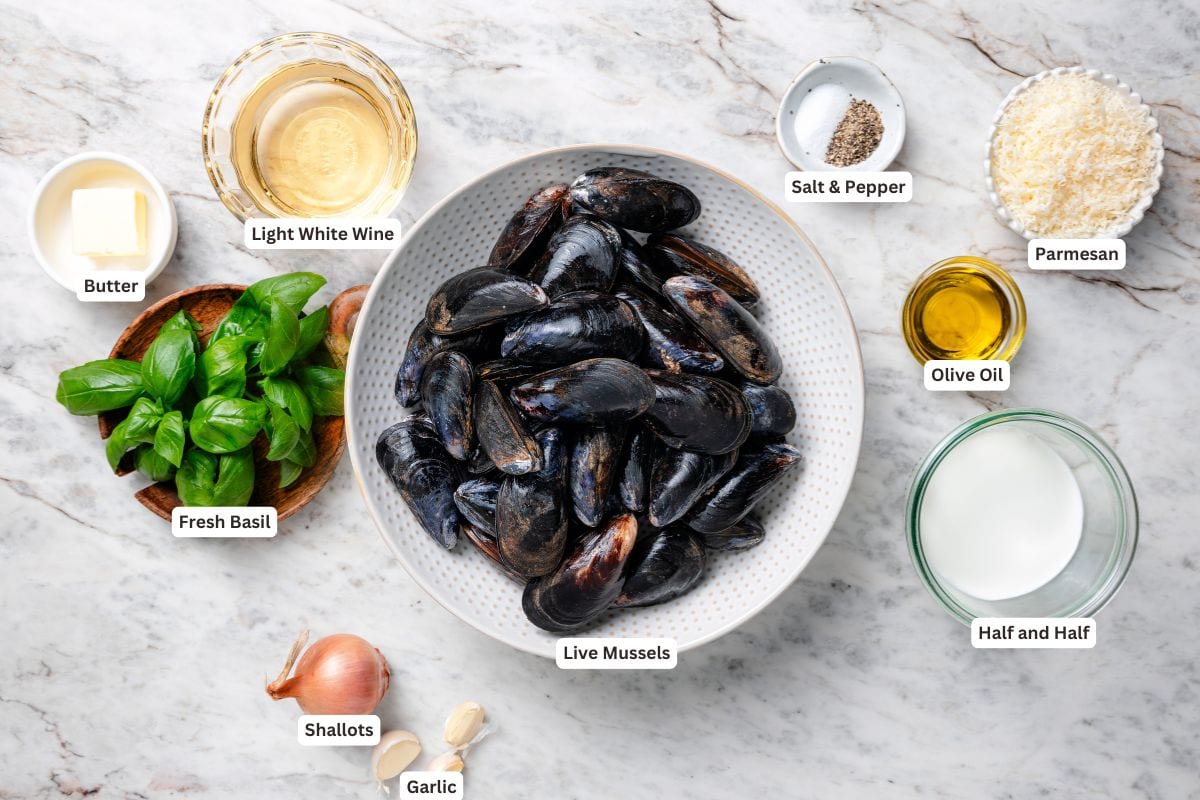
The inclusion of data points, such as the nutritional information and preparation times, provides a factual basis for understanding the dish’s characteristics. This objective approach allows consumers to make informed decisions about incorporating the recipe into their dietary plans. The emphasis on fresh ingredients and a relatively quick cooking time aligns with contemporary culinary trends that favor both flavor and efficiency.
The creator’s personal anecdote about adapting a restaurant favorite into a lighter home-cooked version highlights a significant aspect of modern recipe development. This process often involves culinary experimentation and a focus on achieving a desired flavor profile while being mindful of nutritional content. This iterative approach to recipe creation is a hallmark of successful food bloggers and culinary influencers.
Expert Insights and Culinary Recommendations
While the recipe itself provides detailed instructions, further insights from culinary experts can enhance the home cook’s experience. When selecting mussels, look for plump, firm shells that are tightly closed. A faint smell of the sea is desirable; any strong, unpleasant odor indicates spoilage. Thoroughly cleaning the mussels is essential to remove any grit or sand that could detract from the dining experience.

The choice of white wine can also impact the final flavor. A dry, crisp white wine such as Sauvignon Blanc or Pinot Grigio is generally recommended, as it will complement the seafood without adding excessive sweetness. For those who prefer not to use alcohol, a good quality chicken or vegetable broth can be substituted, though it will alter the flavor profile slightly.
The inclusion of fresh basil is crucial for its aromatic qualities. It’s best to add basil towards the end of the cooking process to retain its vibrant flavor and color. Freshly grated Parmesan cheese will yield a superior sauce compared to pre-grated varieties, which can sometimes contain anti-caking agents that affect emulsification.
Conclusion: A Dish of Elegance and Accessibility
Mussels in basil cream sauce stand as a testament to the fact that elegant dining experiences are not confined to restaurant settings. This recipe, with its straightforward approach and flavorful outcome, empowers home cooks to create a dish that is both sophisticated and satisfying. The combination of tender mussels, aromatic white wine, and a luscious basil-Parmesan cream sauce makes for a memorable culinary adventure, best enjoyed with a generous portion of crusty bread for sopping up every delectable morsel. The recipe’s balance of flavor, ease of preparation, and relatively healthful profile solidifies its place as a valuable addition to any home cook’s repertoire.