The global health and wellness industry stands at an unprecedented juncture, characterized by rapid innovation and a consumer base increasingly discerning about the efficacy and integrity of products. Valued at trillions of dollars and projected for continued robust growth, this expansive market encompasses everything from advanced nutritional supplements and high-tech recovery devices to sophisticated wearable technology and evolving dietary philosophies. Navigating this dense landscape, where new offerings emerge weekly promising transformative results, presents a significant challenge for both seasoned athletes and everyday individuals striving for optimal well-being. It is within this dynamic environment that a rigorous evaluation becomes indispensable to distinguish genuine breakthroughs from fleeting trends.
Against this backdrop, an esteemed panel of industry experts, through a meticulous process of testing, analysis, and consultation, has identified a select group of brands that consistently surpass conventional benchmarks. These companies are not merely introducing new products; they are actively redefining standards across critical domains such as peak performance, accelerated recovery, long-term longevity, and holistic well-being. Their commitment to innovation, scientific backing, and user-centric design has earned them a coveted place on this year’s Editor’s Choice list, serving as a beacon for consumers seeking reliable and impactful solutions in their wellness journeys.
Criteria for Excellence: How the Editor’s Choice Selections Were Made
The selection process for the Editor’s Choice list is comprehensive, reflecting a commitment to journalistic integrity and practical utility. Products undergo rigorous evaluation based on several key criteria: innovation, scientific validation, user experience, quality of ingredients/materials, sustainability practices (where applicable), and overall value proposition. Experts engage in hands-on testing, scrutinize ingredient lists, review scientific studies, and consider feedback from a diverse range of users, including professional athletes and daily fitness enthusiasts. The aim is to identify products that not only deliver on their promises but also represent a significant step forward in their respective categories, demonstrating a clear understanding of evolving consumer needs and scientific advancements. This meticulous approach ensures that only those brands truly setting new industry benchmarks are highlighted.
Unveiling the Innovations: The 2024 Editor’s Choice Selections
The following products have been recognized for their outstanding contributions to the health and wellness sphere, showcasing excellence in design, functionality, and impact.
1. ALLSWIFT – Slip-On Stability Sneakers: Foundation for Functional Fitness
In the diverse world of athletic footwear, the distinction between running shoes, cross-trainers, and specialized lifting shoes often blurs. However, ALLSWIFT’s latest Slip-On Stability Sneakers carve a distinct niche, specifically engineered to meet the nuanced demands of strength training and gym-based workouts. Recognizing that not every exercise regimen necessitates the plush, energy-returning bounce of a dedicated running shoe, ALLSWIFT has prioritized stability and controlled movement, critical elements for effective and injury-preventative weightlifting, plyometrics, and functional training.
These sneakers feature a sophisticated dual-density cushioning system that provides a strategic balance of comfort and firm support. This innovative design absorbs impact effectively during dynamic movements like box jumps or burpees, yet crucially maintains a stable platform essential for heavy squats, deadlifts, and lunges, where a wobbly base can compromise form and increase injury risk. The integrated stability features work synergistically with targeted arch support, catering to the biomechanical needs of various foot types and ensuring sustained comfort throughout prolonged training sessions. Furthermore, the breathable upper material prevents overheating, a common discomfort in intense workouts, while the meticulously engineered outsole delivers reliable, multi-directional traction, allowing for confident pivots and powerful lifts. The slip-on design enhances convenience, making them an ideal choice for individuals seeking efficiency without sacrificing performance. ALLSWIFT’s offering underscores a growing trend towards specialized footwear that acknowledges the varied requirements of a comprehensive fitness routine, moving beyond generic solutions to provide purpose-built tools for optimized performance.
2. Cellev8 – Prime Recovery Gummies: Elevating Post-Workout Regeneration
The paradigm of athletic achievement has fundamentally shifted, with recovery now universally acknowledged as an equally vital component to training itself. The adage "you don’t grow in the gym, you grow out of it" resonates deeply within the fitness community, emphasizing that optimal gains in muscle, strength, and endurance are forged during periods of rest and regeneration. Cellev8 Prime Recovery Gummies exemplify this understanding, transforming a often-overlooked aspect of wellness into an accessible and enjoyable daily ritual.
These convenient, great-tasting gummies are more than just a pleasant treat; they represent a scientifically formulated approach to post-exercise repair and systemic support. At their core is EXTRAMEL Superoxide Dismutase (SOD), a powerful primary antioxidant derived from a specific variety of cantaloupe melon, known for its exceptional ability to combat oxidative stress – a key contributor to muscle fatigue and cellular damage after intense physical activity. Complementing SOD are well-researched ingredients such as tart cherry, celebrated for its anti-inflammatory properties and role in reducing muscle soreness; resveratrol, a potent polyphenol linked to cellular health and recovery; pomegranate, rich in antioxidants; and D-ribose, a naturally occurring sugar vital for ATP (energy) production and cellular repair. The NSF Certified for Sport® accreditation further elevates Cellev8’s standing, assuring athletes and consumers of its purity, potency, and absence of banned substances, a crucial consideration in competitive environments. By making recovery both palatable and evidence-based, Cellev8 addresses the growing consumer demand for efficacious, convenient, and trustworthy nutritional supplements that seamlessly integrate into active lifestyles, helping individuals bounce back stronger and faster.
3. ViVi Youth – Calcium Supplement for Women: Fortifying Female Longevity
As women progress through different life stages, their physiological needs, particularly concerning bone health, undergo significant evolution. Maintaining robust bone density is not merely a concern for later life; it is a foundational aspect of long-term wellness, directly impacting mobility, strength, and independence. ViVi Youth Calcium Supplement for Women addresses this critical area with a targeted, science-focused formulation designed to proactively support daily bone health and mitigate the risks associated with age-related bone loss.
This supplement goes beyond a simple calcium dose, recognizing that the body’s ability to absorb and utilize calcium is dependent on a synergistic interplay of other vital nutrients. It features calcium alongside key cofactors: Vitamin D3, essential for facilitating calcium absorption in the gut, and Vitamin K2, crucial for directing calcium to the bones and teeth while preventing its deposition in arteries. This comprehensive approach ensures that the ingested calcium is effectively integrated into the skeletal system. In an era where dietary gaps are common, ViVi Youth offers a convenient and reliable means to supplement these essential minerals, helping women meet their daily nutritional requirements for skeletal maintenance. Whether an individual is an active fitness enthusiast seeking to preserve bone integrity under load, someone focusing on proactive longevity, or navigating the hormonal shifts that impact bone density, ViVi Youth provides an accessible solution. This product highlights a broader market trend towards gender-specific nutritional solutions that acknowledge the unique biological requirements of different demographics, empowering women to build and maintain a strong foundation for a healthy, active future.
4. Beonixe – Energy Honey Bundle: Nature’s Fuel for Peak Performance
The quest for clean, sustainable energy has become a cornerstone of modern athletic and active lifestyles. While synthetic pre-workouts and energy drinks saturate the market, a growing segment of consumers is gravitating towards natural, unadulterated fuel sources that align with a holistic approach to nutrition. Beonixe Energy Honey Bundle emerges as a standout in this category, offering a simple yet profoundly effective approach to performance nutrition rooted in nature’s original energy source: raw honey.
This innovative bundle is designed for individuals whose training demands sustained output without the typical energy crashes associated with artificial stimulants. Raw honey provides a readily available source of fast-digesting carbohydrates, essential for fueling muscles during prolonged exercise and replenishing glycogen stores post-workout. Crucially, Beonixe fortifies this natural energy with a balanced blend of electrolytes, including sodium, potassium, and magnesium. These minerals are vital for maintaining hydration, regulating nerve and muscle function, and preventing cramps – all critical factors for optimal performance during intense physical activity or extended periods of exertion. The absence of artificial ingredients, colors, or preservatives aligns with the clean eating movement, appealing to athletes who prioritize transparency and naturalness in their fuel. Presented in a convenient squeeze-and-go format, the Energy Honey Bundle seamlessly integrates into any training routine, whether for a mid-marathon boost, a rigorous gym session, or simply to combat fatigue during a demanding day. Beonixe’s success lies in its ability to harness the inherent power of natural ingredients, delivering a performance fuel that is both effective and wholesome, embodying the philosophy that the best fuel often comes directly from the earth.
5. Bombas – Men’s Running Ankle Socks: The Unsung Hero of Athletic Comfort
Often underestimated, the humble sock plays a disproportionately significant role in athletic performance and overall comfort. For runners, lifters, and anyone engaged in extended physical activity, subpar socks can lead to blisters, discomfort, and a premature end to a workout. Bombas Men’s Running Ankle Socks address these critical pain points with a design philosophy centered on lightweight comfort and performance-driven features, solidifying their status as an essential piece of athletic gear.
These socks are crafted from advanced sweat-wicking materials that actively draw moisture away from the skin, a fundamental feature for preventing chafing and maintaining a dry, comfortable environment for the feet, even during the most strenuous workouts. Strategic targeted cushioning in the heel and toe provides essential impact absorption where it’s needed most, reducing pressure points and enhancing overall comfort during repetitive movements like running or heavy lifting. Beyond cushioning, Bombas integrates thoughtful arch support, which helps stabilize the foot and provides a snug, supportive fit that can reduce fatigue and prevent slippage within the shoe. Breathable ventilation zones are incorporated to promote airflow, further aiding in temperature regulation. The seamless toe design eliminates irritating seams that can cause blisters, a common woe for active individuals. Furthermore, the secure fit ensures the socks stay precisely in place through every stride, eliminating distractions and allowing athletes to focus entirely on their performance. Bombas’ recognition underscores a growing consumer appreciation for high-quality, technically advanced apparel, proving that even seemingly simple items like socks can deliver a significant performance upgrade to any training routine.
6. WMP Eyewear – Caddie Polarized: Visionary Protection for Active Lifestyles
Whether one is meticulously tracking a golf ball’s flight, navigating a challenging hiking trail, or simply enjoying a sunny day outdoors, superior vision and eye protection are paramount. WMP Eyewear’s Caddie Polarized Sunglasses masterfully blend classic aesthetic appeal with cutting-edge performance features, offering a sophisticated accessory that enhances both visual clarity and personal style.
The core of the Caddie’s appeal lies in its high-quality polarized lenses. These lenses are specifically engineered to significantly reduce glare from reflective surfaces like water, asphalt, or sand, thereby improving visual comfort and reducing eye strain – a crucial benefit for athletes and outdoor enthusiasts. Beyond glare reduction, the lenses provide 100% UVA/UVB protection, safeguarding the eyes from the damaging effects of the sun’s ultraviolet rays, which can contribute to long-term ocular health issues. The frame, constructed from a lightweight combination of acetate and TR90, ensures durability without compromising on comfort, making the Caddie suitable for all-day wear. Non-slip nose pads are a practical addition, guaranteeing a secure fit even during active movements or in humid conditions, preventing the glasses from sliding down. The timeless round silhouette of the Caddie model offers versatile style, suitable for a wide array of occasions, from the golf course to casual social settings. Enhanced with ClearVue anti-reflective and smudge-resistant lens technology, these sunglasses not only offer superior optical performance but also maintain their pristine clarity with minimal effort. WMP Eyewear’s Caddie Polarized Sunglasses represent a thoughtful fusion of fashion and function, providing essential protection and clarity for life’s many adventures.
7. Sol de Janeiro x Bala Bangles: Blending Style and Substance in Fitness
The convergence of fashion and fitness has become an undeniable force in the wellness industry, with consumers increasingly demanding gear that performs exceptionally while also reflecting their personal style. The limited-edition Sol de Janeiro x Bala Bangles perfectly embody this trend, injecting a vibrant and playful energy into the often-utilitarian world of strength training accessories.
This collaboration marries the instantly recognizable, effervescent aesthetic of Sol de Janeiro – known for its bright colors and joyful branding – with Bala’s innovative approach to wearable weights. The result is a fitness accessory that is as visually striking as it is functionally effective. Bala Bangles, inherently designed as stylish wrist and ankle weights, add a subtle yet impactful layer of resistance to everyday movements, transforming mundane tasks or light workouts into more challenging, muscle-engaging activities. They are ideal for walks, yoga, Pilates, or simply enhancing the intensity of household chores. The lightweight and comfortable design ensures that they can be worn for extended periods without discomfort, making them a seamless addition to any outfit or activity. This partnership highlights a significant shift in consumer expectations: fitness equipment is no longer confined to the gym or relegated to basic, uninspired designs. Instead, it is evolving into an extension of personal expression, allowing individuals to integrate their fitness goals with their fashion sensibilities. The Sol de Janeiro x Bala Bangles prove that functional gear can indeed be a bold statement piece, fostering a more enjoyable and aesthetically pleasing approach to cultivating a performance mindset.
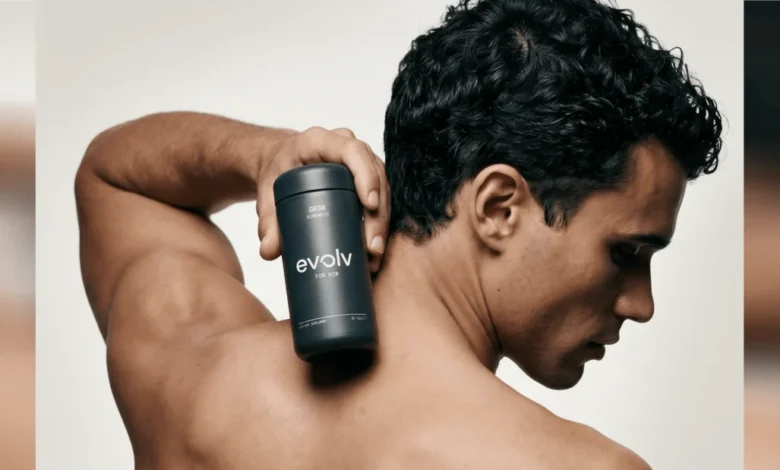
8. Evolv – Grow for Him: A New Frontier in Men’s Hair Wellness
The landscape of men’s wellness is expanding beyond traditional notions of physical performance to encompass broader aspects of confidence and self-perception, including hair health. For many men, thinning hair or hair loss can significantly impact self-esteem. Evolv Grow for Him directly addresses this concern with a sophisticated, science-driven approach, marking a significant advancement in the category of hair care from within.
At the heart of Evolv Grow for Him is its proprietary EV2 Peptide platform, a biomimetic formula engineered to support healthier, fuller-looking hair by targeting the biological mechanisms of hair growth and scalp vitality. This innovative technology draws inspiration from copper peptides, known for their roles in tissue repair and collagen synthesis, to create an environment conducive to robust hair follicles. The daily oral supplement combines this advanced peptide technology with a blend of well-regarded natural ingredients. Marine collagen provides essential amino acids, the building blocks of hair, skin, and nails. Saw palmetto is included for its traditional use in supporting prostate health and its potential role in managing hormonal factors related to hair loss. Complementing these are a spectrum of essential nutrients, vitamins, and minerals known to contribute to overall hair strength, density, and scalp health. Evolv’s approach represents a modern departure from topical solutions, offering a systemic method that works from the inside out. For men seeking a proactive and scientifically informed strategy for hair wellness, Evolv provides a new category of solution built around cutting-edge biology, innovation, and a profound understanding of the link between physical well-being and long-term confidence.
9. Laird – Superfood Protein Matcha: The Holistic Morning Ritual
The morning ritual, for many, is a sacred time for preparation and nourishment. Laird Superfood Protein Matcha elevates the traditional matcha experience by infusing it with functional ingredients, transforming a simple beverage into a comprehensive performance upgrade designed to support energy, focus, hydration, and recovery. This product caters to the growing demand for convenient, nutrient-dense options that seamlessly integrate into busy lifestyles.
Laird’s Superfood Protein Matcha delivers the smooth, earthy flavor characteristic of high-quality real matcha, providing a natural source of sustained energy and L-theanine for calm focus, without the jitters often associated with coffee. What sets it apart is the inclusion of 10 grams of milk-based protein, crucial for muscle repair and satiety, making it an excellent post-workout option or a satiating breakfast component. With 70mg of natural caffeine, it offers a gentle yet effective boost. The functional ingredient profile is impressive: Lion’s Mane mushroom, a revered adaptogen, is incorporated for its cognitive support benefits, promoting mental clarity and concentration. To address hydration, coconut water powder and sea salt provide a natural source of electrolytes, replenishing minerals lost through sweat and contributing to overall fluid balance. Designed as an instant iced matcha latte mix, it offers unparalleled convenience for busy mornings or as an afternoon reset. Crucially, Laird Superfood adheres to a clean label philosophy, ensuring no added sugar, gums, fillers, or inflammatory seed oils, appealing to consumers prioritizing purity and natural ingredients. This protein matcha embodies the holistic wellness trend, demonstrating how everyday staples can be intelligently enhanced to deliver multifaceted health benefits.
10. Barrière – Burn Notice UV Stickers: Intelligent Sun Protection for the Modern Era
Despite widespread awareness of UV radiation’s harmful effects, consistent and timely sunscreen reapplication remains a challenge for many, especially during extended outdoor activities. Barrière’s Burn Notice UV Sensitive Stickers offer an ingenious and practical solution to this public health dilemma, transforming sun protection from a manual chore into an intuitive, visually guided habit.
These innovative, clear stickers are designed to be applied directly to the skin, providing a continuous, real-time indicator of UV exposure. As the skin accumulates UV radiation, the hidden artwork embedded within the sticker gradually reveals itself, acting as a clear, unmistakable visual cue that it’s time to reapply sunscreen. This novel mechanism eliminates the need for guesswork or constant clock-watching, empowering users to stay protected more effectively. Crafted for active lifestyles, Burn Notice stickers are waterproof, ensuring their efficacy during swimming, sweating, and other water-based activities. They are also hypoallergenic and vegan, catering to sensitive skin and ethical consumer preferences. Rigorous third-party testing further assures their safety and performance. From beach days and outdoor workouts to prolonged exposure during travel or everyday errands, these lightweight patches seamlessly integrate into any wellness routine. Barrière’s Burn Notice UV Stickers represent a significant step forward in preventative health technology, leveraging smart design to foster greater compliance with sun safety guidelines, ultimately helping individuals enjoy the outdoors responsibly while minimizing the long-term risks of UV damage.
The Broader Implications: Trends Shaping the Future of Wellness
The products highlighted in this year’s Editor’s Choice selections collectively underscore several overarching trends shaping the future of the health and wellness industry. There is a clear movement towards personalization and specificity, with products like ViVi Youth and Evolv Grow for Him addressing distinct demographic needs. The emphasis on holistic and preventative health is evident in recovery aids like Cellev8 and functional foods like Laird Superfood Protein Matcha, which recognize that well-being extends beyond peak performance to encompass long-term vitality.
Technological integration and smart solutions are increasingly important, as seen with Barrière’s UV stickers and ALLSWIFT’s engineered footwear, demonstrating how innovation can make wellness practices more intuitive and effective. Furthermore, the demand for clean, natural, and transparent ingredients continues to grow, reflected in Beonixe’s energy honey and Laird’s commitment to natural formulations. Finally, the blurring lines between fitness, fashion, and lifestyle are exemplified by the Sol de Janeiro x Bala Bangles and WMP Eyewear, proving that performance-enhancing products can also be expressions of personal style and identity.
Conclusion: The Evolving Landscape of Health and Performance
The health and wellness space, though crowded, is also ripe with genuine innovation. The brands recognized in this year’s Editor’s Choice list are at the forefront of this evolution, demonstrating a profound understanding of consumer needs, a commitment to scientific rigor, and a dedication to quality. Their offerings range from foundational fitness essentials to advanced nutritional supplements and intelligent lifestyle aids, all designed to empower individuals in their pursuit of optimal health and performance. As the industry continues to grow and diversify, these pioneering brands serve as a testament to the power of thoughtful design, scientific advancement, and a relentless focus on delivering real value to a global community striving for better health.