The Resurgence of Therapeutic Baths: Exploring Natural Detoxification Practices and Their Wellness Implications

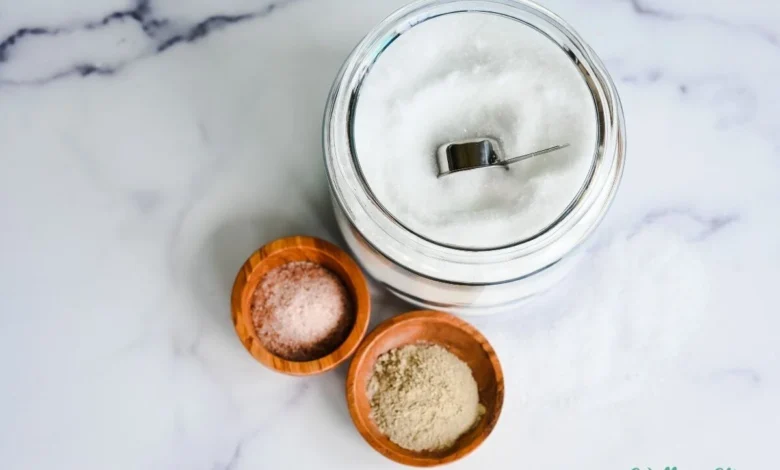
Therapeutic bathing, a practice rooted in ancient traditions across diverse cultures, is experiencing a contemporary resurgence as individuals seek accessible and inexpensive methods to support overall well-being and address perceived modern-day toxin exposure. Often referred to as "detox baths," these routines leverage natural ingredients to create an immersive experience aimed at promoting relaxation, soothing skin conditions, and ostensibly aiding the body’s natural detoxification processes. While the scientific community often emphasizes the primary roles of the liver and kidneys in detoxification, proponents of detox baths suggest that the skin, as the body’s largest organ, can play a supportive role in shedding impurities and absorbing beneficial minerals, particularly when stimulated by warm water and specific additives.
Understanding Detoxification: A Medical and Wellness Perspective
From a physiological standpoint, detoxification is a continuous, complex process primarily managed by the liver, kidneys, lymphatic system, digestive tract, and lungs. These organs efficiently neutralize and eliminate harmful substances, both those produced internally (metabolic waste) and those encountered externally (environmental pollutants, certain medications, food additives). The concept of "toxin overwhelm" often cited in wellness circles suggests that the sheer volume of environmental toxins in modern life—from industrial chemicals and heavy metals to pesticides and plastics—can overburden these natural systems, leading to various health issues such as skin problems, fatigue, and general malaise.
In response to this concern, a range of "detox" practices has emerged, with therapeutic baths being one of the most accessible. While conventional medicine typically focuses on supporting organ function rather than "flushing" toxins via baths, proponents argue that these baths offer targeted support to the skin and lymphatic system, enhance circulation, and provide a conducive environment for relaxation, which itself is crucial for overall health and stress reduction. The warm water promotes vasodilation, increasing blood flow to the skin and potentially encouraging sweating, a known excretory pathway.
A Brief History of Therapeutic Bathing
The use of baths for health and healing is far from a new concept. Ancient Egyptians, Greeks, and Romans utilized elaborate bathhouses for hygiene, social interaction, and therapeutic purposes, often incorporating herbs, essential oils, and mineral salts. Hydrotherapy, the use of water for treating diseases, has been documented for millennia. In Ayurvedic and Traditional Chinese Medicine, specific herbal baths have been used to address various ailments, stimulate circulation, and promote energy balance. The modern detox bath, therefore, draws upon a long lineage of hydrotherapeutic practices, adapting them with contemporary ingredients and a focus on supporting detoxification.
Key Ingredients and Their Purported Mechanisms
Several natural ingredients form the foundation of popular detox bath recipes, each chosen for its unique properties and traditional uses.
- Epsom Salts (Magnesium Sulfate): Perhaps the most common ingredient, Epsom salts are believed to facilitate transdermal absorption of magnesium, a vital mineral involved in over 300 biochemical reactions in the body, including muscle and nerve function, blood glucose control, and blood pressure regulation. Many individuals are magnesium deficient, and while scientific evidence for significant transdermal absorption of magnesium through bathwater is debated, anecdotal reports and some preliminary studies suggest potential benefits for muscle soreness, relaxation, and stress reduction. The sulfates in Epsom salts are also thought to aid in detoxification pathways.
- Bentonite Clay: This natural clay, formed from volcanic ash, is widely used in various wellness applications, from facial masks to internal cleanses. Its unique molecular structure carries a strong negative electromagnetic charge, which, when mixed with water, is believed to attract and bind positively charged toxins, heavy metals, and impurities. In a bath, it’s theorized to draw these substances from the skin. However, caution is advised to prevent potential plumbing clogs.
- Apple Cider Vinegar (ACV): Rich in acetic acid, apple cider vinegar is often praised for its ability to balance pH, particularly beneficial for skin conditions like eczema, sunburn, and dry, itchy skin. Its antimicrobial properties may also contribute to a healthier skin microbiome. The acidic nature of ACV helps restore the skin’s natural acid mantle, which acts as a protective barrier.
- Ginger: Known for its warming and circulatory-stimulating properties, ginger (either fresh or powdered) is frequently added to baths, especially during periods of illness. It is believed to promote sweating, which can help alleviate congestion, reduce body aches, and stimulate circulation, potentially aiding in the expulsion of toxins through perspiration.
- Mustard Powder: Historically used in traditional remedies for colds, flu, and sore muscles, organic mustard powder is a potent stimulant of circulation. Its compounds, such as allyl isothiocyanate, create a warming sensation that can help open pores and promote sweating, similar to ginger, thereby supporting the body’s natural eliminative functions.
- Essential Oils: Selected for their aromatic and therapeutic qualities, essential oils like lavender (for relaxation), eucalyptus (for respiratory support), tea tree (for antimicrobial benefits), or frankincense (for anti-inflammatory properties) can enhance the bath experience. It is crucial to use high-quality, pure essential oils and to dilute them properly to avoid skin irritation, especially when used for children.
Popular Detox Bath Recipes and Their Applications
The preparation of detox baths is generally straightforward, requiring only a few readily available ingredients and warm water. It is important to note that these recipes are often recommended for evening use due to potential post-bath fatigue as the body processes the effects.
1. Basic Epsom Salt Detox Bath:
This foundational recipe is prized for its simplicity and reported benefits for magnesium replenishment and general relaxation.
- Ingredients: 2 cups Epsom salts.
- Instructions: Dissolve Epsom salts in a warm bath. Soak for 20-30 minutes.
- Application: Ideal for muscle relaxation, stress relief, and boosting magnesium levels.
2. Clay Detox Bath:
Targeted for deeper cleansing, leveraging bentonite clay’s adsorptive properties.
- Ingredients: 1-2 cups Epsom salts, ½ cup bentonite clay, 5-10 drops essential oil (optional, e.g., lavender).
- Instructions: Dissolve Epsom salts in warm bathwater. For the clay, either mix it with a small amount of water to form a paste before adding to the bath (to prevent clumping) or sprinkle directly into the running water. Add essential oils. Soak for 20-30 minutes.
- Caution: Use a drain filter to prevent clay from accumulating in pipes and causing clogs.
- Application: Believed to aid in drawing out heavy metals and other toxins, while Epsom salts replenish magnesium.
3. Oxygen Detox Bath (Ginger Bath):
Particularly beneficial during periods of illness or congestion.
- Ingredients: 1-2 cups Epsom salts, 1-2 tablespoons ground ginger (or 1/4 cup freshly grated ginger steeped into a strong tea and strained).
- Instructions: Dissolve Epsom salts in warm bathwater. Add ginger powder directly or pour in strained ginger tea. Soak for 20-30 minutes.
- Application: Stimulates circulation, promotes sweating, helps alleviate congestion and body aches.
4. Vinegar Detox Bath:
Excellent for addressing various skin issues and balancing skin pH.
- Ingredients: 1-2 cups Epsom salts, 1-2 cups organic apple cider vinegar.
- Instructions: Dissolve Epsom salts in warm bathwater. Add apple cider vinegar. Soak for 20-30 minutes.
- Application: Soothes sunburn, eczema, dandruff, dry or itchy skin, and can leave skin feeling soft and hair shiny. A cool rinse afterward is often recommended.
5. Mustard Detox Bath:
A warming and stimulating bath for colds, flu, and muscle soreness.
- Ingredients: 1/2 cup organic mustard powder, 1 cup Epsom salts, 5-10 drops essential oils (e.g., eucalyptus, rosemary, or frankincense).
- Instructions: Dissolve Epsom salts in warm bathwater. Mix mustard powder with a small amount of warm water to create a slurry before adding to the bath to avoid clumps. Add essential oils. Soak for 20-30 minutes.
- Application: Promotes sweating, stimulates circulation, and provides relief for cold symptoms and sore muscles.
Important Considerations and Safety Guidelines
While generally considered safe for most individuals, therapeutic baths, especially those aimed at detoxification, come with important precautions:
- Consult a Healthcare Professional: Individuals with underlying health conditions, pregnant or nursing women, and those on medication should consult their doctor before engaging in detox baths. Certain ingredients or the heat of the bath could interact with existing conditions or treatments.
- Hydration: The warming and sweating effects of these baths can lead to dehydration. It is crucial to drink plenty of water before, during, and after the bath.
- Temperature: Ensure bathwater is comfortably warm, not excessively hot, to avoid overheating or lightheadedness.
- Duration: Limit soak times to 20-30 minutes to prevent over-detoxification effects, which can include fatigue, dizziness, or nausea.
- Ingredient Quality: Use high-quality, organic ingredients whenever possible, especially for essential oils and mustard powder, to avoid introducing additional impurities or irritants.
- Skin Sensitivity: Perform a patch test with new ingredients, especially essential oils, to check for skin sensitivities or allergic reactions.
- Children: While many recipes are deemed safe for children, adjust ingredient amounts significantly and ensure essential oils are used sparingly and appropriately diluted for their sensitive skin. Always supervise children during bath time.
- Post-Bath Care: Some individuals may experience fatigue or mild detoxification symptoms after the bath. Resting and allowing the body to recover is advisable. Rinsing off with cool water after an ACV bath is often recommended.
- Plumbing: Be mindful of ingredients like bentonite clay, which can accumulate in pipes and cause clogs. Using a drain filter is recommended.
Broader Implications and the Wellness Landscape
The growing interest in detox baths reflects a broader societal trend towards proactive wellness and self-care. In an era where information about environmental toxins is readily available, and chronic stress is prevalent, individuals are increasingly seeking accessible, natural, and often inexpensive ways to support their health. While scientific validation for some of the more ambitious "detox" claims of these baths remains limited, their established benefits for relaxation, stress reduction, and soothing common skin ailments are undeniable.
The act of taking a warm bath itself has inherent therapeutic value, promoting mental calm and physical unwinding. When combined with thoughtfully chosen natural ingredients, these baths can transform a simple routine into a ritual that contributes to holistic well-being. However, it is paramount that individuals approach such practices with an informed perspective, balancing anecdotal benefits and traditional wisdom with scientific understanding and professional medical advice. The emphasis should always be on supporting the body’s innate capabilities rather than relying solely on external "detox" solutions. As the wellness industry continues to evolve, understanding the nuances of these practices empowers individuals to make choices that genuinely contribute to their health and vitality.
Related posts: