Turning Back the Biological Clock: University of Sydney Study Reveals How Dietary Shifts Can Rapidly Alter Markers of Aging in Older Adults

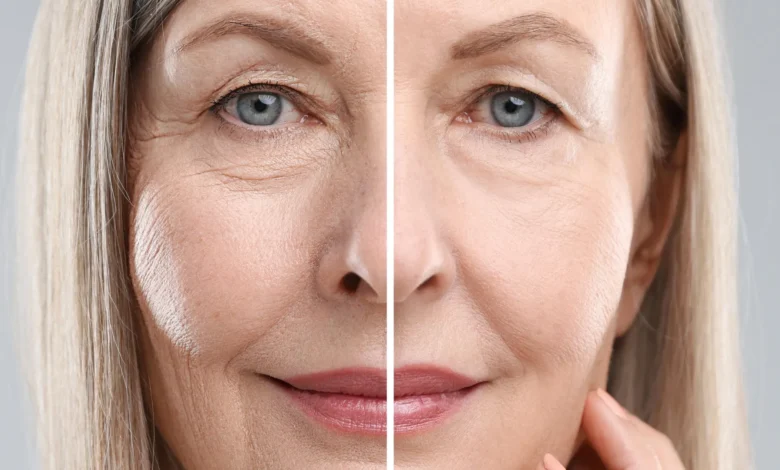
Recent scientific inquiries into the plasticity of human aging have yielded remarkable insights, suggesting that older adults may possess the capacity to favorably shift key physiological markers of aging within a remarkably brief timeframe simply by altering their daily nutritional intake. A ground-breaking study conducted by researchers at the University of Sydney has demonstrated that Australians aged 65 to 75 who intentionally reduced either their dietary fat consumption or their intake of animal-based proteins exhibited measurable physiological indicators of a lower biological age after a mere four-week intervention period.
Biological age, a concept distinct from chronological age—which merely records the passage of time since birth—serves as an estimate of how old a physical body appears and functions based on its underlying health, cellular integrity, and systemic physiological condition. Published in the peer-reviewed journal Aging Cell, the research was spearheaded by Dr. Caitlin Andrews from the University of Sydney’s esteemed School of Life and Environmental Sciences. While the findings provide an encouraging look into the responsiveness of human physiology during later life stages, the academic community maintains a cautious stance. The principal investigators emphasize that these observations remain preliminary, underscoring the absolute necessity for extended longitudinal studies to ascertain whether these favorable biomarker shifts persist over long periods, whether they genuinely translate into a diminished risk of chronic, age-related pathologies, and whether comparable physiological responses can be elicited across younger cohorts or more diverse demographic populations.
Decoding Biological Age versus Chronological Age
To fully comprehend the significance of the University of Sydney’s findings, it is essential to distinguish between chronological aging and biological aging. While time moves forward at an unvarying pace for every individual, the physiological wear and tear experienced by human bodies diverges significantly. Two people who have lived for precisely seventy years may present entirely different internal landscapes: one might exhibit the cardiovascular resilience, metabolic efficiency, and low systemic inflammation typical of a much younger person, while the other might display functional declines, arterial stiffening, and elevated inflammatory markers characteristic of advanced physiological aging.
These disparities in internal decline help clarify why certain individuals retain robustness, mobility, and vitality well into their later decades, whereas others succumb to age-related morbidities much earlier in life. To quantify these hidden discrepancies, researchers rely on biomarkers—measurable physical, chemical, or biological features that offer an objective window into internal health and functional capacity. By assessing a constellation of these markers simultaneously, scientists can construct a holistic profile of how rapidly or slowly an individual’s physiological systems are deteriorating.
In the framework of the University of Sydney investigation, researchers synthesized data drawn from twenty distinct biomarkers. This comprehensive panel included circulating blood levels of total cholesterol, fasting insulin, and C-reactive protein, the latter of which serves as a widely recognized clinical indicator of chronic, low-grade systemic inflammation. By aggregating these metrics, the research team calculated a unified biological age score for every participant enrolled in the Nutrition for Healthy Living study, hosted at the university’s renowned Charles Perkins Centre.
Methodology of the Nutrition for Healthy Living Trial
The underlying clinical trial recruited 104 human participants, all satisfying strict inclusion criteria to ensure data integrity. The cohort comprised adults between the ages of 65 and 75, with body mass indices (BMIs) ranging from 20 to 35. To eliminate confounding variables that might distort metabolic responses, all participants were non-smokers and non-vegetarians. Furthermore, individuals presenting with major clinical complications—such as diagnosed type 2 diabetes mellitus, active malignancies, advanced renal or liver disease, or known food allergies and intolerances—were systematically excluded from participation.
Upon enrollment, the 104 participants were randomly allocated to one of four distinct dietary regimens. To maintain experimental control, every prescribed diet provided a standardized 14 percent of total daily energy intake from protein sources. However, the composition of these proteins and the broader macronutrient distribution varied systematically across the experimental arms. Two of the dietary interventions were omnivorous in nature, with half of the protein derived from animal sources and the remaining half sourced from plants. The other two diets were classified as semi-vegetarian, engineered such that 70 percent of the total protein intake originated from plant-based foods.
Within both the omnivorous and semi-vegetarian categories, participants were further subdivided based on fat and carbohydrate ratios. Specifically, they were assigned either a high-fat, low-carbohydrate regimen or a low-fat, high-carbohydrate regimen. This rigorous cross-factor design yielded four unique dietary study groups:
- Omnivorous High-Fat (OHF)
- Omnivorous High-Carbohydrate (OHC)
- Semi-Vegetarian High-Fat (VHF)
- Semi-Vegetarian High-Carbohydrate (VHC)
By comparing baseline biomarkers against post-intervention metrics gathered after four weeks, the research team could isolate the specific physiological impacts of shifting macronutrient ratios and protein sources in older adults.
Differential Outcomes Across the Four Dietary Interventions
Upon completion of the four-week dietary trial, the analysis revealed clear distinctions among the four study groups regarding shifts in calculated biological age. Most notably, the omnivorous high-fat (OHF) group experienced no statistically meaningful change in the biological age derived from their biomarker profiles. Intriguingly, the OHF diet was the nutritional protocol that bore the closest resemblance to the habitual diets consumed by the participants prior to their entry into the study, suggesting that maintaining status-quo dietary habits yields no reversal in biological aging markers.
Conversely, the remaining three dietary cohorts—encompassing the omnivorous high-carbohydrate group, the semi-vegetarian high-fat group, and the semi-vegetarian high-carbohydrate group—all demonstrated measurable reductions in their estimated biological age profiles. The most robust statistical evidence of biomarker improvement emerged within the omnivorous high-carbohydrate (OHC) group. Participants in this specific arm consumed a diet wherein 14 percent of total energy was derived from protein, 28 to 29 percent from dietary fats, and a substantial 53 percent from complex carbohydrates.
When synthesized, these empirical observations strongly indicate that actively reducing dietary fat, scaling back animal-based protein consumption, or implementing a combination of both modifications can favorably modulate aging-related biomarkers in older demographics over a surprisingly compressed timeframe. Nevertheless, the investigators maintain a rigorous scientific perspective, explicitly noting that a temporary reduction in a calculated biological age score does not automatically equate to a permanent halting or reversal of the fundamental biological aging process at the cellular level.
The Critical Question of Longitudinal Persistence
As the findings from the University of Sydney’s Charles Perkins Centre circulate through the global scientific community, a central question remains at the forefront of academic debate: Do these short-term biomarker improvements endure over extended periods?
Current empirical data cannot yet confirm whether the observed shifts in biomarker profiles will persist months or years down the line, nor can they definitively guarantee sustained biological age reversal. Furthermore, the researchers urge the public and medical professionals alike to exercise restraint, as it remains unproven whether these four-week dietary adaptations will ultimately translate into a clinically significant reduction in the incidence or severity of age-associated chronic diseases, such as cardiovascular disorders, neurodegenerative conditions, and metabolic syndromes.
Addressing the broader implications of the work, Associate Professor Alistair Senior of the School of Life and Environmental Sciences and the Charles Perkins Centre, who supervised the research initiative, underscored the necessity for further investigation. "Longer-term dietary changes are needed to assess whether dietary changes alter the risk of age-related diseases," Professor Senior stated. Consequently, the current study is best interpreted as providing an encouraging early signal rather than definitive, unassailable proof that targeted nutritional modifications can directly extend human lifespan or permanently slow the inexorable progression of senescence.
Perspectives and Future Research Directions
In public statements accompanying the publication in Aging Cell, lead author Dr. Caitlin Andrews emphasized the importance of tempering enthusiasm with methodological caution while acknowledging the tangible value of the discovery. "It’s too soon to say definitively that specific changes to diet will extend your life. But this research offers an early indication of the potential benefits of dietary changes later in life," Dr. Andrews remarked. Her commentary highlights the empowering nature of the findings, suggesting that older adults are not entirely at the mercy of their genetic destiny and that nutritional agency remains a viable tool for health optimization even in later decades.
Looking toward the horizon, the research team at the University of Sydney has outlined a comprehensive agenda for future investigations. Key objectives include replicating the study across broader, more diverse cohorts to determine if similar physiological responsiveness occurs in different geographic, cultural, and socioeconomic populations. Additionally, upcoming studies must prioritize longitudinal tracking to evaluate whether the positive biomarker alterations recorded at the four-week mark are sustained under free-living conditions and whether they serve as reliable predictive indicators of long-term health outcomes and morbidity reduction.
Implications for Public Health and Nutritional Guidelines
The publication of this study arrives at a critical juncture for public health policy, particularly as populations in developed nations age rapidly, placing unprecedented burdens on healthcare infrastructure. Traditional nutritional guidelines for older adults have historically focused on preventing overt nutrient deficiencies, maintaining caloric adequacy to prevent unintended weight loss, and preserving muscle mass through adequate protein consumption. However, emerging insights into metabolic health and cellular longevity suggest a more nuanced paradigm may be warranted.
If subsequent, longer-term studies validate the hypothesis that reducing dietary fat and animal protein can safely shift biological aging markers in older adults, clinical dietetics and geriatric medicine may witness a paradigm shift. Personalized nutritional therapy could increasingly incorporate short-term or sustained dietary interventions designed not merely to manage existing pathologies, but to actively recalibrate systemic inflammation, lipid metabolism, and glycemic control. Such strategies could empower aging populations to enhance their healthspan—the period of life spent in good health and free from chronic debilitating disease—even if chronological lifespan remains unchanged.
As the scientific discourse continues to evolve, the University of Sydney’s investigation stands as a testament to the remarkable metabolic flexibility of the human body. By demonstrating that biological markers of aging are responsive to nutritional inputs within mere weeks, the study opens new avenues for therapeutic intervention and reinforces the enduring adage that it is never too late to make health-conscious choices at the dinner table.
Related posts: