The Royal Mansion at Atlantis The Royal: Dubai’s $100,000-a-Night Suite Redefines Ultra-Luxury Hospitality

The bathrooms in Dubai’s most exclusive hotel suite are not merely appointed; they are adorned with solid gold toothbrushes. These are not imitations or plated items, but custom-made, bespoke artifacts crafted from genuine gold, presented alongside matching gold combs and brushes. For the discerning clientele of the Royal Mansion at Atlantis The Royal, such opulence is not an extravagance but an expected component of an experience costing upwards of $100,000 per night. This figure places the Royal Mansion in a rarefied stratum of accommodation, far removed from the standard rack rates of even the most luxurious hotels, positioning it as a benchmark for ultimate indulgence in the global hospitality landscape.
While the exact pricing for the Royal Mansion is available only upon request, the reported starting point of $100,000 per night underscores its unique market position. This contrasts sharply with other accommodations at Atlantis The Royal, where rooms can be secured for a few hundred dollars nightly, highlighting the staggering difference in scale and exclusivity. The Royal Mansion represents the pinnacle of what the Atlantis brand, already synonymous with extravagant global resorts since the opening of Atlantis, The Palm in 2008, offers.
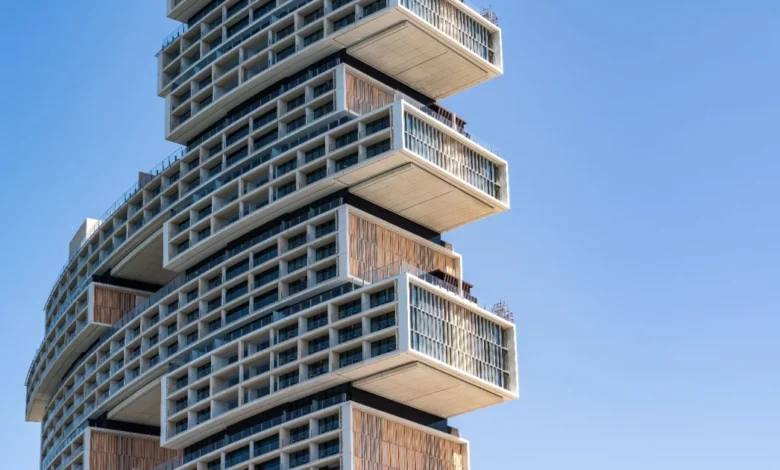
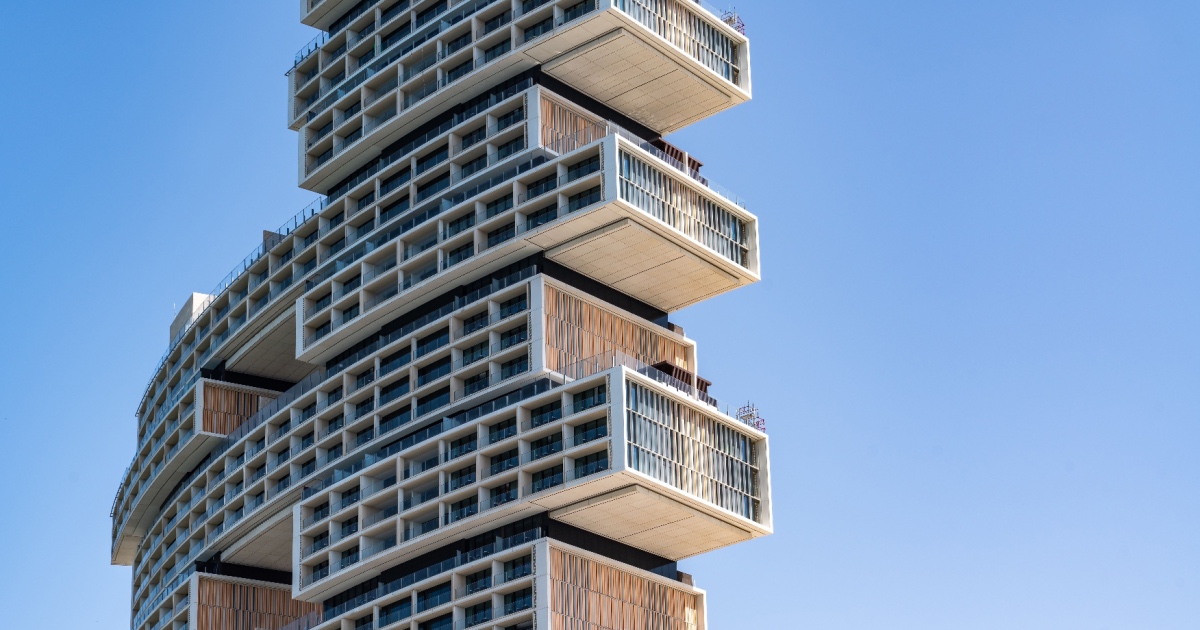
Atlantis The Royal, a 43-story marvel situated on the iconic Palm Jumeirah, has swiftly established itself as a new paradigm in ultra-luxury hospitality within a city celebrated for its ambitious developments and lavish offerings. Its rapid ascent is further evidenced by its inclusion on The World’s 50 Best Hotels list, an honor it achieved less than a year after its 2023 opening. Initially ranked No. 44 in the inaugural edition, the resort climbed impressively to No. 6 by 2025. The Royal Mansion stands as the undisputed crown jewel of this establishment, not only as the most expensive hotel room in Dubai but, according to the hotel’s own assertions, the most opulent and costly in the world.
Inside the Pinnacle of Opulence: The Royal Mansion Experience
The Royal Mansion is an expansive 11,840-square-foot, split-level sanctuary, encompassing four bedrooms and spread across the 18th and 19th floors of the resort. This colossal suite is designed to accommodate up to nine adults, with the option for guests to reserve the entire floors, granting access to 16 interconnected rooms for unparalleled privacy and space.
The arrival experience itself is meticulously orchestrated. Guests are welcomed through a private entrance, complete with a dedicated elevator, ensuring immediate discretion. Upon entering, visitors are greeted by soaring ceilings, walls clad in floor-to-ceiling Calacatta marble, and magnificent chandeliers that cast a warm glow. The design thoughtfully incorporates subtle yet impactful Arabic influences, such as sunken majlis seating areas, creating intimate gathering spaces. A particularly striking design element is the inclusion of 100-year-old olive trees, not merely decorative but living specimens transplanted into the suite’s private foyer. This bold statement marries natural grandeur with architectural artistry, creating an environment that is both dramatic and deeply resonant.
Entertainment and leisure are paramount within the Royal Mansion. A dedicated game room features a Louis Vuitton ping-pong table, a testament to the suite’s commitment to exclusive collaborations. A private bar is attended by a bartender on call 24 hours a day, ensuring bespoke beverage service at any moment. For guests prioritizing wellness and relaxation, the suite offers in-room workout equipment, a curated library, a private steam room, and a cinema lounge equipped with a massive 146-inch television. Complementing these amenities is an unwavering 24-hour butler service, dedicated to anticipating and fulfilling every guest’s need, no matter the hour.
Four Bedrooms Designed for Ultimate Comfort and Elegance
The Royal Mansion features four distinct bedrooms, furnished with a combination of three king-size beds and two queen-size beds, capable of sleeping up to nine individuals. The master suites, located on the second floor, are havens of tranquility, boasting 800-thread-count Egyptian cotton bed linens and lavish his-and-hers bathrooms, each equipped with expansive jacuzzi tubs.
The suite’s commitment to luxury extends to its provided amenities. Guests will find designer toiletries from the esteemed French fashion house Hermès, alongside the aforementioned bespoke gold toothbrushes, combs, and brushes. Italian-made Frette bathrobes offer a touch of plush comfort, while a comprehensive pillow menu, featuring seven distinct options, allows guests to personalize their sleeping experience, ensuring that comfort extends beyond the thread count of their sheets.
Beyond the interior, a sprawling terrace, exceeding 5,000 square feet, offers an outdoor oasis. This expansive area includes a fully equipped outdoor kitchen, ideal for al fresco dining. A formal dining area, capable of seating up to 12 guests, provides an elegant setting for private banquets with breathtaking views of the Arabian Gulf. The highlight of the terrace is a temperature-controlled infinity pool. Perched on the 18th floor of Palm Jumeirah, the pool offers unobstructed, panoramic vistas of the Persian Gulf and the iconic Dubai skyline, creating an unforgettable backdrop for relaxation and entertainment.
A Resort Designed Around a Masterpiece
Atlantis The Royal itself is a monumental achievement in resort design, a 43-story edifice housing over 750 rooms and suites. The property functions less as a traditional hotel and more as a self-contained destination, a microcosm of luxury living offering a vast array of experiences.
The resort’s culinary landscape is exceptionally rich, featuring 15 distinct restaurants and bars, including seven venues helmed by celebrity chefs. Among these is Dinner by Heston Blumenthal, which reimagines modern British cuisine. Blumenthal’s Dubai outpost, a replication of his two-Michelin-starred London establishment, has itself earned a Michelin star, a distinction officially recognized on Atlantis The Royal’s website. Other Michelin-recognized dining experiences at the resort include Estiatorio Milos, Ariana’s Persian Kitchen, and La Mar by Gastón Acurio, underscoring the resort’s commitment to world-class gastronomy.
Ascending 22 stories above the dining floors, guests will discover Cloud 22, one of the resort’s most photographed attractions. This rooftop infinity pool and lounge offers unparalleled panoramic views, complemented by expertly crafted poolside cocktails. Cloud 22 is part of a comprehensive network of 90 swimming pools scattered across the property, an astonishing number that underscores the resort’s dedication to aquatic leisure and visual spectacle.
Beyond the Suite: A World of Amenities and Experiences
Every guest at Atlantis The Royal, regardless of their accommodation choice, receives a significant amenity that would be a primary draw for many other resorts: complimentary access to Aquaventure, touted as the world’s largest waterpark. This aquatic playground boasts over 105 rides, attractions, and experiences. It previously held a Guinness World Record for the most waterslides in a waterpark, with 50 slides, a record it maintained until April 2026 when Yas Waterworld in Abu Dhabi surpassed it. Even without the official title, the sheer scale of 50 slides spread across a 22.5-hectare park remains a remarkable feat, placing it among the world’s premier waterpark destinations.
For those seeking rejuvenation, the Awaken Spa offers an extensive sanctuary. It features over 17 treatment rooms, traditional hammam rooms, a sauna, and a steam room. The spa’s signature offerings include 24-karat gold stone massages and facials, drawing inspiration from the four elements. The most exclusive treatment is a 90-minute ritual that utilizes hand-dipped 24-karat gold volcanic stones to alleviate muscle tension. Fitness enthusiasts can partake in a variety of wellness activities, including family sound baths, guided meditations, underwater yoga, and personalized training sessions at the resort’s state-of-the-art fitness center.
Adding to the resort’s extensive waterfront offerings, Atlantis The Royal boasts over a mile of private beachfront, one of the longest stretches in Dubai. For aquatic exploration beyond the pools and beach, the Lost Chambers Aquarium at Atlantis The Palm houses an impressive collection of over 65,000 marine animals. Guests can engage in behind-the-scenes tours, aquatrekking, snorkeling, and scuba diving within this vibrant underwater world.
The Broader Implications of Ultra-Luxury Hospitality
The Royal Mansion, with its 11,840 square feet of meticulously designed space across two floors, transcends the definition of a hotel room. It functions more akin to a fully staffed private residence, strategically situated within one of the world’s most amenity-rich resort complexes. The nightly tariff encompasses comprehensive services, including 24-hour butler assistance, a seamless in-room check-in process that bypasses traditional lobby queues, complimentary access to the expansive waterpark for all registered guests, and the finest amenities sourced from globally recognized brands like Hermès and Frette, alongside the distinctive gold bathroom fixtures.
While the Royal Mansion will undoubtedly remain an aspirational destination for the vast majority of travelers, it serves as a powerful indicator of the evolving frontiers of modern hospitality. It sets a new benchmark for what is achievable in terms of personalized service, exclusive offerings, and sheer opulence. For individuals planning a significant celebratory trip to Dubai, even the resort’s entry-level rooms present an unparalleled value proposition. These accommodations provide full access to the same 90 pools, Michelin-starred restaurants, mile-long beach, and the world-class waterpark that are available to guests of the Royal Mansion.
Perhaps the most insightful aspect of Atlantis The Royal’s strategy is its deliberate design philosophy: the most spectacular amenities are not exclusively reserved for the highest-priced accommodations. This inclusive approach to luxury ensures that a broader spectrum of guests can experience the resort’s most celebrated features, democratizing aspects of opulence and suggesting that the true innovation lies not just in an ultra-expensive suite, but in the ability to share exceptional experiences across the entire resort. This inclusivity, more than the gold toothbrushes, may represent the most significant evolution in ultra-luxury hospitality.