Mastering Ardha Chandrasana: The Anatomy, Alignment, and Therapeutic Implications of Half Moon Pose

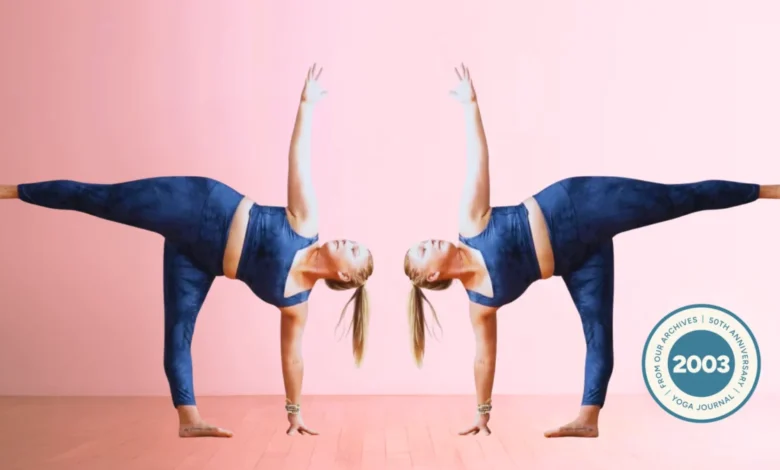
Originally published in the January-February 2003 archives of Yoga Journal, the instructional framework surrounding Ardha Chandrasana—commonly known as Half Moon Pose—remains a cornerstone of modern postural yoga. As a foundational standing balance, Ardha Chandrasana requires a meticulous synthesis of biomechanical alignment, muscular engagement, and focused attention. Far from a passive stretch, the posture demands a precise interplay between foundational grounding and expansive freedom, challenging practitioners to balance structural integrity with dynamic mobility.
Main Facts and Biomechanical Overview
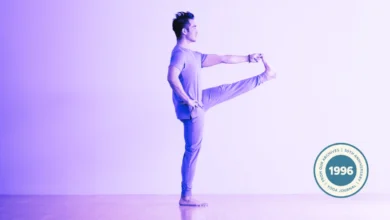
Ardha Chandrasana is categorized as an intermediate standing balance and lateral extension. The posture requires the practitioner to balance on a single lower extremity while opening the pelvis, torso, and upper limbs into a single coronal plane parallel to the mat. According to historical instructional texts, the posture is initiated from Trikonasana (Extended Triangle Pose) due to the anatomical continuity of the hip and femur positioning between the two movements.
The primary mechanics involve external rotation of the standing leg’s femur, lateral elevation of the contralateral pelvis, and vertical extension of the upper limbs. Biomechanically, the pose tests the limits of the gluteus medius, tensor fasciae latae, quadriceps, and the intrinsic muscles of the foot. By reducing the base of support to a single hand and foot, Ardha Chandrasana forces the central nervous system to rapidly process proprioceptive feedback, enhancing neuromuscular coordination and joint stability.
Chronology and Preparatory Progression
Effective execution of Ardha Chandrasana relies on a systematic preparatory sequence designed to mobilize the pelvic girdle and mitigate the risk of soft-tissue strain. Instructors emphasize a chronological progression that begins with non-weight-bearing openers before advancing to loaded balances.
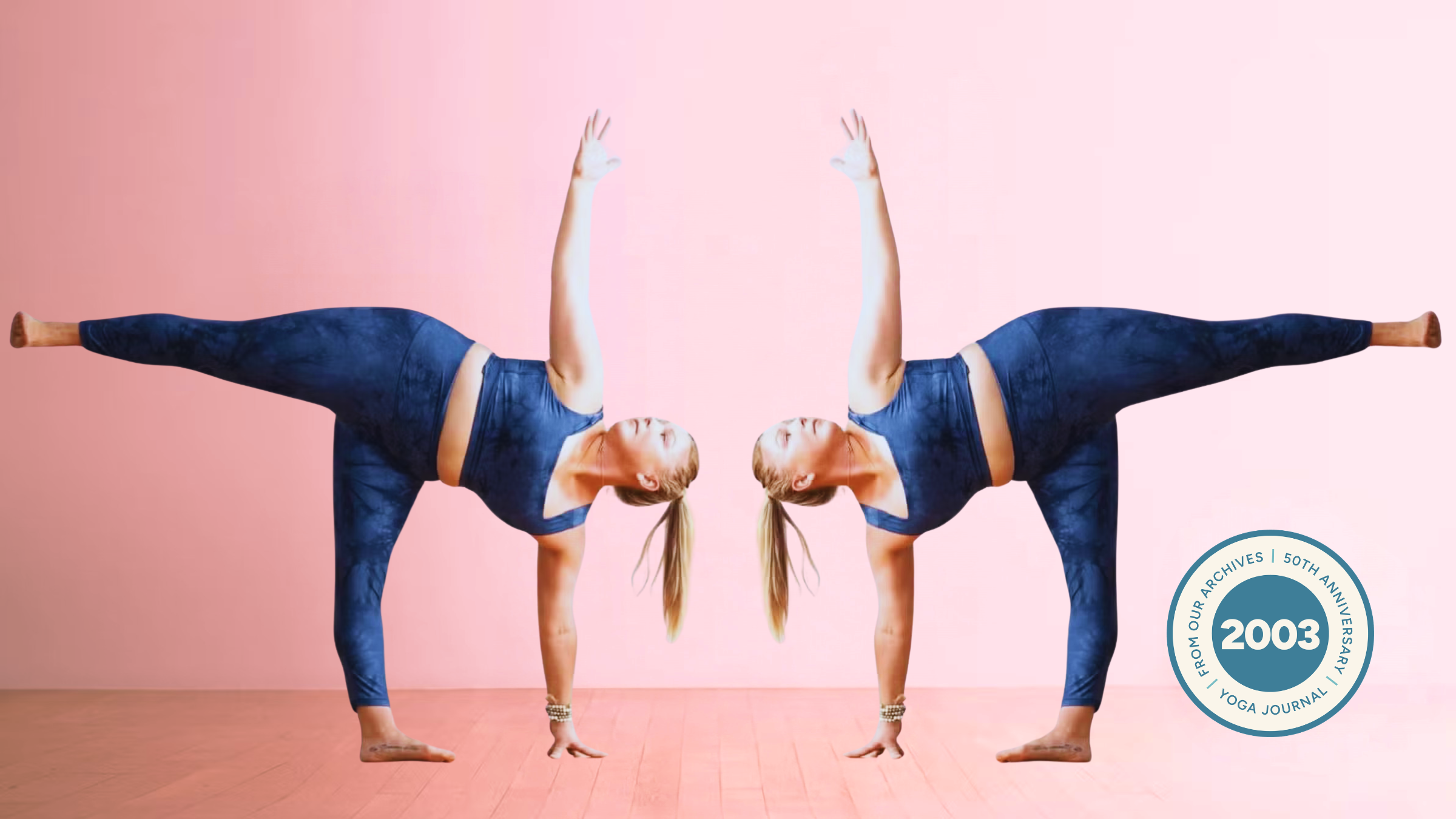
The foundational preparation centers on Supta Padangusthasana II (Reclining Hand-to-Big-Toe Pose, side variation). Practiced in a supine position, this movement replicates the abduction and external rotation required in Half Moon Pose without the complicating factors of axial loading and balance. By maintaining bilateral quadriceps contraction and ensuring both anterior superior iliac spines remain equidistant from the floor, practitioners develop necessary flexibility in the adductor complex and release tension in the pelvic floor.
Historically, yoga pedagogies have mandated this preparatory phase to prevent overuse injuries in the deep six lateral rotators of the hip and to prepare the femur head for proper socket integration during the transition to the standing posture.
Supporting Data and Physiological Implications
The therapeutic and physiological benefits of Ardha Chandrasana extend beyond muscular strengthening, influencing circulatory, digestive, and nervous systems. Clinical and kinesiological observations of standing lateral balances indicate several key physiological impacts:
- Neuromuscular Recruitment: Sustained contraction of the standing-leg quadriceps acts as a physiological pump, encouraging venous return from the lower extremities and facilitating axial energy distribution.
- Joint Decompression: Proper stacking of the greater trochanter, outer knee, and outer ankle neutralizes shearing forces on the knee joint, specifically protecting the medial and lateral collateral ligaments from hyperextension trauma.
- Visceral Massage: The rotational component of the torso and abdomen gently compresses and subsequently releases the abdominal viscera, supporting lower gastrointestinal motility and alleviating lumbar tension.
- Proprioceptive Enhancement: The requirement to actively press through the big toe mound and inner heel while maintaining lateral foot stability stimulates plantar mechanoreceptors, which directly correlate with improved overall balance and fall prevention in aging populations.
Official Responses and Pedagogical Philosophy
In the broader context of postural instruction, master teachers have long debated the balance between somatic exploration and rigid alignment protocols. The historical perspective articulated in archival instructional literature highlights a common student inquiry: the tension between intuitive, feeling-based movement and highly detailed structural corrections.
According to historical instructional paradigms, attention to minute physical details—such as the micro-bending of a hyperextended knee or the exact orientation of a kneecap—does not detract from the meditative experience of the pose. Instead, pedagogical consensus maintains that precision acts as a protective mechanism against injury while optimizing the energetic and physiological yield of the posture.
When practitioners attempt subtle internal or meditative work without establishing baseline physical alignment, postural collapse frequently occurs, leading to user frustration and potential lumbar or sacroiliac strain. Consequently, contemporary instructional standards advocate for a graduated approach, introducing foundational biomechanical cues incrementally before layering on advanced energetic or breath-focused elements.
Broader Impact and Modern Implications
As modern movement science increasingly intersects with traditional yoga modalities, the principles embedded within the instruction of Ardha Chandrasana find validation in contemporary physical therapy and sports conditioning. The emphasis on multi-planar stability, single-leg control, and pelvic neutrality mirrors rehabilitation protocols designed to prevent anterior cruciate ligament (ACL) injuries and manage patellofemoral pain syndrome.
Furthermore, the integration of controlled breathwork—specifically Ujjayi Pranayama (Victorious Breath)—during the maintenance of complex physical loads demonstrates the efficacy of conscious respiratory control in down-regulating sympathetic nervous system activation under physical stress. By linking the inhalation to thoracic expansion and the exhalation to structural adjustment, practitioners cultivate an internal locus of control that bridges physical exertion with mental clarity.
Ultimately, Ardha Chandrasana endures as a vital diagnostic and therapeutic tool within physical practices. By demanding absolute synchronization between the foundational arch of the foot and the expansive reach of the fingertips, the posture provides a reproducible model for structural integrity, teaching practitioners how to navigate complex spatial orientations while maintaining physiological safety and mental poise.