Unroll Your Mat, Not Your Wallet: 12 Everyday Items That Can Revolutionize Your At-Home Yoga Practice

Published July 23, 2026 10:23 AM
The burgeoning trend of at-home yoga, accelerated by global events and a growing appreciation for personal well-being, has transformed living rooms into serene sanctuaries. Millions have embraced the convenience and accessibility of online yoga classes, seeking solace and strength within their own four walls. However, a common stumbling block emerges when instructors, guiding practitioners through carefully curated sequences, call for specialized equipment such as yoga blocks or straps. For many, the immediate need for these props can disrupt the very sense of calm they aim to cultivate, leading to frustration and a potential abandonment of the practice. This article delves into the resourceful solutions that can transform ordinary household items into invaluable yoga accessories, ensuring that the flow of a practice remains uninterrupted and accessible to all, regardless of their prop inventory.
The shift towards home-based fitness routines, particularly yoga, gained significant momentum in the early 2020s. As lockdowns and social distancing measures became commonplace, online platforms saw an unprecedented surge in user engagement. YouTube, in particular, became a go-to resource for yoga instruction, with content creators and established studios alike offering a vast library of classes catering to every level and style. A 2023 report by Statista indicated that over 40% of individuals who practiced yoga at home cited online videos as their primary source of instruction. This widespread adoption, while democratizing access to yoga, also highlighted a logistical challenge: the requirement for specialized props.
The absence of dedicated yoga blocks, straps, or bolsters can be a significant deterrent for individuals seeking to deepen their practice. Yoga blocks, typically made of cork, foam, or wood, are designed to bring the floor closer to the body, support alignment, and enhance stability in various poses. Straps, often made of cotton or nylon, help to extend reach and improve flexibility, allowing practitioners to safely explore poses that might otherwise be inaccessible. Bolsters, firm cylindrical cushions, provide crucial support and comfort in restorative poses, aiding in relaxation and therapeutic benefits. When these are not readily available, the experience can quickly devolve from mindful movement to a frantic search for substitutes, potentially breaking the meditative state.
The Yoga Journal, a leading publication in the yoga community, has consistently advocated for making yoga accessible and adaptable. In a recent editorial meeting on July 20, 2026, the staff identified a recurring theme: the improvisation of props by dedicated practitioners facing similar challenges. This collective experience led to the compilation of a list of readily available household items that can effectively serve as yoga props, demonstrating the inherent ingenuity within the yoga community. The core principle, as articulated by a senior editor, is that "necessity truly is the mother of invention, and the yoga practice is no different. We’ve found that the most profound lessons often come from adapting and finding strength in what we already possess."
The Ingenuity of Everyday Objects: 12 At-Home Yoga Prop Substitutes
The following list, curated from the firsthand experiences of Yoga Journal staff, highlights surprisingly effective alternatives to traditional yoga props, encouraging a more resourceful and less equipment-dependent approach to home practice.
1. Grocery Bags: The Versatile Strap Alternative
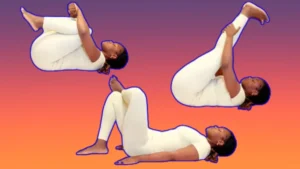
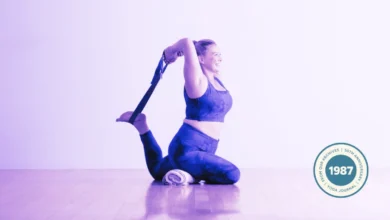
Reusable or even sturdy plastic grocery bags can be ingeniously employed as substitutes for yoga straps. By rolling a bag into a rope-like configuration, it can be utilized for stretches such as knee-to-chest, providing the necessary resistance and extension. For hamstring stretches, one can even place a foot inside the bag, holding onto the handles to deepen the stretch safely and effectively. This method not only mimics the function of a strap but also encourages mindful engagement with the materials at hand.
2. An Old Sports Bra: A Soft Strap Solution
An aging sports bra, particularly one with worn-out elastic, can serve as an excellent, soft alternative to a yoga strap. Its inherent stretchiness and fabric texture make it ideal for gentle assists in poses requiring a strap, offering a comfortable and readily available option for those looking to modify their practice without purchasing new equipment.
3. Backpacks and Purses: Support and Elevation
Luggage, purses, and especially backpacks are significantly underrated as supportive yoga props. A backpack can be placed strategically under the hip of the bent leg in poses like Pigeon Pose, providing crucial elevation and comfort. Similarly, placing smaller bags or backpacks beneath each knee in Bound Angle Pose can offer gentle support and alignment assistance. When using backpacks or bags in symmetrical poses, it is crucial to ensure they are of similar size and density to maintain balance across both sides of the body. This simple adjustment can significantly enhance stability and comfort in poses that require external support.
4. Kitchen Table: A Sturdy Surface for Deeper Stretches
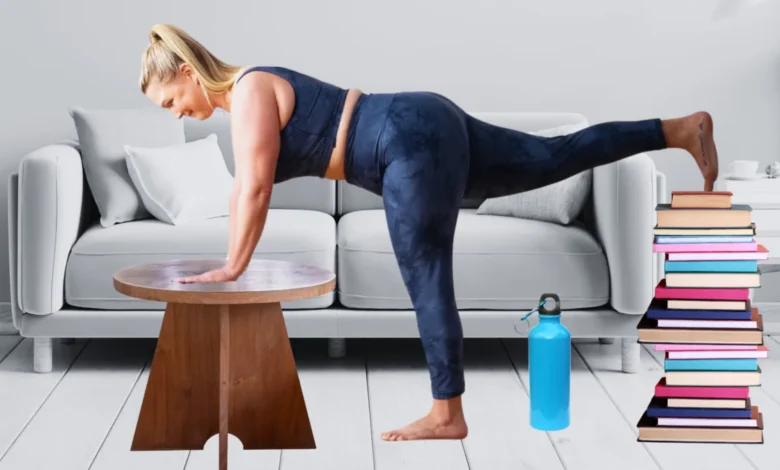
For practitioners seeking a less intense stretch in poses like Standing Forward Bend, a sturdy kitchen table offers an excellent alternative to the floor. Resting the upper body on the table allows for a gentler elongation of the spine and hamstrings. This not only provides a new appreciation for household furniture but also offers a valuable modification for those with tight hamstrings or lower back sensitivity. The stability of a well-constructed table ensures safety and allows for a controlled deepening of the stretch.
5. Pile of Dirty Laundry: Customized Cushioning
While perhaps unconventional, a pile of discarded clothing can be surprisingly useful. In poses like Wide-Legged Forward Bend, where maintaining a slight bend in the knees is often recommended for comfort and spinal health, a collection of clothes can be strategically placed to provide cushioning and support. By adjusting the amount of clothing, practitioners can customize the level of support needed for their individual bodies, transforming a mundane chore into a practical yoga aid.
6. Books: The Classic Block Substitute
Books are perhaps the most commonly recommended substitute for yoga blocks, and for good reason. A single hardcover book or a stack of them can effectively provide the height and stability needed in various poses, from balancing postures to seated meditation. For added security and to prevent slippage during practice, some practitioners, as noted on online forums such as Reddit, have even resorted to zip-tying stacks of books together, creating a more cohesive and stable prop. This simple hack ensures that the books remain in place, allowing for uninterrupted focus on the asana.
7. Sweatshirt or Sweatpants: Multi-Functional Softness
A cozy sweatshirt or a pair of sweatpants can serve multiple purposes in a home yoga practice. Folded, they can act as a comfortable cushion to sit on, improving posture and comfort in seated poses. Unfolded and rolled, they can provide support as a makeshift bolster under the knees or back. Even when used as a "strap," their soft fabric offers a gentler alternative for reaching or binding poses. Their inherent flexibility makes them adaptable to a range of support needs.
8. Water Bottle: A Firm Prop for Balance
A sturdy, rigid water bottle, especially a larger stainless steel variety, can effectively substitute for a yoga block when a bit of height is needed. In poses such as Warrior 3 or Half Moon Pose, a water bottle placed on the floor can provide a stable surface for the hand to rest upon, aiding in balance and alignment. While the metallic clanging of a dropped bottle might be jarring, its sturdy nature makes it a reliable prop, and its common presence in most households makes it an accessible option.
9. Cushions and Pillows: Enhanced Comfort and Safety
Couch cushions and bed pillows are invaluable for adding comfort and safety to a home yoga practice. In poses like Crow Pose, a pillow placed beneath the forehead can provide a soft landing in case of falls, reducing anxiety and encouraging exploration. These soft items can also function as makeshift bolsters, offering gentle support for the body in restorative poses such as Reclining Bound Angle Pose, promoting deeper relaxation and spinal alignment.
10. Sturdy Cardboard Box: A Versatile Support Structure
A robust cardboard box, especially one that might otherwise be discarded, can be surprisingly useful. It can serve as a stable block in various poses, providing elevation and support. For restorative practices, a box can be used as a base to prop up cushions or bolsters, creating a more comfortable and supportive environment for extended holds, allowing for deeper relaxation and therapeutic benefits.
11. Coffee Table: A Restorative Haven
The coffee table, often a central piece of living room furniture, can be repurposed for a restorative version of Legs Up the Wall Pose. By bending the knees and resting the calves on the surface of the coffee table, practitioners can achieve a highly supportive and restorative posture for the lower back. An ottoman can also serve this purpose effectively, providing a comfortable and accessible way to decompress and relieve tension.
12. A Cuddly Dog: The Ultimate Unconventional Prop
For dog owners, their canine companions can unexpectedly become valuable yoga props. Many dogs enjoy lying on yoga mats, and some are content to remain still, acting as a natural bolster for the knees or hips in poses like Savasana. While this "prop" is entirely dependent on the dog’s disposition and willingness to participate, it offers a unique and heartwarming dimension to home yoga practice, fostering a deeper connection between humans and their pets.
The Broader Implications: Accessibility and Mindfulness in Practice
The widespread adoption of these unconventional yoga props underscores a critical aspect of the modern yoga movement: its adaptability and inclusivity. By demonstrating that specialized equipment is not a prerequisite for a fulfilling practice, these resourceful solutions empower individuals to engage with yoga more consistently and confidently. This shift away from a reliance on expensive accessories can foster a deeper appreciation for the body’s inherent capabilities and the mental discipline required for yoga.
The trend of home-based yoga, supported by accessible online content and now by innovative prop alternatives, has significant implications for public health and well-being. It democratizes access to a practice known for its physical and mental health benefits, potentially reaching demographics that might have previously faced barriers due to cost or location. As more individuals discover the transformative power of yoga through these accessible methods, the overall well-being of communities is likely to see a positive impact. This ingenuity not only saves money but also cultivates a more mindful approach to consumption and resourcefulness, aligning with the core principles of yogic philosophy. The ability to find support and deepen one’s practice using readily available items reinforces the idea that yoga is not about perfection or external validation, but about inner exploration and personal growth, wherever one may be.