WellnessMama Introduces Refined-Sugar-Free Brown Butter Carrot Cake, Championing Healthier Dessert Options.

The culinary landscape continues to evolve with a growing emphasis on health-conscious ingredients and preparation methods, even for beloved comfort foods. In a significant development for home bakers and health enthusiasts, WellnessMama, a prominent voice in natural living and wellness, has unveiled a new Brown Butter Carrot Cake recipe featuring a refined-sugar-free honey cream cheese frosting. This innovative recipe, while aiming for a more traditional texture and taste profile than previous iterations, strategically incorporates wholesome alternatives to common baking ingredients, positioning it as a standout option for those seeking indulgent yet healthier dessert choices.
The Evolution of a Classic: A Health-Conscious Reimagining
Carrot cake, a dessert with roots tracing back to medieval times when carrots were used as a sweetener, has undergone numerous transformations throughout its history. Its modern form, typically a moist spice cake laden with cream cheese frosting, gained widespread popularity in the 20th century. However, as dietary awareness increased and concerns over refined sugars, processed vegetable oils, and gluten became more prevalent, a demand emerged for healthier interpretations of this classic. WellnessMama, known for its dedication to natural and wholesome recipes, has previously addressed this demand with a grain and gluten-free carrot cake that utilized coconut flour and a higher protein content from eggs, catering to specific dietary restrictions such as paleo or ketogenic preferences.
The latest recipe represents an evolution in this approach. While still rooted in health-consciousness, it pivots towards a "more traditional" yet thoughtfully modified structure. This shift acknowledges a broader trend among consumers who, while mindful of ingredients, may not adhere to strict grain-free diets but still prioritize ingredient quality and natural sweeteners. The incorporation of organic all-purpose flour, alongside options for a 1:1 gluten-free blend, demonstrates a commitment to versatility, ensuring the recipe remains accessible to a wider audience without compromising its health-focused ethos. This strategic flexibility allows the cake to cater to both those integrating organic grains into their diet and those who require gluten-free alternatives, reflecting a nuanced understanding of contemporary dietary preferences.
Ingredient Innovations: A Deep Dive into Wholesome Alternatives
The foundation of this updated carrot cake lies in its carefully selected ingredients, each chosen to enhance flavor and nutritional value without relying on conventional, less desirable components.
Brown Butter: Elevating Flavor Naturally
A cornerstone of the new recipe is the technique of browning butter. This seemingly simple step is a culinary game-changer, transforming regular butter into a rich, nutty, and subtly caramel-flavored ingredient. The Maillard reaction, a chemical process between amino acids and reducing sugars that gives browned foods their distinctive flavor, is responsible for this transformation. By carefully cooking butter until its milk solids toast, bakers can impart a profound depth of flavor that mimics caramel without the addition of any extra sugar. This technique is not merely a taste enhancement but a strategic move to build complexity and richness, allowing for a reduction in overall sweetness from other sources while delivering a more sophisticated palate experience. The author’s explicit warning to avoid burning the butter underscores the precision required, highlighting that successful execution is key to achieving the desired flavor profile.
Raw Honey: Nature’s Sweetener
In a direct departure from traditional recipes that typically rely on granulated sugar, this carrot cake utilizes raw honey as its primary sweetener. Raw honey, unlike refined sugars, retains beneficial enzymes, antioxidants, and trace minerals. While still a sugar, its natural composition and slightly lower glycemic index compared to white sugar make it a preferred choice for many health-conscious individuals. The use of honey also contributes a distinct floral and complex sweetness that complements the spices and carrots in the cake, offering a nuanced flavor profile that refined sugar cannot replicate. This choice aligns with a growing consumer trend towards natural and minimally processed sweeteners.
Butter vs. Vegetable Oils: A Return to Traditional Fats
The recipe explicitly opts for butter over vegetable oils, addressing a significant concern in modern diets. Many commercially available vegetable oils (such such as soybean, corn, or canola oil) are highly processed, often undergoing chemical extraction and deodorization, and are high in omega-6 fatty acids, which can contribute to inflammation when consumed in excess. Butter, a traditional fat, is lauded for its natural composition and beneficial fat-soluble vitamins (A, D, E, K2). Its inclusion in the recipe reflects a broader movement advocating for the return of wholesome, natural fats in cooking and baking, moving away from industrially produced alternatives.
Applesauce: Moisture and Natural Sweetness
To further enhance moisture and natural sweetness, applesauce is incorporated into the batter. This addition serves a dual purpose: it acts as a humectant, keeping the cake exceptionally moist, and contributes a subtle fruit-derived sweetness, allowing for a further reduction in added sweeteners. Applesauce also introduces a light, fruity note that harmonizes well with the carrots and spices.
Arrowroot Starch: The Unsung Thickener
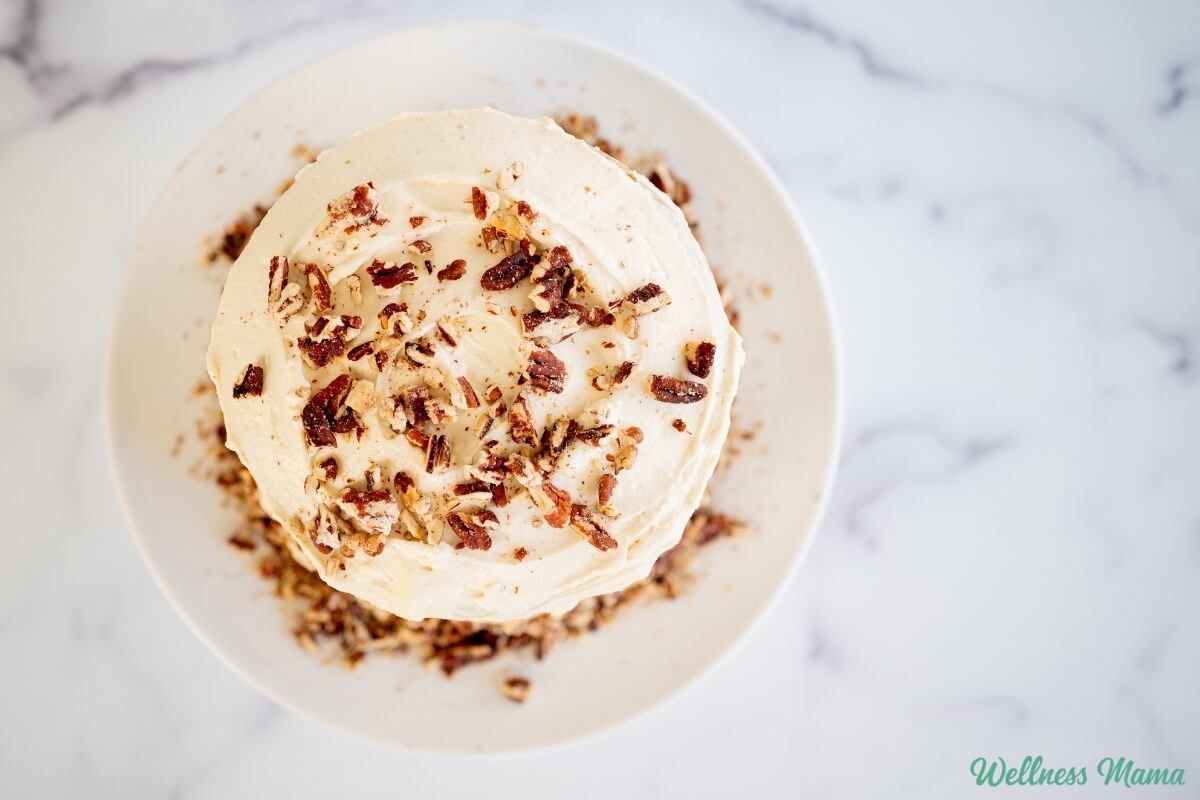
The innovative cream cheese frosting foregoes powdered sugar, a common ingredient for thickening and sweetening, in favor of raw honey and arrowroot starch. Arrowroot starch, derived from the root of the Maranta arundinacea plant, is a gluten-free, flavorless thickener. Its inclusion is crucial for achieving the desired consistency in the frosting without adding excessive sweetness or relying on refined sugars. This demonstrates a clever application of natural ingredients to solve a common baking challenge, providing a smooth, spreadable frosting that holds its structure without being overly sweet.
Nutritional Profile and Dietary Considerations
The nutritional data provided for this recipe highlights its profile: approximately 399 calories per serving, with 26g of fat (15g saturated) and 39g of carbohydrates (20g sugar). Notably, it delivers 68% of the daily value for Vitamin A, primarily from the carrots, underscoring the vegetable’s nutritional contribution. While still an indulgent dessert, the mindful ingredient choices contribute to a profile that is free from refined sugars and questionable vegetable oils, offering a more nutrient-dense option compared to many commercially produced or traditional carrot cakes. The flexibility to use a 1:1 gluten-free flour blend further broadens its appeal to those with celiac disease or gluten sensitivities, aligning with the rising demand for inclusive dietary options.
Simplified Preparation for Sophisticated Results
Despite the perceived complexity of its ingredient list, the recipe is designed for straightforward execution, adhering to a "wet ingredients, dry ingredients, then combine" methodology. This modular approach demystifies the baking process, making it accessible even to novice bakers. The critical, albeit simple, additional step of browning butter is presented as an investment in flavor that yields significant dividends. The emphasis on careful monitoring during the browning process — removing it just as it browns but before it burns — underscores the importance of technique in achieving culinary excellence.
The recipe’s adaptability extends to its pan options, accommodating various preferences and kitchen setups. The original design calls for four 6-inch cake pans, yielding an aesthetically pleasing, multi-layered cake, often favored for special occasions. However, the provision for two 9-inch round pans or even cupcakes demonstrates the recipe’s versatility for everyday enjoyment or different presentation styles. The inclusion of suggested bake times for each variation simplifies adjustments, ensuring consistent results regardless of the chosen format. While a sheet pan option is mentioned as untried, it opens avenues for further experimentation within the home baking community, fostering a sense of shared culinary exploration.
The Iconic Honey Cream Cheese Frosting: A Healthier Indulgence
No carrot cake is truly complete without its signature cream cheese frosting. This recipe’s refined-sugar-free version stands as a testament to achieving classic flavors through healthier means. The frosting is crafted with raw honey for sweetness and butter for a rich, buttercream-like consistency. The intentional decision to use arrowroot starch instead of powdered sugar is pivotal, providing the necessary thickening agent without the cloying sweetness of conventional frosting. This balance of tangy cream cheese and natural sweetness is a hallmark of a well-executed carrot cake frosting, ensuring the dessert remains delightful without being overwhelmingly sugary. The option to substitute maple syrup for honey further enhances its adaptability, catering to different flavor preferences or ingredient availability.
Storage, Preservation, and Culinary Impact
Practical considerations for storage and preservation are crucial for homemade baked goods. Given the inclusion of cream cheese and applesauce, refrigeration is mandated for any leftover cake, ensuring food safety and maintaining freshness. The advice to allow refrigerated slices to warm to room temperature before serving is a subtle but important tip for optimal flavor and texture enjoyment, allowing the complex notes of the brown butter and spices to fully develop.
The ability to freeze unfrosted cake layers or individual slices for up to 2-3 months offers significant convenience for meal planning and batch baking. This practical recommendation extends the life of the cake, allowing bakers to prepare components in advance or enjoy portions over time, minimizing waste. While freezing a fully frosted cake is cautioned against due to potential aesthetic compromises (cracking frosting), the assurance that it remains tasty underscores the resilience of the recipe. The emphasis on airtight containers for freezing further reinforces best practices in food preservation.
This new Brown Butter Carrot Cake recipe from WellnessMama represents more than just a dessert; it embodies a broader culinary philosophy. It showcases how classic indulgence can be thoughtfully re-engineered to align with contemporary health priorities without sacrificing taste or texture. By prioritizing whole, natural ingredients and clever techniques like browning butter and using alternative thickeners, the recipe contributes to the ongoing dialogue about sustainable and health-conscious eating. Its release provides home bakers with a valuable tool for creating delicious, celebratory desserts that cater to evolving dietary landscapes, solidifying WellnessMama’s role as an innovator in the wellness and food space. The recipe is poised to become a staple for those seeking a sophisticated, yet accessible, healthier alternative to a beloved classic, particularly as a festive option for spring gatherings or any occasion demanding a touch of wholesome sweetness.