From Posing Stages to the Grandest Stage: Bodybuilders Who Conquered WrestleMania

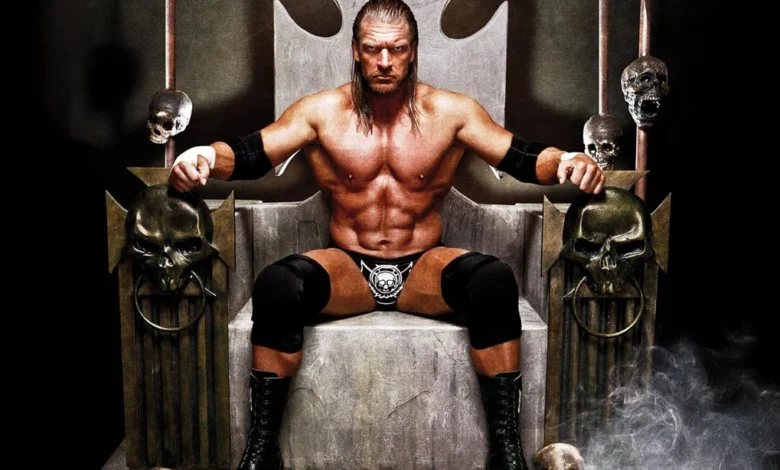
Bodybuilding, a rigorous discipline celebrated for its aesthetic perfection, muscularity, and the captivating charisma displayed on stage, has long served as a fertile training ground for athletes seeking new arenas of competition. Among these, the world of professional wrestling, particularly World Wrestling Entertainment (WWE), stands out as a destination where phenomenal physiques are not just admired but put to the ultimate test in the squared circle. The transition from striking a pose to executing a powerslam is demanding, requiring bodybuilders to adapt their strength, endurance, and stage presence to the unique theatrical and athletic demands of pro wrestling. While many have attempted this crossover with varying degrees of success, a select few have leveraged their larger-than-life statures and undeniable stage presence to achieve the pinnacle of sports entertainment: WrestleMania. This article delves into the careers of seven bona fide bodybuilders who not only embraced the grueling demands of professional wrestling but bodyslammed their way into the annals of its greatest annual spectacle.
The Symbiotic Relationship: Bodybuilding and Professional Wrestling
The allure of a powerful, sculpted physique has always been central to the appeal of professional wrestling. From the early days of strongmen and carnival wrestlers to the modern era of global sports entertainment, a commanding physical presence communicates strength, athleticism, and a larger-than-life persona crucial for captivating audiences. Bodybuilders, having dedicated years to sculpting their bodies, possess these attributes in abundance. Their discipline, work ethic, and ability to present themselves confidently make them ideal candidates for the demanding world of WWE, where athleticism, character portrayal, and the ability to connect with a crowd are paramount. WrestleMania, the WWE’s flagship event, often dubbed "The Showcase of the Immortals," represents the ultimate proving ground, a stage where legends are made and careers are defined before millions of fans worldwide.
Ultimate Warrior: A Hurricane of Intensity
James Brian Hellwig, famously known as the Ultimate Warrior, embodied unparalleled intensity and a physique that seemed to vibrate with raw power. Before his meteoric rise in WWE, Hellwig honed his impressive musculature in the amateur bodybuilding circuit, famously winning the NPC Mr. Georgia title in 1984. His bodybuilding background equipped him with not just a chiseled physique but also an aggressive, almost primal stage presence that would later translate seamlessly into his wrestling persona.
Hellwig made his professional wrestling debut in 1985, initially alongside Steve Borden (later known as Sting). His rapid ascent in WWE was fueled by an explosive in-ring style, an enigmatic promo delivery, and a look that was truly distinct. The Ultimate Warrior’s defining moment came at WrestleMania VI in 1990, where, before a record-breaking crowd of over 60,000 fans at the SkyDome in Toronto, he defeated Hulk Hogan in a legendary "Title for Title" match to capture both the WWE Championship and the Intercontinental Championship. This monumental victory cemented his status as one of the most popular WWE Superstars of all time. Despite his tragically early passing in 2014, his aura of untamed power and uncompromising intensity continues to resonate, a testament to how his bodybuilding foundation propelled his unique character to superstardom. His induction into the WWE Hall of Fame in 2014 further solidified his legacy as a crossover icon.
Sting: The Enigmatic Icon
Steve Borden, universally recognized as Sting, shared a similar origin story with his early tag team partner, Jim Hellwig. Both men were scouted for professional wrestling while working out, their sculpted physiques immediately catching the eye of talent scouts. Borden, too, had a background in competitive bodybuilding, which provided the foundation for his enduring physical prowess throughout a career spanning several decades.
After initially wrestling as "Flash" and then "Flesh," Borden adopted the iconic "Sting" moniker in 1986. While his early career saw him in the WWE-affiliated Universal Wrestling Federation, his true legend was forged in World Championship Wrestling (WCW). Joining WCW in 1987, Sting quickly became the face of the promotion, a six-time WCW World Heavyweight Champion, known for his athleticism, versatility, and ability to evolve his character, most notably with his dark, Crow-inspired persona during the Monday Night Wars. His unwavering loyalty to WCW made him resistant to joining WWE for many years, even after Vince McMahon acquired WCW in 2001.
However, the allure of WrestleMania eventually proved too strong to ignore. After a storied career outside of WWE, Sting finally made his highly anticipated debut at WrestleMania 31 in 2015. In a dream match against Triple H, Sting, though ultimately suffering a defeat, delivered a performance that transcended promotion loyalties, marking a poignant moment for long-time wrestling fans. His journey from competitive bodybuilder to one of wrestling’s most revered figures, culminating in a WrestleMania appearance, underscores the enduring appeal of a powerful physique combined with compelling character work.
Triple H: From Mr. Teenage New Hampshire to the King of Kings
Paul Levesque, known globally as Triple H, is another prime example of a bodybuilder who achieved unparalleled success in WWE, eventually transitioning into a significant corporate role. Levesque’s journey into the world of muscle began early; inspired by his professional wrestling heroes, he started bodybuilding at the tender age of 14. His dedication bore fruit when he won the 1988 Mr. Teenage New Hampshire competition at just 19 years old, showcasing an impressive physique that hinted at his future dominance.
Levesque entered professional wrestling under various monikers, including "Terra Ryzing" in WCW, before making his pivotal move to WWE in 1995 as "Hunter Hearst Helmsley." His career truly exploded with the formation of the rebellious D-Generation X faction, where his name was famously shortened to "Triple H." Over his illustrious in-ring career, Triple H became one of WWE’s most decorated and consistent performers, earning multiple world championships and headlining numerous WrestleMania events.
His WrestleMania resume is extensive and legendary, featuring high-profile battles against a who’s who of wrestling icons. From a memorable encounter with the Ultimate Warrior early in his career to epic championship clashes and even mixed tag team action alongside his wife, Stephanie McMahon, against Kurt Angle and Ronda Rousey, Triple H consistently delivered on the grandest stage. Though now retired from active competition, Levesque serves as WWE’s Chief Content Officer, a testament to his comprehensive understanding of the business, built on a foundation of athletic excellence and a profound appreciation for the physical spectacle, both undoubtedly influenced by his bodybuilding roots. His career trajectory perfectly illustrates how a background in competitive bodybuilding can provide the discipline and physical foundation for long-term success at the highest levels of sports entertainment and even corporate leadership.
Alexa Bliss: The Pocket Powerhouse
The influence of bodybuilding and fitness extends beyond the male roster, with several female athletes also making the successful leap to WWE. Alexis "Alexa Bliss" Kauffman is a shining example of this. Before becoming a multi-time WWE Women’s Champion, Bliss was a Division I cheerleader at the University of Akron, demonstrating her athleticism. However, it was her serious commitment to competitive bodybuilding that truly shaped her physique and stage presence.
Bliss made a significant mark in the fitness world, winning the 2011 NPC Teen Collegiate Championship in the Bikini division. She further showcased her dedication by competing in the prestigious Arnold Classic in both 2012 and 2013, solidifying her credentials as a top-tier fitness competitor. This background provided her with a lean, athletic build and the confidence to perform under pressure, attributes highly valued in WWE.
As Alexa Bliss, she quickly rose through the ranks, becoming a "pocket powerhouse" known for her captivating character work and agile in-ring style. Her WrestleMania journey began with her in-ring debut at WrestleMania 33 in a women’s Battle Royal. She continued to make history, capturing the WWE Women’s Tag Team Championship with Nikki Cross at WrestleMania 36. Her consistent presence and ability to adapt her character have kept her at the forefront of the women’s division. Looking ahead, Bliss is slated to have another opportunity at the tag team championships at WrestleMania 42 in 2026, partnering with Charlotte Flair in a fatal-four-way battle, demonstrating her enduring relevance and impact on the grandest stage. Her career exemplifies how a strong foundation in fitness and bodybuilding can translate into a dynamic and successful career in professional wrestling.
Tony Atlas: The Black Superman
Tony "Anthony White" Atlas, often referred to as "The Black Superman," possessed a physique that was truly legendary in both bodybuilding and professional wrestling circles. Atlas was a celebrated powerlifter and an accomplished bodybuilder, reportedly winning the prestigious "Mr. USA" title three times, including the Pro Mr. USA through the World Bodybuilding Guild in 1979. His incredible strength and perfectly proportioned physique made him a standout, earning him admiration from fans and peers alike.
Atlas brought his formidable physical presence to WWE (then WWF) where he became a prominent figure in the 1980s. He is particularly well-known for making history alongside Rocky Johnson (the father of Dwayne "The Rock" Johnson), forming "The Soul Patrol" and becoming the first African-American tag team to hold a WWE championship in 1983. His WrestleMania appearances included a notable role in the famous Battle Royal at WrestleMania 2 in 1986, which uniquely featured both WWE Superstars and NFL combatants, showcasing his ability to compete among diverse athletic talents.
Beyond his in-ring career, Tony Atlas has remained connected to the WWE universe, notably appearing in the "Legends House" reality show, allowing newer generations to appreciate his enduring legacy. His transition from a decorated bodybuilder and powerlifter to a trailblazing professional wrestling champion highlights the physical excellence and groundbreaking achievements that can result from such a crossover.
Dana Brooke: Fitness Pro to WWE Warrior
Ashley Sebera, known to WWE fans as Dana Brooke, represents the modern era of fitness models and bodybuilders making their mark in professional wrestling. Brooke’s extensive background in competitive fitness and bodybuilding provided her with a powerful, athletic physique and the mental fortitude required for WWE. She first competed in the Fitness division at the NPC Junior USA Championships in 2012, where her talent was evident. Her dedication was quickly rewarded as she earned her IFBB Pro card in the same year, a significant achievement in the world of professional bodybuilding. Brooke continued to compete at a high level, even gracing the stage of the prestigious Arnold Classic in 2017.
Her impressive athletic resume caught the attention of WWE, leading her to sign with the company’s developmental system in 2013. As Dana Brooke, she remained a consistent presence on WWE television for over a decade, showcasing her athleticism and dedication. Her career highlights include an astounding 15 reigns as the WWE 24/7 Champion, a title that underscored her readiness to compete at any time.
Brooke’s WrestleMania appearances underscore her longevity and commitment. She competed in the women’s battle royal at WrestleMania 34, was part of the kick-off show Battle Royal at WrestleMania 35, and most recently participated in a Tag Team Turmoil Match at WrestleMania 37. Her journey from IFBB Pro to a consistent performer on WWE’s biggest stage illustrates the pathway for contemporary fitness athletes to transition successfully into sports entertainment.
John Cena: The Prototype’s Unseen Power
While often recognized as a wrestling and Hollywood megastar, John Cena’s journey began with a strong foundation in physical culture and competitive bodybuilding. After earning a degree in science and kinesiology from Springfield College in Massachusetts, Cena moved to Venice, California, a mecca for bodybuilding. There, he took on various odd jobs, notably at the legendary Gold’s Gym, immersing himself in the bodybuilding community while also pursuing competitive bodybuilding himself. This period was crucial in shaping his formidable physique and understanding of physical performance.
His connections at Gold’s Gym eventually led to an opportunity to train as a professional wrestler. Adopting the apt moniker "The Prototype," Cena quickly gained recognition for his impressive build and burgeoning charisma, leading to his signing with WWE in 2000. He rapidly evolved from "The Doctor of Thuganomics" to the embodiment of "Hustle, Loyalty, and Respect," becoming arguably the most successful WWE Superstar of his generation.
John Cena carved out an exceptional professional wrestling career, setting a record by tying Ric Flair’s record of seventeen world championships. His WrestleMania legacy is immense, headlining multiple events and engaging in iconic battles against the biggest names in the industry. While he formally retired from full-time wrestling upon losing to Gunther in 2025, solidifying his status as a sure-fire WWE Hall of Famer, his influence continues. In addition to his thriving Hollywood career, Cena is slated to be the official host of WrestleMania 42, demonstrating his enduring connection to the event that defined much of his career. Cena’s trajectory exemplifies the pinnacle of success for a bodybuilder transitioning into sports entertainment, leveraging his physical conditioning and magnetic personality to become a global icon.
The Enduring Legacy and Future Implications
The careers of these seven bodybuilders underscore a significant and mutually beneficial relationship between the worlds of competitive bodybuilding and professional wrestling. The discipline, aesthetic appeal, and performance skills honed on the posing stage provide an invaluable foundation for the rigorous demands of the wrestling ring. These athletes not only maintained their phenomenal physiques but adapted them for the athleticism, storytelling, and physical impact required to thrive in WWE. Their success at WrestleMania, the ultimate stage, highlights the potential for crossover talent to achieve legendary status.
The WWE continues to scout athletes from various sports, recognizing that a diverse athletic background, combined with charisma and a willingness to learn the art of professional wrestling, can lead to incredible entertainment value. The legacy of bodybuilders at WrestleMania is a testament to the power of a chiseled physique, not just as a visual spectacle, but as a foundation for athletic achievement and captivating storytelling.
Fans eager to witness the next generation of athletic prowess and captivating drama can mark their calendars for WrestleMania 42. The event is scheduled for April 18 and 19, 2026, live from Allegiant Stadium in Las Vegas. This grand spectacle of sports entertainment will be available for streaming on ESPN in the U.S. and internationally on Netflix, promising another unforgettable chapter in the ongoing saga of strength, skill, and showmanship. The presence of former bodybuilding competitors and physically impressive athletes continues to be a cornerstone of WWE’s appeal, ensuring that the "Showcase of the Immortals" remains a celebration of peak human performance.