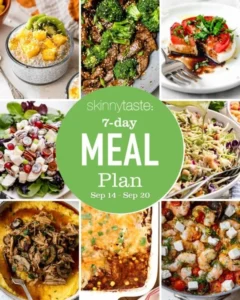
Skinnytaste Releases Free 7-Day High-Protein Meal Plan Focused on Balanced Nutrition and Seasonal Transition


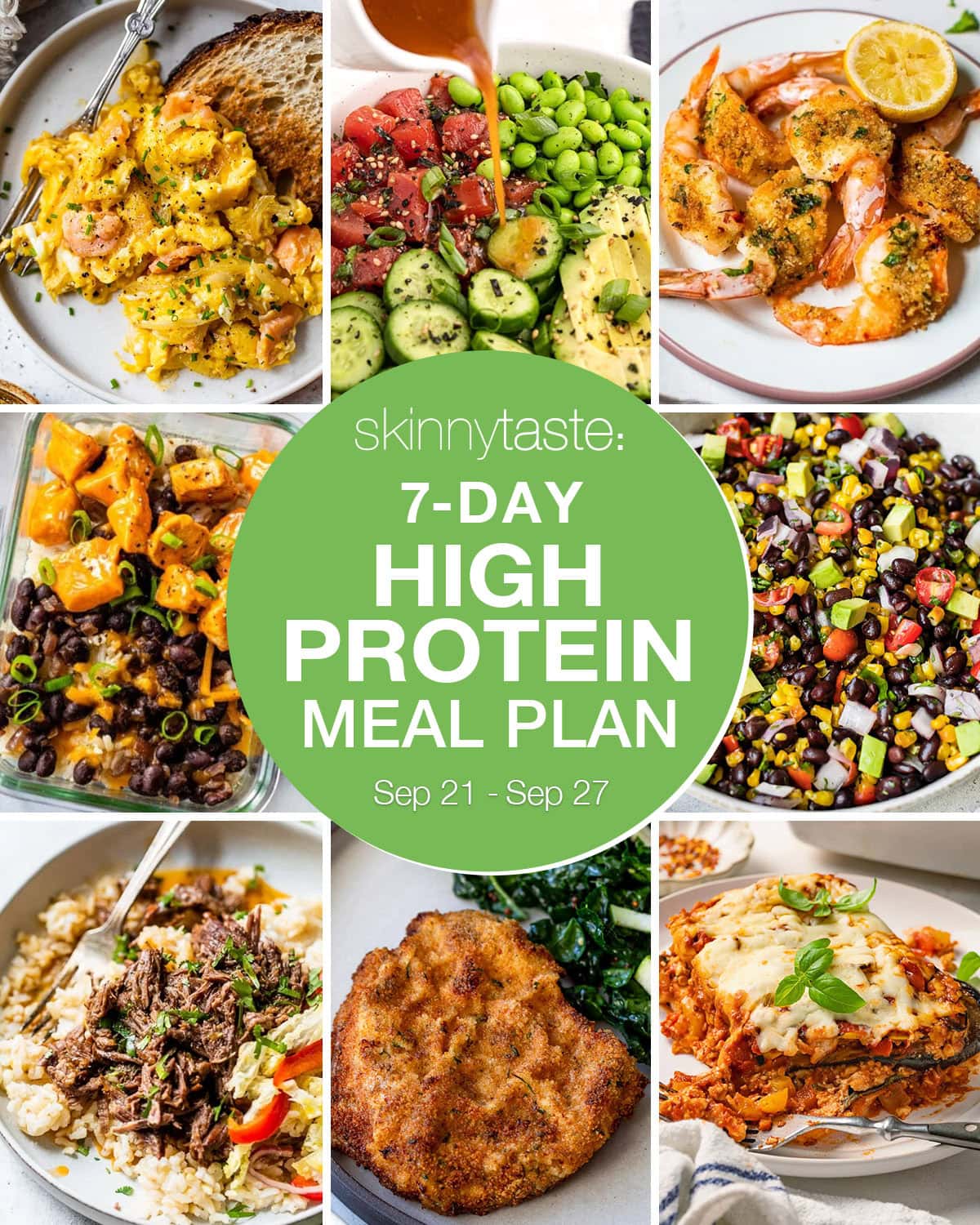
As the seasonal shift transitions culinary preferences away from light summer dishes toward comforting autumn menus, the digital wellness platform Skinnytaste has officially released its latest comprehensive resource: a free, 7-day high-protein diet meal plan complete with daily breakfast, lunch, and dinner ideas, alongside an organized grocery shopping list. Designed to bridge the gap between nutritional efficacy and seasonal comfort, the newly published program incorporates detailed macronutrient breakdowns and tailored Weight Watchers points for every featured recipe.
The release arrives at a strategic juncture in the annual wellness calendar. Nutritionists and dietary experts frequently note that autumn serves as a psychological and physiological turning point for consumers, who tend to pivot away from raw, cold foods toward warming, slow-cooked meals. By introducing high-protein alternatives that mimic the comfort of traditional autumn fare—such as slow-cooked stews, roasted root vegetables, and protein-forward grain bowls—the meal plan aims to help individuals maintain their dietary goals without feeling deprived as temperatures drop.
The Nutritional Science Behind High-Protein Diets
The impetus behind Skinnytaste’s regular introduction of high-protein meal plans stems from a broader, sustained shift in consumer health trends toward muscle protein synthesis, metabolic health, and satiety management. Over recent years, nutritional science has increasingly underscored the vital role that adequate protein consumption plays not only in athletic recovery and muscle preservation but also in weight management.
Clinical dietetics generally define a high-protein diet as one where protein accounts for 20% to 30% or more of total daily caloric intake. According to health authorities, prioritizing protein triggers the release of satiety hormones such as peptide YY and GLP-1 while reducing levels of ghrelin, the hormone responsible for stimulating hunger. For individuals attempting to sustain a caloric deficit or maintain a healthy weight, this biochemical response significantly curbs mid-afternoon and late-night cravings for hyper-palatable, nutrient-poor snacks laden with refined sugars and sodium.
In the framework of the newly released 7-day plan, daily targets are engineered to hover around 120 to 130 grams of protein, deliberately distributed evenly across meals. Nutritionists often recommend a threshold of approximately 25 to 30 grams of protein per sitting to maximally stimulate muscle protein synthesis, a principle reflected in the layout of the daily menus spanning Monday through Sunday.
Program Structure and Flexibility
Understanding that a rigid, one-size-fits-all approach to dieting frequently leads to burnout and discontinuation, the framework of the Skinnytaste meal plan emphasizes personalized caloric adaptation. While individual daily totals across the featured menus average roughly 1,300 calories with over 120 grams of protein, the publisher explicitly frames the schedule as a foundational guide rather than an absolute prescription.
Health professionals generally advise that adult energy requirements vary wildly depending on baseline metabolic rate, age, biological sex, daily physical activity levels, and overarching health objectives. For women, standard baseline caloric maintenance often necessitates roughly 1,500 to 2,000 calories per day, depending on activity. Consequently, the program intentionally leaves generous "wiggle room" for participants to incorporate additional caloric sources, such as morning coffee, healthy fats, extra servings of fresh fruit, afternoon snacks, or evening treats, ensuring the plan remains sustainable over the long term.

Furthermore, the structure accounts for domestic efficiency. Weekday breakfasts and lunches are scaled to single-serving portions to accommodate individual schedules, while dinners and weekend meals are calibrated to serve a family of four. This dual approach minimizes food waste, reduces time spent cooking multiple distinct meals, and utilizes intelligent batch-cooking strategies, such as repurposing braised beef and chicken dishes into subsequent lunches.
Integration with Weight Watchers and Digital Tracking
A prominent feature of the updated nutritional guides is their seamless integration with contemporary diet tracking ecosystems. Amid recent updates to the Weight Watchers (WW) points system—which notably expanded its roster of zero-point foods, including staples like oatmeal—program developers have worked to ensure compatibility.
While manual updates to extensive digital recipe libraries require systematic revision, every recipe featured in the new meal plan links directly to the official WW recipe builder via mobile devices. This technological bridge automatically recalibrates point values in real-time according to a user’s specific zero-point food preferences, minimizing administrative friction for participants who rely on point-based accountability systems.
Medical Considerations and Professional Guidance
Despite the widespread popularity of high-protein diets, medical and nutritional communities continually emphasize that elevated protein consumption is not universally appropriate for every demographic.
Clinical dietitians and nephrologists caution that individuals diagnosed with pre-existing renal impairments, chronic kidney disease, liver disorders, gout, or specific metabolic conditions must exercise extreme caution. High protein loads force the kidneys to work harder to filter out nitrogenous waste products generated by protein metabolism. Consequently, older adults with age-related declines in glomerular filtration rate or those managing chronic illnesses are strongly advised to consult a primary care physician, nephrologist, or registered dietitian before drastically altering their macronutrient ratios.
For the general healthy population, however, transitioning to a balanced, whole-food-based high-protein regimen can yield profound improvements in body composition, blood sugar regulation, and sustained energy levels.
Broader Market Impact and Community Engagement
The release of structured, weekly digital meal plans reflects a broader commercial and cultural movement within the wellness industry. As consumers navigate an overwhelming abundance of fragmented dietary advice online, curated, end-to-end solutions—which bundle recipes, macro calculations, and master grocery lists into a single cohesive package—have become highly sought-after commodities.
Platforms that successfully cultivate interactive communities alongside these meal plans often see higher rates of adherence and long-term success. By pairing the written meal schedules with active peer networks—such as dedicated digital community groups where members share photographs, modifications, and troubleshooting tips—participants benefit from social reinforcement and accountability.

As the autumn season progresses, the rollout of seasonally appropriate, macro-friendly meal planning underscores a maturing wellness landscape. Rather than demanding drastic, unsustainable restrictions, modern nutritional programming increasingly emphasizes culinary enjoyment, seasonal integration, and individualized flexibility as the primary pillars of enduring health.