A 7-Day Flexible Weight Loss Meal Plan for Summer Wellness and Budget-Conscious Eating

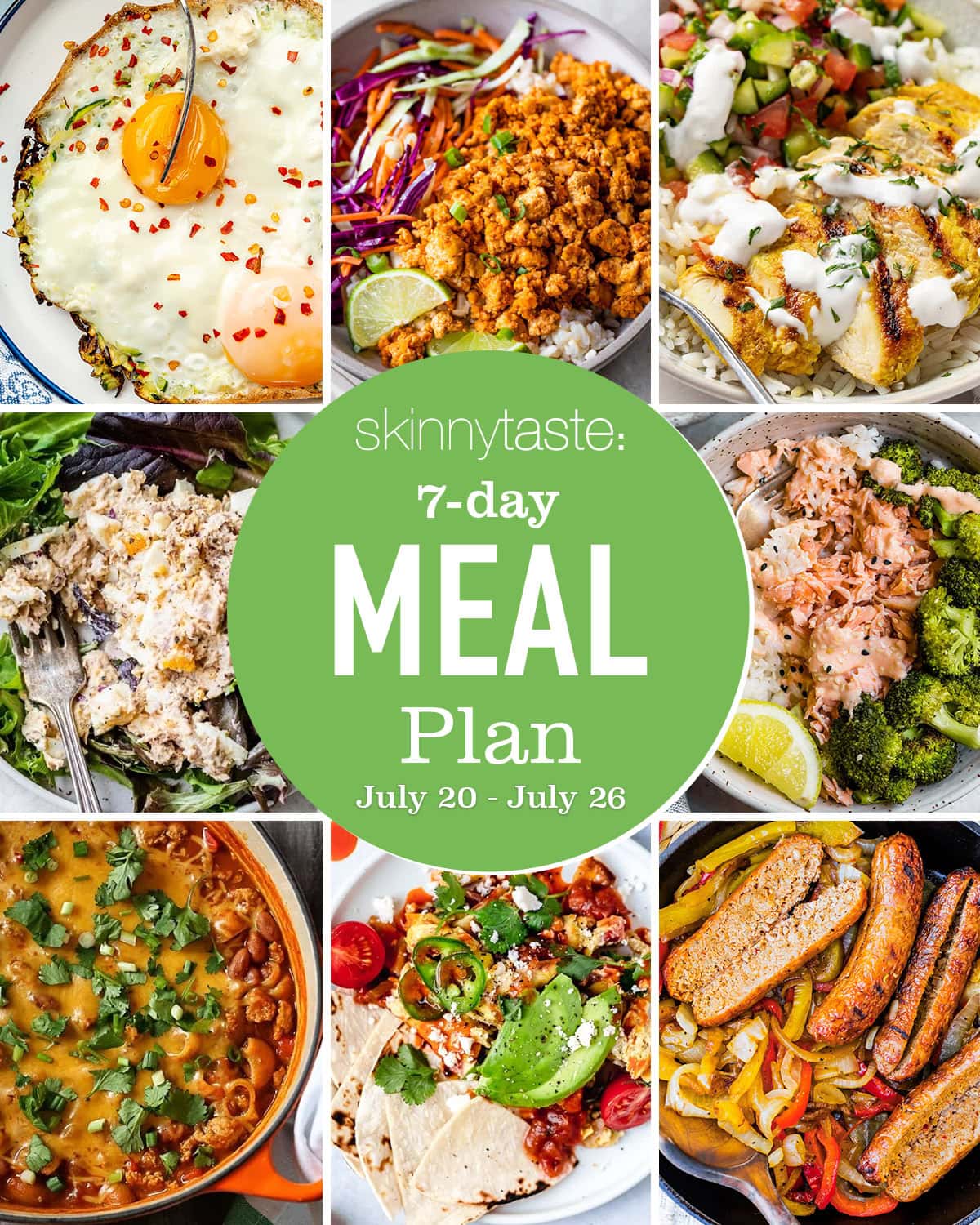
This comprehensive 7-day weight loss meal plan, designed by Skinnytaste, offers a flexible and practical approach to healthy eating throughout the summer months. The plan includes breakfast, lunch, and dinner ideas, complete with macro breakdowns and Weight Watchers points, alongside a meticulously organized shopping list. This initiative aims to provide individuals with a structured yet adaptable framework for achieving their wellness goals while navigating potential budget constraints and the desire for convenient, flavorful meals.
The core of this meal plan revolves around a curated selection of recipes designed to be both nutritious and appealing, particularly during warmer weather. Recognizing the challenges of maintaining healthy eating habits during summer activities like picnics and cookouts, the plan highlights a selection of "lettuce-free" salads. These salads, such as the Cucumber Melon Salad, White Bean Salad, and Grilled Chicken with Mango Black Bean Salad, are presented as ideal alternatives because they maintain their freshness and crispness without relying on leafy greens, making them perfect for outdoor gatherings. The emphasis on minimal cooking and easy cleanup further aligns with the desire for convenience during leisure activities.
Skinnytaste, the culinary platform behind this plan, has a history of providing accessible and health-conscious recipes. For years, the site has been a trusted resource for individuals seeking to balance taste with nutritional value. This particular meal plan continues that tradition, offering a detailed roadmap for seven days, with the explicit understanding that it serves as a flexible guide. Users are encouraged to adapt the plan to their personal preferences and caloric needs, with ample room to incorporate additional food items, beverages, snacks, and even occasional indulgences. The general guideline suggests aiming for at least 1500 calories per day, acknowledging that individual requirements will vary based on factors such as age, weight, and specific health objectives.
The Importance of Meal Planning in Today’s Climate
The introduction of this meal plan comes at a time when food prices have seen a notable increase, prompting many households to re-evaluate their spending habits and dietary strategies. In this economic landscape, meal planning emerges as a critical tool for both budget management and the consistent adherence to healthy eating principles. By providing a detailed shopping list, the Skinnytaste plan directly addresses this concern, aiming to reduce impulse buys, minimize food waste, and ensure that all necessary ingredients are readily available, thereby reducing the temptation to dine out or opt for less healthy convenience foods. This proactive approach can lead to significant savings over time and foster a more disciplined approach to nutrition.
The Skinnytaste platform actively promotes community engagement, encouraging users to share their culinary experiences and modifications. A dedicated Facebook community serves as a forum for recipe enthusiasts to exchange ideas, post photos of their creations, and offer support to one another. This collaborative environment underscores the idea that healthy eating is a shared journey, and community support can be a powerful motivator. Furthermore, an email subscription option ensures that followers remain informed about new meal plans and related content, facilitating ongoing participation in the Skinnytaste wellness ecosystem.
A Detailed Look at the 7-Day Meal Plan
The provided 7-day meal plan is structured to cater to different household needs, with breakfasts and lunches on weekdays designed for single servings, while dinners and all meals on weekends are portioned for a family of four. This thoughtful division accounts for varying consumption patterns and ensures that leftovers can be utilized effectively, further enhancing the plan’s practicality and reducing food preparation time.
Monday (July 20):
The week kicks off with a breakfast of Feta Eggs with Zucchini, followed by a Chicken Egg Roll Bowl for lunch. The dinner offering is Spicy Gochujang Tofu Bowls, with the recipe yielding enough for two servings, providing an immediate opportunity for planned leftovers. The estimated calorie count for the day is 1,199.
Tuesday (July 21):
Breakfast and lunch on Tuesday mirror Monday’s offerings, ensuring consistency and ease of preparation. Dinner features a One Pot Cheesy Turkey Taco Chili Mac, complemented by a side of Best Guacamole. This meal is designed to serve a family of four, with the expectation of leftovers for the following day. The total estimated calories for Tuesday are 1,160.
Wednesday (July 22):
The week continues with a breakfast of Avocado Toast with Egg. Lunch remains the Chicken Egg Roll Bowl. Wednesday’s dinner is dedicated to enjoying the leftovers from the One Pot Cheesy Turkey Taco Chili Mac and Guacamole. The estimated calorie intake for the day is 1,105.
Thursday (July 23):
Breakfast shifts to an Air Fryer Breakfast Banana Split. Lunch features Tuna Egg Salad served with 12 small whole grain crackers. For dinner, the plan suggests Grilled Sausage and Peppers, accompanied by Red Potato Salad. The total estimated calories for Thursday are 1,262.
Friday (July 24):
Breakfast and lunch on Friday repeat Thursday’s options, maintaining a streamlined approach to meal preparation. Dinner on Friday is a Smashed Salmon Broccoli Rice Bowl. The estimated calorie count for the day is 1,191.

Saturday (July 25):
The weekend begins with a breakfast of Protein PB & J Smoothie Bowls, with the recipe scaled to serve four and topped with peanut butter. Lunch is a Zesty Lime Shrimp and Avocado Salad, served with tortilla chips. Saturday’s dinner is designated as "Dinner Out," offering flexibility for social engagements or a break from home cooking. The estimated calorie count for the day is 699.
Sunday (July 26):
Sunday’s breakfast features Tex Mex Migas. Lunch consists of Tomato, Mozzarella and Roasted Pepper on Whole Wheat Bread, with the recipe adjusted for four servings. The week concludes with a Feta-Brined Chicken Bowl with Salad Shirazi for dinner. The total estimated calories for Sunday are 1,094.
It is important to reiterate that these calorie counts are estimates and serve as a guide. The plan is intentionally designed with "wiggle room" to allow for the incorporation of additional food items, beverages, fruits, snacks, desserts, and alcoholic beverages, such as wine. The overarching goal is to provide a sustainable framework for weight management, acknowledging that individual needs can vary significantly. For a more precise estimation of personal calorie requirements, users are directed to resources like the MyPlate Plan calculator.
Enhancing Culinary Organization and Accessibility
Beyond the daily meal suggestions, the Skinnytaste plan places a significant emphasis on organization and accessibility. The inclusion of a comprehensive shopping list, categorized by food type (Produce, Meat, Poultry and Fish, Condiments and Spices, Dairy & Misc. Refrigerated Items, Grains, Canned and Jarred, Frozen, and Misc. Dry Goods), is a key feature. This detailed list aims to streamline the grocery shopping experience, saving both time and money by preventing unnecessary purchases and ensuring that all necessary ingredients are acquired in one trip. For those with dietary restrictions or preferences, the option to select gluten-free grains is also noted.
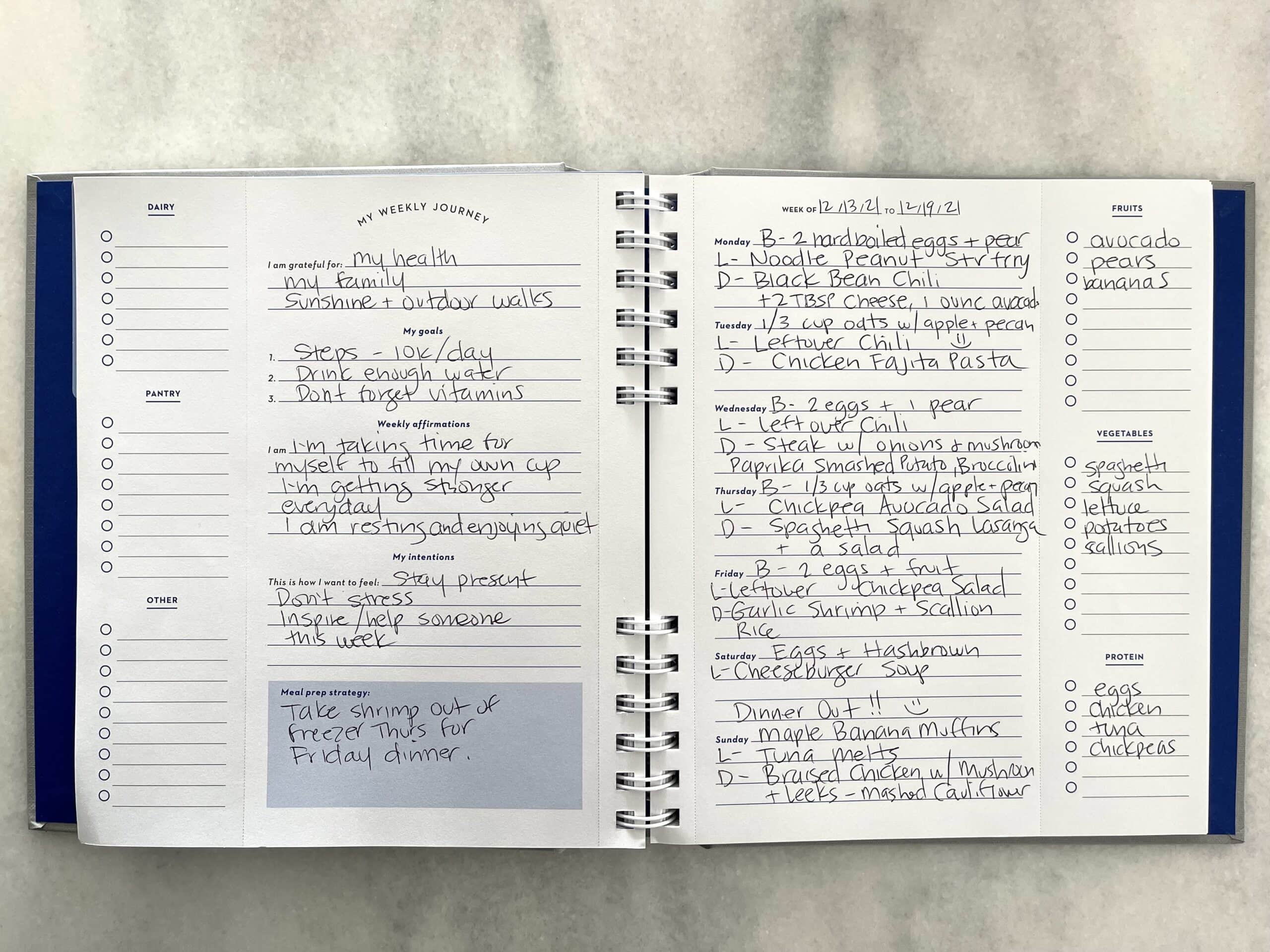
To further support users in their culinary endeavors, Skinnytaste offers the "Ultimate Skinnytaste Meal Planner." This physical planner is designed as a 52-week resource, featuring tear-out weekly meal planning grids, a 12-week sample meal plan, 30 recipes (15 of which are new), and additional tear-out grocery lists. The planner also incorporates sections for gratitude, affirmations, and intentions, aiming to foster a holistic approach to wellness that extends beyond just food.
Analysis and Broader Implications
The Skinnytaste 7-day meal plan represents a strategic response to contemporary challenges in healthy eating: the desire for convenient, delicious meals, the need for budget-conscious food choices, and the pursuit of personal wellness goals. By providing a structured yet adaptable framework, the plan empowers individuals to take control of their nutrition. The emphasis on recipes that are suitable for summer gatherings and require minimal preparation speaks to the practical needs of busy individuals and families.
The integration of nutritional information, including macro breakdowns and Weight Watchers points, caters to a diverse audience with varying dietary tracking preferences. The clear designation of recipe yields and the incorporation of leftovers further enhance the plan’s efficiency and reduce food waste, aligning with growing consumer awareness of sustainability.
Furthermore, the plan’s implicit encouragement of mindful eating and its acknowledgment of individual caloric needs suggest a balanced approach to weight management that avoids restrictive dieting. The community-building aspect, facilitated through social media and online forums, fosters a supportive environment, which is crucial for long-term adherence to healthy habits.
In conclusion, this 7-day meal plan from Skinnytaste is more than just a collection of recipes; it is a thoughtfully curated resource designed to support individuals in achieving their health and wellness objectives in a practical, enjoyable, and budget-conscious manner, particularly during the vibrant summer season. The detailed organization, emphasis on flexibility, and community engagement all contribute to its potential effectiveness in promoting sustainable healthy eating habits.