The modern landscape of home fitness has experienced a dramatic evolution, driven by shifting consumer habits and a growing demand for versatile, commercial-grade equipment tailored for residential spaces. Among the most foundational investments for any serious strength training enthusiast is the power rack. Serving as the ultimate centerpiece for a home gym, a quality power rack provides the structural integrity and safety mechanisms required to execute heavy compound movements—such as barbell squats, bench presses, and overhead presses—without the need for a dedicated human spotter. As we move deeper into 2025, manufacturers have refined their engineering to deliver unprecedented value, combining heavy-gauge steel construction, space-saving innovations, and modular attachment ecosystems that transform a basic cage into a complete full-body training station.
To navigate the crowded marketplace, fitness enthusiasts must weigh numerous variables, including spatial constraints, weight capacities, manufacturing techniques, and budgetary limits. To provide expert guidance through this selection process, industry insights have been gathered from Shane Sevcik, a USAW-1 (USA Weightlifting) certified coach, current USA Weightlifting Foundation board member, state record holder, and Masters Pan American and World title holder. His perspective on engineering standards, safety parameters, and functional utility anchors our comprehensive evaluation of the market’s leading contenders for 2025.
Understanding the Power Rack: Anatomy and Purpose
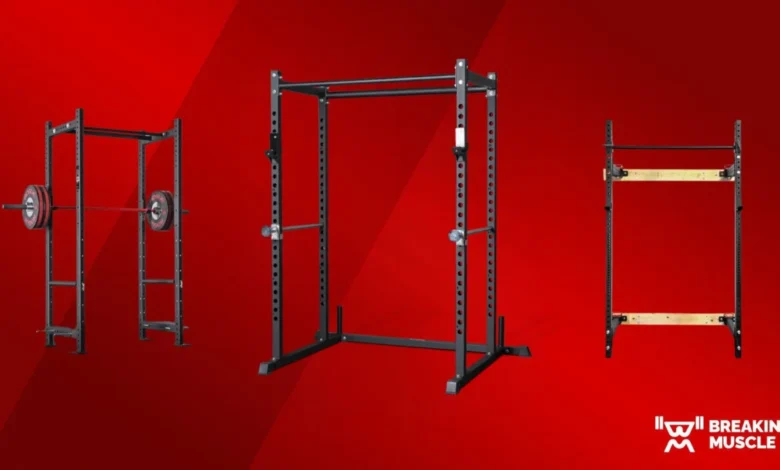
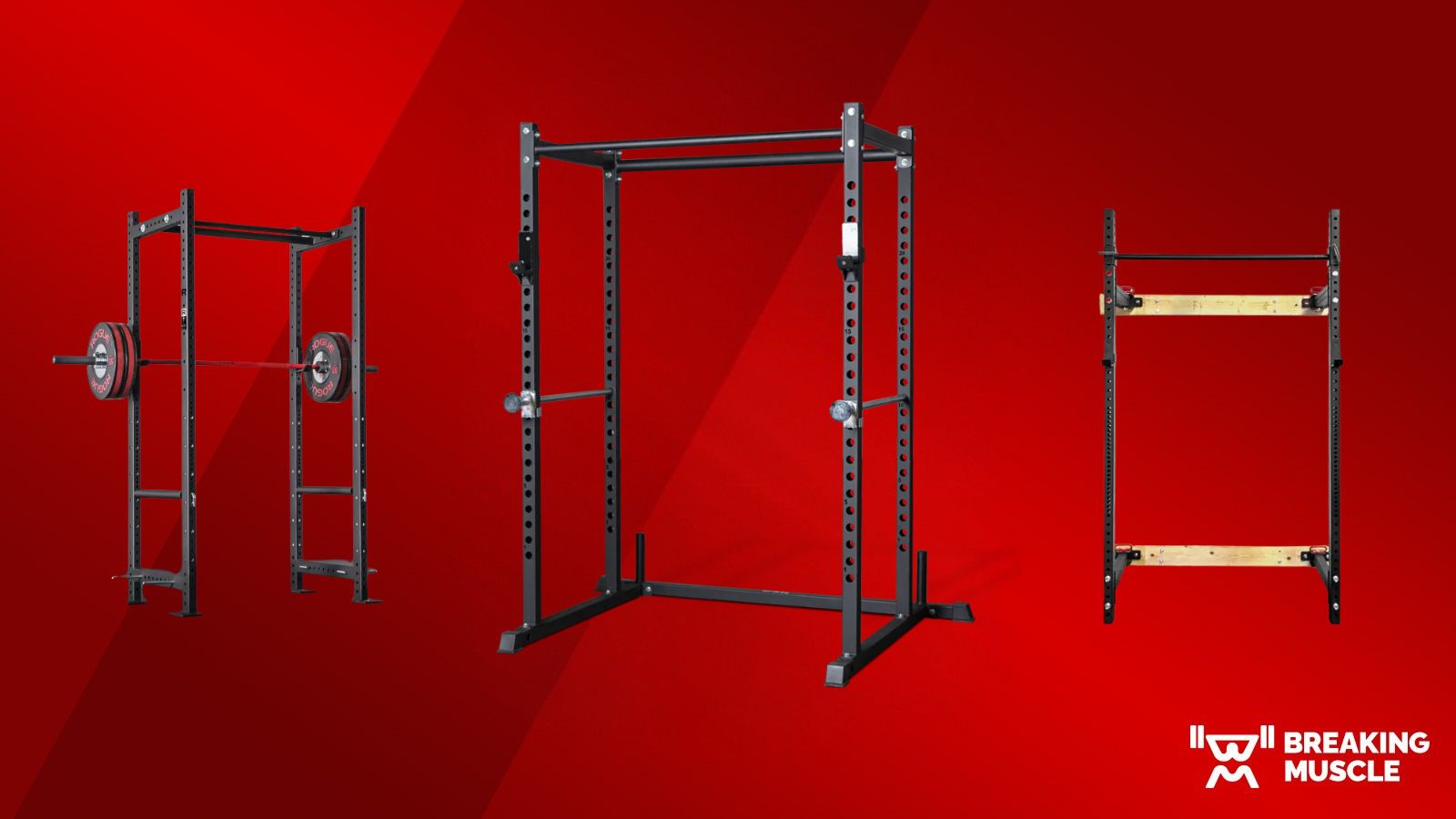
A power rack, frequently referred to as a power cage, typically consists of four vertical uprights connected by robust cross members, establishing a secure enclosure within which an athlete can lift. This structural design differentiates it from a half-rack or a simple squat stand, which generally features only two uprights and offers less versatility and containment. The enclosed nature of a full power rack allows lifters to operate both inside and outside the cage, maximizing the range of motion and accommodating a wider variety of accessories.
Beyond traditional barbell training, modern power racks serve as multi-functional hubs. Through standard inclusions or aftermarket attachments, these units can incorporate pull-up bars, dip stations, landmine attachments, resistance band pegs, and integrated pulley systems for cable exercises. This high degree of adaptability ensures that users can execute everything from powerlifting and Olympic weightlifting to calisthenics and hypertrophy-focused bodybuilding within a single footprint.
Expert Evaluation and Manufacturing Standards
When evaluating the vast array of equipment available to consumers, manufacturing quality remains a primary differentiator. According to Shane Sevcik, the choice of materials dictates the overall longevity and performance of the unit. "Look for thick, heavy-duty steel such as 11-gauge," Sevcik advises. "A rack made out of thicker steel creates more leverage on the uprights, especially when you add those attachments."
Beyond the steel gauge, modern fabrication methods have shifted toward advanced automation. Leading brands increasingly utilize laser-cutting technology rather than traditional mechanical punching to create upright holes. Laser cutting yields cleaner edges, tighter tolerances, and superior consistency. Furthermore, the deployment of robotic welding in place of manual labor ensures uniform structural integrity across high-stress joints.
Hole spacing is another critical metric highlighted by experts. While standard racks may feature uniform two-inch spacing, advanced models incorporate "Westside spacing"—a pattern featuring one-inch intervals through the bench and clean pull zones. This granular adjustment capability allows lifters to position J-hooks and safety arms with pinpoint accuracy, ensuring an optimal mechanical advantage and setup position for every individual.
Top Power Rack Selections for 2025
The market for 2025 features specialized options tailored to specific consumer needs, ranging from budget-friendly entry points to heavy-duty commercial setups.
Best Overall Power Rack: REP Fitness PR-1000 Power Rack
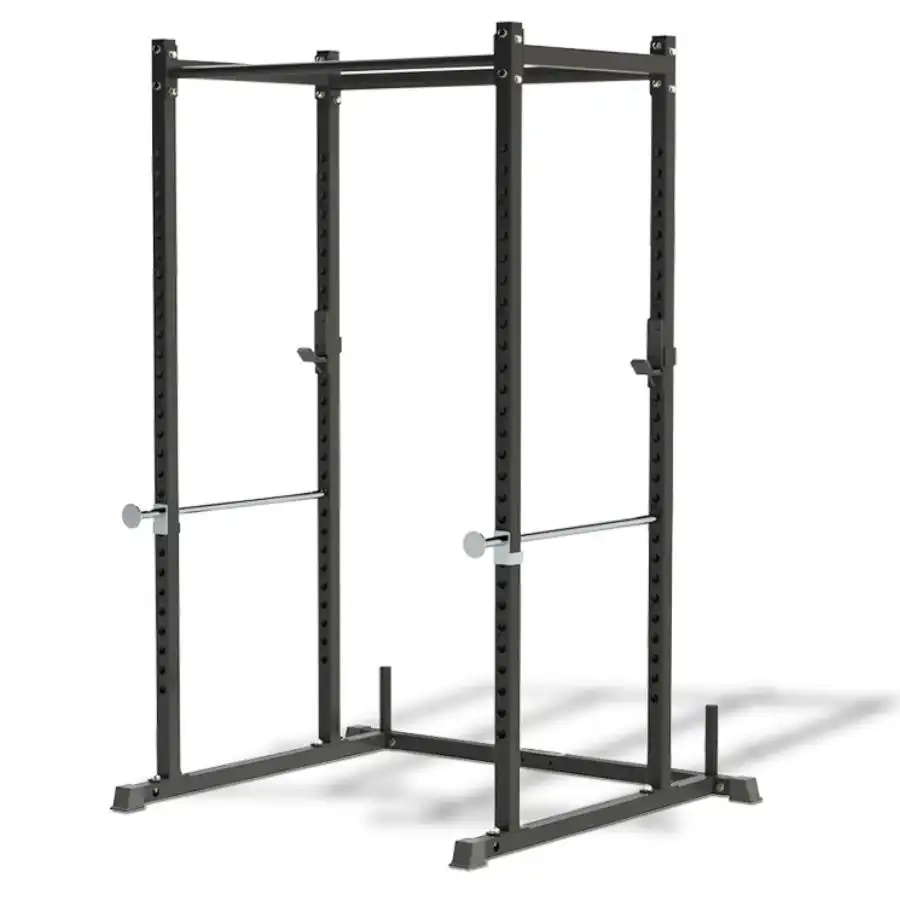
The REP Fitness PR-1000 Power Rack has established itself as a premier choice for residential lifters seeking a balance of functionality and value. Constructed from a four-post frame of 14-gauge steel with laser-cut holes spaced two inches apart, the PR-1000 includes dual pull-up bars (1.25 inches and 2 inches in thickness) positioned across the front and back posts to enhance structural stability. Integrated weight storage pegs on the rear base add further sturdiness to the footprint.
During extended real-world testing by certified personal trainers, the PR-1000 proved exceptionally reliable for intermediate and beginner lifters. While heavy loads exceeding 350 pounds introduced minor frame sway upon un-racking, the unit maintained complete structural integrity. Chrome-coated safety arms extending past the front of the rack provide a dependable secondary catch mechanism, which testers verified during failed bench press attempts exceeding 250 pounds. The numbered uprights and straightforward one-inch hole increments facilitate rapid, symmetrical adjustments for J-hooks and safeties.
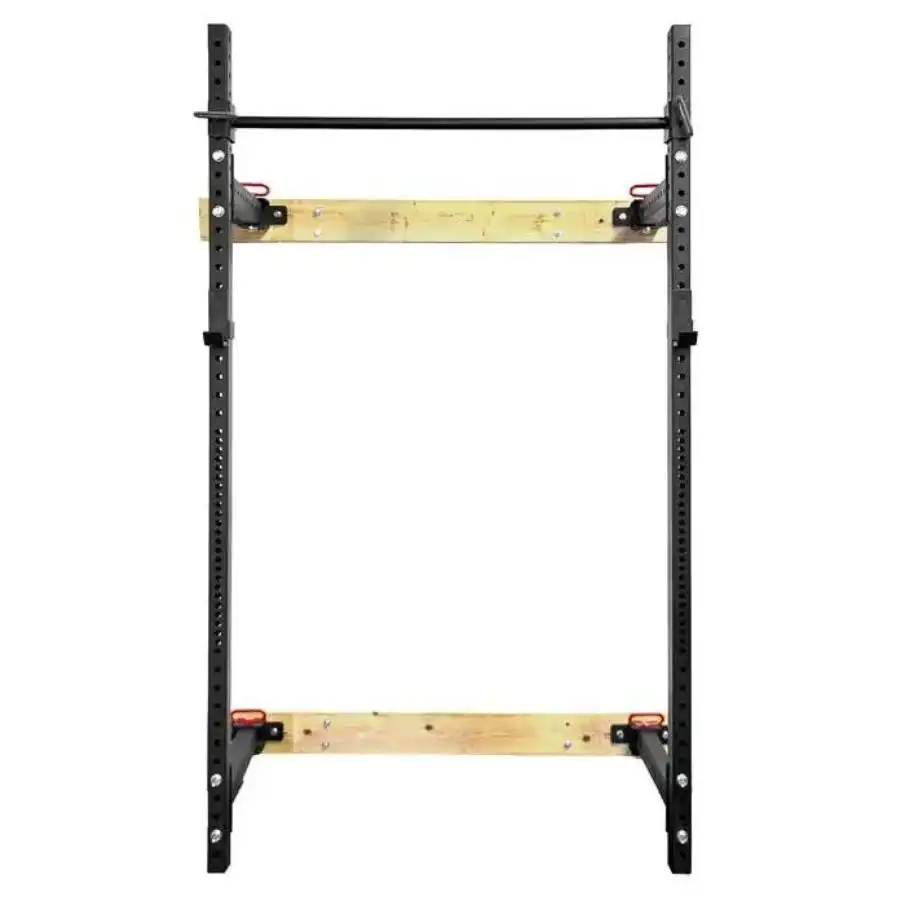
Best Folding Power Rack: Titan Fitness T-3 Series Folding Power Rack
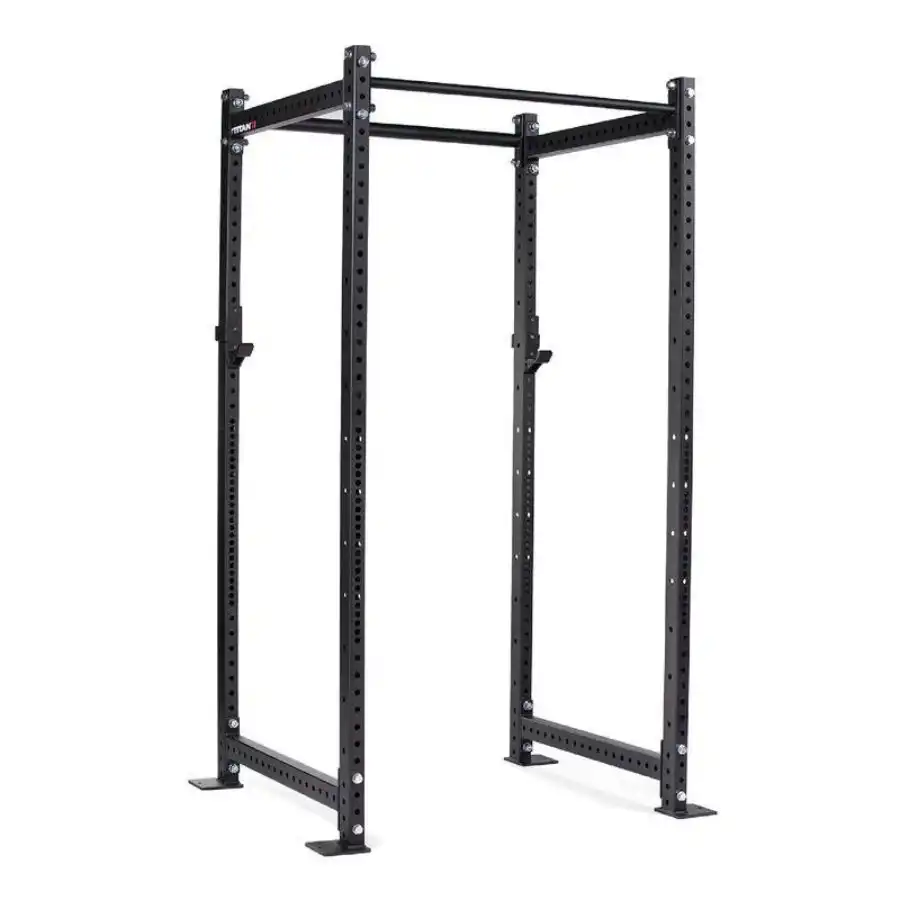
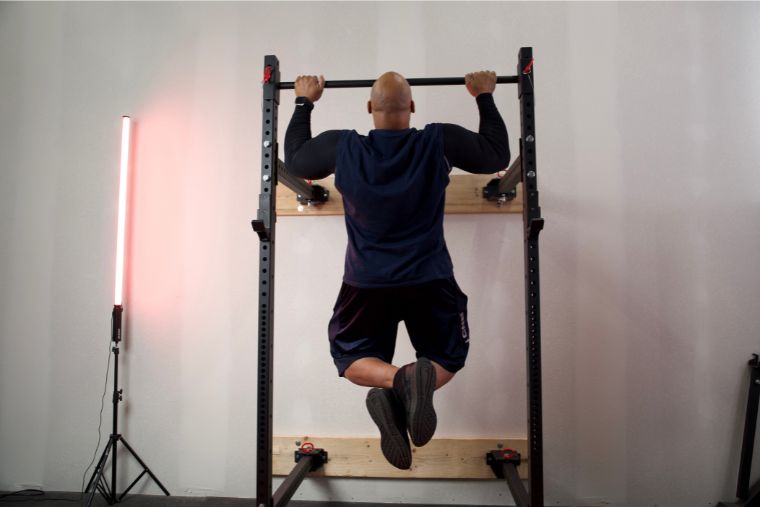
For individuals working within restricted spatial parameters, wall-mounted folding racks offer an efficient solution. The Titan Fitness T-3 Series Folding Power Rack utilizes a heavy-duty 11-gauge steel frame with 2-by-3-inch tubing, capable of supporting an impressive 1,100-pound rackable weight capacity. When not in use, the unit retracts to a depth of just five inches from the wall, freeing up floor space for alternative activities.
The T-3 Series benefits from precision manufacturing, featuring laser-cut holes and robot-welded construction. Westside hole spacing is implemented through the bench zone for precise barbell placement. While the base unit provides exceptional load capacity and includes dual pull-up bars, buyers should note that safety arms and upgraded J-cups are sold separately. Titan supports the product with free shipping and a one-year manufacturing warranty, alongside an extensive ecosystem of modular attachments.
Best Short Power Rack: REP Fitness PR-1050 Short Power Rack
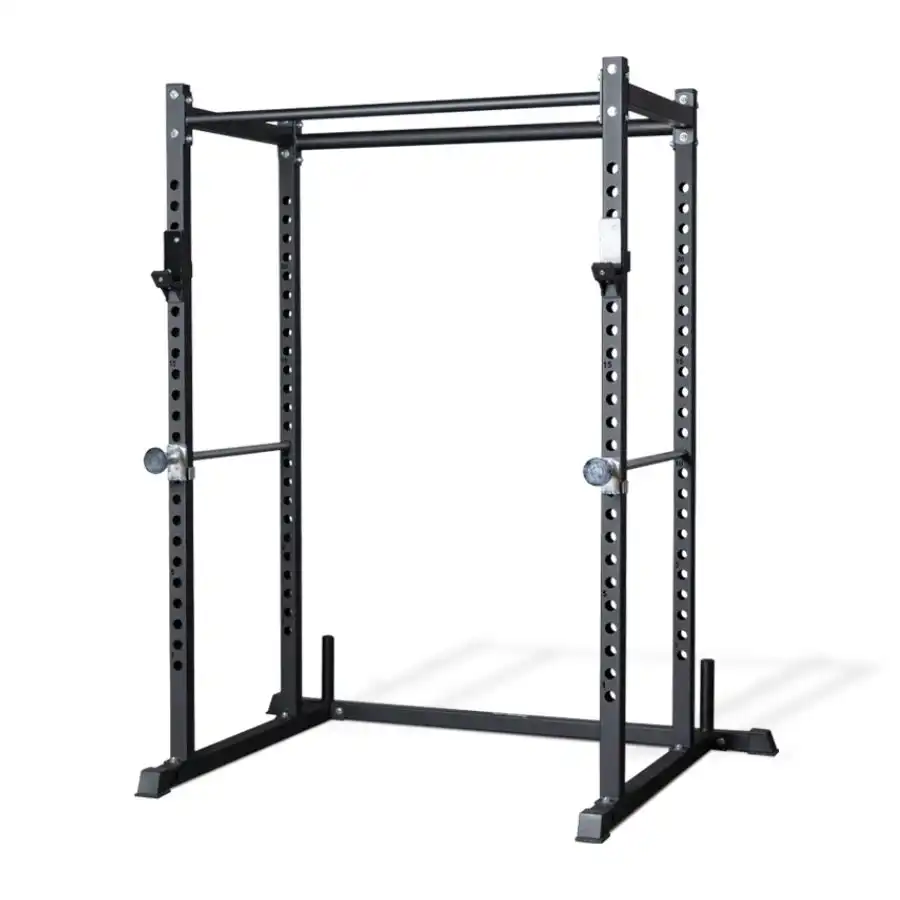
Home gyms situated in basements, attics, or garages with restricted vertical clearance often struggle to accommodate standard-height cages. Standing at precisely 72 inches (six feet) tall, the REP PR-1050 Short Power Rack provides a dedicated solution for low-ceiling environments. Despite its reduced height, the unit maintains a stable 58-by-48-inch footprint and supports a robust 700-pound weight capacity.
The PR-1050 does not sacrifice core features, coming equipped with dual pull-up bars (rated to 400 pounds), numbered uprights with two-inch spacing, rear base weight horns, chrome-coated safeties, and plastic-lined J-cups. It is fully compatible with popular add-ons such as cannonball grips and landmine attachments, ensuring a comprehensive training experience despite the compact vertical dimensions.
Best Space-Saving Power Rack: Fringe Sport Retractable Power Rack
Another standout option for space-conscious athletes is the Fringe Sport Retractable Power Rack. Engineered from 2-by-3-inch 11-gauge steel, this unit features a retractable design that folds inward or outward against the mounting wall, projecting a mere five inches when stowed.
The rack boasts a maximum capacity of 800 pounds and incorporates Westside hole spacing through the bench region. High-molecular-weight polyethylene (UHMW) coated J-hooks protect the knurling of expensive barbells from premature wear. Secured via six detent pins across four mounting brackets, the Fringe Sport Retractable Rack balances industrial-grade durability with seamless spatial management.
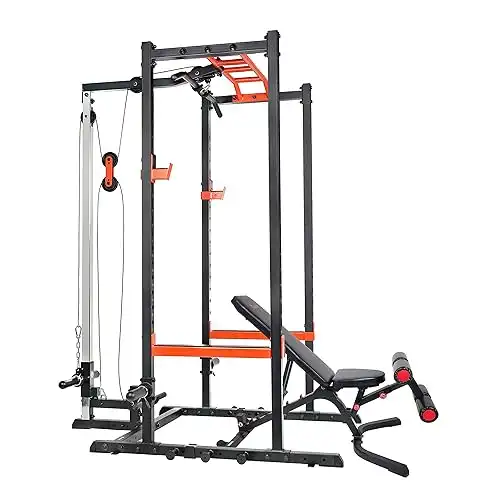
Best Power Rack with Lat Pulldown: Sunny Health & Fitness Power Zone Strength Rack
Athletes seeking integrated cable functionality without investing in a separate standalone machine frequently turn to the Sunny Health & Fitness Power Zone Strength Rack. This multi-functional power cage features an integrated pulley system capable of accommodating weight plates up to 352 pounds for lat pulldowns, upright rows, and cable curls.
The cage is equipped with an adjustable angled multi-grip pull-up bar, 18 vertical height settings for the J-hooks, reinforced spotter bars with safety latches, and six resistance band pins. This comprehensive feature set makes it a versatile all-in-one station for users prioritizing upper-body accessory work alongside heavy compound lifting.
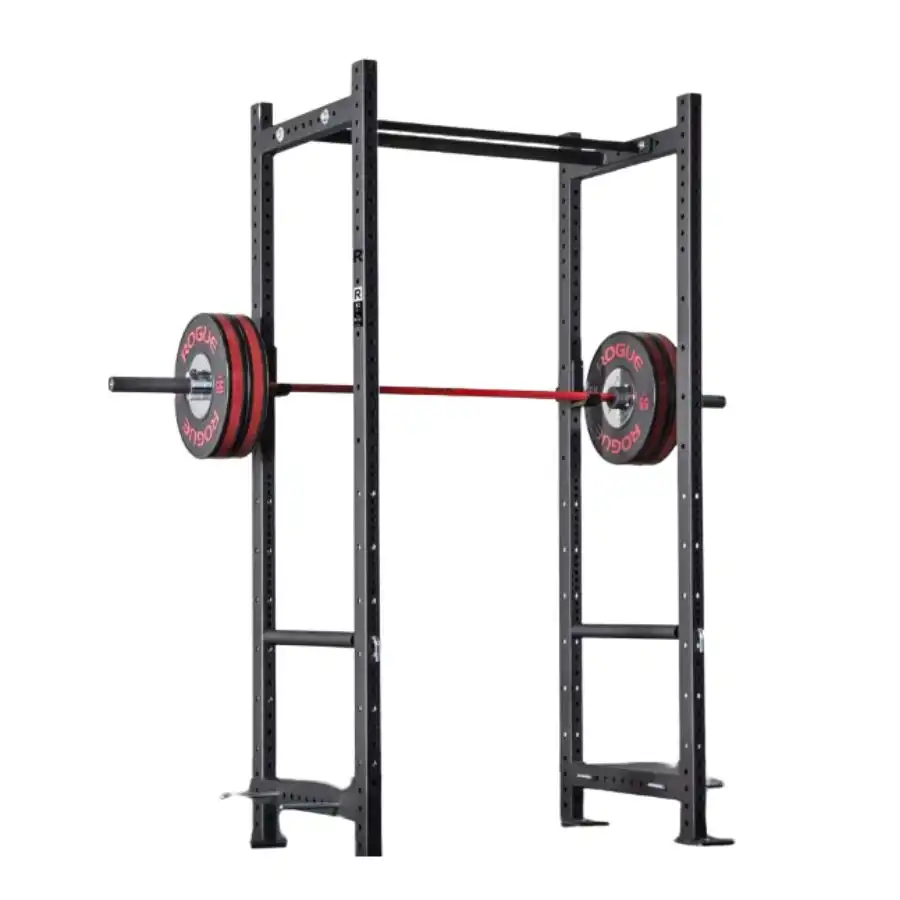
Best Power Rack for Garage Gyms: Rogue Fitness R-3 Power Rack
Rogue Fitness is widely recognized for outfitting commercial training facilities and competitive CrossFit venues, and the R-3 Power Rack brings that commercial pedigree to the residential garage gym. Available in two height configurations (90.4 inches and 84.4 inches), the R-3 is constructed from heavy-duty 11-gauge steel.
Featuring Westside spacing through the bench zone combined with standard two-inch spacing above and below, the R-3 offers granular control over bar and safety placement. The unit includes a 43-inch pull-up bar, Infinity J-cups, pin-and-pipe safeties, and four band pegs. Its compatibility with the broader Rogue Infinity attachment ecosystem allows users to seamlessly integrate dip handles, plate storage, and other accessories.
Best Squat Rack / Budget Option: Fitness Reality Squat Rack Power Cage
For trainees seeking high load capacity on a restricted budget, the Fitness Reality Squat Rack Power Cage delivers an official weight capacity of 800 pounds at an accessible price point. Utilizing solid steel safety arms rather than hollow tubes, along with two rear stability bars, the cage provides a secure environment for heavy lifting.
With 19 adjustable height levels and a multi-grip pull-up bar, the unit accommodates squats, bench presses, and overhead movements. While it lacks pre-included accessories like J-cups or dip bars, its standard one-inch hole pattern ensures broad compatibility with third-party attachments.
Critical Safety Protocols: The Proper Use of Safeties
Investing in a power rack is only the first step; proper operational protocols are essential to mitigate the inherent risks of heavy resistance training. Shane Sevcik emphasizes that the primary function of a power rack is to provide an infallible safety net during maximum-effort lifts, particularly for solo trainees.
"One of my biggest pet peeves is when I see people who don’t know how to set the safety arms the right way and have the pins set way too low," Sevcik notes. "The purpose of those safety arms is to give you a safe way to bail out of a lift. Otherwise, you’re just using a power rack as a big immobile squat stand."
To establish the correct height for safety arms during squats, Sevcik outlines a precise methodology: "Put the unloaded bar on your back and squat down to the deepest position you can get yourself into. The safety bars should be about an inch and a half or one notch lower than your bottom position, so if you ever fail on a squat, all you do is sit your butt down to the very bottom."
Key Purchasing Considerations for 2025
When selecting a power rack, consumers should evaluate four foundational criteria:
- Spatial Dimensions: Beyond measuring floor square footage and clearance for the rack’s base, verify vertical ceiling height. Ensure adequate surrounding space is preserved to execute lifts safely and to accommodate functional attachments.
- Construction and Materials: Prioritize thicker steel gauges (such as 11-gauge or 14-gauge) to minimize frame deflection under heavy loads. Additionally, inspect J-cups for protective liners (such as UHMW plastic) to preserve barbell knurling—a crucial factor for Olympic weightlifters.
- Weight Capacity: Match the structural rating of the rack to your current and projected strength levels. While beginner and intermediate lifters are well-served by capacities ranging from 700 to 800 pounds, advanced powerlifters should target heavy-duty commercial-grade units rated for 1,000 pounds or more.
- Modular Expandability: Consider future training requirements. Purchasing a rack with compatibility for modular attachments—such as dip stations, landmine units, and cable systems—ensures the equipment can scale alongside your evolving fitness journey.
Conclusion
Incorporating regular strength training into a weekly routine yields profound, long-term health benefits, including enhanced metabolic function, increased bone density, and reduced risk of chronic disease. By integrating a reliable power rack into a home gym, trainees can pursue progressive overload safely and autonomously, free from the logistical constraints of commercial fitness facilities. Whether prioritizing a compact folding design, a budget-friendly cage, or an expansive commercial-grade station, the modern market offers robust engineering solutions tailored to every training style and spatial requirement heading through 2025.