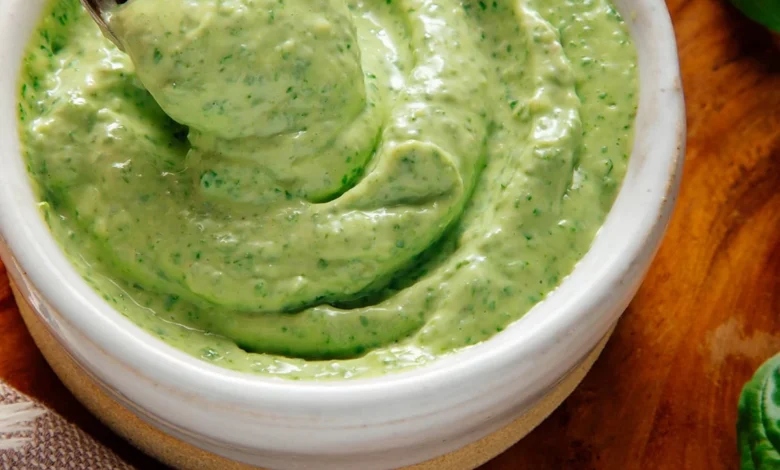
The vibrant, herbaceous essence of summer is captured in a remarkably simple yet versatile creation: a creamy basil sauce. This recipe, emerging from the kitchens of culinary enthusiasts, offers a refreshing alternative to traditional condiments, promising to elevate sandwiches, appetizers, and a myriad of other dishes. Its rapid preparation, requiring only a few staple ingredients, makes it an accessible culinary project for home cooks seeking to maximize their summer produce, particularly an abundance of fresh basil.
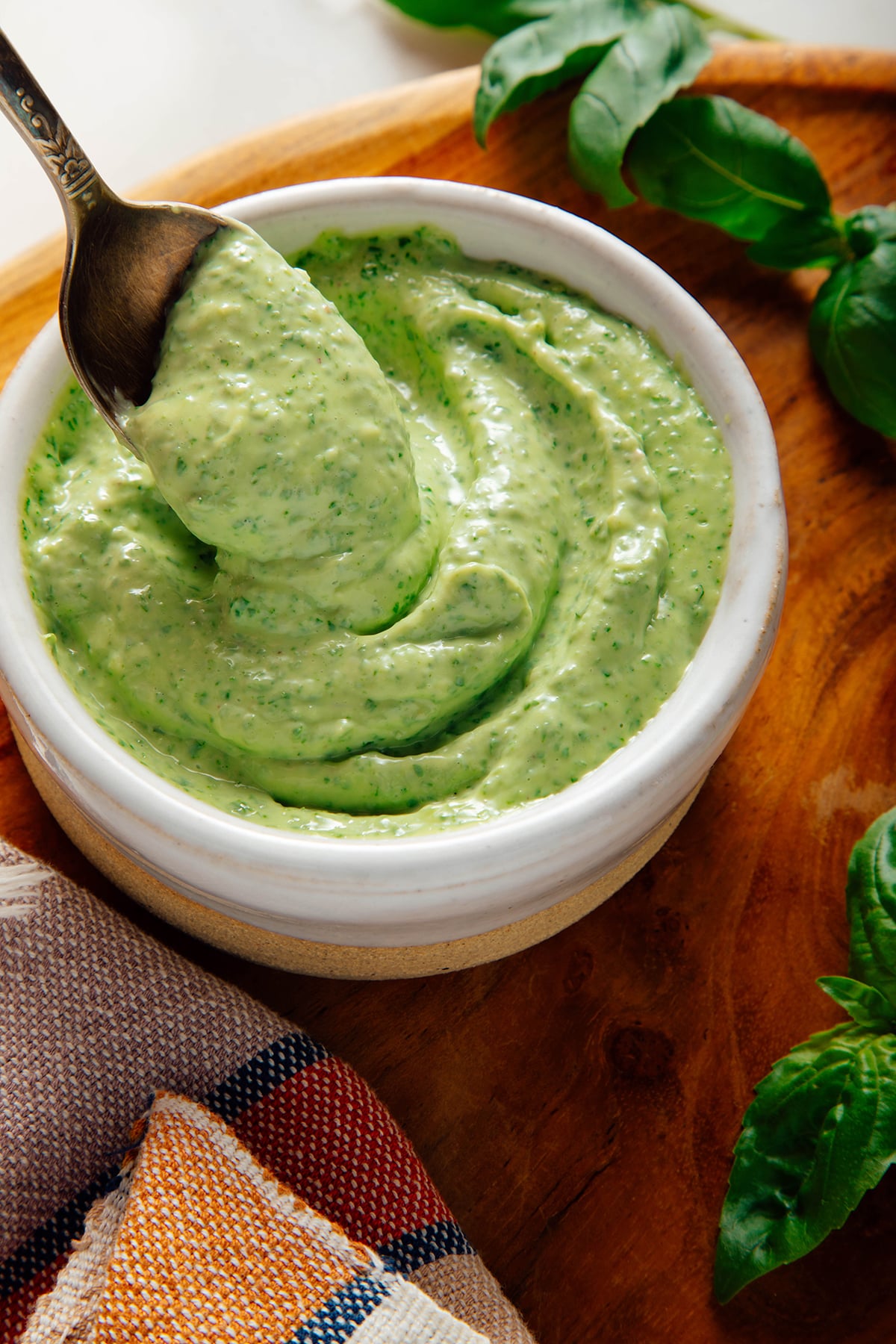
The appeal of this creamy basil sauce lies in its ability to transform everyday meals into something extraordinary. Resembling a sophisticated aioli, its bright, fresh flavor profile is particularly well-suited to the lighter fare often enjoyed during warmer months. While basil pesto is a well-established favorite for utilizing surplus basil, this creamy variation presents a new avenue for culinary exploration. The recipe’s creator highlights its frequent use and the ongoing discovery of new applications, underscoring its broad appeal and adaptability.
The Genesis of a Summer Staple
The development of this creamy basil sauce appears to stem from a desire to capture the essence of fresh basil in a more accessible and broadly applicable format than traditional pesto. While pesto is renowned for its robust flavor, it can sometimes be too intense or specific in its application. This creamy sauce, by contrast, offers a milder yet distinct basil note, enhanced by a creamy base that allows it to integrate seamlessly into a wider range of dishes. The inspiration, as noted in the recipe’s background, draws from a basil dip served with French fries at the French Market in Kansas City, suggesting a casual yet delicious origin story. This connection to a specific culinary experience hints at the sauce’s potential to become a beloved accompaniment, much like a signature dip at a popular establishment.
Essential Components: The Alchemy of Simple Ingredients
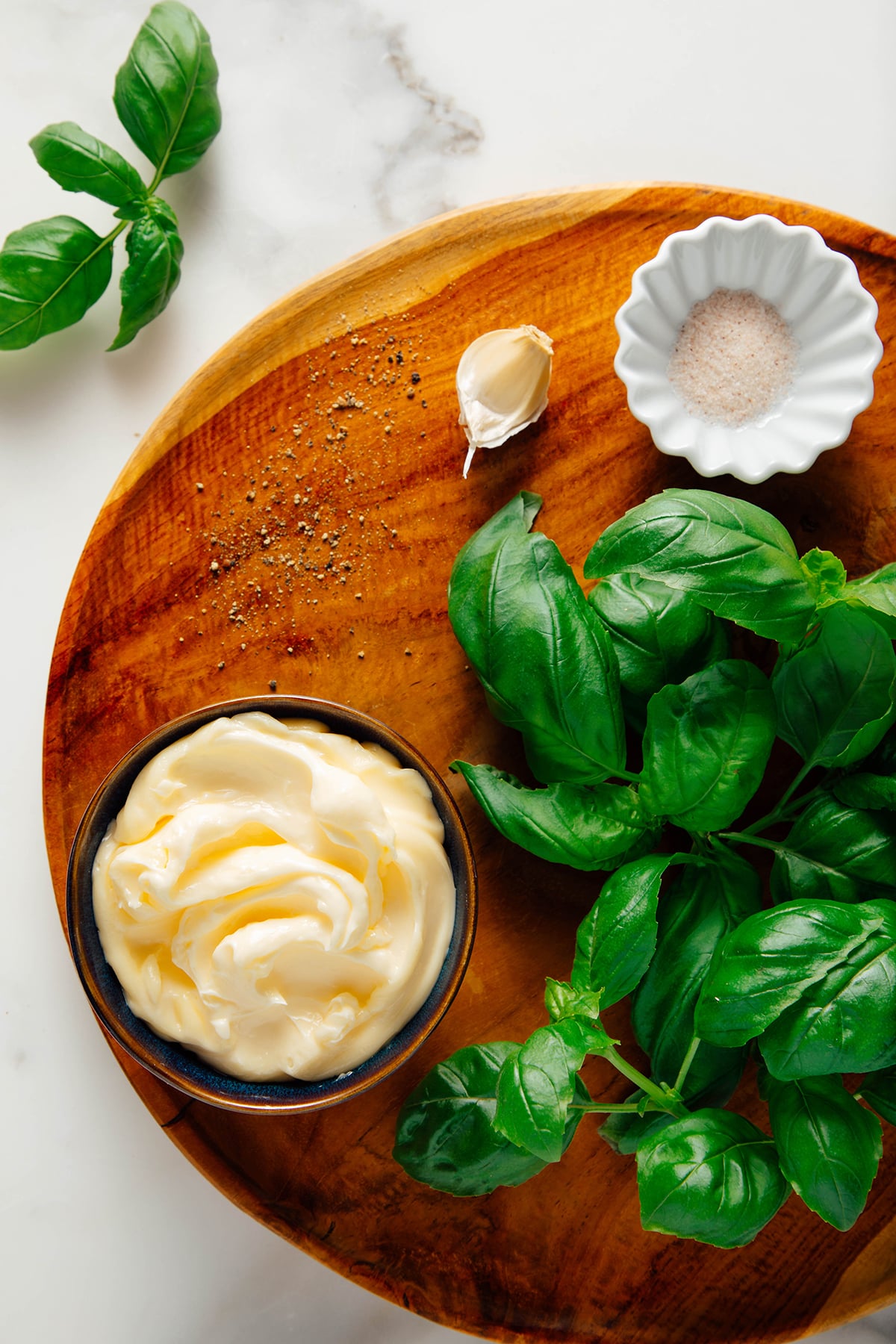
The magic of this creamy basil sauce lies in the harmonious interplay of its few, carefully selected ingredients. Each component plays a crucial role in building the sauce’s distinctive flavor and texture.
Garlic: The Aromatic Foundation
A single clove of garlic serves as the aromatic backbone of the sauce. Its inclusion is strategically placed at the beginning of the preparation process, allowing it to be finely blitzed in a food processor. This method eliminates the need for separate garlic presses or chopping boards, streamlining the cooking process and minimizing cleanup – a practical consideration for any home cook. The initial processing of the garlic ensures its pungent flavor is evenly distributed throughout the sauce without overwhelming the delicate basil notes.
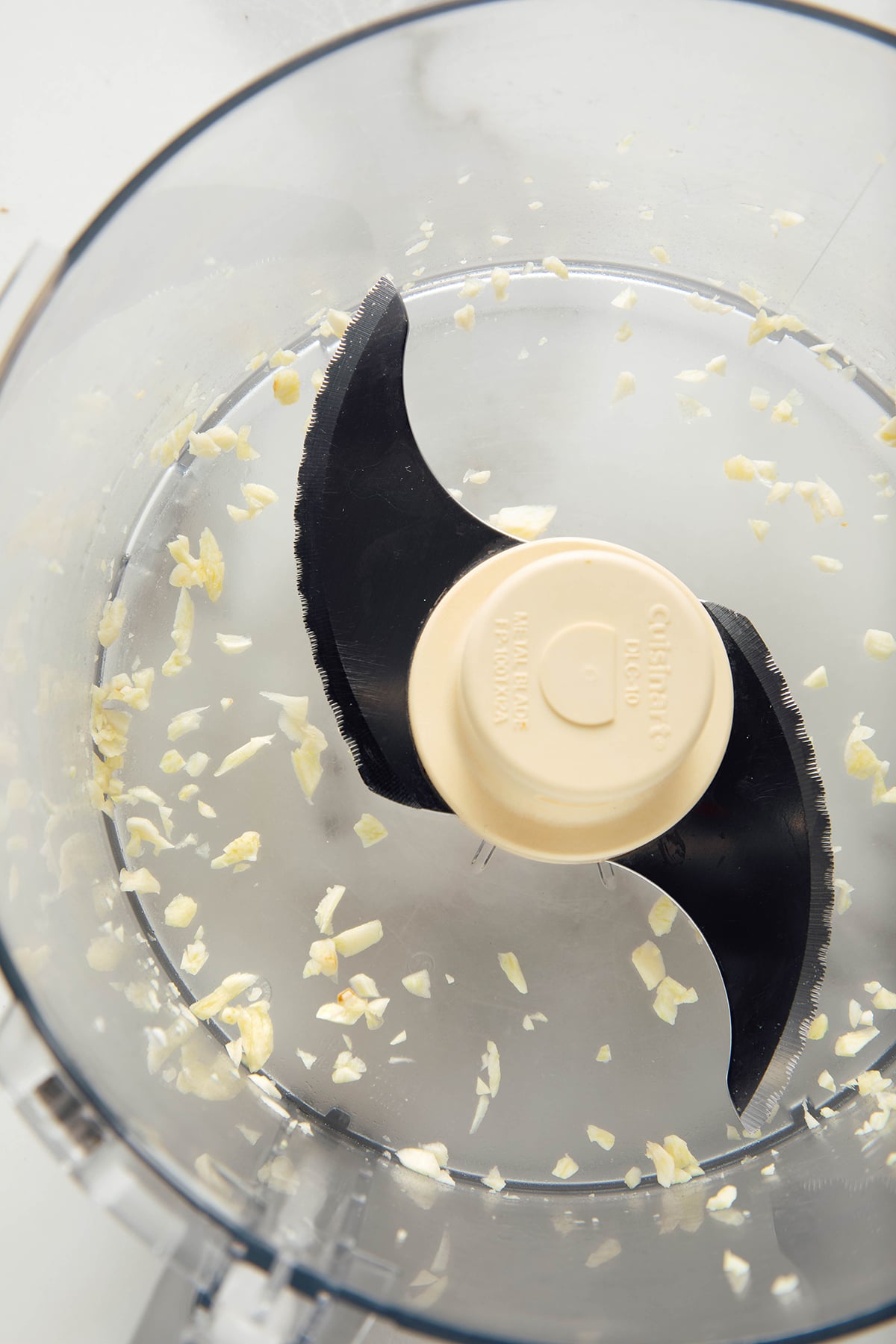
Fresh Basil: The Star Ingredient
The soul of this sauce is undeniably fresh basil. The recipe emphasizes using both the leaves and the tender, tiny stems, while advising the discard of thicker, woody stems. This detail is critical for achieving a smooth and palatable texture. The freshness of the basil is paramount, as it dictates the vibrancy and herbaceous quality of the final product. Summer, with its peak basil harvests, presents the ideal window for both planting and utilizing this aromatic herb.
Mayonnaise: The Creamy Emulsion
Mayonnaise provides the luxuriously creamy and slightly tangy base for the sauce. While the recipe acknowledges that mayonnaise is not an everyday staple for some, its role here is undeniable. It creates a rich emulsion that binds the ingredients together, offering a smooth mouthfeel that complements the freshness of the basil. The creator expresses a preference for Duke’s mayonnaise but also notes the availability of more health-conscious alternatives made with avocado oil, suggesting a degree of flexibility in ingredient selection to suit dietary preferences and concerns. The inherent emulsifying properties of mayonnaise contribute to the sauce’s stability and overall appeal.
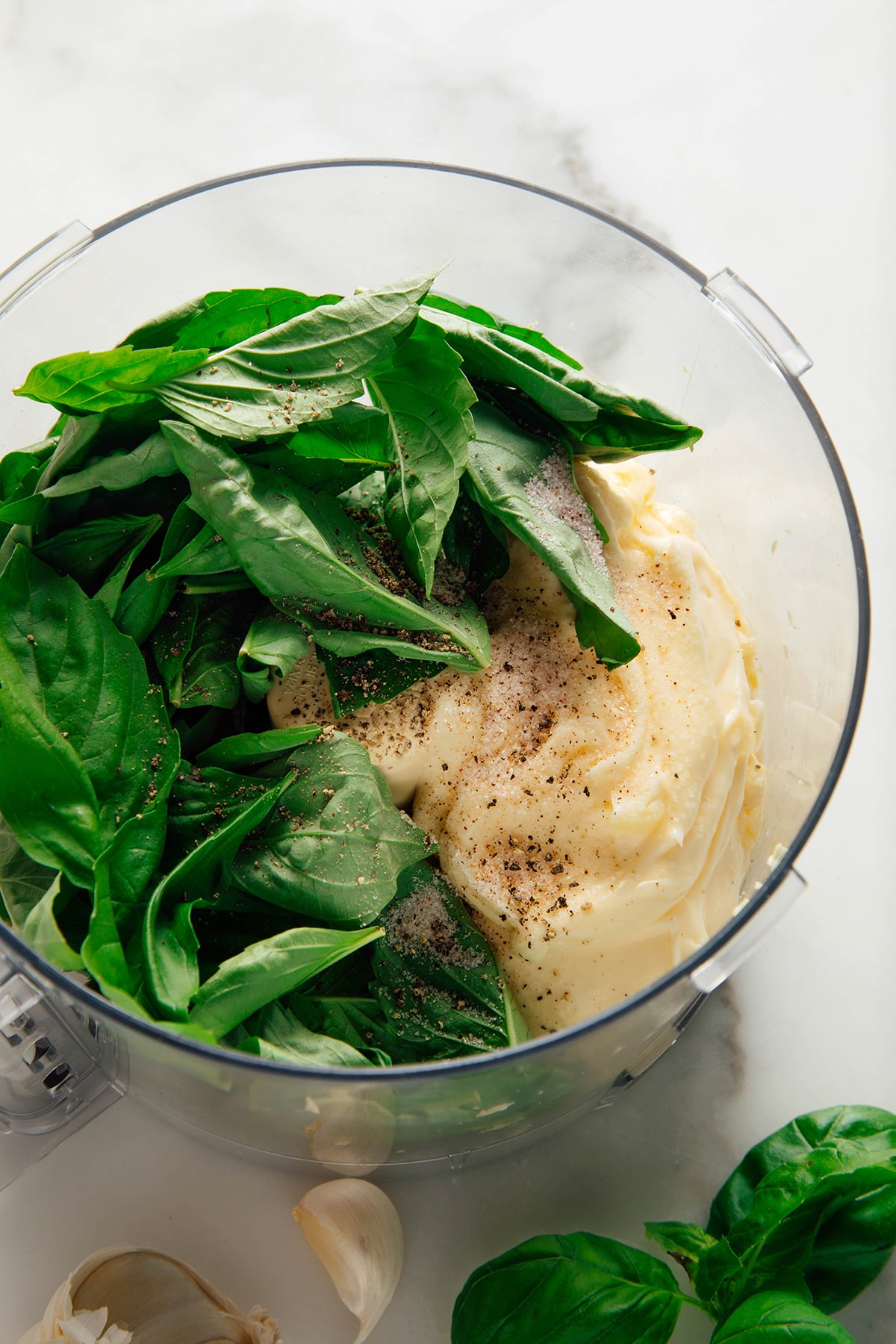
Seasoning: Salt and Pepper
The simple addition of salt and freshly ground black pepper is crucial for enhancing the overall flavor profile. Salt acts as a flavor amplifier, bringing out the best in the basil and garlic, while black pepper provides a subtle warmth and a touch of zest. The instruction to season generously with black pepper suggests a desire for a balanced flavor that avoids being one-dimensional.
Maximizing Basil’s Potential: Tips for Freshness and Color
To ensure the creamy basil sauce achieves its intended vibrant green hue and peak freshness, a few key considerations regarding basil handling are advised. Basil, being a delicate herb, requires careful attention to maintain its quality.
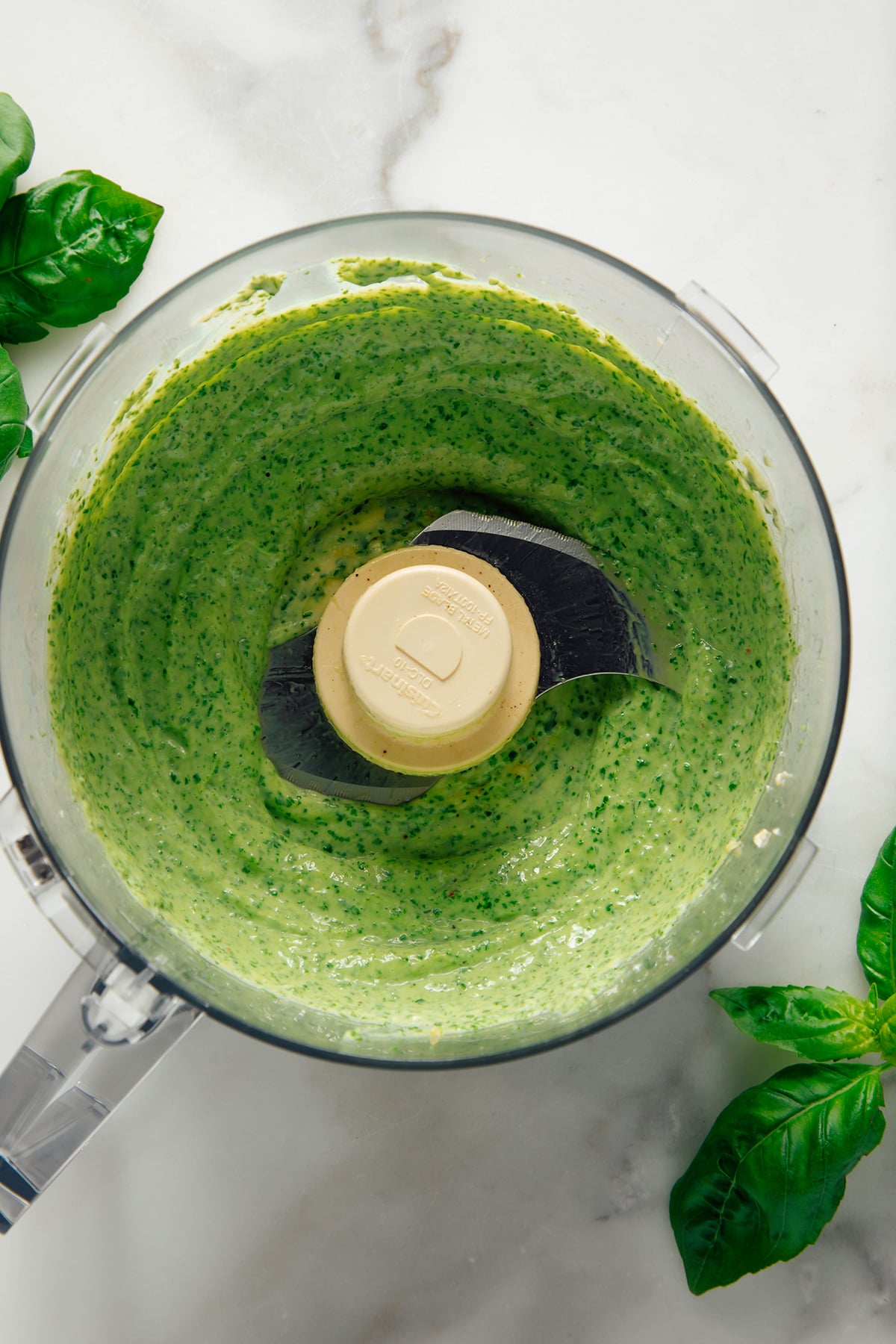
Optimal Storage and Handling
Basil generally fares better at room temperature than in refrigeration, although its shelf life is inherently limited. To preserve its bright green color before blending, it is recommended to gently wash the basil leaves under cool water and then pat them thoroughly dry. Allowing the basil to air dry for a short period further ensures minimal moisture content, which is critical for preventing oxidation and maintaining the sauce’s appealing emerald color. This attention to detail in the preparation of the basil directly impacts the visual and gustatory outcome of the sauce.
The Culinary Application: Versatility Unleashed
The creamy basil sauce transcends its simple ingredients, offering a surprising range of applications that can invigorate a variety of dishes. Its compatibility with other summery produce, particularly tomatoes and zucchini, is a notable strength.
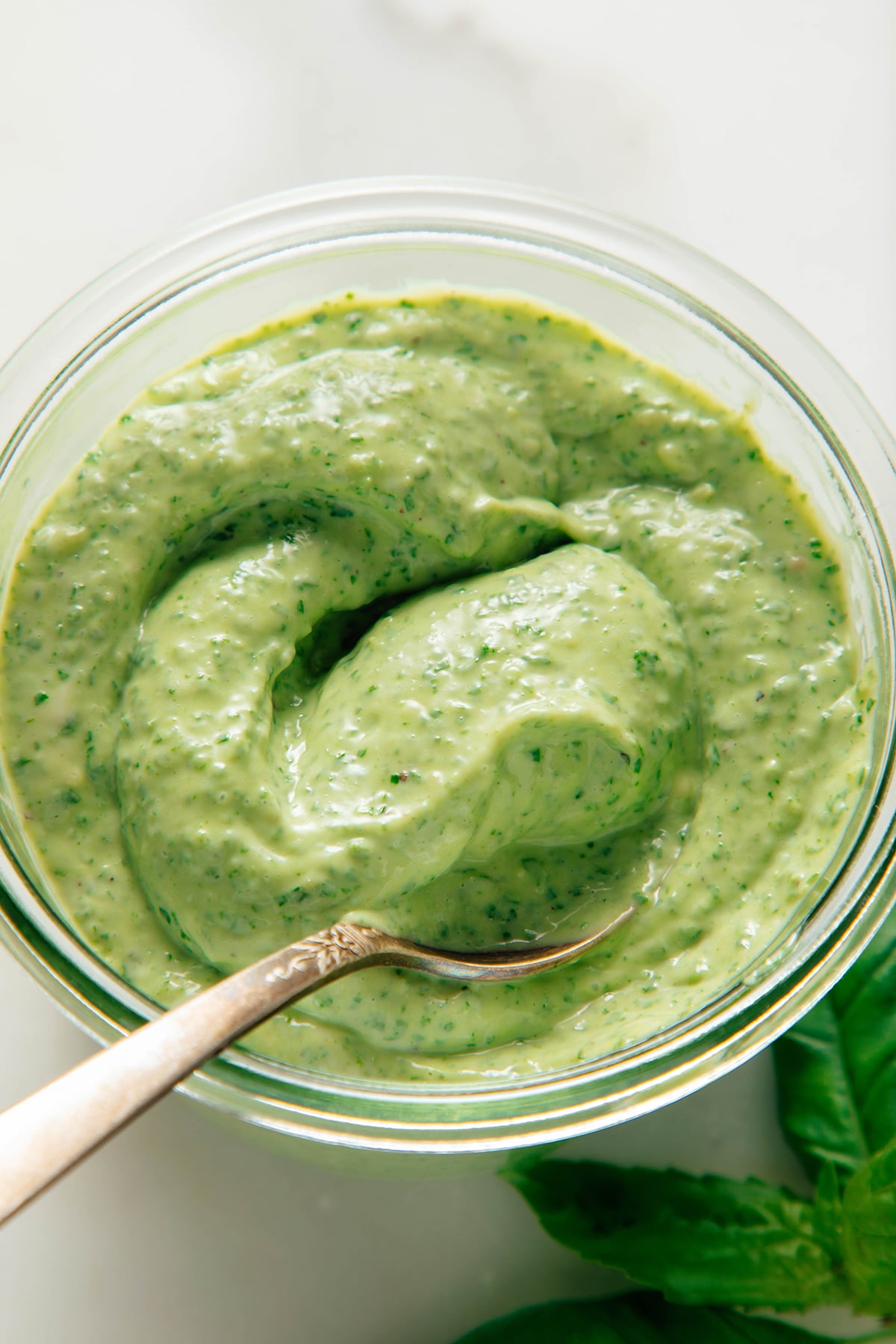
Enhancing Summer Dishes
The creator suggests that the sauce pairs exceptionally well with tomatoes, a classic combination that highlights the freshness of both ingredients. Drizzling it over grilled zucchini or incorporating it into salads are other potential uses. For an added layer of complexity and a touch of acidity, a drizzle of thick balsamic vinegar or a prepared balsamic glaze is recommended. This addition can provide a delightful counterpoint to the creamy richness of the sauce and the herbaceous basil.
Specific Culinary Uses:
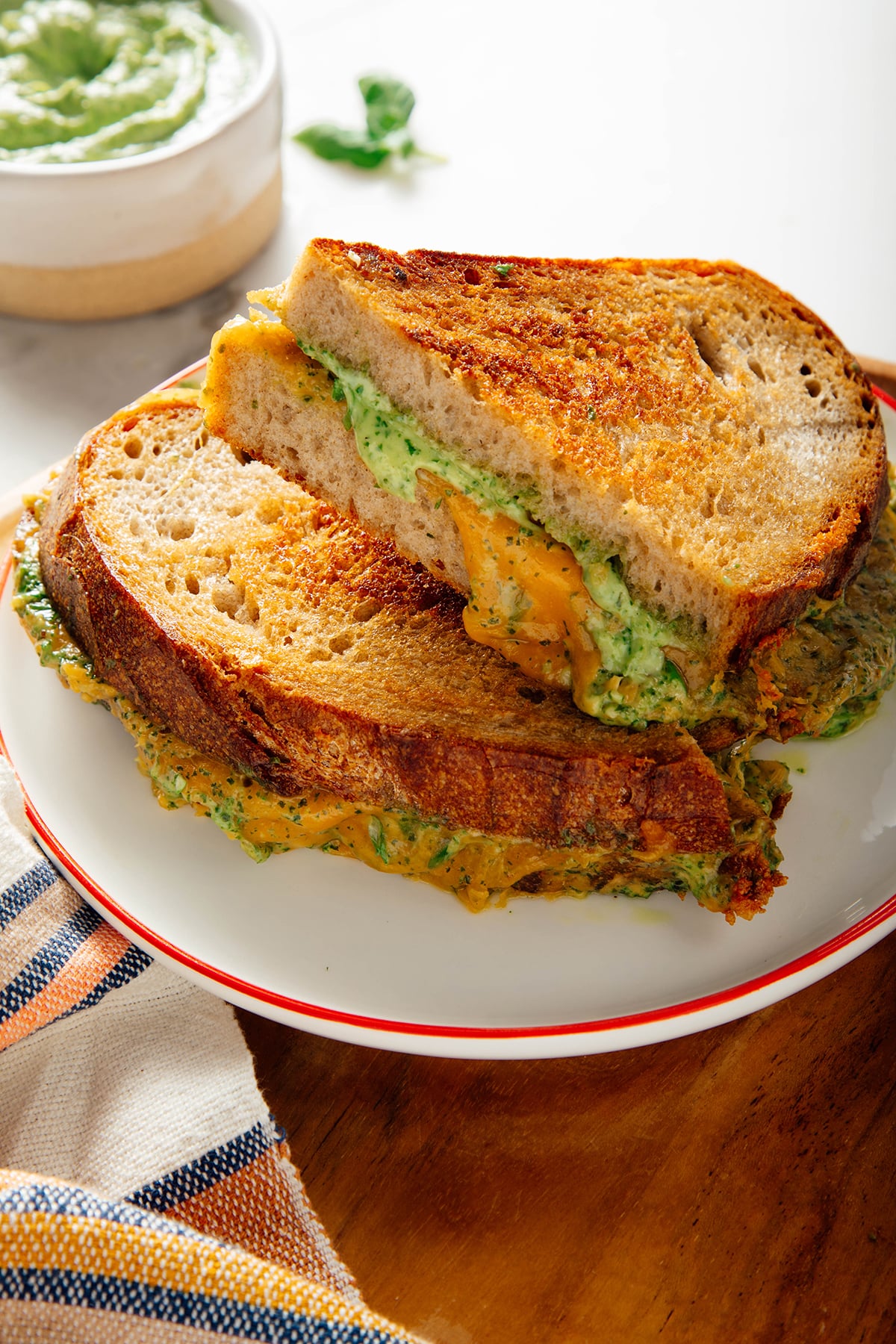
- Sandwich Spread: A superior alternative to mayonnaise or mustard, offering a burst of fresh flavor. It is particularly effective in sandwiches featuring grilled chicken, turkey, or vegetables.
- Dip for Appetizers: Excellent served with crudités, crackers, or even as a dip for fried items like zucchini fries or mozzarella sticks.
- Pasta Sauce Base: Thinned with a little pasta water or cream, it can form the basis of a light and flavorful pasta dish.
- Marinade or Glaze: Its herbaceous notes could lend themselves to marinating chicken, fish, or vegetables before grilling or roasting.
- Topping for Grilled Meats and Vegetables: A dollop of the sauce can elevate the flavor of grilled steak, pork chops, or grilled corn.
- Salad Dressing: When emulsified with a bit more olive oil or a touch of lemon juice, it can be transformed into a unique salad dressing.
The versatility of this creamy basil sauce positions it as a culinary asset, capable of elevating simple meals and inspiring creative cooking. Its ease of preparation, coupled with its sophisticated flavor profile, makes it an ideal candidate for becoming a staple in many kitchens, especially during the bountiful basil season.
Broader Implications for Home Cooking and Produce Utilization
The popularity of recipes like this creamy basil sauce highlights a growing trend in home cooking: the desire for simple, flavorful, and adaptable recipes that make the most of fresh, seasonal ingredients. In an era where home gardens are increasingly common, and a focus on reducing food waste is paramount, such recipes offer practical solutions for utilizing surplus produce. The ability to transform a simple herb like basil into a versatile condiment speaks to the ingenuity and creativity present in contemporary culinary landscapes. Furthermore, the accessibility of the recipe, requiring minimal specialized equipment or ingredients, democratizes culinary experimentation, empowering individuals to create restaurant-quality flavors in their own homes. This culinary innovation not only enhances meals but also fosters a deeper connection with seasonal produce and the art of home cooking.
The recipe’s success can also be attributed to its alignment with contemporary dietary interests. While the original recipe utilizes mayonnaise, the mention of healthier alternatives demonstrates an awareness of evolving consumer preferences. This adaptability ensures that the sauce can be enjoyed by a wider audience, catering to various dietary needs and choices. As home cooks continue to seek out flavorful and healthy options, recipes that offer flexibility and highlight fresh ingredients are likely to remain in high demand. The creamy basil sauce, in its elegant simplicity and vibrant flavor, stands as a testament to the enduring power of fresh, quality ingredients to inspire culinary delight.