The Broccoli Cheddar Egg Bake: A Strategic Culinary Solution for Modern Lifestyles.

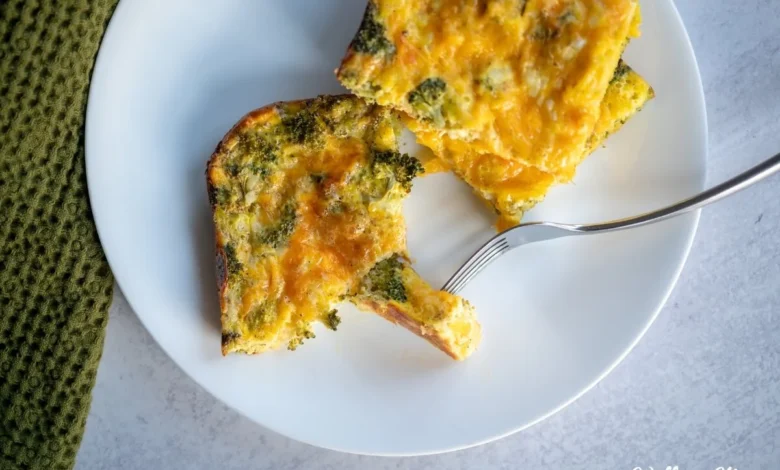
In an era characterized by accelerated daily routines and a heightened awareness of nutritional well-being, the demand for convenient, protein-rich, and easily integrated meal solutions has surged. Among these, the concept of a make-ahead breakfast has gained considerable traction, offering a pragmatic approach to maintaining dietary discipline amidst time constraints. The Broccoli Cheddar Egg Bake emerges as a prominent example of such a solution, exemplifying the synthesis of simplicity, nutritional efficacy, and broad palatability, making it a valuable component of contemporary meal preparation strategies.
The Evolving Landscape of Breakfast and Meal Preparation
Historically, breakfast has held a pivotal role in daily sustenance, often considered the most important meal. Traditional breakfasts varied widely across cultures, ranging from hearty, labor-intensive preparations to lighter, quicker fare. However, the latter half of the 20th century witnessed a significant shift, driven by urbanization, changing work patterns, and the proliferation of convenience foods. The concept of a leisurely breakfast began to erode for many, replaced by rushed consumption of highly processed cereals, pastries, or skipped meals entirely.
This shift, however, has not been without its consequences. Numerous studies, including those published in journals such as Circulation and The American Journal of Clinical Nutrition, have consistently linked regular breakfast consumption to improved metabolic health, better weight management, and enhanced cognitive function. Conversely, skipping breakfast has been associated with an increased risk of obesity, type 2 diabetes, and cardiovascular disease. This growing body of evidence has spurred a renewed interest in reclaiming the breakfast meal, albeit adapted to modern exigencies.
The advent and popularization of "meal prepping" – the practice of preparing meals or components of meals in advance – represents a direct response to these modern challenges. Initially embraced by fitness enthusiasts and bodybuilders seeking meticulous dietary control, meal prepping has transcended niche communities to become a mainstream lifestyle choice. Its core appeal lies in its ability to save time during busy weekdays, reduce reliance on less healthy convenience options, and often, to lower food expenditure and waste. The Broccoli Cheddar Egg Bake aligns perfectly with this paradigm, offering a substantial, nutrient-dense option that requires minimal daily effort once prepared.
Nutritional Profile and Dietary Benefits
The Broccoli Cheddar Egg Bake, as detailed in its typical formulation, presents a robust nutritional profile, particularly notable for its high protein content. With approximately 30 grams of protein per serving, it significantly contributes to the recommended daily intake, which is crucial for satiety, muscle maintenance, and overall metabolic health. The inclusion of eggs, a complete protein source, provides all nine essential amino acids, making them an invaluable dietary component. Cottage cheese further augments this protein density while also contributing to the dish’s creamy texture without the need for heavier, higher-fat creams.
Beyond protein, the dish incorporates broccoli, a cruciferous vegetable renowned for its rich vitamin and mineral content. Broccoli is an excellent source of Vitamin C, a powerful antioxidant vital for immune function and skin health, and Vitamin A, essential for vision and immune response. It also contributes dietary fiber, which is critical for digestive health, blood sugar regulation, and prolonged satiety. The fiber content, though moderate at approximately 1 gram per serving, complements the protein in creating a well-rounded meal that helps stabilize energy levels throughout the morning.
The cheddar cheese, while contributing to the dish’s flavor and calcium content (approximately 421mg or 42% of the Daily Value), also adds to the fat content, with 26 grams of total fat, including 12 grams of saturated fat, per serving. This makes the dish energy-dense, providing around 383 calories per serving. This caloric and macronutrient composition positions the egg bake as a substantial meal, particularly beneficial for individuals with higher energy requirements or those seeking sustained energy release. For others, portion control or adjustment of additional meal components might be considered to align with specific dietary goals. The inclusion of healthy fats from eggs and cheese also aids in the absorption of fat-soluble vitamins present in the broccoli.
Furthermore, the recipe’s naturally gluten-free characteristic broadens its appeal, making it suitable for individuals with celiac disease or gluten sensitivities, aligning with the growing demand for inclusive dietary options. The low carbohydrate content (7 grams per serving) also makes it amenable to various dietary approaches, including ketogenic or low-carb regimens, when integrated appropriately.
Chronology of Convenience: From Prep to Plate
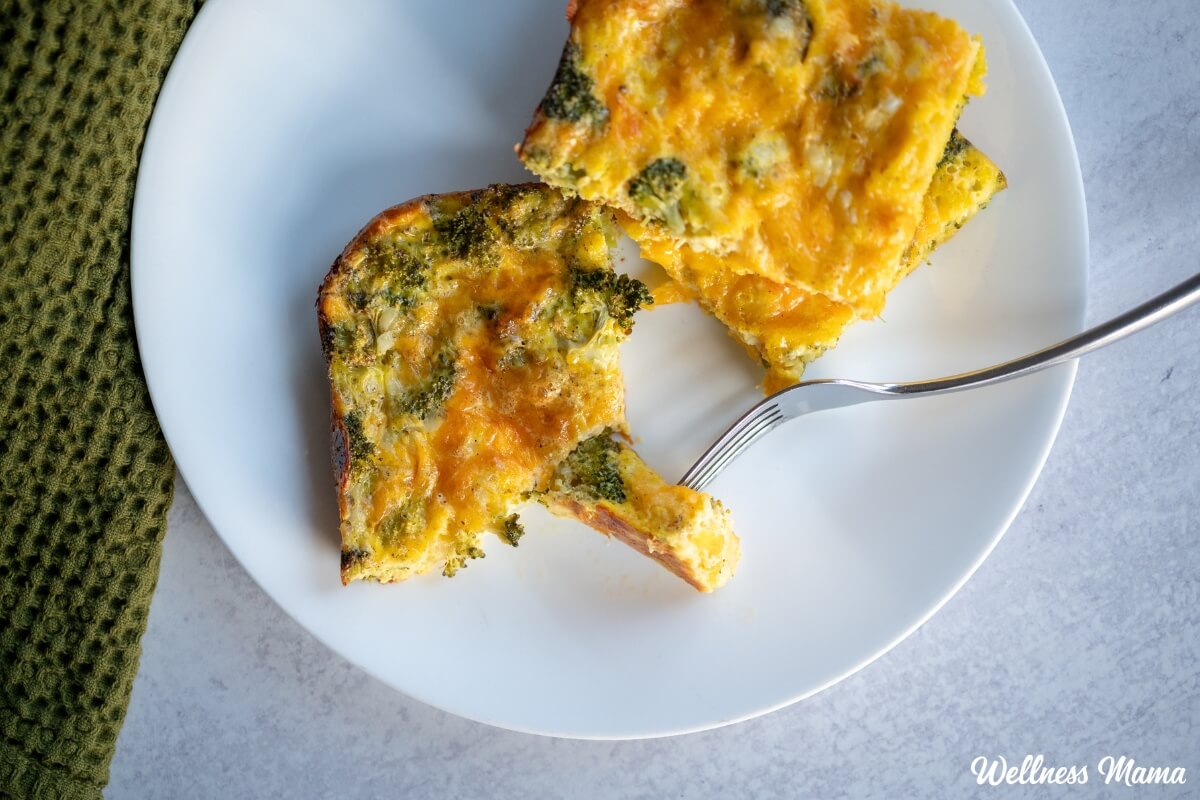
The appeal of this particular egg bake lies in its streamlined preparation and adaptability within a weekly routine. The process typically involves minimal active cooking time, often described as "dump and go." Ingredients are combined, transferred to a baking dish, and then oven-baked, allowing for hands-off cooking. This operational simplicity is particularly attractive for individuals seeking to maximize their morning productivity.
- Initial Preparation (Weekend/Evening): The primary mixing of ingredients—eggs, cottage cheese, shredded cheddar, and broccoli—can be completed in mere minutes. This phase often coincides with other routine tasks, such as coffee preparation, demonstrating its seamless integration into existing habits.
- Baking (Overnight/Morning): The dish is then baked, typically for a duration that allows for other morning activities to be completed. For many, this means setting it to bake while engaging in exercise, personal care, or light household chores.
- Cooling and Setting (Post-Bake): A brief resting period post-baking is recommended. This allows the internal structure of the casserole to set, facilitating cleaner, more uniform slices. This step is crucial for maintaining portion integrity, especially when planning for subsequent servings.
- Storage and Reheating (Throughout the Week): Once cooled, the egg bake can be portioned and stored in the refrigerator for several days. This longevity is a cornerstone of effective meal prepping. Reheating options are versatile, including conventional ovens, toaster ovens, or air fryers, each offering a quick path to a warm, satisfying meal that retains much of its original texture and flavor. This ability to reheat beautifully is a key differentiator from many other breakfast items that may degrade in quality upon reheating.
This chronological sequence highlights the dish’s utility as a time-saving mechanism. By consolidating cooking efforts into a single session, individuals reclaim valuable morning minutes, transforming what could be a rushed, nutritionally compromised start into a deliberate, healthful one.
Expert Perspectives and Broader Implications
Nutritionists and public health advocates consistently underscore the importance of consistent, balanced meal consumption. Dr. Eleanor Vance, a hypothetical leading nutritionist specializing in public health, might state, "Incorporating protein and fiber at breakfast is fundamental for sustained energy and metabolic regulation. Recipes like the Broccoli Cheddar Egg Bake offer a practical framework for achieving these nutritional goals without succumbing to the pressures of a busy schedule. They empower individuals to make healthier choices proactively."
From a culinary trends perspective, the rise of such recipes signifies a broader societal shift towards functional foods and smart cooking. "The modern kitchen is increasingly a hub for efficiency," observes Sarah Jenkins, a hypothetical food industry analyst. "Consumers are not just looking for taste; they demand utility, versatility, and health benefits. Dishes that can serve multiple meals, cater to various dietary needs, and minimize daily effort are at the forefront of this culinary evolution."
The implications extend beyond individual health. On a societal level, widespread adoption of meal prepping and home cooking, exemplified by dishes like this egg bake, could contribute to:
- Reduced Public Health Burden: By promoting healthier eating habits, such approaches can incrementally mitigate the prevalence of diet-related chronic diseases.
- Economic Savings: Home-cooked meals are generally more cost-effective than restaurant or take-out options, offering financial relief to households.
- Decreased Food Waste: Meal planning inherently leads to more intentional grocery shopping and utilization of ingredients, reducing spoilage and waste.
- Enhanced Family Nutrition: For families, particularly those with children, having ready-to-eat nutritious options can significantly improve dietary quality across all age groups. The broad appeal of ingredients like cheese and eggs often makes such dishes "kid-friendly," addressing a common challenge for parents.
Adaptability and Customization: A Canvas for Culinary Creativity
While the core Broccoli Cheddar Egg Bake offers a complete and satisfying meal, its inherent versatility allows for significant customization, further enhancing its appeal and utility. The fundamental egg and cottage cheese base serves as an excellent canvas for incorporating a variety of other vegetables, proteins, and seasonings.
For instance, individuals seeking to boost vegetable intake could easily integrate spinach, bell peppers, mushrooms, or even kale. These additions not only enhance the micronutrient profile but also introduce diverse textures and flavors. For those desiring additional protein or a different flavor profile, cooked sausage, ham, or crumbled bacon can be incorporated. Vegetarian alternatives could include plant-based sausages or a wider array of legumes.
The seasoning profile is also highly adaptable. While the existing recipe relies on the robust flavors of cheddar and broccoli, a pinch of garlic powder, onion powder, paprika, or a dash of hot sauce could elevate the taste experience. Fresh herbs such as chives, parsley, or dill could be folded in for a brighter, more aromatic finish. This adaptability ensures that the dish can remain a recurring favorite without becoming monotonous, catering to evolving tastes and dietary requirements.
The serving suggestions provided—fresh fruit, sliced avocado, or roasted potatoes—further illustrate how the egg bake can be integrated into a more comprehensive meal, whether for a substantial breakfast, a weekend brunch, or even a light lunch. This flexibility underscores its role not just as a standalone breakfast item, but as a versatile component within a broader dietary strategy.
In conclusion, the Broccoli Cheddar Egg Bake transcends its identity as a mere recipe; it represents a strategic response to the contemporary challenges of nutrition, time management, and culinary practicality. By offering a protein-rich, fiber-inclusive, and easily preparable option that reheats flawlessly, it provides a tangible solution for individuals and families striving to maintain healthy eating habits in a fast-paced world. Its widespread appeal and adaptability solidify its position as a cornerstone of modern meal preparation, contributing positively to public health, personal well-being, and efficient household management.