A 5-Minute Desk Yoga Routine Can Reset Your Posture and Boost Productivity Without Upending Your Workday

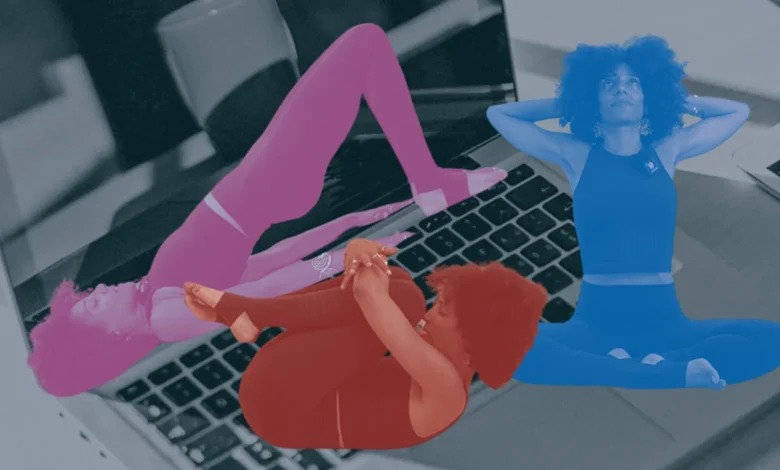
Modern white-collar employment is defined by long, uninterrupted stretches of sedentary behavior. For millions of workers globally, the daily reality involves spending anywhere from six to ten hours hunched over a keyboard, navigating spreadsheets, attending virtual meetings, and focusing intently on deadlines. While corporate wellness initiatives frequently warn of the catastrophic health consequences associated with prolonged sitting—ranging from chronic musculoskeletal disorders and cardiovascular complications to metabolic imbalances—the constant messaging can often feel counterproductive. Employees frequently report that the relentless pressure to adopt perfect ergonomic habits adds an unnecessary layer of stress to an already demanding workday. After all, the primary objective of sitting at a desk is professional productivity and economic survival, not athletic optimization.
This dynamic has created a pervasive all-or-nothing mentality surrounding physical activity. Many workers believe that unless they can carve out a rigorous, hour-long block for a gym session or a comprehensive fitness class, any attempt to move is futile. However, recent health and ergonomic studies suggest that micro-interventions can offer substantial physiological and psychological benefits. A targeted, five-minute movement break integrated seamlessly into the workday can act as a comprehensive physical reset. Rather than draining valuable time and energy, these short intervals help alleviate accumulated tension, improve circulation, and enhance cognitive focus, ultimately enabling employees to perform their tasks more efficiently than if they had stubbornly powered through hours of fatigue.
The Evolution of Workplace Ergonomics and Sedentary Culture
The conversation around desk culture has evolved significantly over the past two decades. As the global economy shifted toward knowledge-based industries and remote work models expanded following the COVID-19 pandemic, the average daily duration of sedentary behavior reached unprecedented highs. Public health organizations, including the World Health Organization (WHO) and the Centers for Disease Control and Prevention (CDC), have increasingly categorized prolonged sitting as a major independent risk factor for chronic illness.
In response, corporations have experimented with various interventions, including standing desks, ergonomic assessment programs, and scheduled walking meetings. Yet, structural workplace barriers often prevent employees from taking extended breaks. Heavy workloads, micromanagement cultures, and the pressure of immediate deliverables make stepping away for thirty to sixty minutes a daunting prospect. This is where micro-movement practices—such as brief, five-minute yoga sequences—gain clinical and practical relevance. By breaking physical inertia without demanding a significant investment of time, these mini-breaks bridge the gap between rigorous exercise and total inactivity.
Physiological Impacts of Prolonged Sitting
From an anatomical perspective, prolonged sitting imposes specific and predictable stresses on the human body. When an individual remains seated for hours, the hip flexors remain in a shortened position, which can eventually lead to chronic tightness and inhibit gluteal activation. Simultaneously, the thoracic spine—the upper and middle back—falls into a flexed, rounded posture. This causes the shoulders to protract, placing excessive strain on the neck, shoulders, and rhomboid muscles.
Furthermore, static loading restricts blood flow, particularly to the lower extremities, and can cause fluid accumulation and physical stiffness. Peripheral tissues, including fascia and tendons, adapt to these sustained postures by tightening, which diminishes overall joint mobility. Introducing targeted somatic movements counters these adaptations by reintroducing range of motion, stimulating lymphatic circulation, and relieving localized muscle fatigue before it develops into chronic pain.
Structuring a Five-Minute Somatic Reset
Designed for maximum efficiency and minimal friction, a five-minute movement routine can be executed directly in an office environment, a home workspace, or a corporate wellness room. The protocol requires little more than a stable yoga mat and a sturdy surface. Crucially, practitioners do not need specialized athletic wear or advanced flexibility; the sequence meets individuals precisely where they are physically, accommodating all levels of experience.
The sequence transitions deliberately from supine (lying down) postures to seated mobility exercises, and finally to dynamic stretches designed to counteract the exact physical patterns induced by desk work.
Lying Down: Releasing Spinal Compression and Tension
The routine begins on the floor, allowing gravity to assist in decompressing the spine after hours of upright or slumped sitting.
-
Full-Body Stretch
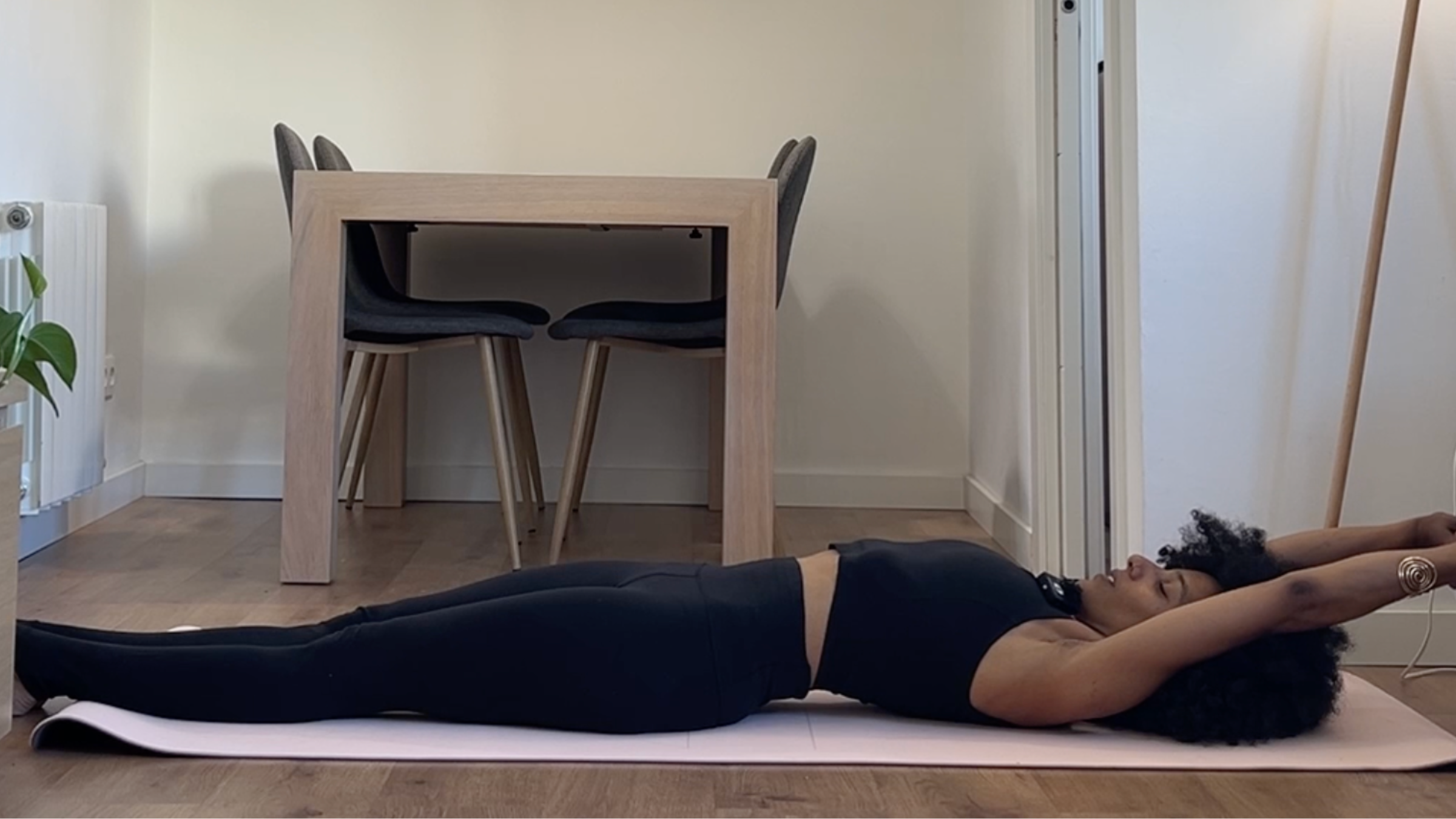
Lying flat on the back in a position reminiscent of Savasana, the practitioner initiates gentle, intuitive movements—wiggling fingers and toes or rolling the head side to side—to assess physical baseline tension. Following a brief moment of settling, a deep inhalation accompanies a full-body stretch, reaching the arms overhead and extending the heels away to elongate the entire musculoskeletal structure from head to toe. A forceful exhale releases the effort, signaling the nervous system to downshift.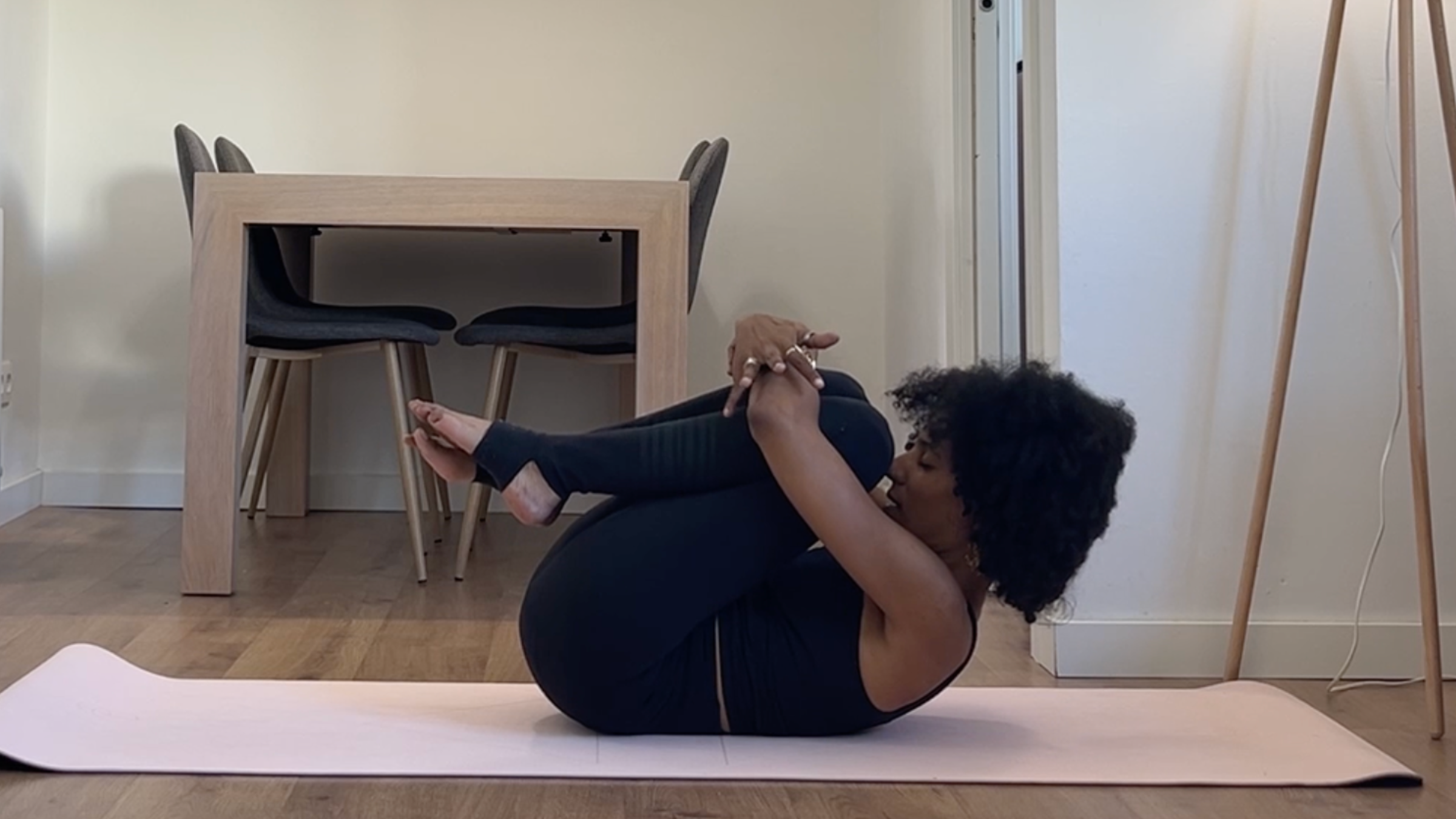
-
Bridge Pose
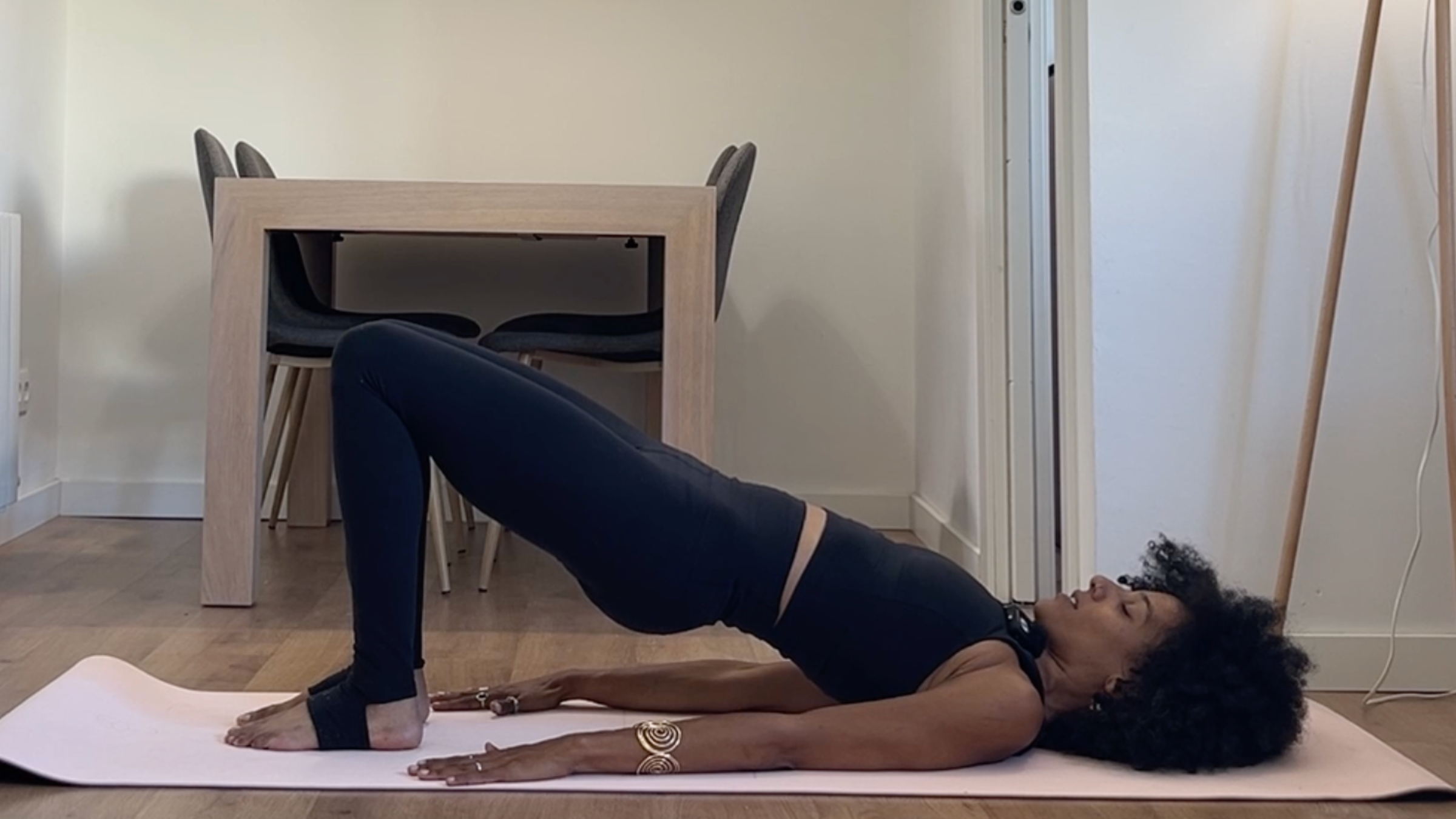
Bending the knees with the feet planted hip-width apart and arms resting alongside the torso, the practitioner engages the glutes and core. On an inhalation, pressing the hands and feet firmly into the mat lifts the hips toward the ceiling into Bridge Pose. This movement actively engages the posterior chain, directly countering the hip flexion characteristic of sitting. An exhale slowly lowers the hips back to the floor. -
Windshield Wipers
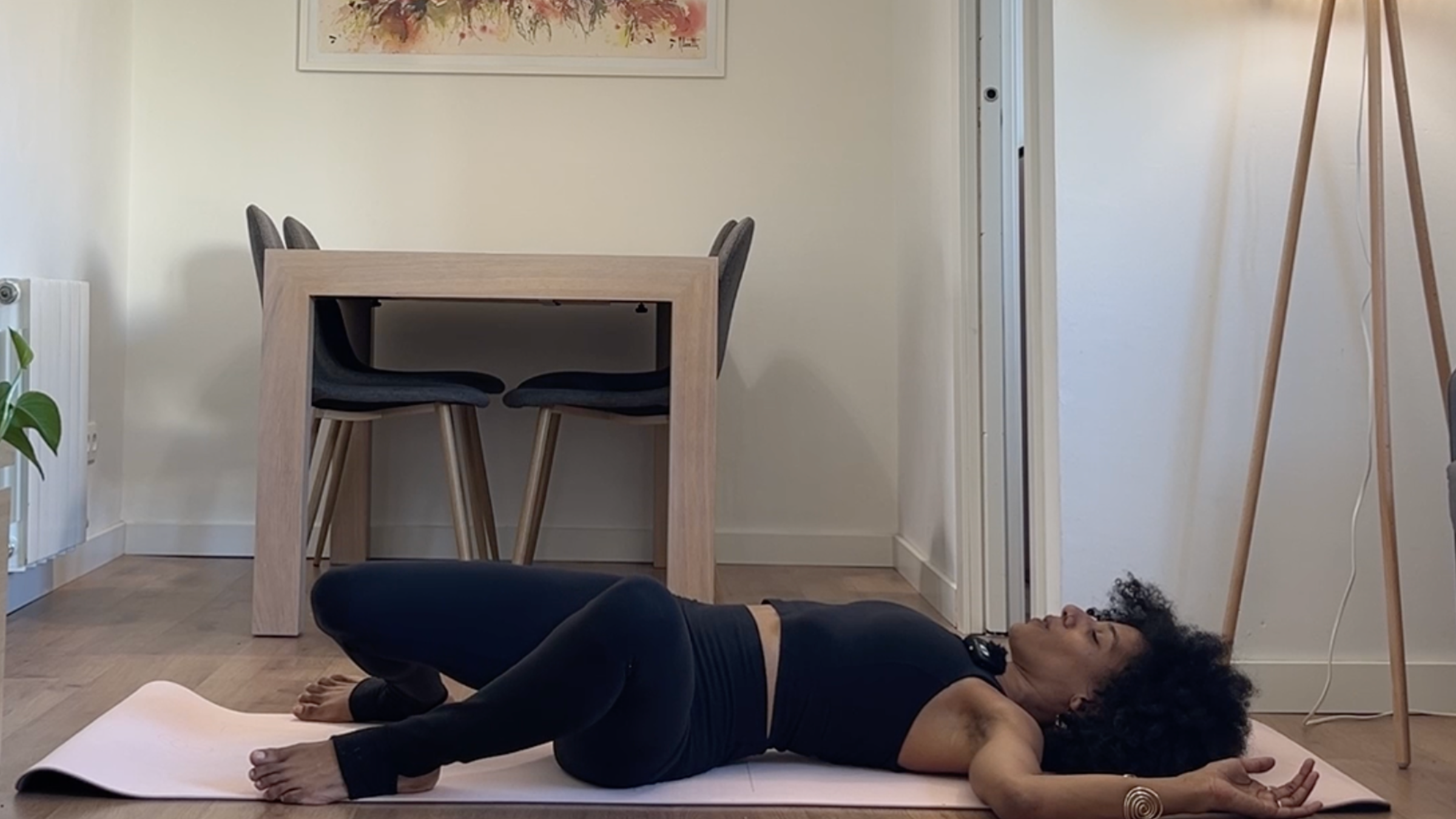
With the feet positioned slightly wider than hip-width and the arms arranged in a cactus shape (elbows bent at 90 degrees), the practitioner drops both knees to one side on an exhale, returning to center on an inhalation, and repeating the motion on the opposite side. This internal and external rotation of the hip joints helps lubricate the joint capsules and release tension in the lower back and pelvis. -
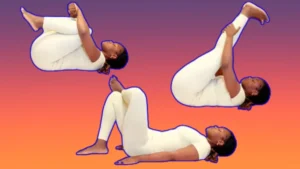
Wind-Relieving Pose
Drawing both knees firmly toward the chest and grasping the shins or the backs of the thighs provides an immediate counter-stretch to the lower lumbar region, gently compressing the abdominal cavity and lengthening the lower spine.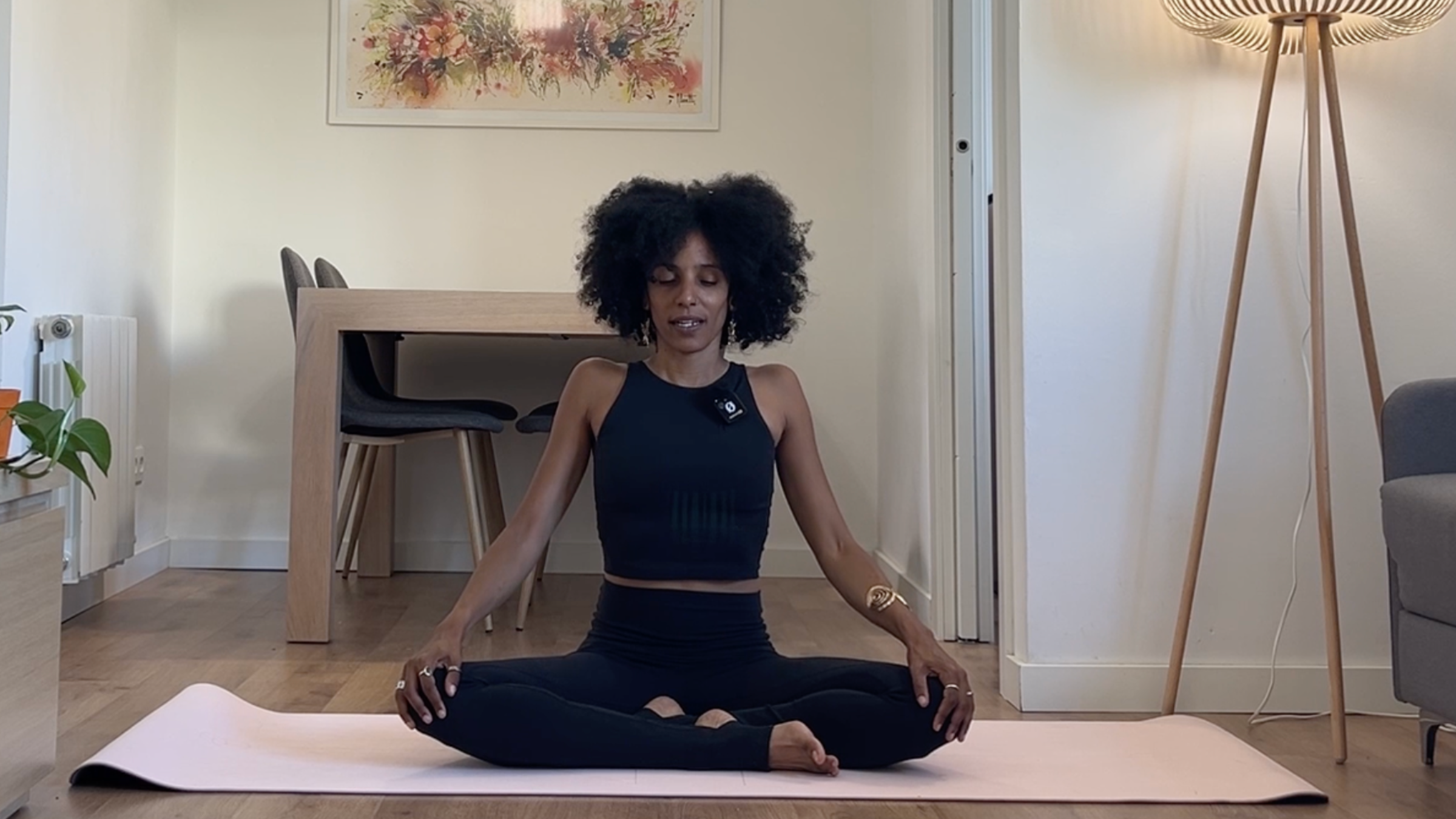
Seated Mobility: Restoring Upper Body and Spinal Alignment
Transitioning to a seated position allows for targeted work on the thoracic spine, shoulders, and upper extremities, which bear the brunt of typing and mouse navigation.
-
Seated Shoulder Rolls
Sitting comfortably upright, the practitioner elevates the shoulders toward the ears, then rolls them backward, downward, and forward in continuous, fluid circles. Reversing the direction after several repetitions helps release tension accumulated in the trapezius and levator scapulae muscles.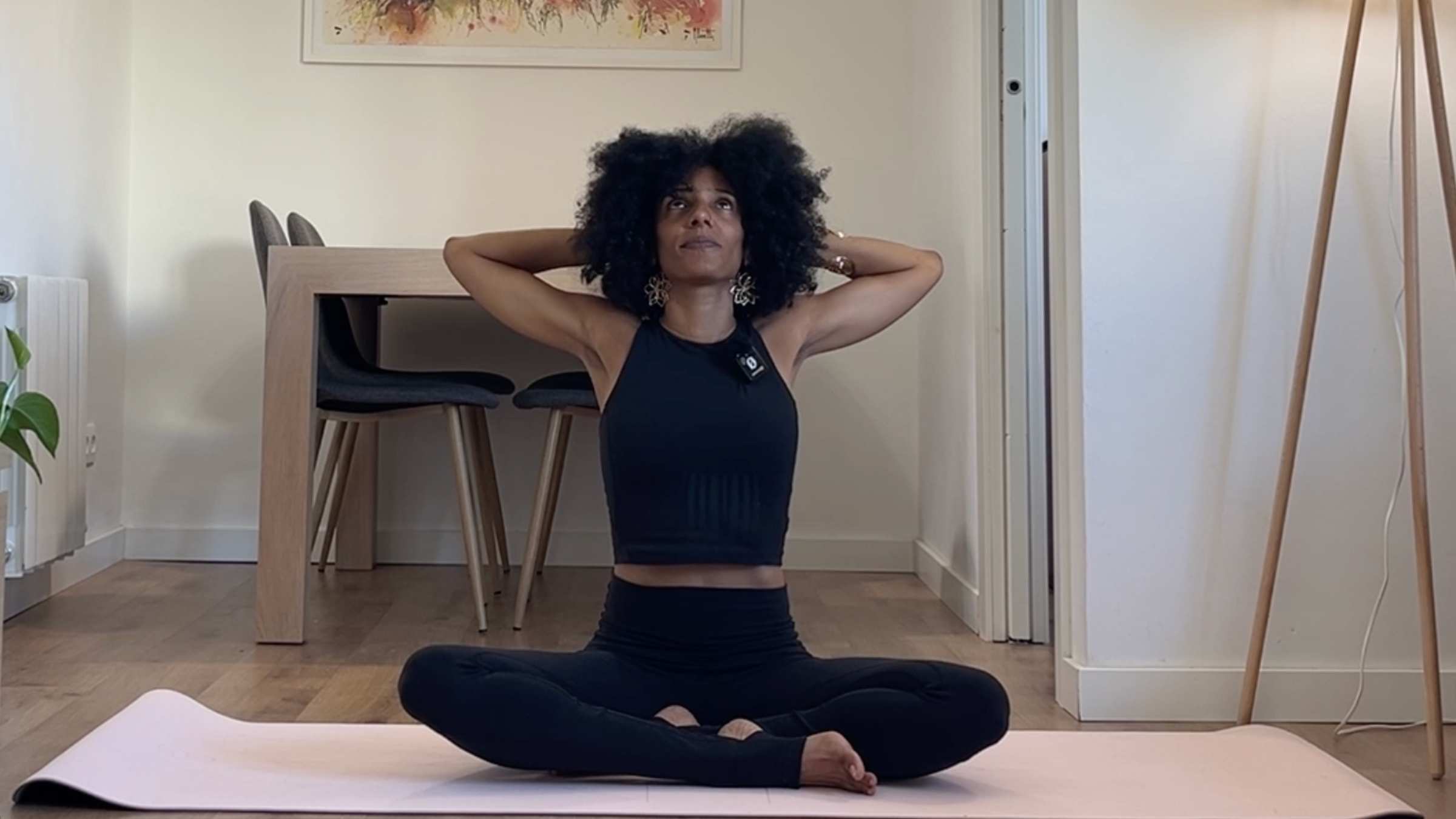
-
Seated Cat-Cow
With fingers interlaced behind the head and elbows flared wide, the practitioner moves the spine through flexion and extension. An exhale draws the navel toward the spine, rounds the upper back, and tucks the chin (Cat Pose variation), while an inhalation lifts the chest upward, arches the back slightly, and draws the elbows backward (Cow Pose variation). This restores mobility to the thoracic vertebrae, which frequently become rigid during prolonged computer work. -
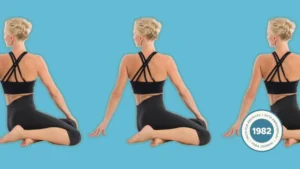
Seated Spinal Twist
Inhaling deeply while reaching both arms overhead, the practitioner initiates a torso rotation on the exhale, placing the right hand on the left knee and the left fingertips on the floor behind them. Holding the twist for several breaths massages internal organs, improves rotational mobility in the spine, and stretches the intercostal muscles. -
Hand Opening and Closing
Addressing the distal extremities, the practitioner returns to a seated center position with arms in a cactus shape. Spreading the fingers as wide as possible, they then contract the hands into tight fists. Repeating this cycle alleviates repetitive strain in the small muscles of the hands, wrists, and forearms, which are constantly engaged during digital data entry.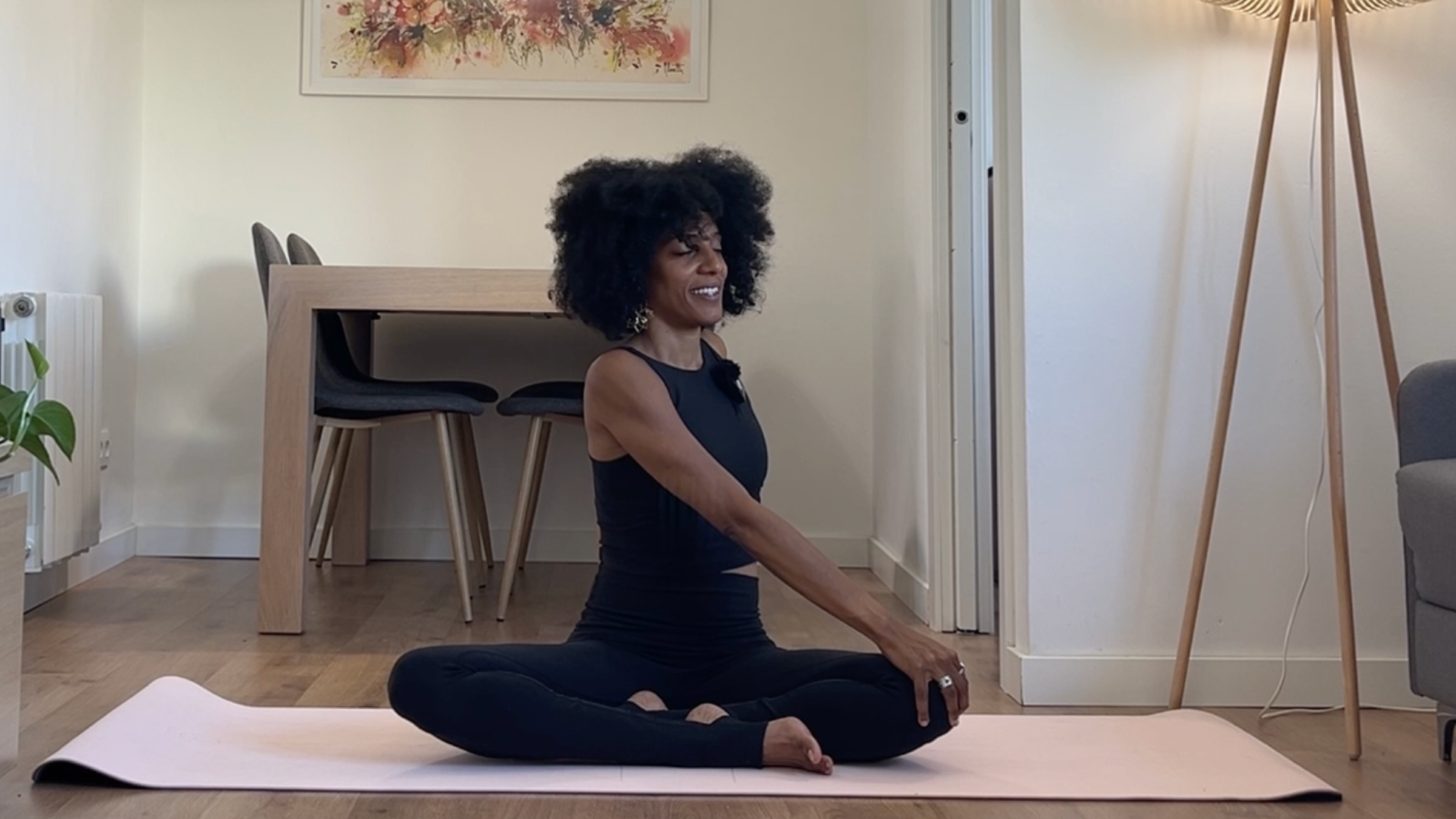
Dynamic Extensions and Integration
-
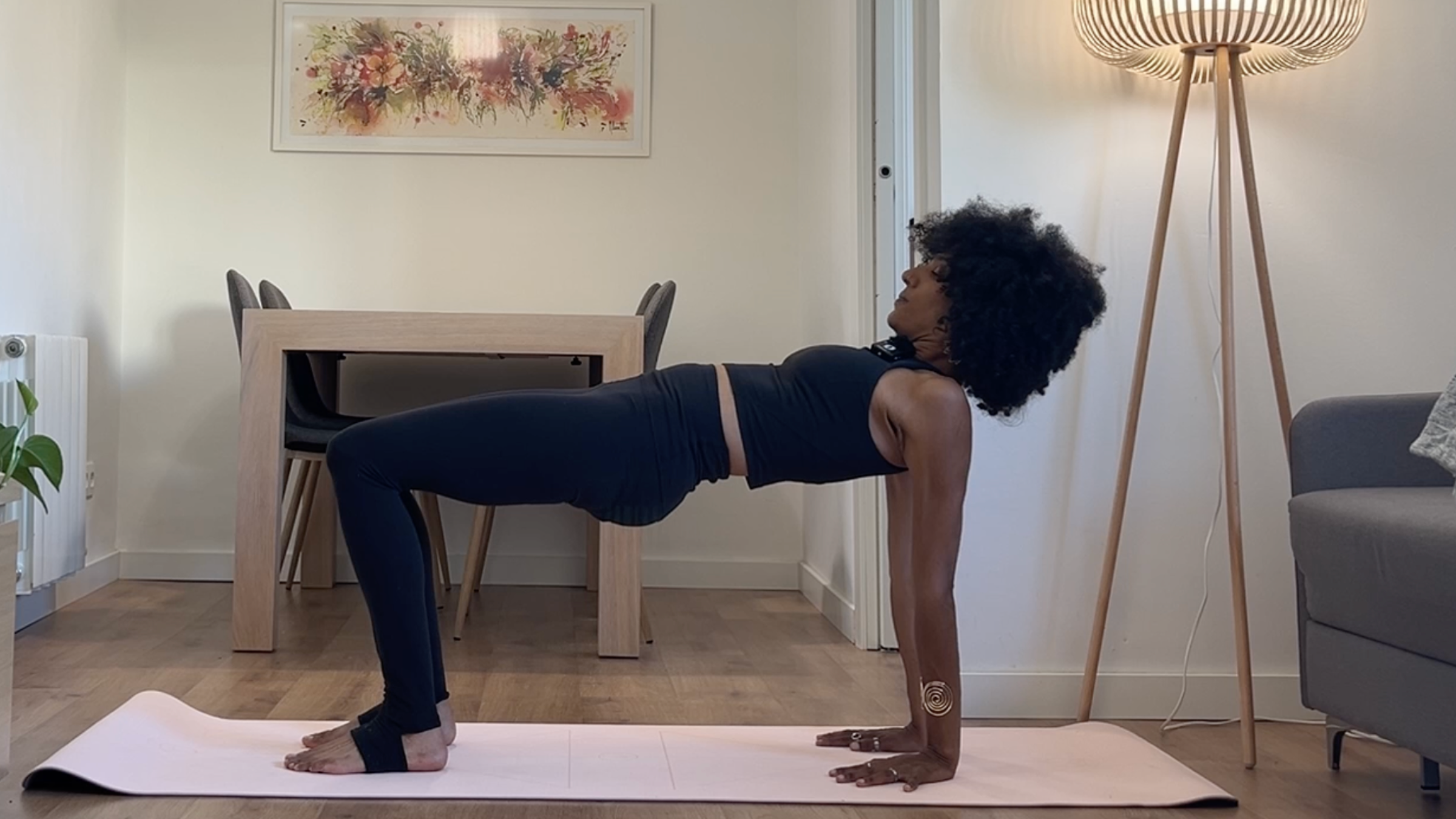
Reverse Tabletop
Sitting with knees bent, feet flat, and hands positioned on the floor behind the hips with fingers pointing forward or backward, the practitioner presses into the palms and soles to lift the hips. Gazing forward with the chin slightly tucked, the body forms a reverse tabletop shape. This movement opens the anterior chest wall, stretches the biceps and anterior deltoids, and strengthens the wrists and shoulders. -
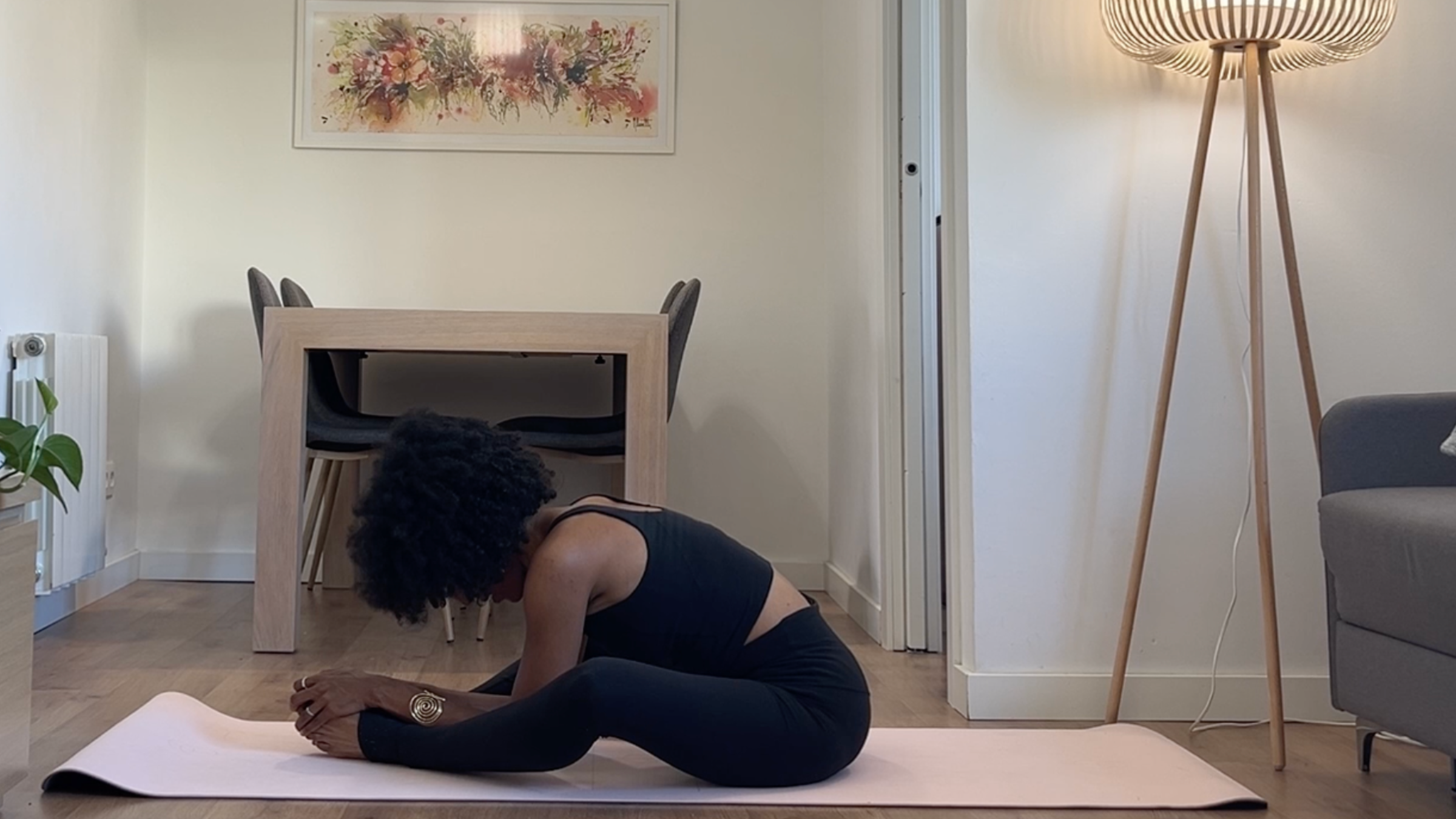
Bound Angle Pose
Bringing the soles of the feet together with knees splaying outward, the practitioner inhales to lengthen the spine. On an exhale, they fold forward from the hips, resting the hands on the ankles or feet. Stacking the fists to create a supportive rest for the forehead allows the neck and shoulders to relax completely while gently opening the adductor muscles of the inner thighs.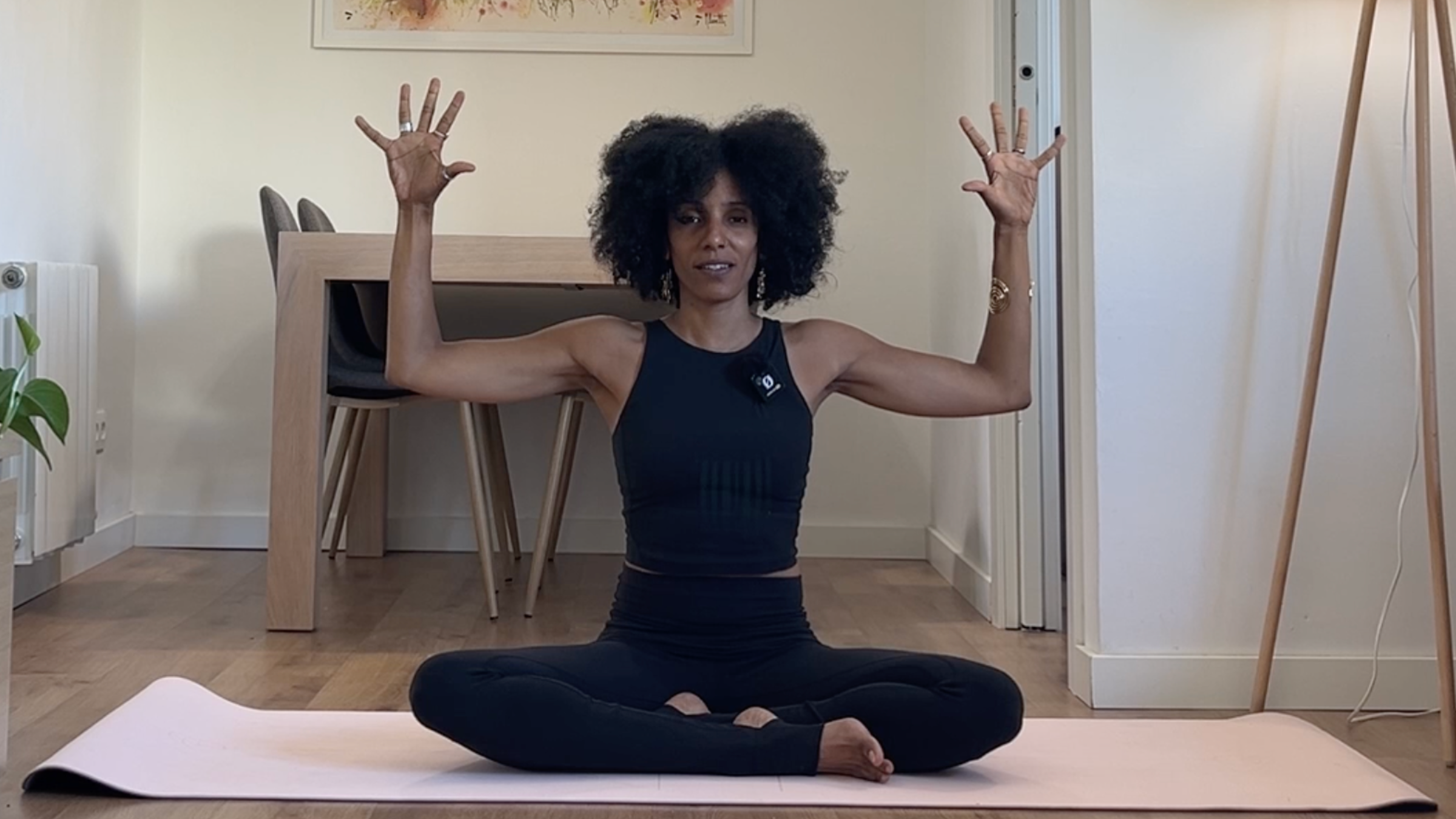
-
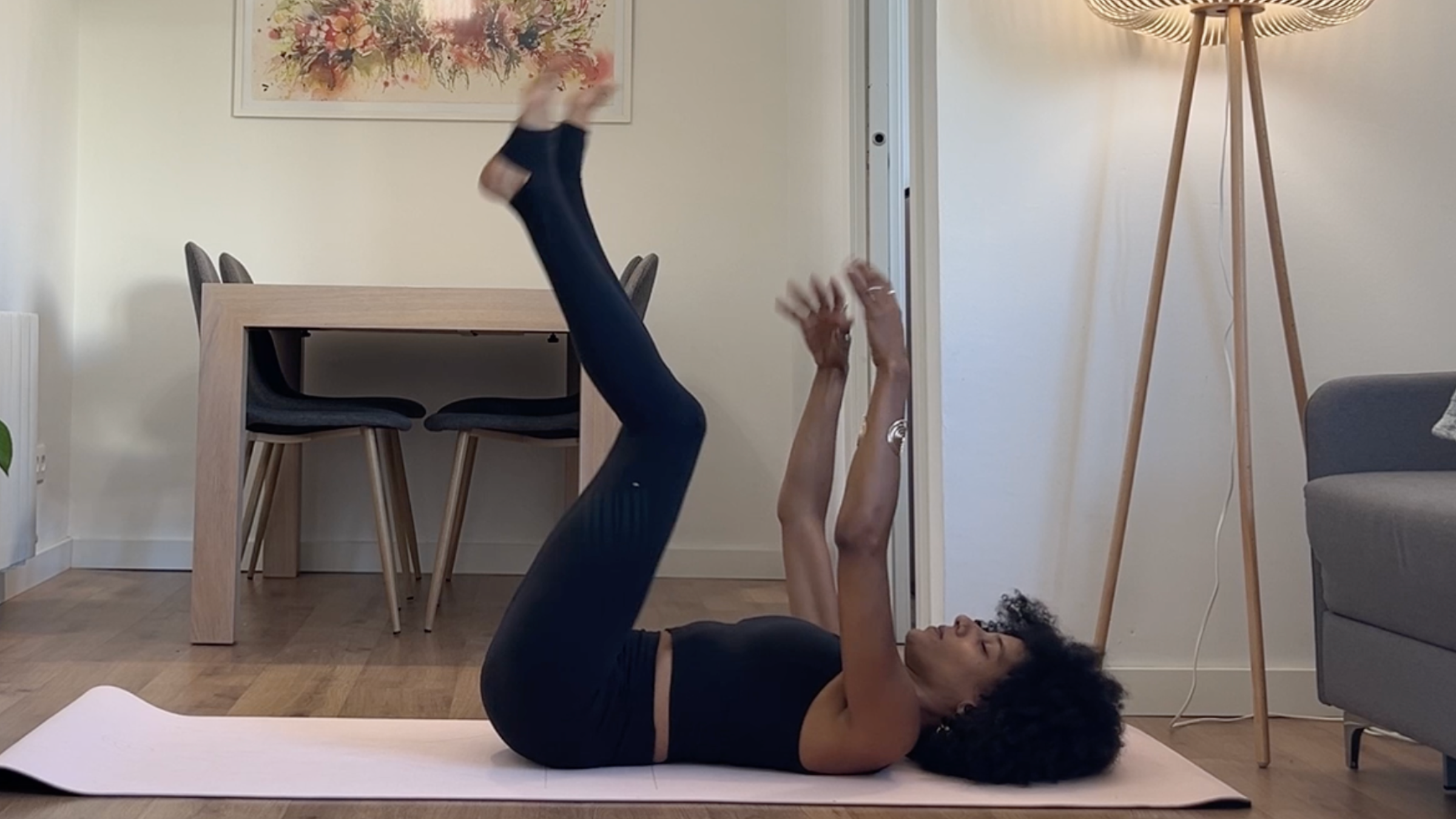
Half Plow Pose
Returning to a supine position with arms flat against the floor, the practitioner bends the knees toward the chest and extends the legs upward toward the ceiling at a right angle (or with slightly bent knees for comfort). This inversion facilitates venous return from the lower limbs, reducing swelling and relieving heaviness in the legs. -
Savasana
The sequence concludes in Savasana—either lying flat on the back or in a supported seated meditation posture. Taking several deep, diaphragmatic breaths signals the end of the break, allowing the practitioner to transition back to professional tasks with a recalibrated nervous system and renewed mental clarity.
Corporate Wellness and Expert Perspectives
Industrial psychologists and occupational health experts increasingly emphasize that employee well-being and productivity are not mutually exclusive; rather, they are deeply interdependent. While corporate mandates often focus on macro-level policies, such as mandatory time off or comprehensive health insurance packages, micro-interventions empower workers at an individual level.
According to workplace wellness researchers, brief movement interludes serve a dual purpose: physiological relief and psychological decompression. When an employee steps away from a monitor for five minutes to breathe deeply and articulate their joints, the brain experiences a cognitive reset. This interruption helps clear working memory, reduces decision fatigue, and mitigates the physiological markers of acute stress, such as elevated heart rate and shallow breathing.
Furthermore, integrating such practices normalizes self-care within the corporate environment. By destigmatizing brief pauses for physical health, organizations can foster a healthier culture that recognizes human biological limitations. Rather than viewing movement as a distraction from work, forward-thinking employers are beginning to frame physical resets as an essential tool for maintaining sustained cognitive performance throughout the working day.
Economic and Practical Implications
The implementation of micro-yoga routines carries clear logistical advantages. Unlike traditional fitness regimens, which require gym memberships, specialized equipment, or significant schedule adjustments, desk yoga is entirely cost-free and infinitely scalable. It requires no transition time to commute to a facility, making it accessible to remote workers, office employees, and hybrid professionals alike.
From an economic perspective, chronic musculoskeletal issues and stress-related absenteeism cost employers billions of dollars annually in lost productivity and healthcare expenditures. While a five-minute stretch routine is not a panacea for systemic ergonomic challenges, it represents a low-barrier, high-impact preventive measure. By encouraging employees to proactively manage localized physical strain, organizations can potentially reduce the incidence of repetitive strain injuries, tension headaches, and chronic back pain.
Ultimately, the integration of short movement breaks challenges the rigid industrial model of continuous, uninterrupted labor. It validates the reality that human beings are biological entities, not machines. By reframing movement as an accessible, bite-sized practice rather than an exhausting obligation, workers can reclaim agency over their physical well-being, proving that caring for one’s posture and protecting one’s productivity can happily coexist within the modern workday.