The landscape of sleep medicine is undergoing a significant transformation with the recent United States Food and Drug Administration (FDA) 510(k) clearance of the iNOS intraoral biosensor. Developed by Achaemenid LLC, this innovative medical device represents a convergence of traditional oral appliance therapy (OAT) and advanced diagnostic monitoring. By integrating a miniaturized, hermetically sealed pulse oximeter directly into an intraoral arch, the device offers a dual-action approach: it functions as a mechanical aid to maintain airway patency while simultaneously serving as a high-fidelity diagnostic tool to track physiological data in real time.
Understanding the Clinical Need for Innovation
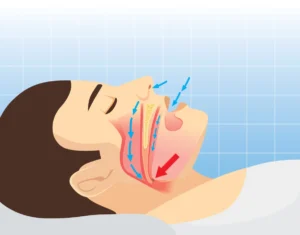
Obstructive sleep apnea (OSA) affects millions of adults globally, characterized by recurrent episodes of upper airway collapse during sleep. Traditional treatments, such as Continuous Positive Airway Pressure (CPAP) therapy, remain the gold standard; however, patient adherence remains a persistent challenge due to the physical discomfort of facial masks and the noise associated with air pumps. Oral appliances—which reposition the mandible to prevent airway obstruction—have emerged as a preferred alternative for patients with mild to moderate OSA.
Despite their efficacy, oral appliances have historically lacked the diagnostic "feedback loop" inherent in CPAP machines, which often include built-in telemetry to monitor therapy success. The iNOS intraoral biosensor addresses this critical gap, allowing clinicians to verify the efficacy of the appliance throughout the night. By monitoring functional oxygen saturation of arterial hemoglobin (SpO2), the device provides objective data that was previously only accessible through cumbersome, multi-night polysomnography (PSG) studies in specialized sleep clinics.
Technical Specifications and Engineering Breakthroughs
The engineering behind the iNOS device is a testament to the progress in medical micro-electronics. The device utilizes a sophisticated light-based sensing system that emits red, green, and infrared wavelengths through the perfused soft tissues of the mouth. Because oral tissue is highly vascular, it provides a stable environment for detecting the subtle pulsations of arterial blood flow.
The device is powered by a rechargeable 3.7V lithium-ion battery, designed to sustain approximately eight hours of continuous operation, covering a standard sleep cycle. Data management is handled through a secure, encrypted Bluetooth connection that transmits pulse oximetry metrics to a companion Android application. To ensure data integrity, the firmware includes a 30-minute local buffering capacity, which protects against potential signal drops during the night. Once reconnected, the device synchronizes stored data to the application, ensuring that the clinical record remains complete.
A Chronology of Development and Regulatory Clearance
The path to FDA clearance for the iNOS biosensor has been a multi-year effort centered on precision and reliability. The 510(k) clearance process, which requires a manufacturer to demonstrate that a device is "substantially equivalent" to a legally marketed predicate device, marks a major milestone for Achaemenid Innovations.
- Early Development Phase: Initial research focused on the feasibility of integrating electronic components into a dental-grade appliance while maintaining biocompatibility and patient comfort.
- Prototype Validation: Extensive bench testing was conducted to ensure the hermetic seal of the pulse oximeter could withstand the moisture and mechanical forces present in the human oral cavity.
- Regulatory Submission: Achaemenid LLC engaged with the FDA to define the parameters of the biosensor’s safety and performance, resulting in the successful 510(k) filing (K254304).
- Future Milestones: The company has scheduled a soft launch for the device in October 2026, with a broader commercial rollout planned for the first quarter of 2027.
Shifting the Paradigm: From Treatment to Physiology
Reza Radmand, DMD, FAAOM, the founder of Achaemenid Innovations, has characterized this development as a pivot in the philosophy of sleep care. "The future of sleep apnea therapy is no longer just treating the airway—it’s continuously monitoring the physiology behind the treatment," Dr. Radmand noted in a press release. This perspective aligns with the broader medical trend toward "connected health," where clinicians are increasingly reliant on longitudinal data rather than static, single-point measurements.
By moving the monitoring equipment from the bedside to the patient’s own anatomy, the iNOS device minimizes the "first-night effect," where patients often sleep poorly in laboratory settings, leading to skewed diagnostic results. This device allows for objective monitoring in the patient’s home environment, providing a more accurate reflection of their physiological state under normal living conditions.
Clinical Implications and Healthcare Delivery
The implications for healthcare providers are substantial. Sleep specialists and dentists specializing in dental sleep medicine can now move toward a more data-driven practice. Instead of relying on subjective patient reports or occasional follow-up visits to determine if an oral appliance is functioning correctly, clinicians can review the SpO2 logs directly from the companion application. This capability is expected to improve therapy titration—the process of adjusting the appliance to find the optimal position for the patient’s jaw—by providing immediate visual confirmation of oxygen saturation levels.
Furthermore, the device is cleared for use across various settings, including hospitals, long-term care facilities, and sleep labs. This versatility makes it an attractive tool for geriatric care, where monitoring respiratory health is vital for preventing complications related to undiagnosed sleep disorders, such as hypertension, stroke, and cardiovascular disease.
Supporting Data and Statistical Context
The prevalence of sleep-disordered breathing remains a significant public health burden. According to data from the American Academy of Sleep Medicine (AASM), nearly 30 million adults in the United States suffer from obstructive sleep apnea. However, it is estimated that approximately 80% of these cases remain undiagnosed. The introduction of accessible, user-friendly diagnostic and therapeutic tools like the iNOS biosensor could theoretically increase the rate of diagnosis by lowering the barrier to entry for initial testing and ongoing monitoring.
Moreover, the clinical significance of SpO2 fluctuations cannot be overstated. A drop in oxygen saturation below 90% is generally considered an indicator of hypoxemia, which places stress on the heart and lungs. By providing a continuous stream of data, the iNOS allows for the identification of patterns that might be missed by intermittent monitoring, such as position-dependent apnea or the impact of alcohol or medication on airway stability.
Broader Impact on the Sleep Industry
The entry of the iNOS biosensor into the market is likely to disrupt the status quo of the oral appliance market. For years, the dental sleep industry has focused primarily on the mechanical design of appliances—focusing on comfort, durability, and adjustability. The inclusion of digital diagnostics transforms the appliance from a passive mechanical device into an active diagnostic system.
Competitors in the space are expected to respond by accelerating their own R&D cycles to integrate similar telemetry into their product lines. This "smart device" race mirrors the evolution seen in the consumer wearables market, such as smartwatches, which have normalized the idea of daily health monitoring. The difference here, however, is the medical-grade precision required for FDA approval, which separates the iNOS from consumer-grade fitness trackers.
Conclusion and Future Outlook
As the healthcare industry continues to embrace digital health, the iNOS intraoral biosensor stands at the intersection of dentistry and pulmonology. By providing a seamless, integrated solution for both the treatment of OSA and the monitoring of arterial oxygen saturation, Achaemenid LLC has set a new benchmark for device design in the field of sleep medicine.
The commercial rollout in early 2027 will be closely watched by practitioners and patients alike. As with any new medical technology, long-term real-world evidence and peer-reviewed studies will be essential to fully quantify the device’s impact on patient health outcomes. However, the initial regulatory endorsement serves as a strong validation of the underlying technology and the potential for a more personalized, data-rich approach to managing one of the most common chronic conditions in modern society. Whether this device will become the new standard of care remains to be seen, but it undoubtedly marks a significant step forward in the quest to provide more effective and accessible sleep apnea treatment.