The Rise of Homemade Pantry Staples: The Strategic Advantage of DIY Greek Seasoning Blends

The shift toward home-based food preparation has gained significant momentum over the past decade, driven by a growing consumer demand for ingredient transparency and cost-efficiency. Among the most popular trends in domestic culinary practices is the creation of bespoke seasoning blends, with the Mediterranean-inspired Greek seasoning emerging as a cornerstone of the modern pantry. By moving away from mass-produced, shelf-stable packets, home cooks are gaining greater control over the chemical and nutritional composition of their meals, while simultaneously reducing long-term grocery expenditures.
The transition from commercial spice packets to homemade alternatives represents a broader movement in food science and consumer health. Market analysts have noted that the global seasoning and spice market has grown consistently, yet a parallel trend indicates a surge in interest for "clean label" products. Many store-bought blends contain anti-caking agents, synthetic preservatives, and excessive sodium, which have become points of concern for health-conscious consumers. By synthesizing individual dried herbs and spices, households are eliminating these additives, opting instead for a more potent, nutrient-dense profile that captures the true essence of Mediterranean cooking.
Historical and Culinary Context of the Greek Blend
The Mediterranean diet has long been recognized by global health organizations, including the World Health Organization and the American Heart Association, for its potential to reduce the risk of chronic disease. Central to this dietary pattern is the liberal use of dried herbs and aromatic spices rather than heavy sauces or refined salts to build flavor.
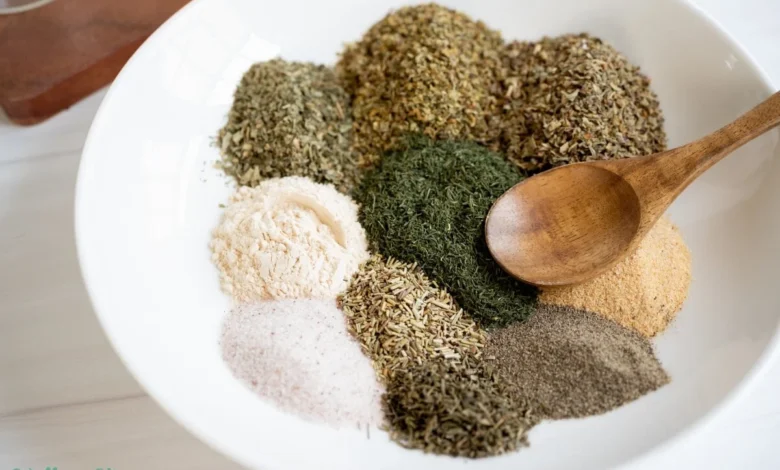
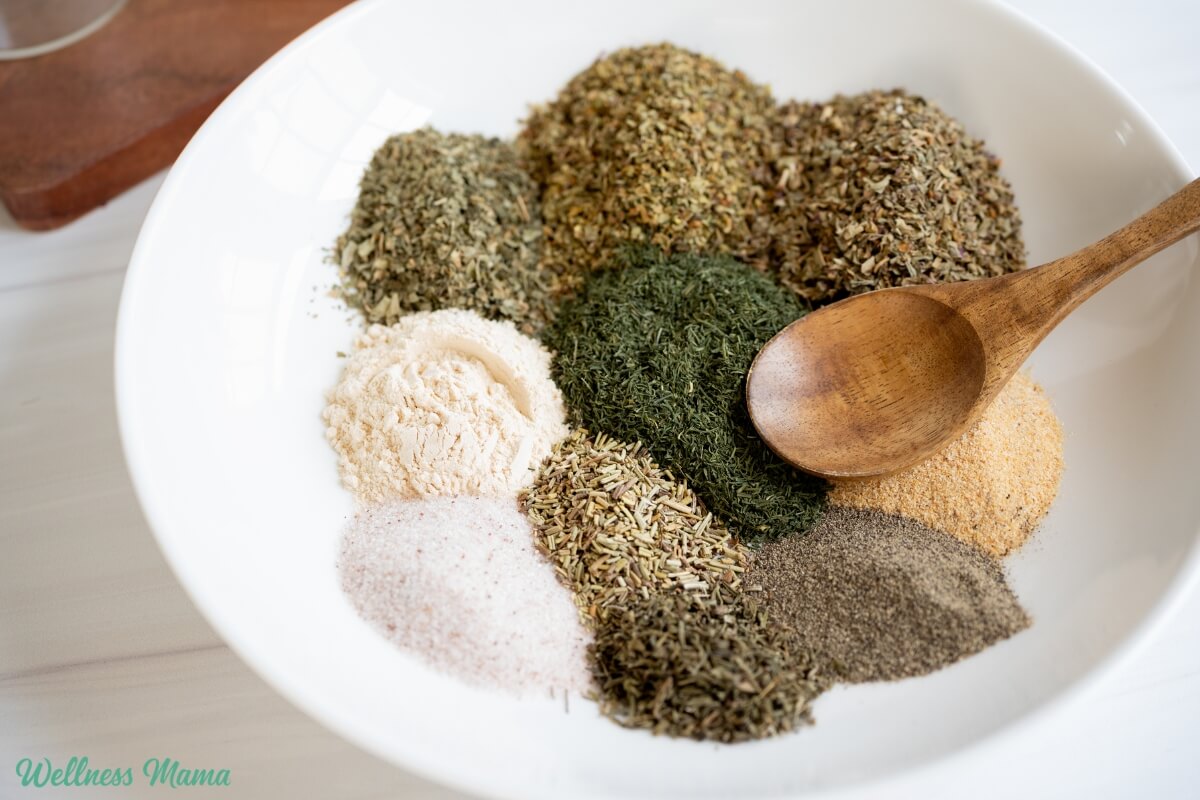
The traditional Greek seasoning profile is a functional culinary architecture. It is built upon a foundation of oregano—specifically Origanum vulgare—which provides the high levels of carvacrol and thymol known for their antimicrobial properties. This base is supported by dill, rosemary, basil, and parsley, each contributing unique antioxidant profiles. The addition of garlic and onion powder provides a savory umami depth, while the inclusion of cinnamon—a staple in many Greek meat dishes—adds a subtle warmth that rounds out the sharper herbal notes. This combination is not merely a stylistic choice; it is an evolution of thousands of years of regional food preservation and flavoring traditions.
Economic and Logistical Implications
For the modern household, the economic benefits of DIY seasoning are quantifiable. Research into household food consumption suggests that consumers pay a significant premium for the packaging and marketing of pre-mixed spice blends. When purchasing individual ingredients in bulk, the cost per ounce drops significantly, often by 40% to 60%.
Furthermore, the longevity of these blends provides a logistical advantage. When stored in airtight glass containers away from direct heat and light, dried herbs maintain their essential oils and potency for six to twelve months. This allows for a "set and forget" approach to meal preparation. By maintaining a supply of pre-mixed Greek seasoning, home cooks reduce the time required for daily meal assembly, effectively streamlining the transition from pantry to table. This efficiency is particularly valuable in the context of rising food prices, where maximizing the flavor of affordable staples—such as potatoes, chicken, and legumes—is essential for budget management.
Nutritional Profile and Health Considerations
From a nutritional standpoint, the homemade blend offers a significant improvement over commercial alternatives. A standard serving of this homemade Greek seasoning contains minimal calories, yet provides trace amounts of essential minerals, including iron, calcium, and potassium.
More importantly, the control over sodium levels is a critical factor for public health. According to the Centers for Disease Control and Prevention (CDC), the average American consumes far more sodium than the recommended daily limit, much of which is hidden in processed foods and pre-mixed seasonings. By preparing the blend at home, the sodium-to-herb ratio can be calibrated to suit individual health requirements, allowing for a flavorful meal without the risk of excessive sodium intake. This customization extends to those with specific dietary restrictions, such as those following low-glycemic, anti-inflammatory, or gluten-free diets, as the cook can ensure no cross-contamination or hidden fillers like cornstarch or maltodextrin are present.
Implementation and Culinary Versatility
The practical application of Greek seasoning is extensive, crossing traditional boundaries of Mediterranean cuisine. Professional chefs and home cooks alike utilize this blend as a dry rub for protein, a finishing touch for roasted vegetables, or a flavoring agent for emulsified dressings.
For example, when used as a marinade in conjunction with cold-pressed olive oil and fresh lemon juice, the seasoning undergoes a process of rehydration. The olive oil acts as a carrier for the fat-soluble flavor compounds in the herbs, while the citric acid from the lemon juice helps to tenderize the connective tissues in poultry and lean meats. This technique is frequently cited in culinary arts as a superior method for flavor infusion compared to surface-level seasoning.
Beyond marinades, the blend is highly effective in vegetable roasting. When tossed with cruciferous vegetables or root tubers and subjected to high-heat roasting (typically 400°F/200°C), the dried herbs undergo a mild caramelization process. This enhances the depth of the flavor profile, transforming simple, inexpensive vegetables into high-value side dishes.
Industry Reactions and Future Outlook
Food industry experts have observed that the trend toward homemade staples is a direct reaction to the industrialization of the food supply chain. As consumers become more informed about the supply chain—from the sourcing of spices to the processing of ingredients—the preference for "from scratch" preparation is likely to continue.
Large-scale spice suppliers have begun to respond to this shift by offering higher-quality, organic, and single-origin ingredients directly to consumers. This suggests that the market for "pantry staples" is evolving from a niche hobby into a mainstream expectation of the modern kitchen.
Looking forward, the integration of technology into the kitchen—such as smart scales for precise blending and vacuum-sealing tools for long-term storage—will likely further facilitate the trend of homemade seasoning. As individuals seek to harmonize the need for time-saving convenience with the desire for health-promoting ingredients, the DIY Greek seasoning blend stands as a prime example of how traditional culinary knowledge remains relevant in the 21st century.
Summary of Strategic Advantages
The decision to transition to a homemade Greek seasoning blend is supported by three primary pillars: health optimization, economic prudence, and culinary consistency.
- Health Optimization: By eliminating fillers and controlling sodium, individuals can leverage the antioxidant properties of high-quality dried herbs.
- Economic Prudence: Bulk purchasing of core herbs—oregano, basil, rosemary, and garlic powder—substantially reduces the long-term cost per meal compared to retail spice blends.
- Culinary Consistency: A homemade supply ensures that the flavor profile remains stable across a wide variety of meals, from breakfast egg dishes to complex dinner roasts.
As the movement toward home-based food sovereignty grows, the ability to curate one’s own flavor profiles will remain an essential skill. By understanding the composition of a traditional Greek seasoning and the mechanics of its application, the modern cook is better equipped to navigate the complexities of daily meal preparation, ensuring that each dish is as nutritionally sound as it is flavorful. This approach to cooking is not merely about food; it is an intentional act of managing one’s own nutritional intake and economic footprint in an increasingly processed world.