New Research Reveals Creatine Monohydrate Can Build Muscle and Support Brain Health Without Exercise

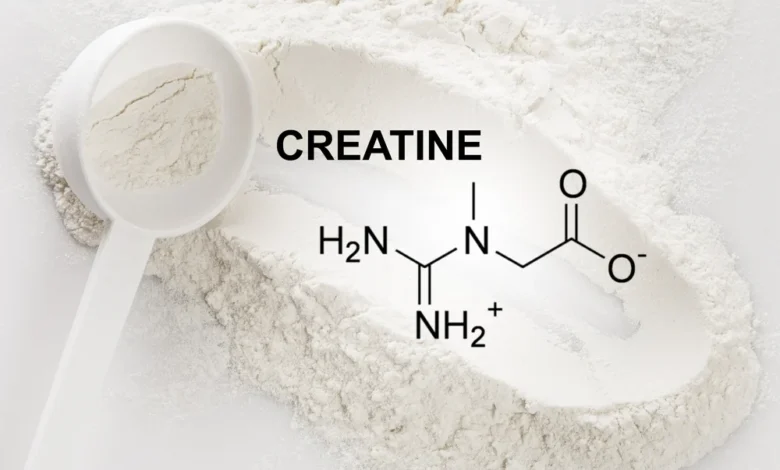
For decades, the medical and fitness communities have operated under a foundational assumption regarding creatine monohydrate: while the popular nutritional supplement is undeniably effective at maintaining and building skeletal muscle mass, those physical gains are strictly contingent upon pairing ingestion with frequent, structured resistance exercise. Traditional sports science viewed creatine primarily as an ergogenic fuel source designed to regenerate cellular adenosine triphosphate (ATP) during high-intensity physical exertion, rendering it largely inert for individuals unable or unwilling to work out.
However, a groundbreaking 12-week clinical trial conducted by researchers at the Exercise & Sport Nutrition Lab at Texas A&M University upends this long-held dogma. Led by investigator Jisun Chun and overseen by prominent exercise scientist Rick Kreider, the study demonstrates that while combining daily creatine supplementation with a robust exercise regimen yields the most dramatic improvements in body composition, creatine administered independently still produces statistically significant muscle and cognitive benefits in the complete absence of physical training.
Published in a peer-reviewed medical journal, these findings arrive at a critical juncture in public health. With the global population aging rapidly, healthcare systems are grappling with the rising prevalence of sarcopenia—the age-related loss of muscle mass and function—alongside escalating rates of cognitive decline. For millions of older adults, individuals with severe mobility impairments, or those recovering from debilitating injuries who cannot engage in rigorous physical fitness programs, this new data introduces a promising therapeutic avenue.
Chronology and Methodology of the 12-Week Trial
The investigation was structured to evaluate the dual impacts of creatine monohydrate and lifestyle interventions on healthy, untrained middle-aged and older adults seeking clinical assistance for weight management. Researchers enrolled 73 generally healthy, medically stable participants ranging in age from 45 to 65 years. Crucially, none of the participants had a history of taking pharmacological weight-loss medications or performance-enhancing supplements prior to their enrollment in the study.
To establish a uniform nutritional baseline, all participants were instructed to adhere to a standardized weight-loss diet modeled explicitly on the dietary guidelines established by the American Heart Association. This diet consisted of a macronutrient distribution of 55 percent carbohydrates, 15 percent protein, and 30 percent fat, engineered to create a modest daily energy deficit of approximately 300 to 500 kilocalories. Adherence to this dietary framework was meticulously monitored and verified using the MyFitnessPal smartphone application.
Following baseline evaluations, the cohort was randomized to receive either a daily dose of 10 grams of creatine monohydrate (administered as two 5-gram doses) or an identical maltodextrin placebo. Participants were then divided into two activity sub-groups based on personal preference: one cohort participated in a structured, thrice-weekly supervised program of resistance and aerobic exercise, while the second cohort was explicitly instructed to maintain their normal, sedentary pre-study activity routines.

The structured exercise regimen incorporated a diverse mix of free weights, bodyweight movements, stationary cycling, and treadmill or outdoor walking, targeting a threshold of 10,000 steps per day on non-training days. Ultimately, 64 of the original 73 participants—comprising 40 females and 24 males—successfully completed the rigorous 12-week trial. Throughout the intervention period, researchers conducted comprehensive assessments at baseline, week 6, and week 12, utilizing dual-energy X-ray absorptiometry (DXA) scans for body composition, fasting blood draws, and standardized cognitive function testing.
Key Findings: Muscle Mass and Body Composition
When evaluating the physiological outcomes, the research team observed expected improvements in the groups combining exercise with dietary restrictions. However, the definitive surprise of the investigation centered on the sedentary participants who consumed creatine daily without altering their physical activity levels.
Regardless of exercise status, supplementation with creatine monohydrate demonstrably increased lean tissue mass, promoted a greater reduction in overall body fat percentage, and improved muscular strength and endurance. While the cohort that combined exercise and creatine achieved superior results in overall weight loss, fat mass reduction, and waist-and-hip circumference shrinkage—alongside notable reductions in systolic and diastolic blood pressure—the sedentary creatine group still experienced tangible physiological enhancements. Specifically, participants taking creatine gained measurable fat-free mass compared to their placebo-controlled counterparts, irrespective of whether they exercised.
These empirical results align closely with a broader body of emerging literature. The authors note that their conclusions are highly consistent with a recent comprehensive meta-analysis conducted by Ashtary-Larky and colleagues. That meta-analysis determined that creatine supplementation independent of dedicated diet interventions increased fat-free mass across both trained and untrained populations in a clear dose-dependent manner.
Furthermore, the therapeutic implications extend beyond skeletal muscle. The Texas A&M study observed favorable changes in blood lipid profiles, glycated hemoglobin (HbA1c) levels, and specific markers of cognitive function and memory in participants who took creatine, whether they exercised or remained sedentary.
Elevating the Dosage for Cognitive Enhancement
A distinguishing feature of the Texas A&M protocol was the deliberate decision to utilize a daily creatine dose of 10 grams, divided into two 5-gram servings. Standard fitness industry recommendations typically advise a maintenance dose of 5 grams per day. However, the researchers aimed to target neurological health, recognizing a major pharmacokinetic hurdle: historical estimates indicate that only about 20 percent of ingested creatine successfully crosses the blood-brain barrier.
Over the preceding five years, several pioneering pharmacokinetic studies—notably work published by S. Ostojic and colleagues in Aging Clinical and Experimental Research—suggested that elevating daily consumption to 10 grams or higher significantly improves the bioavailability of creatine within the central nervous system, thereby enhancing the likelihood of measurable cognitive benefits. The Chun study successfully validated this hypothesis, showing that higher systemic availability positively influenced memory and cognitive performance markers in both active and inactive participants.

Safety, Tolerability, and Renal Health Profile
Because higher supplemental dosages are frequently scrutinized by clinicians regarding potential renal toxicity, the research team closely monitored safety markers throughout the 12-week trial. The data confirmed that the 10-gram daily dose was remarkably well-tolerated by middle-aged and older adults, with zero reports of severe adverse events.
As expected, participants consuming creatine exhibited minor elevations in urinary creatinine levels, which were marginally more pronounced among those enrolled in the rigorous exercise programs. Correspondingly, estimated glomerular filtration rates (eGFR)—a standard clinical metric calculated using serum creatinine values—decreased slightly in the creatine-supplemented groups. However, the research team emphasized that these statistical fluctuations remained well within normal clinical parameters, showing no pathological indicators of renal impairment or kidney damage.
These empirical safety findings are strongly reinforced by broader epidemiological data. In 2025, Dr. Rick Kreider’s research group published an exhaustive safety analysis aggregating data from 685 clinical studies encompassing a total of 12,839 subjects. That extensive review concluded that while long-term or high-dose creatine supplementation can occasionally induce transient gastrointestinal discomfort or mild muscle cramping, it does not elevate the risk of serious adverse renal, hepatic, or systemic events.
Broader Implications and Future Research Directions
Despite its promising conclusions, the study does possess several methodological limitations acknowledged by the authors. The intervention period was relatively short at 12 weeks, the sample size was modest, and the participant demographic skewed toward younger, healthier individuals within the broader "older adult" classification (aged 45 to 60). Additionally, participation in the physical training arm was self-selected rather than strictly randomized, introducing a potential lifestyle bias.
Looking forward, additional long-term clinical trials will be necessary to determine whether these physiological and cognitive improvements persist over extended durations. Future investigations must also evaluate whether creatine monohydrate can similarly benefit frail, elderly populations or serve as a frontline preventative intervention against age-associated sarcopenia and neurodegenerative decline.
Ultimately, the findings from the Texas A&M Exercise & Sport Nutrition Lab provide robust empirical support for expanding the clinical utility of creatine monohydrate. By demonstrating that meaningful improvements in lean tissue mass, muscle endurance, and cognitive performance can be achieved independently of physical exercise, this research offers a vital therapeutic tool for patients whose physical limitations have historically precluded them from traditional fitness interventions.