The physiological decline of muscle mass, clinically recognized as sarcopenia, is a silent but pervasive aspect of the aging process that often remains undetected until it begins to impede daily functionality. While the reduction of muscle tissue is a natural byproduct of aging, the pace and severity of this decline are significantly influenced by lifestyle choices. For many adults in their 40s and 50s, the shift from high-energy youth to more sedentary, professional, and family-oriented lifestyles creates a "perfect storm" for muscle atrophy. Recent expert insights and longitudinal research indicate that by adopting four specific, evidence-based habits—optimized protein intake, consistent resistance training, disciplined sleep hygiene, and intentional physical movement—individuals can effectively mitigate these losses and maintain functional independence well into their later years.
The mechanics of age-related muscle loss are multifaceted, involving a complex interplay of hormonal shifts, metabolic changes, and physical inactivity. According to Jacob Zemer, a New York-based certified fitness coach who specializes in the 35-to-55 demographic, the transition into middle age often involves a decrease in physical activity that directly impacts metabolic baseline. When activity levels drop, the body’s requirement for muscle tissue decreases, leading to a gradual loss of both strength and contractile quality.
Hormonal fluctuations further exacerbate this process. In men, testosterone levels—a critical hormone for muscle protein synthesis—begin a steady decline starting in the late 20s. By the time men reach their 70s, a significant proportion may meet the clinical criteria for hypogonadism, defined as serum testosterone levels below 320 ng/dl. Similarly, women undergo profound hormonal changes, particularly during perimenopause and menopause, which alter how the body partitions nutrients. Research published in Advances in Physiology Education highlights that skeletal muscle is rich in androgen receptors; when these receptors are insufficiently stimulated due to hormonal declines, the efficiency of muscle protein synthesis drops. Furthermore, the secretion of growth hormone and IGF-1 (insulin-like growth factor 1) diminishes with age, effectively slowing the body’s natural ability to repair and rebuild muscle tissue.
The metabolic response to nutrition also becomes less efficient. Older adults often exhibit "anabolic resistance," a condition where the muscle protein synthetic response to food intake is blunted. Even when an older individual consumes an amount of protein that would be sufficient for a younger adult, their muscles may not respond with the same degree of protein synthesis. Consequently, the threshold for "adequate" protein intake rises as one ages.
The Nutritional Mandate: Increasing Protein Intake
Dietary protein serves as the primary catalyst for muscle repair and maintenance. While younger, sedentary adults may maintain muscle mass on lower amounts of protein, aging populations require higher concentrations to overcome anabolic resistance. A 2025 review published in the journal Nutrients recommends a minimum daily intake of 1.0 to 1.2 grams of protein per kilogram of body weight for healthy older adults. For a 165-pound (75 kg) individual, this necessitates a daily intake of at least 75 to 90 grams.
Data from nutrition surveys suggest that these targets are frequently missed, with approximately 30% of men and 50% of women over the age of 71 failing to consume sufficient protein. Experts emphasize that the distribution of this protein is as important as the total amount. Consuming protein in a "pulse" fashion throughout the day—rather than in one large meal—ensures a constant supply of amino acids for muscle repair. Furthermore, emerging research from the Gatorade Sports Science Institute indicates that timing protein consumption around periods of physical activity can maximize the anabolic response, making post-workout intake a critical strategy for the aging athlete.
The Role of Resistance Training in Functional Longevity
Resistance training is the most effective intervention for countering sarcopenia. A 2025 systematic review confirmed that consistent strength training significantly enhances key markers of functional independence, including handgrip strength, gait speed, and knee extension strength. These metrics are not merely athletic performance indicators; they are predictors of long-term health, as increased grip strength and mobility are inversely correlated with the risk of falls and hip fractures.
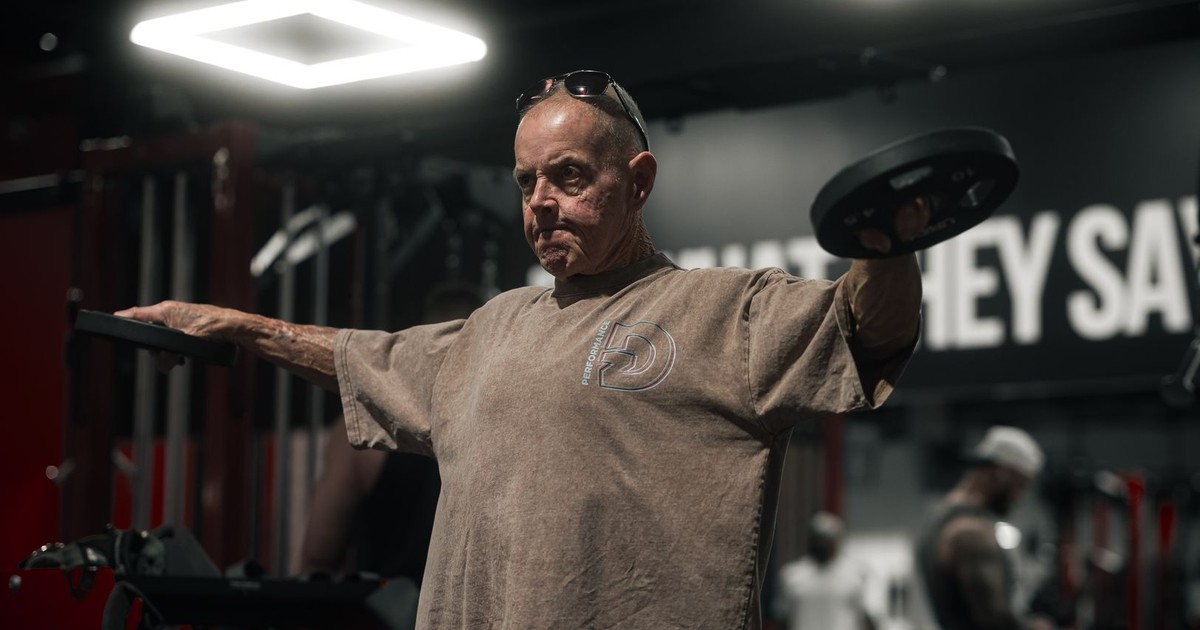
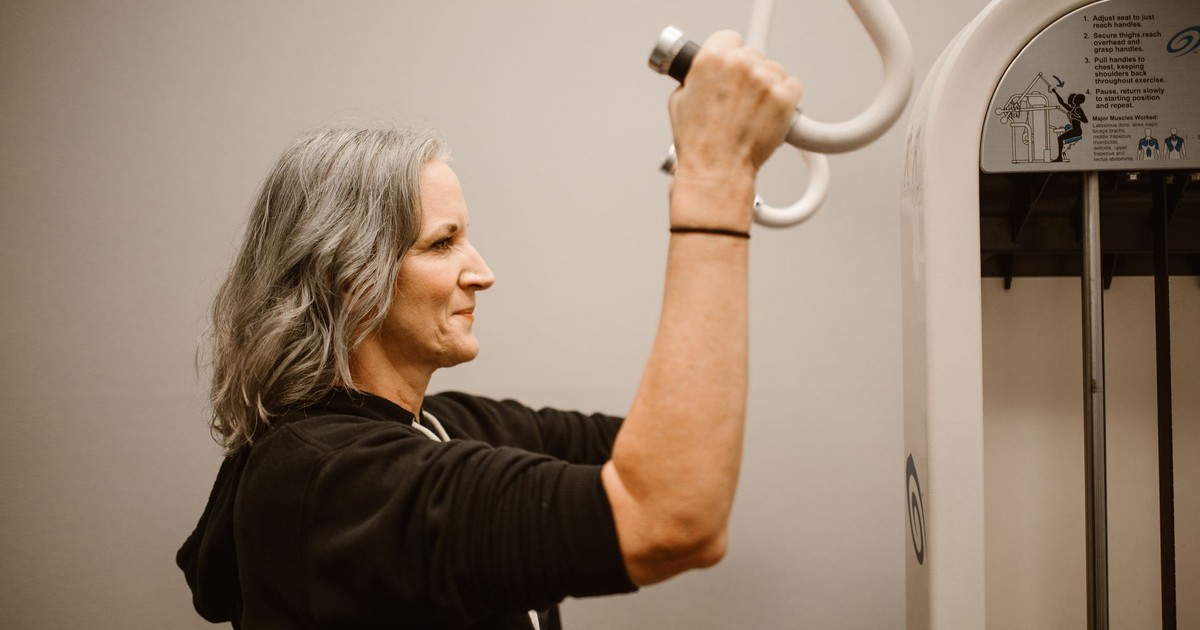
Current guidelines from the Centers for Disease Control and Prevention (CDC) suggest that adults engage in muscle-strengthening activities at least two days per week, targeting all major muscle groups. Contrary to the misconception that seniors must avoid heavy lifting, a 2022 study in Frontiers in Sports and Active Living suggests that training at 60% to 80% of one-repetition maximum is an effective range for maintaining muscle mass. The goal is to reach a state of effort where the final repetitions of a set become challenging. Foundational movements—such as squats, lunges, push-ups, and loaded carries—are recommended for beginners to build functional strength that translates directly into everyday activities like carrying groceries or rising from a chair.

Sleep as a Physiological Foundation
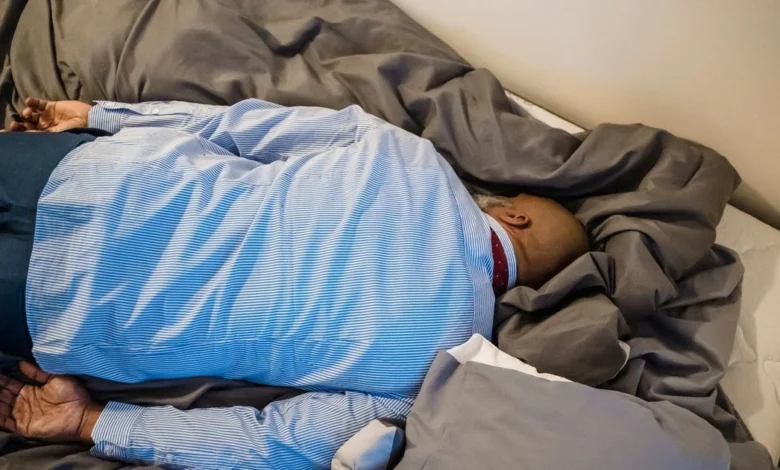
While exercise provides the stimulus, sleep provides the recovery. During the deep, slow-wave stages of sleep, the body undergoes critical repair processes, including the release of growth hormone and the replenishment of muscle glycogen. Chronic sleep deprivation has a documented catabolic effect on muscle tissue. A 2021 study published in Physiological Reports demonstrated that a single night of sleep deprivation could reduce muscle protein synthesis by 18%, while simultaneously elevating cortisol—a hormone that promotes tissue breakdown—by 21%.
The hormonal impact of sleep loss is significant; the same study found a 24% decrease in plasma testosterone levels following a night of poor sleep. For aging adults, who may already be dealing with declining hormone levels, poor sleep hygiene acts as a catalyst for muscle wasting. Coaches and health professionals advise maintaining a consistent sleep schedule, limiting caffeine intake after 2:00 p.m., and optimizing the bedroom environment to ensure seven to nine hours of quality rest per night.
Movement and the Prevention of Inactivity
The final pillar of muscle preservation is the avoidance of prolonged sedentary behavior. Even when structured training is not possible—due to injury or scheduling constraints—the body requires movement to maintain a "building" signal. Research on bed rest indicates that physical inactivity leads to a rapid decline in muscle mass and metabolic health.

This is particularly relevant for individuals undergoing weight loss, including those utilizing GLP-1 receptor agonists. Recent reports from UC Davis Health and Mass General Brigham emphasize that rapid weight loss can often lead to a loss of lean body mass rather than just fat mass. To protect the musculoskeletal system, clinicians advise that protein intake and resistance training must be prioritized during any weight loss intervention.
Implications for Long-Term Health
The broader impact of these findings is that muscle mass should be viewed as a "metabolic retirement account." Just as financial security requires consistent contributions over time, muscle health requires a sustained commitment to physical and nutritional habits. The objective is not necessarily to achieve the physique of a bodybuilder, but to build a robust physical reserve that allows for continued independence.
By acknowledging that muscle loss is a modifiable risk factor, adults can shift their approach to aging from a passive acceptance of decline to an active strategy of preservation. Given the aging global population and the associated burden on healthcare systems due to falls and frailty, the widespread adoption of these four habits represents a significant opportunity for public health improvement. While these interventions require discipline, the long-term rewards—sustained mobility, metabolic health, and the ability to perform daily tasks without assistance—are among the most important investments an individual can make.