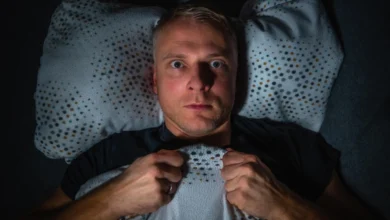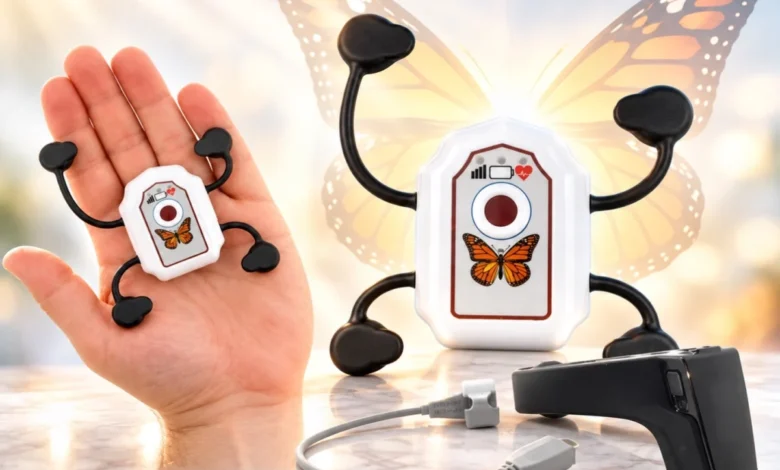
The landscape of modern cardiology is undergoing a significant shift toward integrated, multi-system diagnostics, a trend exemplified by the recent regulatory milestone achieved by Rhythm Express. The company has officially received 510(k) clearance from the United States Food and Drug Administration (FDA) for its RX-1 Sleep software, a sophisticated, cloud-based platform designed to bridge the gap between cardiac rhythm monitoring and the assessment of sleep-disordered breathing (SDB). By integrating data from its existing RX-1 mini cardiac monitoring system and a compatible Viatom pulse oximeter, the platform enables clinicians to evaluate two distinct yet profoundly interrelated conditions—atrial fibrillation (AFib) and obstructive sleep apnea (OSA)—within a unified clinical workflow.
The Intersection of Cardiovascular and Respiratory Health
The clinical rationale behind the RX-1 Sleep system lies in the well-documented, bidirectional relationship between sleep apnea and cardiac arrhythmias. For years, medical researchers have observed that patients suffering from OSA are at a significantly higher risk of developing atrial fibrillation. The physiological stress caused by repeated airway obstruction leads to intermittent hypoxia, fluctuations in intrathoracic pressure, and surges in sympathetic nervous system activity. These stressors create an environment conducive to the structural and electrical remodeling of the heart, which in turn facilitates the development of AFib.
Conversely, patients diagnosed with AFib are frequently screened for sleep-disordered breathing because treating the latter can enhance the success rate of cardiac interventions, such as catheter ablation or anti-arrhythmic drug therapy. Historically, however, the diagnostic journey for these patients has been fractured. A patient might be sent to a sleep clinic for a home sleep apnea test (HSAT) or an in-lab polysomnography (PSG) study, and separately referred to a cardiologist for Holter monitoring or an event recorder. This fragmentation often leads to delays in diagnosis, patient attrition, and a lack of data correlation between the patient’s sleep state and their cardiac rhythm.
Chronology and Regulatory Milestones
The path to the RX-1 Sleep launch follows a period of rigorous development and validation for Rhythm Express. The company’s trajectory has been marked by a focus on miniaturization and cloud-based data analytics:
- Initial Development Phase: Rhythm Express established its foothold in the remote cardiac monitoring market with the RX-1 mini, a lightweight, long-term continuous ECG recorder.
- Validation Studies: To prepare for the FDA submission, the company conducted a multicenter validation study involving 476 polysomnography assessments. These studies were designed to demonstrate that the RX-1 Sleep algorithm could provide clinically actionable data that holds up against the "gold standard" of in-lab PSG testing.
- FDA Submission: The company submitted its 510(k) application (K253148), detailing the cloud-based algorithm’s ability to analyze peripheral oxygen saturation (SpO2) and heart rate variability to derive metrics like the apnea-hypopnea index (AHI).
- Regulatory Clearance: In early 2025, the FDA granted 510(k) clearance, confirming that the device is substantially equivalent to existing predicate devices for the assessment of sleep-disordered breathing in adults.
Technical Capabilities and Data Integration
The RX-1 Sleep software functions as a diagnostic layer atop existing hardware. When prescribed by a physician, the patient wears the RX-1 mini cardiac monitor on the chest and uses a Viatom pulse oximeter on the finger during sleep. The system is designed for a duration of up to 30 days for cardiac monitoring and up to 3 days for dedicated sleep-disordered breathing assessment.
Key metrics generated by the software include:
- Apnea-Hypopnea Index (AHI): A critical measure of the severity of sleep apnea based on the number of apneas and hypopneas per hour of sleep.
- Respiratory Effort and Body Position: Data points that help clinicians differentiate between central and obstructive sleep apnea, as well as identify positional triggers for respiratory distress.
- Sleep/Wake Status: By leveraging movement and heart rate data, the software provides an estimate of sleep architecture, allowing for a more nuanced analysis of when cardiac events occur in relation to sleep stages.
By synthesizing this data, the platform allows for a comprehensive report that gives the physician a "holistic view" of the patient’s health, rather than two separate reports that may not account for temporal overlaps between an apneic event and an arrhythmic episode.
Clinical Perspectives: Bridging the Care Gap
The medical community has expressed cautious optimism regarding the integration of these diagnostics. Dr. Mark Abrams, a cardiac electrophysiologist for CareMount Medical and Optum, emphasized the practical utility of this approach. "When we evaluate patients with atrial fibrillation, testing for sleep apnea is common to address underlying contributing risk factors in addition to discussing treatment options," Dr. Abrams noted. "Combining a sleep evaluation alongside cardiac rhythm monitoring allows for expedited diagnosis, evaluation, and management in a more holistic way to optimize patient care."
This sentiment is echoed by Marina Brockway, founder and CTO of Rhythm Express, who views the launch as a necessary evolution of digital health. According to Brockway, clinicians are increasingly identifying obstructive sleep apnea not merely as a comorbidity, but as a "key modifiable risk factor" in the management of AFib burden. If clinicians can identify and treat OSA early in the cardiac patient journey, they may theoretically improve the long-term outcomes of rhythm control therapies.
Broader Implications for Healthcare Systems
The introduction of the RX-1 Sleep system has several implications for the economics and logistics of healthcare delivery.
Streamlining Clinic Workflows
For healthcare organizations, the primary benefit is efficiency. Traditional diagnostic pathways often require multiple patient touchpoints, separate billing cycles, and disparate data portals. A consolidated platform allows for a single prescription and a single review process, potentially reducing the administrative burden on clinical staff and speeding up the time-to-treatment for patients.
Enhancing Patient Compliance
At-home monitoring, when combined into a single user experience, is likely to improve patient adherence. Patients are often deterred by the prospect of multiple diagnostic tests that require different equipment, instructions, and appointments. By utilizing a "connected platform" approach, the patient experience is simplified, which can lead to higher quality data and better compliance with the prescribed monitoring duration.
Data-Driven Decision Making
The shift toward multi-night testing—which is facilitated by the user-friendly nature of the RX-1 system—addresses a common criticism of one-night in-lab PSG studies: the "first-night effect." Patients often sleep poorly in a laboratory setting, which can skew diagnostic results. By enabling monitoring over multiple nights in the patient’s own environment, the system may provide a more accurate representation of the patient’s typical sleep patterns and cardiac behavior.
Future Outlook and Comparative Research
To support the transition into the sleep medicine market, Rhythm Express has leaned heavily on comparative research. The company has published findings contrasting the RX-1 Sleep technology with existing home sleep apnea testing devices. These studies highlight the system’s accuracy, as well as its specific advantages in multi-night testing and the convenience of integrating cardiac rhythm assessment.
As the digital health sector continues to mature, the focus is moving away from single-symptom monitors toward "comprehensive health platforms." The RX-1 Sleep system is a representative example of this trend. While the immediate focus is on the overlap between AFib and OSA, the underlying cloud-based software architecture suggests a potential for future expansion. If the platform can reliably integrate other biometric data points—such as physical activity, blood pressure, or blood glucose—it could eventually serve as a cornerstone for longitudinal remote patient management.
However, the integration of these technologies also invites scrutiny regarding data privacy and the clinical threshold for intervention. As diagnostic devices become more pervasive, the challenge for physicians will be to synthesize this influx of data into actionable clinical decisions without succumbing to "alert fatigue." Furthermore, the ongoing validation of these devices in diverse patient populations will be essential to ensure that the algorithms perform consistently across different age groups, body mass indices, and comorbid profiles.
In summary, the FDA clearance of the RX-1 Sleep software marks a strategic expansion for Rhythm Express and reflects a broader movement within the medical device industry to treat cardiovascular and respiratory health as a singular, interconnected system. By providing tools that facilitate concurrent evaluation, the company is positioning itself to address a significant clinical need, potentially leading to faster diagnoses, more personalized care plans, and improved outcomes for patients living with the dual burden of atrial fibrillation and sleep-disordered breathing.