The Expert Guide to Finding the Best Inexpensive Yoga Mats Under $50 for Every Practice Style

Navigating the wellness equipment market can often present a frustrating dilemma for consumers: balancing the desire for high-performance gear with the practical need for financial prudence. Within the fitness industry, yoga practitioners frequently encounter a wide spectrum of pricing, where premium mats can easily exceed $100 or even $150. However, recent rigorous testing and market evaluations reveal that reliable, high-performing equipment is attainable on a strict budget. Two standout options—the Gaiam Premium 5mm Yoga Mat and the All in Motion Peak Rubber Yoga Mat—have emerged as the leading choices for budget-conscious consumers looking for adequate grip, joint protection, and durability without a heavy financial commitment.
The Evolution of Budget Fitness Equipment and Consumer Demand
Over the past decade, the democratization of fitness has shifted consumer expectations significantly. Historically, budget-tier exercise accessories were frequently associated with subpar quality, rapid degradation, and safety hazards, such as sliding during transitional movements or failing to provide adequate cushioning for sensitive joints. In the realm of yoga, where stability is paramount for injury prevention, subpar mats could transform a restorative practice into a frustrating physical challenge characterized by sliding hands in downward-facing dog or buckling surfaces during lunges.
As the wellness industry expanded rapidly through the late 2010s and early 2020s, manufacturing processes improved markedly. Brands began utilizing advanced synthetic polymers and responsibly sourced rubber compounds that could be produced at scale and sold at lower price points. Industry analysts note that consumer demand for home-gym setups, accelerated by shifting lifestyle patterns in recent years, prompted major retailers and specialized athletic brands to engineer entry-level products that closely mimic the tactile feel and performance metrics of luxury alternatives.
Methodology: Rigorous Testing Protocols and Evaluative Standards
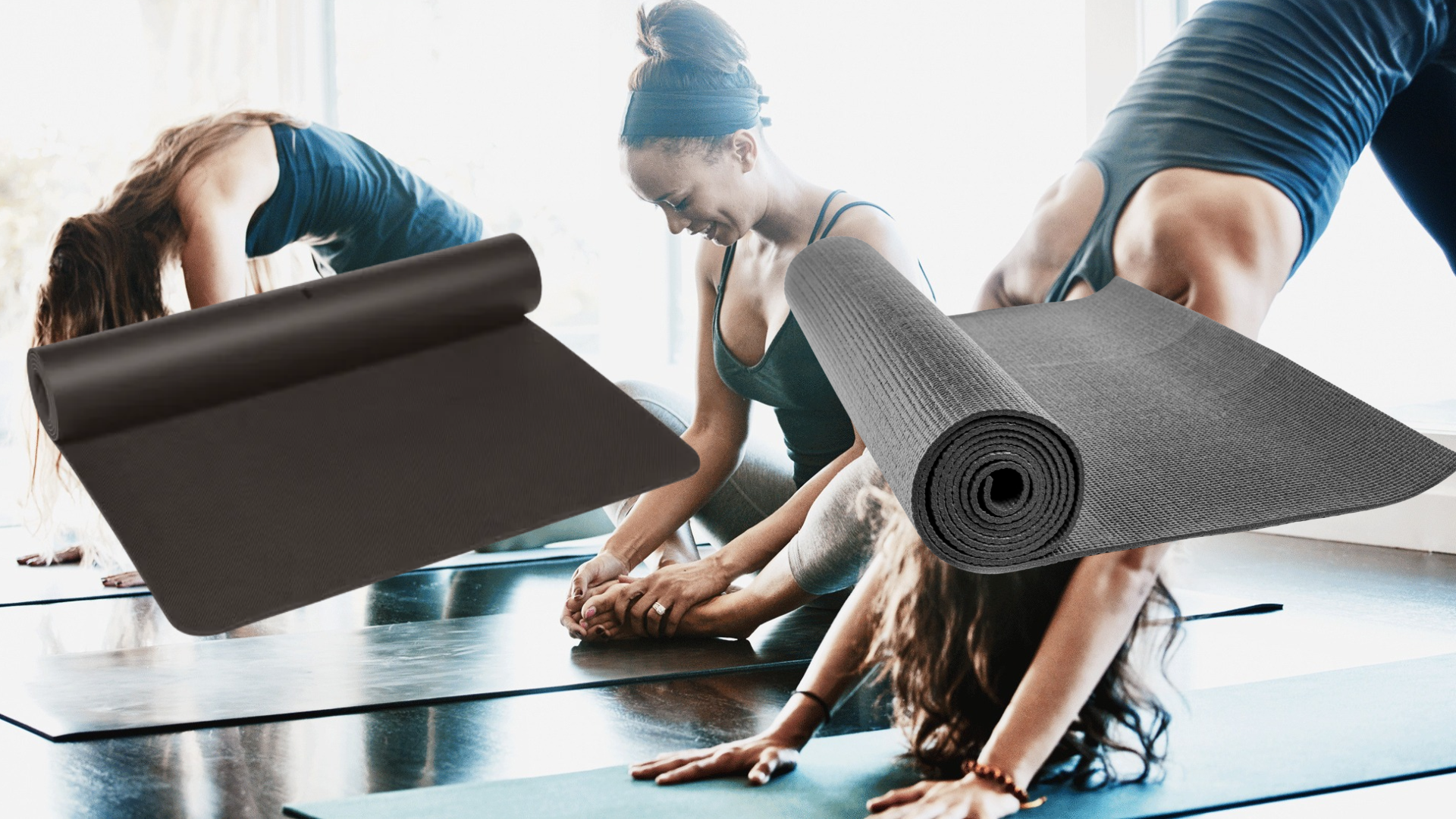
To determine the most reliable inexpensive yoga mats currently available, product testing panels composed of seasoned instructors and everyday practitioners established a comprehensive evaluation framework. The testing process, spanning multiple years of consumer data analysis and hands-on trials, involved examining dozens of models priced strictly under $50.
Testers assessed each product across several strict criteria:
- Traction and Grip: Evaluating how well the surface prevents slippage during dry conditions as well as high-perspiration, heated environments.
- Stability and Transition: Monitoring whether the mat stays anchored to various flooring types—such as hardwood, tile, and carpet—without wrinkling or shifting during dynamic flows.
- Cushioning and Support: Measuring density and thickness to ensure optimal impact absorption for kneeling, sitting, and balancing postures.
- Portability and Weight: Factoring in how easily commuters can transport the equipment to and from physical studio spaces.
- Longevity and Wear: Tracking physical degradation, surface wear patterns, and structural integrity over months of regular use.
Top Contender for Beginners: The Gaiam Premium 5mm Yoga Mat
Priced at an accessible $24, the Gaiam Premium 5mm Yoga Mat has established itself as a staple for individuals entering the practice of yoga or those requiring an affordable, dependable secondary mat for occasional use. Manufactured from latex-free polyvinyl chloride (PVC) and designed without harmful phthalates such as DEHP, DBP, BBP, DINP, DIDP, and DNOP, the mat addresses health and safety concerns frequently associated with entry-level plastics.
Weighing a remarkably light 2.6 pounds, the Gaiam Premium 5mm excels in portability. Urban practitioners who commute via public transit or walk several blocks to a local studio often prioritize lightweight construction, a feature that distinguishes this mat from denser, heavier alternatives. The mat’s dimensions measure 68 inches in length by 24 inches in width, offering a standard footprint for most body types, though slightly narrower than specialized wide-format mats.
Performance Analysis for the Gaiam Premium
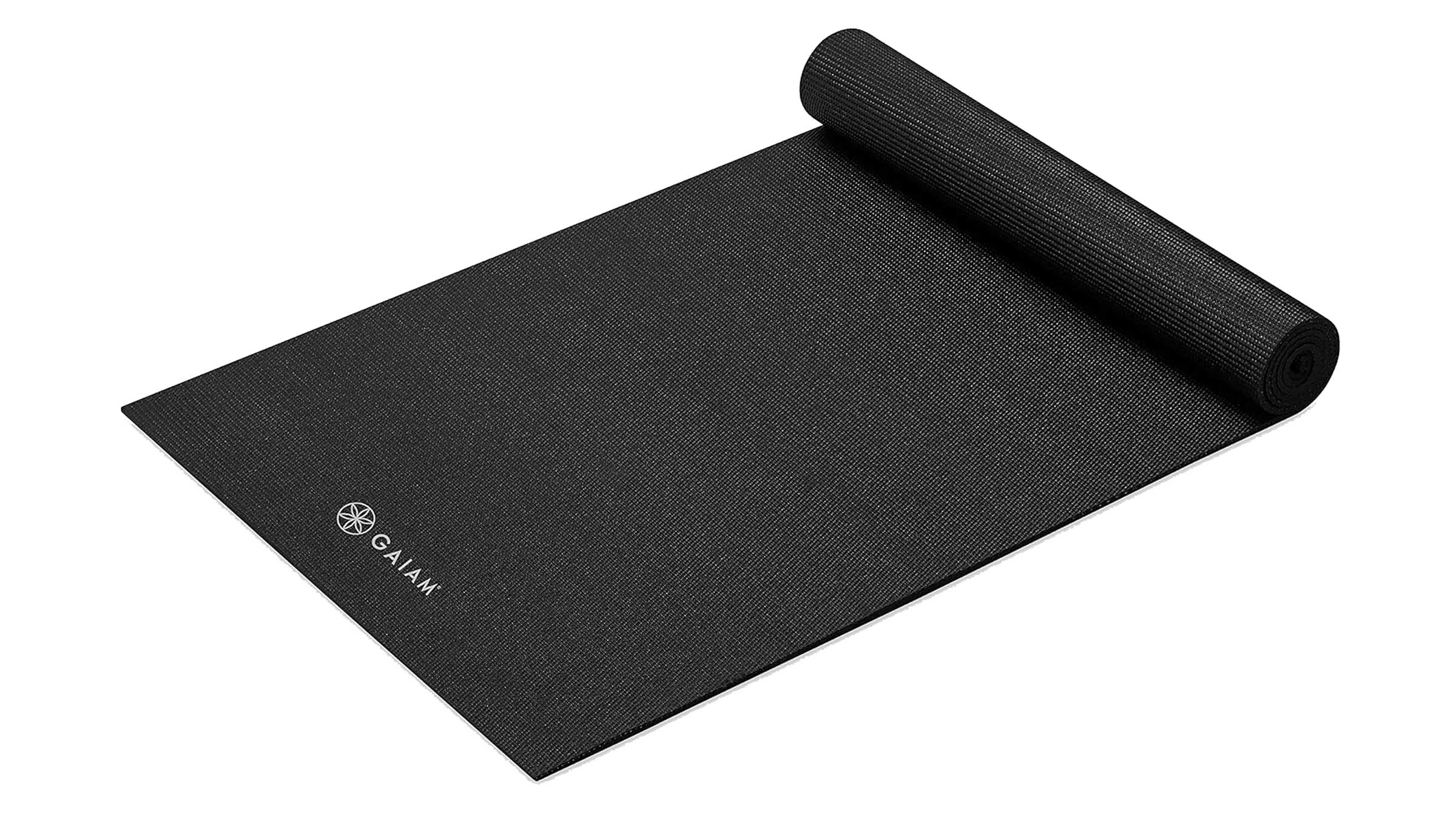
In practical evaluations, testers noted that the textured surface of the Gaiam Premium provides immediate tactile feedback, making it easier for beginners to maintain spatial awareness and stability during foundational standing postures. The 5mm thickness delivers a spongy, cushioning experience that absorbs pressure effectively during kneeling or reclining sequences.
However, testers observed certain performance trade-offs inherent to its price category. While the surface offers adequate traction under normal conditions, the grip diminishes noticeably in high-perspiration environments, such as heated vinyasa classes. Additionally, the lightweight, flexible nature of the PVC material can occasionally lead to minor surface wrinkling during rapid transitions between poses. Regarding longevity, regular practitioners utilizing the mat multiple times per week may notice localized wear patterns in high-contact areas where hands and feet are repeatedly placed. Despite these limitations, the manufacturer backs the product with a lifetime guarantee, offering consumers added assurance.
Best Overall and Hot Yoga Selection: All in Motion Peak Rubber Yoga Mat
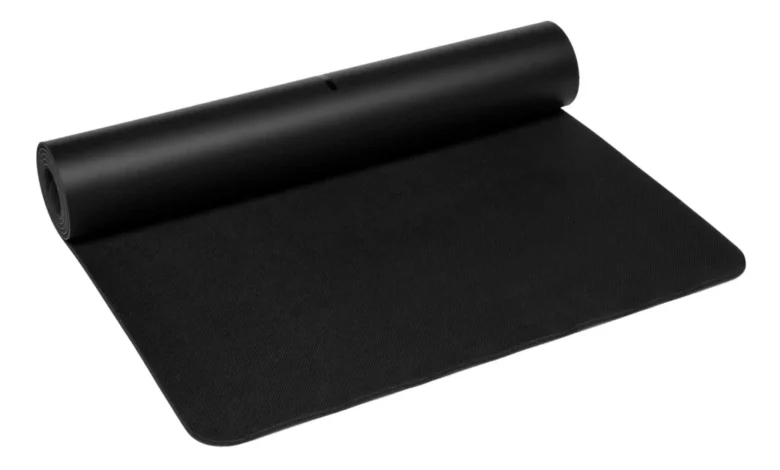
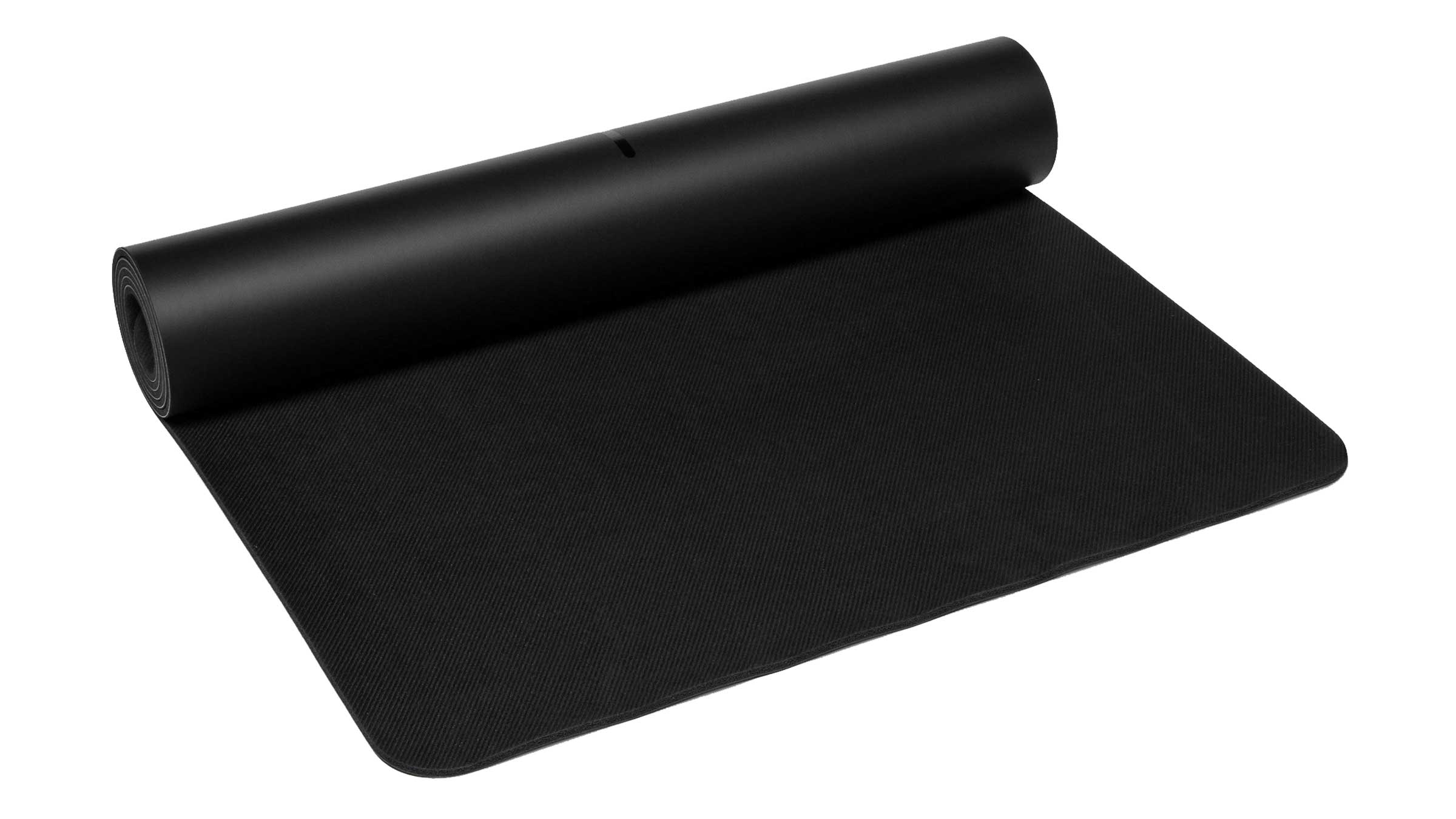
For practitioners seeking elevated performance, particularly in rigorous or heated yoga styles, the All in Motion Peak Rubber Yoga Mat—priced at $35—represents a high-value alternative that rivals equipment costing twice as much. Featuring a dual-material construction that pairs a smooth polyurethane surface with a heavy-duty natural rubber base, this mat is specifically engineered to address the slippage challenges common in dynamic practices.
The rubber base anchors firmly to studio floors, virtually eliminating the risk of the mat sliding or bunching during complex sequences. Meanwhile, the polyurethane top layer manages moisture effectively, maintaining a secure grip even as perspiration increases during intense sessions.
Physical Specifications and Practical Considerations
Measuring 68 inches long and 26 inches wide, the All in Motion Peak provides a slightly broader surface area than standard entry-level mats, accommodating wider stances comfortably. Its dense, supportive cushioning provides firm joint protection without feeling overly spongy or destabilizing, making it suitable for both active vinyasa flows and passive yin practices.
Despite its performance advantages, the mat presents distinct logistical challenges. Due to its robust rubber construction, the All in Motion Peak is significantly heavier than its PVC counterparts, making it less ideal for pedestrians or cyclists who must carry their equipment long distances. Furthermore, testers noted that the sleek polyurethane surface is susceptible to cosmetic scratching from pets or abrasive items, requiring careful storage and maintenance to preserve its visual appearance over time.
Broader Industry Implications and Sustainability Considerations
The proliferation of high-performing budget yoga equipment highlights a broader economic shift within the fitness sector. As inflation and cost-of-living pressures influence consumer spending habits, accessibility to wellness tools has become a key focal point for manufacturers. Providing reliable equipment under the $50 threshold ensures that financial barriers do not exclude individuals from participating in physical and mental health practices.
Nevertheless, consumer advocates and environmental analysts point out a persistent challenge within the budget fitness market: sustainability. Inexpensive mats are frequently constructed from synthetic materials or rubber blends that have finite lifespans, raising questions about long-term environmental impact. While premium eco-friendly mats made from natural, biodegradable materials often retail upwards of $60 to $100, budget options require a different approach to lifecycle management.
Industry experts recommend viewing entry-level mats as transitional equipment. When a practitioner outgrows a starter mat or upgrades to a specialized luxury model, responsible disposal methods can mitigate environmental footprints. Donating lightly used mats to local schools, community centers, youth organizations, or charitable thrift stores extends the utility of the product. Alternatively, worn mats can be repurposed around the home for gardening, pet cushioning, or garage use, or directed to animal shelters that frequently accept padded surfaces for bedding.
Market Outlook and Purchasing Recommendations
Choosing the appropriate yoga mat ultimately depends on individual practice habits, environmental preferences, and financial parameters. For absolute beginners, occasional practitioners, or those testing their commitment to the discipline, the Gaiam Premium 5mm offers an economical, lightweight, and adequately supportive entry point. Conversely, dedicated practitioners requiring superior traction, enhanced stability in heated environments, and long-term durability under rigorous daily use will find the All in Motion Peak Rubber Yoga Mat to be an exceptionally cost-effective investment.
By understanding the distinct material properties, performance capabilities, and physical limitations of these budget-friendly options, consumers can make informed purchasing decisions that support their physical practice without straining their financial resources.