Diverse Healthy Diets Offer Pathways to Slowing Biological Aging, Landmark Genetic Study Reveals

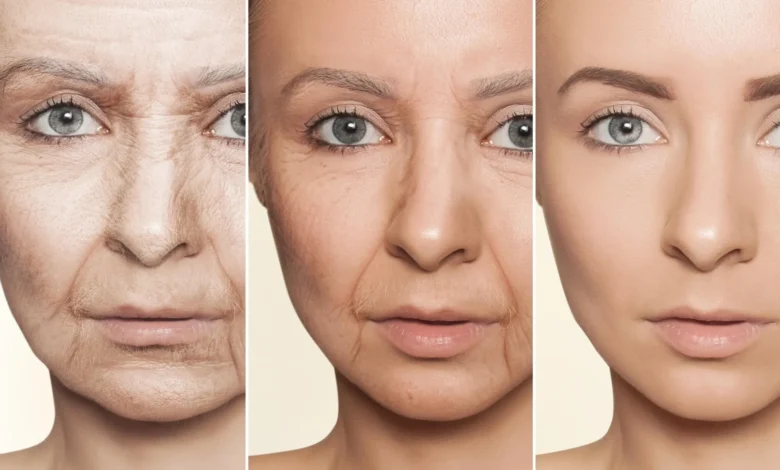
A comprehensive, large-scale scientific investigation encompassing approximately 7,500 participants has provided robust empirical evidence indicating that maintaining a balanced, nutritious diet can actively slow the body’s biological aging process. Significantly, the research reveals that no single dietary paradigm holds a monopoly on longevity; rather, a diverse array of established eating plans successfully yield these cellular benefits. Conducted by researchers at the German Center for Neurodegenerative Diseases (DZNE), the study evaluated ten distinct nutritional frameworks, ranging from the universally acclaimed Mediterranean and Nordic diets to plant-based regimens and the Dietary Approaches to Stop Hypertension (DASH) diet—a specialized protocol originally formulated to assist in blood pressure regulation.
Published in the peer-reviewed journal Nature Communications, the findings establish a direct, measurable correlation between healthy nutritional habits and decelerated biological aging. By examining chemical alterations embedded within human deoxyribonucleic acid (DNA), researchers demonstrated that adherence to virtually any recognized healthy dietary pattern corresponds to molecular markers of a younger cellular profile. The foundational data for this discovery were initially derived from DZNE’s extensive Rhineland Study and subsequently validated through an independent, secondary cohort, lending substantial credibility to the conclusions.
Background Context and Methodological Framework
Understanding the distinction between chronological age—the numerical passage of time since birth—and biological age is central to evaluating the DZNE study. While chronological age is immutable, biological age captures the functional status of human tissues and organ systems at the molecular level. Over decades of life, chemical tags attach to DNA molecules through a process known as methylation. These epigenetic modifications regulate gene expression without altering the underlying genetic code. As individuals age, methylation patterns shift in remarkably predictable trajectories, serving as an internal biological clock.
To read these biological clocks, the research team utilized advanced epigenetic technology capable of evaluating approximately 850,000 distinct sites across the human genome—double the density typically analyzed in previous generational studies. Led by Juliana Tavares, a doctoral researcher at DZNE and primary author of the publication, the team applied three distinct epigenetic aging algorithms to blood samples collected from the study cohorts.
Chronologically, the research unfolded across two distinct population groups. The primary phase of the analysis leveraged data from 6,470 men and women participating in the Rhineland Study, a major prospective population-based cohort centered in Bonn, Germany, designed to investigate determinants of health and disease in aging populations. To ensure the reliability and generalizability of the outcomes, the research team performed a replication analysis using data from an additional 1,034 participants enrolled in the EPIC-Potsdam Study, managed by the German Institute of Human Nutrition Potsdam-Rehbrücke (DIfE).
Evaluating Ten Dietary Patterns
The operational methodology required investigators to quantify how closely participants aligned their daily nutritional consumption with the formal guidelines of ten recognized dietary patterns. Because each dietary framework emphasizes different nutritional components—ranging from high fruit and vegetable intake to specific ratios of healthy fats, whole grains, and lean proteins—an individual could achieve a high adherence score for one specific diet while scoring moderately or poorly on another.
According to Tavares, the data revealed that strict adherence to every single one of the ten examined diets correlated with a reduction in biological aging markers. Although minor statistical variations emerged regarding the strength of the association across different eating plans, the overall trend remained remarkably consistent. This uniformity underscores a vital public health message: perfectionism in dietary habits is unnecessary, and consumers are not required to adhere to a rigid, singular nutritional dogma to secure health benefits.
"When it comes to slowing down the aging process, there isn’t just one healthy diet, but indeed a whole repertoire of possible diets with a positive effect," Tavares noted. This flexibility allows individuals to tailor their nutritional choices to match personal tastes, cultural backgrounds, and financial budgets without sacrificing long-term preventative health outcomes.
Official Statements and Expert Insights
The implications of the research extend deeply into the realms of preventative medicine and public health policy. Professor Monique Breteler, Director of Population Health Sciences at DZNE and head of the Rhineland Study, emphasized the relevance of the findings for mitigating age-related chronic illnesses.
"Our study suggests that healthy eating goes hand in hand with slower biological aging," Professor Breteler stated. "The effects are not massive, but they are measurable and relevant for prevention. By slowing the aging process, the risk of age-related diseases such as dementia or cardiovascular disorders can be reduced. Thus, healthy eating contributes to healthy aging."
Addressing the democratization of healthy eating, Professor Breteler underscored the value of dietary pluralism. "Importantly, there is probably no single ‘correct’ diet. According to our data, various dietary patterns are associated with slower aging, some more, some less. That is an encouraging finding, because it leaves room to tailor healthy eating to personal and cultural preferences, budget and taste."
A Paradoxical Observation Among Smokers
Among the more unexpected revelations of the study was a distinct statistical interaction observed when researchers analyzed the relationship between diet and biological aging within subpopulations of smokers. The statistical correlation between healthy nutritional intake and slowed biological aging proved notably stronger among smokers than among nonsmokers. This effect manifested despite the fact that smokers did not, on average, report healthier baseline dietary habits than their nonsmoking counterparts.
While the underlying physiological mechanisms remain under investigation, researchers have proposed several plausible hypotheses. The most prominent theory suggests that because tobacco smoke inflicts profound, systemic cellular damage and oxidative stress, the biological "margin for improvement" is considerably wider in smokers. Consequently, the counterbalancing systemic benefits provided by a nutrient-dense diet may yield a more pronounced, detectable molecular signature against a backdrop of severe cellular insult.
Investigators were quick to caution that this observation must not be misinterpreted as a mitigating factor for the well-documented hazards of tobacco use. Smoking remains one of the leading preventable causes of mortality and chronic disease globally.
"Smoking is very harmful to health," Tavares emphasized. "One explanation for our findings might be that there is just more health benefit to gain for smokers by eating healthy because of the enormous detrimental effects of smoking."
Unifying Biological Pathways and Specialized Diets
To comprehend why ten distinct dietary models could all produce similar anti-aging trajectories, the DZNE team conducted a deeper pathway analysis to identify the internal mechanisms linking nutrition to DNA methylation. The results revealed a high degree of biological convergence: more than 70% of the affected epigenetic pathways were shared across all ten nutritional frameworks.
These shared pathways govern foundational cellular operations, including structural maintenance, intercellular communication, and metabolic regulation. Because these biological processes are central to both normal aging and the pathogenesis of age-related chronic conditions, any dietary intervention capable of optimizing these pathways can theoretically confer protective effects against biological deterioration.
Simultaneously, the investigation identified targeted, diet-specific pathways that reflected the individual therapeutic goals of particular nutritional protocols. For example, the DASH diet uniquely modulated molecular pathways directly associated with cardiovascular health and blood pressure maintenance. In contrast, the MIND diet—a hybrid of the Mediterranean and DASH diets specifically engineered to preserve neurological function and combat cognitive decline—exhibited unique associations with pathways involved in memory retention and neuroprotection.
"You don’t need a perfect diet—that may be the most practical message here," Tavares concluded. "But moving forward, the diet-specific pathways point to future research on targeted dietary interventions. This could be helpful in designing targeted health recommendations."
Broader Implications and Future Outlook
The publication of this study arrives at a critical juncture in nutritional science and public health. As global populations continue to age and the prevalence of chronic conditions such as cardiovascular disease, metabolic syndrome, and neurodegenerative disorders rises, identifying scalable preventative interventions is paramount. Traditional nutritional studies have frequently suffered from methodological limitations, often relying on self-reported dietary recalls and focusing exclusively on single nutrients or isolated food groups.
By integrating large epidemiological cohorts with high-resolution epigenetic sequencing, this research bridges the gap between macro-level dietary habits and micro-level molecular outcomes. The validation of multiple dietary patterns provides policy makers and healthcare practitioners with greater flexibility in designing dietary guidelines. Rather than enforcing a restrictive, one-size-fits-all nutritional mandate, medical professionals can encourage patients to adopt whichever sustainable, culturally resonant healthy eating pattern best suits their lifestyle.
Future research directions indicated by the DZNE findings will likely focus on longitudinal tracking to determine whether sustained adherence to these diverse diets translates directly into delayed onset of specific clinical diagnoses, such as clinical dementia or major adverse cardiovascular events. Furthermore, the identification of diet-specific pathways opens promising avenues for precision nutrition, where specialized dietary protocols could eventually be prescribed to target individual genetic vulnerabilities and mitigate specific disease risks.
Related posts: