Non-Invasive Ear Nerve Stimulation Shows Early Promise in Treating Severe, Treatment-Resistant High Blood Pressure

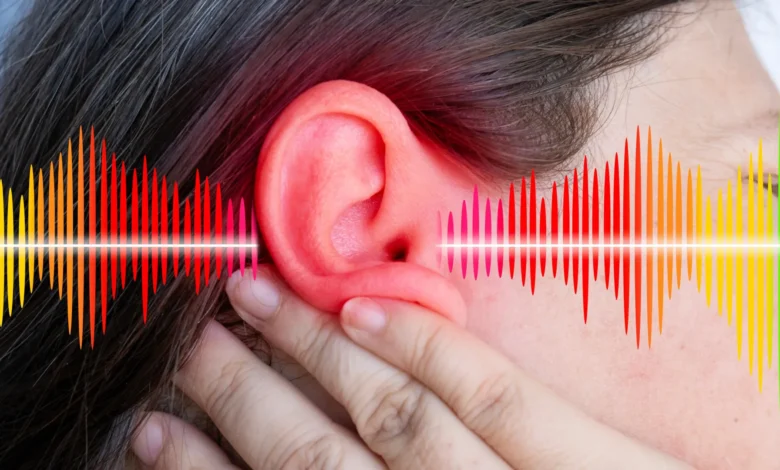
High blood pressure, universally recognized by clinicians as the silent killer, remains one of the most formidable challenges in modern preventative medicine. Despite decades of pharmacological advancements, widespread public health initiatives, and a robust armamentarium of antihypertensive medications, a significant percentage of patients worldwide fail to reach their target blood pressure readings. This persistent clinical hurdle has driven researchers to investigate novel, non-pharmacological interventions that can complement or enhance traditional therapies. Among the most innovative approaches currently under clinical evaluation is transcutaneous autonomic neuromodulation (tAN)—a technique that delivers gentle, targeted electrical pulses to specific nerve networks located within the human ear.
Recent findings from a pioneering clinical trial led by distinguished researchers at Queen Mary University of London have cast a revealing light on this technology. Published in Hypertension, a prestigious peer-reviewed journal of the American Heart Association, the SCRATCH-HTN trial evaluated the safety, tolerability, and practical application of a specialized handheld device designed to stimulate ear nerves at home. While the trial did not demonstrate a statistically significant reduction in blood pressure across the entire unselected study population when compared to a sham device, a highly promising secondary signal emerged. Patients suffering from more severe, treatment-resistant forms of hypertension experienced measurable and clinically encouraging blood pressure reductions when subjected to active electrical stimulation.
This comprehensive report examines the mechanics of transcutaneous autonomic neuromodulation, the chronology and structural design of the SCRATCH-HTN trial, the nuanced implications of its data, and the broader horizon for managing drug-resistant cardiovascular conditions.
Understanding the Mechanics of Transcutaneous Autonomic Neuromodulation
To comprehend how a device clipped onto the outer ear might influence systemic arterial pressure, one must examine the intricate wiring of the human autonomic nervous system. This complex biological network acts as the body’s internal control center, involuntarily regulating crucial physiological processes such as heart rate, vascular tone, digestion, and respiratory rate without conscious effort. Within the autonomic system, the sympathetic nervous system is largely responsible for the body’s fight-or-flight response, which includes constricting blood vessels and accelerating heart rate—both of which drive up blood pressure.
In many individuals with chronic hypertension, the sympathetic nervous system becomes chronically hyperactive, maintaining an elevated state of vascular resistance that resists standard pharmaceutical intervention. For decades, medical researchers have sought ways to safely modulate this hyperactive neural signaling. Traditional attempts often involved highly invasive surgical procedures, such as renal denervation, which uses radiofrequency energy or ultrasound ablation to destroy sympathetic nerves surrounding the kidneys. While effective for some, such surgical approaches carry inherent procedural risks, high costs, and limited accessibility.
Transcutaneous autonomic neuromodulation offers a starkly different paradigm. The outer ear, particularly the tragus—the small, prominent flap of cartilage positioned immediately in front of the ear canal—is richly innervated by the auricular branch of the vagus nerve, as well as other cutaneous sensory nerves connected to central autonomic pathways. By applying mild, painless electrical currents to these superficial nerve endings through non-invasive surface clips, the tAN technique aims to safely recalibrate central autonomic outflow.
This mechanism theoretically dampens excessive sympathetic activity, reduces systemic vascular resistance, and promotes a more balanced autonomic state. Because the stimulation is delivered externally through the skin without piercing tissue or requiring surgical intervention, it presents an exceptionally high safety profile and eliminates the surgical risks associated with traditional neuromodulation devices.
The SCRATCH-HTN Trial: Chronology, Design, and Methodology
The SCRATCH-HTN trial represents a critical milestone as the first and most thorough randomized controlled trial of its kind to evaluate this specific ear-stimulation technology in a rigorously monitored clinical setting. Funded by the United Kingdom’s National Institute for Health and Care Research (NIHR), the trial was structured to provide definitive baseline data regarding the device’s safety, user compliance, and physiological efficacy.
The study enrolled a carefully screened cohort of 63 participants diagnosed with uncontrolled hypertension. A defining characteristic of the participant pool was that every individual was already prescribed and actively taking at least one conventional blood pressure-lowering medication, yet their blood pressure readings consistently remained above recommended clinical thresholds. This baseline characteristic is vital, as it positioned the trial to test the device not as a standalone replacement for medication, but as an adjunctive therapy for patients whose hypertension stubbornly defied standard care.
The chronological framework of the trial was meticulously designed to mirror real-world therapeutic use while maintaining scientific rigor through blinding:
- Screening and Baseline Establishment: Investigators evaluated candidates to ensure they met strict inclusion criteria, verifying consistent uncontrolled hypertension despite ongoing pharmacological therapy. Baseline ambulatory and clinical blood pressure metrics were recorded.
- Randomization: Participants were randomly allocated into one of two parallel groups using a double-blind methodology. One group received the active tAN device, while the other received an identical sham (placebo) device that looked and felt operational but delivered no therapeutic electrical current.
- Intensive Treatment Phase (Weeks 1 to 2): Participants in both groups were instructed to use their assigned handheld device for 30 minutes daily at home. This phase was designed to test early tolerability, initial physiological response, and the practicality of patient-administered neuromodulation.
- Maintenance Phase (Weeks 3 to 12): To evaluate longer-term feasibility and adherence, the required treatment frequency was reduced to once per week for the subsequent ten weeks.
- Final Evaluation and Analysis: At the conclusion of the 12-week trial period, researchers compiled comprehensive clinical data, assessing changes in blood pressure, device safety profiles, participant compliance rates, and subgroup responses.
The device itself was developed by Afferent Medical Solutions and engineered for absolute simplicity. It features two small, lightweight clips attached to a compact handheld controller. Patients can easily position the clips on the tragus of the ear themselves, allowing for completely independent administration of the therapy without requiring recurrent visits to a specialized outpatient clinic.
Clinical Findings: The Overall Cohort Versus Severe Subgroups
When the data from the SCRATCH-HTN trial was initially analyzed across the entire study population, the primary endpoint did not yield a statistically significant difference in blood pressure reduction between the group receiving active electrical stimulation and the group using the sham device. For the broad, unselected cohort of 63 patients, the device failed to demonstrate a universal therapeutic advantage over the placebo mechanism.
However, scientific inquiry often uncovers its most valuable insights beneath the surface of broad primary outcomes. Recognizing the clinical heterogeneity of hypertension, the researchers had incorporated a prespecified subgroup analysis into their statistical plan prior to breaking the study blind. This analytical foresight proved pivotal.
When investigators isolated the data from participants who entered the trial with more severe, highly elevated baseline hypertension, a distinctly different narrative emerged. Within this specific subgroup, patients who received active nerve stimulation exhibited a clear, measurable reduction in blood pressure compared to their counterparts in the sham group. This divergence suggests that the physiological mechanisms underlying severe, treatment-resistant hypertension may be uniquely responsive to auricular neuromodulation. While milder forms of hypertension may be adequately controlled by simple lifestyle adjustments or standard medications—or driven by physiological pathways less influenced by vagal nerve signaling—severe hypertension often involves profound autonomic dysfunction that may be directly mitigated by targeted neural modulation.
Despite these encouraging observations, principal investigators have maintained a stance of rigorous scientific caution. Because the overall trial enrolled 63 participants, the severe hypertension subgroup necessarily comprised an even smaller number of patients. Consequently, while the findings are statistically suggestive and biologically plausible, they must be interpreted as hypothesis-generating rather than definitive proof of efficacy.
Expert Perspectives and Official Statements
The release of the SCRATCH-HTN findings has sparked considerable discussion within the cardiovascular research community, prompting optimistic yet measured responses from the study’s leaders and related medical professionals.
Dr. Ajay Gupta, Chief Investigator of the trial, Clinical Reader at Queen Mary University of London, and Consultant Physician at Barts Health NHS Trust, underscored the dual nature of the results:
"This is an exciting, highly patient-acceptable technology that could ultimately provide a cheap, scalable solution for millions," Dr. Gupta stated. "Although the trial did not achieve significance across the broad unselected group, those with more severe hypertension exhibited a clear blood pressure reduction in the active group compared to sham. As the first and most thorough study of its kind, this points towards important new research directions that could help us understand whether non-invasive neuromodulation can benefit particular groups of patients with uncontrolled hypertension."
Independent cardiologists and clinical epidemiologists not directly involved in the SCRATCH-HTN trial have similarly weighed in on the implications of the study. Many have praised the investigators for employing a rigorous sham-controlled design—a gold standard in medical device research that effectively controls for the placebo effect and the psychological reassurance of using a medical gadget. Experts note that patient compliance throughout the 12-week study period was remarkably high, indicating that individuals are willing and able to integrate non-invasive electrotherapy into their daily and weekly routines without undue burden.
Public health economists and healthcare administrators have also expressed interest in the scalability of the technology. Unlike complex surgical interventions, a reusable handheld device manufactured for home use represents a potentially cost-effective adjunct therapy that could drastically reduce the long-term economic burden associated with stroke, myocardial infarction, and chronic kidney disease resulting from unmanaged hypertension.
Broader Health Implications and Economic Burden of Hypertension
To fully appreciate the potential value of any new hypertension intervention, one must contextualize the sheer global scale of the disease. High blood pressure is universally recognized as the leading preventable contributor to cardiovascular morbidity and mortality worldwide. Chronic elevation of arterial pressure forces the heart muscle to work exponentially harder to circulate blood, leading progressively to ventricular hypertrophy, coronary artery disease, heart failure, and structural damage to the delicate blood vessels supplying the brain and kidneys.
Epidemiological data compiled by organizations such as the World Health Organization and the American Heart Association consistently demonstrate that millions of adults globally live with hypertension, and a substantial percentage of diagnosed patients fail to achieve optimal blood pressure control despite being prescribed multiple pharmaceutical agents. This clinical phenomenon, known as resistant hypertension, is defined as blood pressure that remains above target goals despite the concurrent use of three or antithetic antihypertensive medications of different classes, including a diuretic.
Patients falling into this category face dramatically elevated risks of premature cardiovascular events, stroke, and end-stage renal disease. Furthermore, the management of resistant hypertension often incurs heavy economic costs, driving frequent emergency department visits, specialized cardiology consultations, and costly hospitalizations for acute cardiovascular crises.
The pursuit of non-pharmacological therapies like transcutaneous autonomic neuromodulation is therefore driven by an urgent clinical necessity. If subsequent, larger-scale clinical trials can definitively validate the efficacy of ear nerve stimulation in patients with severe and drug-resistant hypertension, the medical community will gain a powerful new non-invasive tool. Such a therapy could bridge the treatment gap for individuals who experience adverse side effects from multi-drug regimens, or for those whose physiological profiles render standard medications insufficient.
Future Research Directions and Path to Clinical Adoption
The publication of the SCRATCH-HTN trial in Hypertension marks an important chapter in cardiovascular research, but it also establishes a clear roadmap for the work that must follow.
Researchers emphasize that the immediate priority is the design and execution of larger, adequately powered randomized controlled trials. These future studies will need to focus specifically on cohorts with severe, hard-to-control hypertension to replicate and confirm the subgroup findings observed by the Queen Mary University team. Additionally, future trials must seek to establish standardized stimulation protocols—determining the optimal electrical frequency, pulse duration, and daily or weekly dosing schedules required to maximize blood pressure reduction while maintaining absolute patient comfort.
Another crucial area of investigation will involve identifying specific predictive biomarkers or clinical phenotypes that can accurately determine which individual patients are most likely to respond to tAN therapy. Because hypertension is a multifactorial condition driven by diverse underlying pathologies—ranging from arterial stiffness and fluid overload to high sympathetic tone—personalized medicine approaches will be essential to match the right patient with the right neuromodulatory device.
Regulatory approval and subsequent commercial availability for devices like the one developed by Afferent Medical Solutions will depend entirely on the rigorous generation of confirmatory clinical data demonstrating sustained, long-term safety and efficacy. Regulatory agencies, including the United States Food and Drug Administration (FDA) and European health authorities, will require robust phase III clinical trial data before considering such technologies for widespread clinical clearance.
For patients and clinicians alike, the current findings offer a measured dose of hope rooted in scientific methodology. While ear nerve stimulation is not yet ready to replace traditional medications or serve as an immediate cure-all for everyday hypertension, it opens a compelling new frontier in medical engineering. By harnessing the body’s own nervous system through gentle, non-invasive external signals, science is moving closer to providing a practical, patient-friendly solution for those whose blood pressure remains stubbornly beyond the reach of conventional medicine.