The Silent Struggle of Thyroid Dysfunction: Beyond the Standard Reference Range


The experience of persistent, unexplained exhaustion, cognitive fog, and metabolic resistance is a pervasive reality for thousands of Australians who receive "normal" results from standard thyroid screenings. While Thyroid Stimulating Hormone (TSH) levels may fall within the conventional reference range, many patients continue to suffer from debilitating symptoms, including thinning hair, weight gain, anxiety, and sleep disturbances. Clinical observations over the past three decades suggest that a narrow diagnostic focus on TSH alone may fail to capture the complexity of thyroid-related health challenges, leaving a significant portion of the population without a definitive diagnosis or effective treatment plan.
Understanding the Thyroid Gland and Systemic Regulation
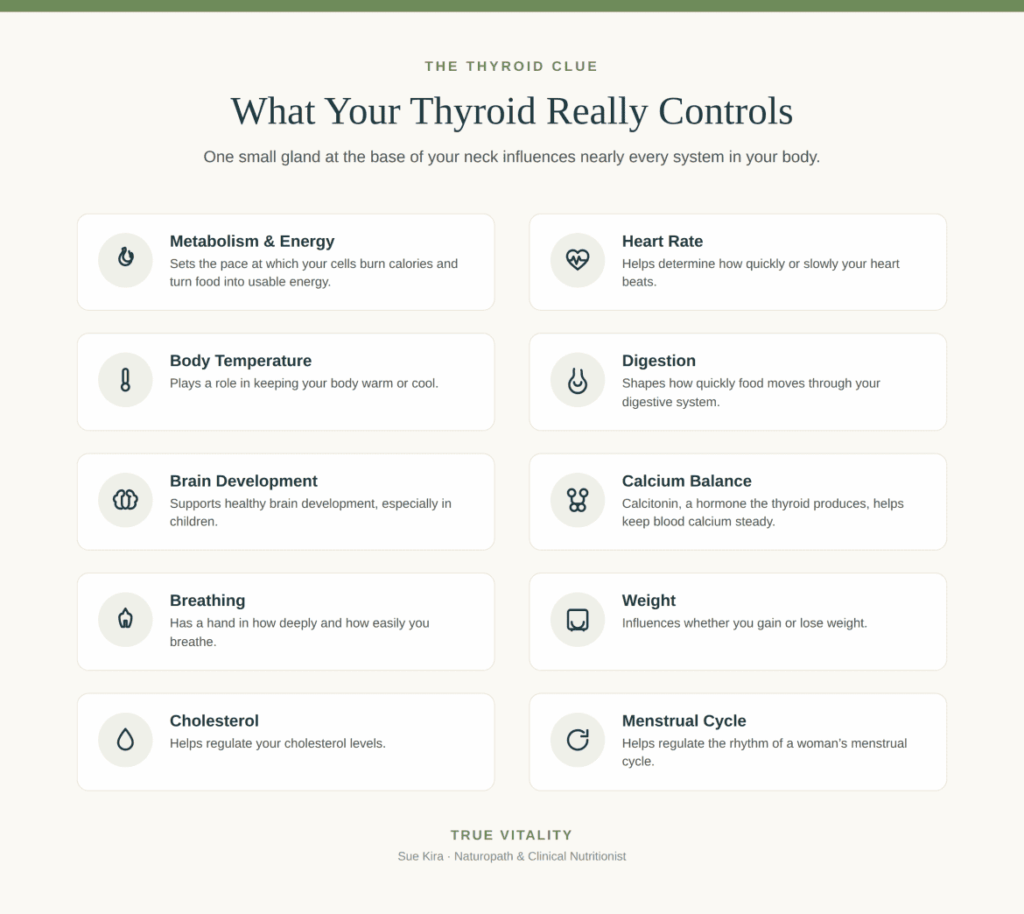
The thyroid, a small, butterfly-shaped endocrine gland located at the base of the neck, serves as the body’s master metabolic regulator. Its primary function is the production of triiodothyronine (T3) and thyroxine (T4), hormones that dictate the pace at which the body converts nutrients into energy. Beyond simple metabolism, the thyroid influences virtually every physiological system. It modulates heart rate, regulates core body temperature, oversees digestive motility, and supports cognitive development and emotional regulation.
Because the thyroid’s reach is systemic, dysfunction—whether characterized by an underactive (hypothyroid) or overactive (hyperthyroid) state—manifests in diverse ways. A deficiency in thyroid hormone production can result in a slowing of metabolic processes, leading to increased cholesterol levels, impaired thermoregulation, and cardiovascular strain. Conversely, an overactive thyroid can accelerate bone turnover, significantly increasing the long-term risk of osteoporosis. Given its role as a metabolic pacemaker, even minor deviations in hormone output can ripple outward, affecting everything from reproductive health and menstrual regularity to mood stability and neurological function.
The Limitations of Conventional Screening
In current medical practice, the TSH test is the gold standard for initial thyroid screening. However, many clinicians argue that TSH is merely a screening tool rather than a comprehensive diagnostic assessment. TSH is produced by the pituitary gland to signal the thyroid to produce hormones; it is not a direct measurement of the circulating active thyroid hormones (Free T4 and Free T3) available for cellular use.

When a patient’s TSH levels are within the laboratory reference range, they are often told that their thyroid is functioning normally. This conclusion can be misleading, as it fails to account for peripheral conversion issues—where the body may struggle to transform inactive T4 into active T3—or the presence of autoimmune antibodies, such as those seen in Hashimoto’s disease. Hashimoto’s is the most common cause of hypothyroidism in Australia, characterized by an immune-mediated attack on the thyroid gland. Because the damage to the gland is often gradual, a patient may remain symptomatic for years while their hormone levels remain "normal" on paper, delaying critical intervention.
Cardiovascular Implications and Clinical Case Studies
The link between thyroid health and cardiovascular wellness is well-documented but often overlooked in primary care settings. Research indicates that hypothyroidism is associated with elevated serum cholesterol levels, particularly low-density lipoprotein (LDL). Clinical data suggests that thyroid hormone replacement therapy can, in some cases, significantly lower total cholesterol and LDL levels, demonstrating the thyroid’s direct influence on lipid metabolism.
A notable case study involves a patient who experienced a myocardial infarction despite showing no structural abnormalities in heart or blood vessel imaging. Although his physician dismissed the possibility of a thyroid issue due to his lack of classic symptoms—such as cold sensitivity or weight gain—further investigation revealed a significantly underactive thyroid, elevated homocysteine levels, and an undiagnosed gluten intolerance. By addressing nutritional deficiencies and systemic inflammation, the patient achieved a return to normal metabolic and cardiac markers, remaining symptom-free for over six years. This case highlights the importance of looking beyond the TSH level and considering comorbid factors that may exacerbate thyroid-like symptoms.
The Role of Micronutrients and Emerging Diagnostic Patterns
A comprehensive thyroid work-up requires more than just a TSH reading. Practitioners who specialize in metabolic health often look for a broader panel of markers, including Free T4, Free T3, reverse T3, and thyroid antibodies. Furthermore, the body’s ability to utilize these hormones depends on a complex network of nutrients, including iron, ferritin, vitamin B12, vitamin D, zinc, and selenium. Deficiencies in these areas can mimic or worsen thyroid dysfunction.
One area of emerging interest in clinical practice is pyrrole disorder (pyroluria), a condition characterized by the elevated excretion of hydroxyhemopyrroline-2-one (HPL). While this condition is not currently recognized within standard conventional diagnostic frameworks, some clinicians observe it frequently in patients with complex, treatment-resistant thyroid conditions. Pyrrole disorder is often managed through the supplementation of zinc, vitamin B6, and magnesium—nutrients that are themselves vital for thyroid function. Zinc, for instance, is a critical cofactor for the conversion of inactive T4 to active T3, and vitamin B6 supports the production of thyrotropin-releasing hormone (TRH). Chronic stress can deplete these specific nutrients, creating a feedback loop that degrades thyroid function and complicates recovery.
The "Test, Clear, Nourish, Thrive" Framework
To address the high incidence of misdiagnosis or incomplete diagnosis, some clinical models have adopted a structured approach to patient care. This framework begins with comprehensive testing, moves to "clearing" underlying drivers of dysfunction—such as gut inflammation, heavy metal toxicity, or chronic viral triggers—and then focuses on nourishing the body to restore homeostatic balance.
The objective of this approach is not merely to force a TSH value into a predetermined "normal" box, but to address the physiological drivers of the patient’s symptoms. For many, this includes investigating lifestyle factors, chronic stressors, and environmental triggers that contribute to the "ripple effect" of thyroid instability. As clinical data continues to evolve, the consensus among integrated practitioners is that patient symptoms should be treated with as much weight as laboratory data.
Broader Implications for Public Health
The prevalence of thyroid disorders in Australia, affecting approximately one in thirty-three individuals, underscores the need for a more nuanced approach to endocrine health. When patients are told their test results are "fine" despite experiencing life-altering symptoms, the psychological impact can be significant, often leading to feelings of frustration, anxiety, and self-doubt.
The medical community faces a challenge in balancing standard protocols with the need for personalized, comprehensive care. Future advancements in diagnostic testing and a greater emphasis on the interconnectedness of endocrine, immune, and nutritional health could lead to better outcomes for those currently falling through the cracks of the healthcare system. Until then, the onus remains on both patients and practitioners to advocate for deeper investigations when standard results do not align with a patient’s lived experience of health.
Conclusion
The complexity of the thyroid gland dictates that its health cannot be reduced to a single, static measurement. Whether the underlying issue is an autoimmune response, a nutrient deficiency, or an environmental factor, the solution requires a holistic view of the patient’s health. By expanding the diagnostic lens and considering the systemic role of the thyroid, the medical community can better support those whose health challenges have remained unresolved by traditional screening methods. Achieving genuine vitality, rather than mere compliance with a laboratory reference range, remains the ultimate goal of effective, patient-centered care.