Recognizing the Warning Signs: How Chronic Undereating Impacts Human Health and Metabolism


In modern society, the fast-paced nature of daily life—compounded by professional stress, irregular schedules, and the pervasive cultural pressure to achieve specific aesthetic ideals—frequently leads individuals to inadvertently restrict their food intake. Whether driven by unintentional neglect during busy workdays or intentional caloric restriction aimed at rapid weight loss, chronic undereating poses a significant threat to physiological stability. Nutritionists, endocrinologists, and medical researchers emphasize that food is not merely a source of caloric fuel, but a complex biochemical information system. When this system is deprived of essential macronutrients—proteins, complex carbohydrates, and healthy fats—and vital micronutrients, the human body initiates a series of adaptive distress signals. Understanding these physiological warning signs is crucial for preventing long-term metabolic disruption and hormonal imbalances.
The Physiological Mechanics of Caloric Deprivation
The human body is an intricate homeostatic machine designed to survive periods of famine by prioritizing vital functions. When caloric intake persistently falls below basal metabolic requirements, the body redirects its finite energy reserves away from non-essential maintenance processes toward critical organs such as the brain, heart, and lungs. This evolutionary survival mechanism, while effective in the short term, carries severe consequences when prolonged.
Historically, nutritional science primarily viewed undernutrition through the lens of extreme clinical conditions, such as anorexia nervosa or famine. However, contemporary clinical observations highlight a growing prevalence of subclinical undereating among the general population. Busy professionals, high-performing athletes, and individuals pursuing aggressive weight-loss regimens often experience the early stages of metabolic suppression without recognizing the underlying cause.
According to clinical dietitians, the cumulative impact on metabolism and endocrine function can take months or even years to fully manifest, making early recognition of symptoms vital. The breakdown of physiological systems follows a predictable chronology, beginning with acute drops in available energy and progressing toward systemic hormonal suppression.
Chronology of Nutritional Deficiency Symptoms
When an individual begins chronically restricting food intake, the body’s response unfolds in distinct phases, categorized by the severity and depth of the systemic impact:
Immediate Phase: Acute Energy Deficits and Glycemic Instability
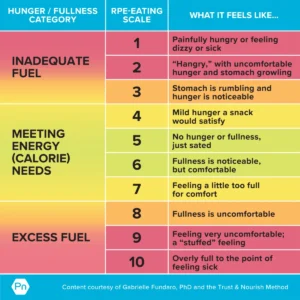
Within days or weeks of insufficient caloric and carbohydrate intake, individuals typically experience immediate functional declines. The central nervous system, which relies almost exclusively on glucose for optimal performance, registers the drop in circulating blood sugar. This manifests as persistent fatigue, acute dizziness, and cognitive impairment commonly referred to as "brain fog." Furthermore, sharp fluctuations in blood glucose trigger immediate behavioral responses, including irritability, often colloquially termed "hanger."
Intermediate Phase: Resource Redistribution and Thermoregulatory Shifts
As undereating persists over several weeks to months, the body initiates resource redistribution. Tissues considered non-essential for immediate survival—specifically hair follicles, nail beds, and the dermal layer—are systematically deprived of essential proteins, biotin, iron, and trace minerals. Concurrently, the body attempts to conserve energy by suppressing thermogenesis, leading to chronic feelings of cold and, in severe cases, the development of lanugo—fine, downy hair designed to trap body heat. Electrolyte imbalances also emerge during this phase, often manifesting as persistent, unquenchable thirst despite adequate water consumption.
Long-Term Phase: Endocrine Suppression and Structural Decline
Extended periods of severe caloric restriction result in profound endocrine disruption. The hypothalamic-pituitary-adrenal (HPA) axis and the hypothalamic-pituitary-gonadal (HPG) axis downregulate reproductive and metabolic hormone production to conserve energy. For women, this frequently culminates in functional hypothalamic amenorrhea—the cessation of menstruation. In athletes, this aligns with the clinical framework of the Female Athlete Triad, characterized by energy deficiency, menstrual disturbances, and progressive bone mineral density loss (osteopenia or osteoporosis).
Detailed Clinical Analysis of the Eight Key Symptoms
Medical literature identifies eight primary physical indicators that signal an urgent need for increased nutritional intake and dietary diversification.
1. Persistent Low Energy and Chronic Fatigue
When caloric intake fails to meet energy expenditure, cellular respiration cannot generate sufficient adenosine triphosphate (ATP), leaving individuals in a state of perpetual exhaustion regardless of sleep duration. This is particularly pronounced in low-carbohydrate diets where starchy carbohydrates—the body’s most efficient source of rapid energy—are heavily restricted. Restoring energy requires evaluating both the volume and variety of meals, ensuring the inclusion of complex carbohydrates and balanced macronutrient profiles.

2. Dizziness and Lightheadedness
A sudden drop in circulating blood glucose frequently induces dizziness or fainting spells. When dietary intake is insufficient to maintain steady glycemic levels, brain perfusion is temporarily compromised. Clinical recommendations suggest consuming quick-acting yet sustained snack combinations, such as complex carbohydrates paired with healthy fats or proteins (e.g., fruit with nut butter), to rapidly stabilize blood sugar. Persistent dizziness, however, warrants professional medical evaluation to rule out underlying cardiovascular or neurological pathologies.
3. Cognitive Impairment and Brain Fog
Productivity declines and frequent memory lapses are often linked to nutritional deficits. The brain consumes approximately 20 percent of the body’s resting energy. When meals are skipped due to work obligations or busy schedules, cognitive function deteriorates. Incorporating whole foods rich in B-vitamins, omega-3 fatty acids, folate, and antioxidants—such as leafy greens, fatty fish, and complex plant-based proteins—supports neurocognitive health and clears mental fatigue.
4. Hair Loss and Brittle Nails
Dermatological and structural decline occurs when the body diverts amino acids, vitamins, and minerals away from appendages to protect central organs. Hair shedding exceeding the normal physiological rate of 50 to 100 strands daily, combined with fragile nails, indicates a lack of building blocks like keratin, biotin, iron, and vitamin B12. Restoring hair and nail integrity requires targeted dietary inclusion of nutrient-dense proteins and healthy fats.
5. Irritability and Mood Disturbances
The psychological impact of low blood glucose is well-documented in behavioral research. Clinical studies indicate that hypoglycemia impairs executive functioning and emotional regulation, frequently resulting in heightened aggression and irritability. Maintaining consistent meal timing prevents glycemic crashes, stabilizing neurotransmitter production and preserving emotional equilibrium.
6. Chronic Cold Sensitivity
Thermoregulatory dysfunction is a direct consequence of metabolic down-regulation. To generate internal heat (thermogenesis), the body requires a steady influx of chemical energy. Restrictive dieting lowers core body temperatures. In extreme cases of low body fat percentage, the physiological imperative to retain heat triggers the growth of lanugo hair, a clinical sign frequently observed in severe eating disorders and chronic malnutrition.
7. Unquenchable Thirst and Electrolyte Imbalance
Hydration is intrinsically linked to nutritional intake. Dietary electrolytes—specifically sodium, potassium, and magnesium—regulate fluid balance within cellular compartments. When caloric restriction reduces electrolyte consumption, systemic hydration fails, leading to persistent thirst that cannot be resolved through water consumption alone. Integrating electrolyte-rich whole foods and maintaining adequate caloric intake is essential for cellular hydration.
8. Amenorrhea and Hormonal Disruption
Amenorrhea represents a critical physiological red flag. When energy availability drops significantly—often resulting in a body weight 10 percent or more below normative ranges—the hypothalamus halts the pulsatile release of gonadotropin-releasing hormone (GnRH). This halts ovulation and lowers estrogen production, protecting the individual from pregnancy during a period of perceived famine. This mechanism is central to the Female Athlete Triad, highlighting the dangerous intersection of severe caloric restriction, menstrual dysfunction, and compromised skeletal integrity.
Broader Health Implications and Public Health Analysis
The public health implications of chronic undereating extend far beyond individual discomfort. In a culture saturated with wellness messaging that frequently promotes restrictive eating patterns under the guise of health, distinguishing between intentional self-care and detrimental deprivation is increasingly difficult.
Epidemiological data suggests that prolonged subclinical undereating contributes to long-term metabolic slowdown, making sustained weight management more difficult over time due to adaptive thermogenesis. Furthermore, the systematic depletion of bone density during early adulthood through restrictive dieting creates irreversible structural vulnerabilities later in life, increasing the incidence of stress fractures and osteoporosis.
Healthcare professionals increasingly advocate for a paradigm shift away from rigid caloric restriction toward mindful nutrition, metabolic flexibility, and intuitive eating practices. Programs such as the Mindful Nutrition Method have emerged within the wellness sector to address these systemic issues, offering structured frameworks designed to help individuals repair their relationship with food, honor physiological hunger cues, and achieve sustainable nourishment without psychological distress.
Ultimately, medical consensus emphasizes that true health requires adequate physiological fueling. By listening to the body’s early warning signs—ranging from transient dizziness and fatigue to severe hormonal disruption—individuals can intervene early, restoring metabolic equilibrium and long-term vitality.