Breaking the Cycle of Trauma: Clinical Trial Shows THC Treatment Significantly Reduces PTSD Nightmares

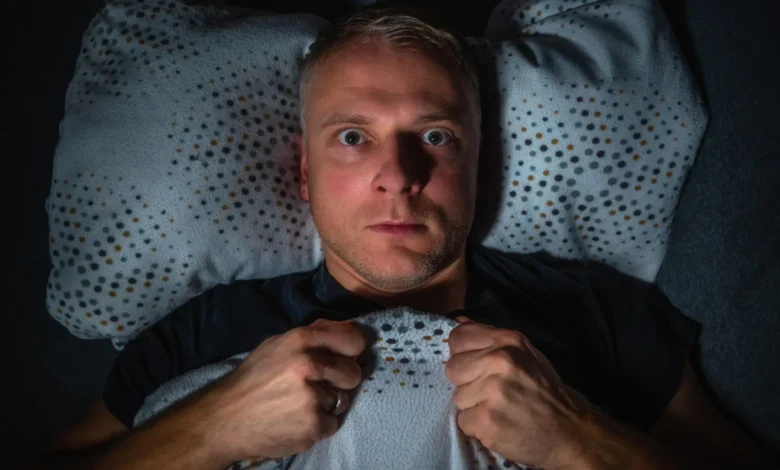
Post-traumatic stress disorder remains one of the most complex and treatment-resistant psychiatric conditions facing modern medicine. Among its most debilitating symptoms are recurrent, vivid nightmares that force individuals to mentally relive severe trauma night after night. These nocturnal episodes frequently trigger profound sleep deprivation, hypervigilance, and a pervasive dread of bedtime. While standard psychiatric medications and psychotherapy offer relief for some aspects of the disorder, trauma-related nightmares have historically proven stubbornly resistant to conventional pharmacology.
In a significant breakthrough published in the medical journal Nature Medicine, a team of researchers from Charité – Universitätsmedizin Berlin has demonstrated that a prescription medication containing tetrahydrocannabinol (THC)—the primary psychoactive compound in cannabis—can safely and effectively alleviate these severe sleep disturbances. The findings offer a new therapeutic horizon for patients who have exhausted traditional pharmaceutical options, signaling a potential shift in how medical cannabis derivatives are integrated into mainstream psychiatric care.
Understanding the Mechanics of Trauma-Induced Nightmares
The psychological and neurological aftershocks of a life-threatening or terrifying event can persist for decades after physical danger has passed. For individuals suffering from post-traumatic stress disorder, the brain’s neural circuitry struggles to properly process and file away overwhelming memories. Consequently, these memories remain improperly integrated, returning involuntarily and without conscious control during waking hours as flashbacks, and during sleep as harrowing nightmares.
During normal REM sleep—the intensive dream phase characterized by rapid eye movement—the human brain naturally processes daily experiences, consolidates memories, and regulates emotional responses. In PTSD patients, this regulatory mechanism malfunctions. Instead of neutralizing emotional distress, REM sleep becomes a nightly theater for reliving trauma, driving patients awake in states of severe panic and physiological distress.
Current pharmaceutical interventions for PTSD primarily include selective serotonin reuptake inhibitors (SSRIs), other modern antidepressants, and blood pressure-lowering medications designed to dampen the body’s sympathetic nervous system fight-or-flight response. While these drugs can help manage generalized anxiety or depressive symptoms, their efficacy against trauma-related nightmares is notably limited. Furthermore, regulatory bodies in many jurisdictions, including Germany, have historically lacked medications approved specifically to target and treat trauma-associated sleep disturbances.
The Science of Cannabinoids and the Endocannabinoid System
To address this therapeutic gap, Prof. Stefan Röpke, a leading researcher in trauma-related disorders at the Department of Psychiatry and Neurosciences on the Benjamin Franklin Campus of Charité, spearheaded an investigation into the therapeutic potential of THC. The compound interacts directly with the human endocannabinoid system, an intricate network of receptors distributed throughout the brain and peripheral nervous system that plays a fundamental role in regulating sleep cycles, stress responses, and the neurological processing of emotional memories.
According to Professor Röpke, emerging neurobiological evidence suggests that introducing exogenous cannabinoids can modulate neurological activity during REM sleep. "There is evidence suggesting that during REM sleep—the intense dream phases in which the brain processes experiences and regulates emotions—THC reduces dream activity and thereby alleviates nocturnal stress responses," Röpke explains. By dampening hyperactive emotional processing circuits during sleep, THC appears to break the loop of nightly trauma replication, allowing patients to achieve restorative rest without the paralyzing fear of recurring nightmares.
Regulatory Evolution and the Path to Clinical Testing
The clinical investigation builds upon a shifting legal and medical landscape regarding cannabis-based therapeutics in Europe. Medicinal cannabis use received a significant legislative boost in Germany with the enactment of the "Cannabis for medical purposes" law in 2017. This legislation fundamentally transformed patient access by expanding the legal framework for the prescription and scientific study of plant-derived and synthetic cannabinoids, particularly for pain management and palliative care where conventional therapies have failed or produced intolerable side effects.
Capitalizing on this legal framework, Charité researchers designed a rigorous clinical trial to evaluate Dronabinol—a pharmaceutical-grade prescription drug containing pure THC derived from the cannabis plant and administered in liquid drop form. The primary objective was to determine whether precise, controlled doses of THC could safely diminish the frequency and severity of PTSD-associated nightmares in a controlled clinical environment.
Methodology of the Charité Clinical Trial
To achieve the highest standard of scientific validity, the research team implemented a double-blind, placebo-controlled clinical trial design, widely regarded as the gold standard in medical research. Neither the participating patients nor the attending healthcare professionals and clinical evaluators knew who was receiving the active medication and who was receiving the inactive control substance.
The study enrolled more than 170 adult participants diagnosed with post-traumatic stress disorder who suffered from frequent, severe, and debilitating nightmares. Over a strict ten-week intervention period, participants were administered either Dronabinol drops or an identical, cannabis-flavored placebo solution every evening prior to sleep.
The trial was coordinated and initiated by Charité in close collaboration with several prestigious academic and psychiatric institutions across Germany. Key participating partners included the Psychiatric University Clinic of Charité at St. Hedwig Hospital, the University Medical Center Hamburg-Eppendorf, and the Central Institute for Mental Health in Mannheim. Financial and logistical support for the study was also provided by the pharmaceutical company Bionorica SE.
Quantifying Relief: Significant Reductions in Nightmare Burden
At the conclusion of the ten-week treatment window, clinical evaluations revealed a statistically significant divergence in outcomes between the treatment cohort and the control group. Researchers measured nightmare severity using a standardized clinical scale ranging from zero to eight points.
Participants in the Dronabinol treatment group experienced an average reduction in their nightmare burden of 3.7 points. By comparison, participants in the placebo group demonstrated an average decrease of 2.2 points. While the placebo effect is well-documented in psychiatric trials due to the psychological comfort of receiving regular medical attention, the therapeutic margin achieved by the THC-based medication was both statistically robust and clinically meaningful for the patients involved.
Individual patient testimonies underscored the quantitative data. "More than a third of the patients treated with Dronabinol reported that they no longer experienced any nightmares after ten weeks. Another 21 percent reported that their nightmare burden had been at least halved," Professor Röpke stated. Furthermore, roughly five out of six patients enrolled in the Dronabinol arm of the study reported a marked subjective improvement in their overall health and quality of life.
Targeted Symptom Relief and Safety Profile
An important observation from the clinical data is that Dronabinol’s therapeutic efficacy appeared highly targeted. The cannabinoid acted specifically upon sleep architecture and nightmare frequency rather than serving as a blanket remedy for all diagnostic criteria of post-traumatic stress disorder. The researchers could not conclusively demonstrate that the treatment reduced the overarching severity of daytime PTSD symptoms or concurrent clinical depression.
Nevertheless, the interruption of the relentless nighttime cycle of trauma provided immediate and substantial relief. By securing uninterrupted sleep, patients were better equipped to manage the psychological demands of daily life and ongoing psychotherapy.
From a safety perspective, the trial yielded highly encouraging results. No severe adverse events or life-threatening complications were reported among participants taking Dronabinol. Mild to moderate side effects—such as transient dizziness, mild headaches, and increased appetite—occurred at a slightly higher frequency in the treatment group compared to the placebo group, but these effects were well-tolerated and did not necessitate treatment discontinuation.
Crucially, monitoring for chemical dependency and withdrawal revealed no signs of addiction or withdrawal symptoms after participants abruptly ceased taking their evening doses at the conclusion of the ten-week study period. This finding addresses a common clinical concern regarding the use of psychoactive compounds in vulnerable psychiatric populations.
Broader Implications and Future Research Directions
The successful completion and publication of the Charité trial mark a pivotal milestone in the pharmacological management of trauma-related psychiatric disorders. By validating the targeted use of THC for PTSD nightmares, the research opens new avenues for clinicians who have long struggled with the limitations of traditional antidepressants and sedatives.
Despite these promising outcomes, researchers emphasize that additional investigations are required before the therapy becomes widely integrated into standard clinical guidelines. Future clinical trials will need to assess the long-term safety and efficacy of continuous Dronabinol administration, determining whether the therapeutic benefits endure over periods lasting six months, a year, or longer. Furthermore, scientists aim to investigate the potential development of pharmacological tolerance, ensuring that patients do not require steadily escalating doses to achieve the same therapeutic effect over extended periods.
As mental health professionals continue to seek innovative solutions for trauma survivors, the integration of cannabinoid-based medicine backed by rigorous clinical data offers a tangible path forward—turning the quiet of the night from a source of dread into a space for genuine healing.