Weighted Blankets and the Science of Serenity: Investigating the Efficacy of Deep Pressure Stimulation for Anxiety Relief

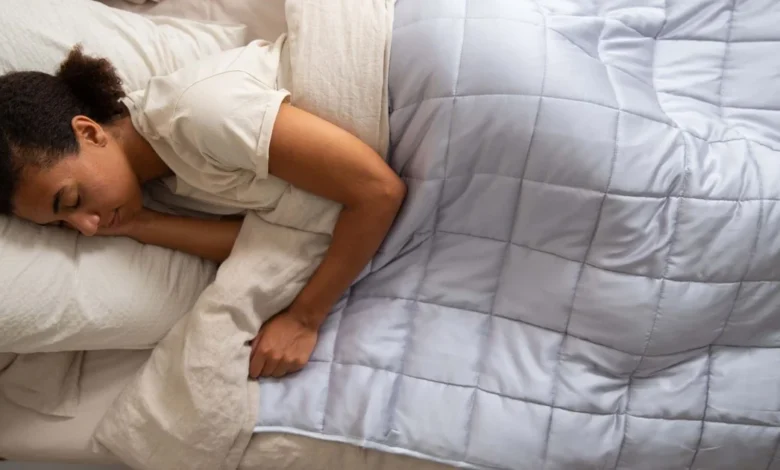
There is a profound, almost primal sense of security derived from firm, consistent pressure. Whether it is the sensation of a tight embrace, the swaddling of an infant, or the heavy layering of blankets on a cold night, the human nervous system appears uniquely wired to respond to deep tactile input with a shift toward relaxation. In recent years, the consumer market has sought to commodify this phenomenon through the widespread sale of weighted blankets. Marketed as a panacea for everything from insomnia to generalized anxiety, these products have seen a meteoric rise in popularity that has largely outpaced clinical validation. However, a recent pilot study conducted by researchers at Saint Luke’s Hospital in Kansas City, Missouri, has provided fresh empirical data, moving the conversation from anecdotal comfort to measurable physiological outcomes.
The investigation, published in the 2026 edition of the American Journal of Critical Care, represents a significant step in the effort to understand how weighted pressure impacts acute situational stress. By isolating the experience of 54 hospitalized adults, the study sought to determine whether the calming effects reported by users are a genuine biological response or merely a subjective feeling of comfort.
Chronology of the Saint Luke’s Pilot Study
The research project was initiated against a backdrop of increasing interest in non-pharmacological interventions for patient anxiety. Conducted between 2023 and 2025, the study utilized a rigorous crossover design to ensure that each participant served as their own control.
The process began with the recruitment of 54 patients within the Saint Luke’s Health System, a member of the BJC Health West Region. Participants were randomized into two distinct cohorts. In the first phase, one group was subjected to a 15-pound weighted blanket for a 20-minute period, followed by a 20-minute "standard care" period, which involved no specialized tactile intervention. The second group reversed this order, receiving standard care first followed by the weighted blanket.
Researchers utilized a 0-to-10 anxiety scale, capturing baseline data before the intervention began and again at the conclusion of each 20-minute segment. The primary objective was to observe immediate fluctuations in self-reported anxiety levels, as well as any persistent "carryover" effects once the weight was removed. The study concluded that patients experienced a statistically significant reduction in anxiety—an average drop of 3.6 points—when using the blanket compared to standard care alone.
The Mechanism of Deep Pressure Stimulation
To understand why a heavy blanket might alleviate stress, one must look toward the concept of deep pressure stimulation (DPS). Traditionally utilized in occupational therapy for individuals with sensory processing disorders or neurodivergent conditions, DPS involves the application of firm, even weight across the body.
While the exact biological pathway remains a subject of ongoing debate, the prevailing theory suggests that this tactile input influences the autonomic nervous system. The autonomic system is divided into two primary branches: the sympathetic, responsible for the "fight or flight" stress response, and the parasympathetic, which governs the "rest and digest" state. Proponents of DPS suggest that consistent pressure may signal the body to shift away from sympathetic dominance, effectively lowering heart rate and reducing the production of cortisol, the body’s primary stress hormone.
However, researchers involved in the Saint Luke’s trial and other similar studies are cautious. They emphasize that while the psychological sensation of calm is undeniable, the biological markers—such as specific neurotransmitter changes or hormonal shifts—have not yet been definitively mapped to the use of these blankets in a clinical setting.
Contextualizing the Broader Research Landscape
The findings from Kansas City do not exist in a vacuum; they contribute to a mounting body of research that has been accumulating over the past several years. A 2025 scoping review published in Occupational Therapy International identified 38 distinct studies examining the efficacy of weighted blankets. Among these, 12 were randomized controlled trials, highlighting a trend toward more evidence-based scrutiny of the product.
Furthermore, a 2024 meta-analysis published in the Journal of Psychiatric Research pooled data from five separate studies. The analysis concluded that, while the effect size was modest, weighted blankets consistently produced a statistically significant reduction in anxiety for patients suffering from diagnosed mental health conditions. Notably, no serious adverse events were reported across these studies, suggesting that for most populations, the intervention is low-risk.
Despite these positive signals, experts in the field of psychiatric research caution that the "modest" nature of these improvements is an important caveat. A weighted blanket is not a replacement for traditional therapeutic modalities like Cognitive Behavioral Therapy (CBT) or pharmacological treatments. Instead, it appears to function best as an adjunctive, low-tech tool that can assist in self-regulation during periods of acute distress.
Limitations and Practical Challenges
Despite the optimistic data, the Saint Luke’s study highlighted practical limitations that are often overlooked in marketing materials. Exit surveys conducted at the conclusion of the trial revealed that comfort is highly individual. While over 80% of participants found the experience calming, a significant minority reported negative physical reactions.
Approximately 26% of participants complained that the blanket caused them to overheat, while 33% felt the 15-pound weight was excessive or restrictive. These findings serve as a critical reminder that there is no "one-size-fits-all" approach to anxiety management. The "10% of body weight" rule of thumb, frequently cited by retailers as the gold standard for selecting a blanket, is a consumer guideline rather than a medically validated prescription.
Clinical experts suggest that mobility is a paramount concern. For individuals with respiratory or circulatory issues, or those with limited motor function, a heavy blanket could potentially cause more harm than good by restricting movement or impeding breathing. Consequently, healthcare professionals advise that any individual with pre-existing physical health conditions should consult with their physician before incorporating a weighted blanket into their routine.
Implications for Clinical and Home Environments
The implications of the 2026 pilot study are two-fold. First, for clinical environments, it provides a cost-effective, non-invasive method for managing the high levels of stress associated with hospital stays. If further large-scale trials validate these findings, hospitals may consider integrating weighted blankets into standard care protocols for patients undergoing stressful procedures or transitions.
Second, for the general public, the study serves as a grounding force for expectations. The anxiety experienced by patients in a hospital setting is acute and context-dependent, which is distinct from the chronic, systemic nature of Generalized Anxiety Disorder (GAD). Therefore, while the results are promising, they do not justify the use of weighted blankets as a standalone treatment for complex psychiatric conditions.
The broader consensus among mental health professionals is that while the "grounding" effect of a weighted blanket can provide temporary relief, it should be viewed as a component of a larger wellness toolkit. The reliance on such tools must not detract from the importance of professional diagnosis and evidence-based treatment plans.
Future Directions in Sensory Research
The field of sensory integration is currently at a turning point. With the proliferation of wearable technology and advancements in psychophysiological monitoring, future researchers are better equipped than ever to measure the impact of tactile stimulation on human health.
Future studies will likely focus on larger, more diverse cohorts to determine if the benefits observed at Saint Luke’s translate to the general population, including healthy adults experiencing everyday stress. Additionally, researchers are interested in the duration of the effect; if the "carryover" reduction in anxiety observed in the Kansas City study can be sustained or replicated, it could open the door for new protocols in stress management and sleep hygiene.
As of now, the weighted blanket remains a fascinating example of how a simple, age-old concept—the need for physical comfort—can be subjected to the rigors of modern scientific inquiry. While we are still far from a definitive understanding of the neurological pathways involved, the evidence suggests that for many, a little bit of weight can make a world of difference. For the time being, the guidance remains clear: approach the product as a tool for comfort rather than a cure, prioritize personal safety and mobility, and always maintain an open dialogue with healthcare providers regarding mental health concerns.
Disclaimer: The information provided in this article is for educational and informational purposes only and is not a substitute for professional psychological, psychiatric, or medical advice, diagnosis, or treatment. Always seek the guidance of a licensed mental health professional or medical doctor with any questions or concerns regarding your health or emotional well-being. Never disregard professional medical advice or delay seeking treatment due to information provided herein.