Free 7-Day High-Protein Diet Meal Plan: September 7 to September 13 Features Complete Grocery Lists, Nutritional Macros, and Weight Watchers Points

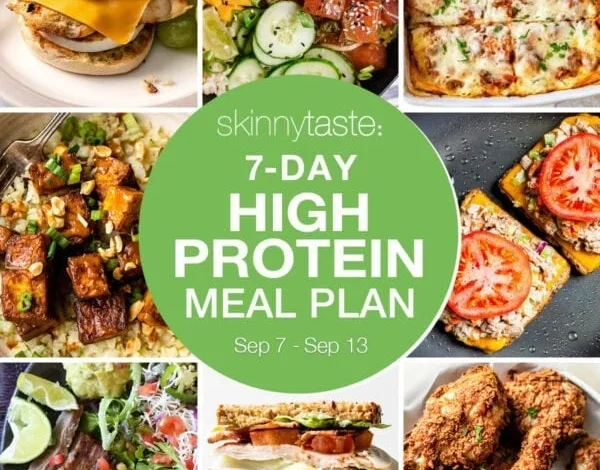
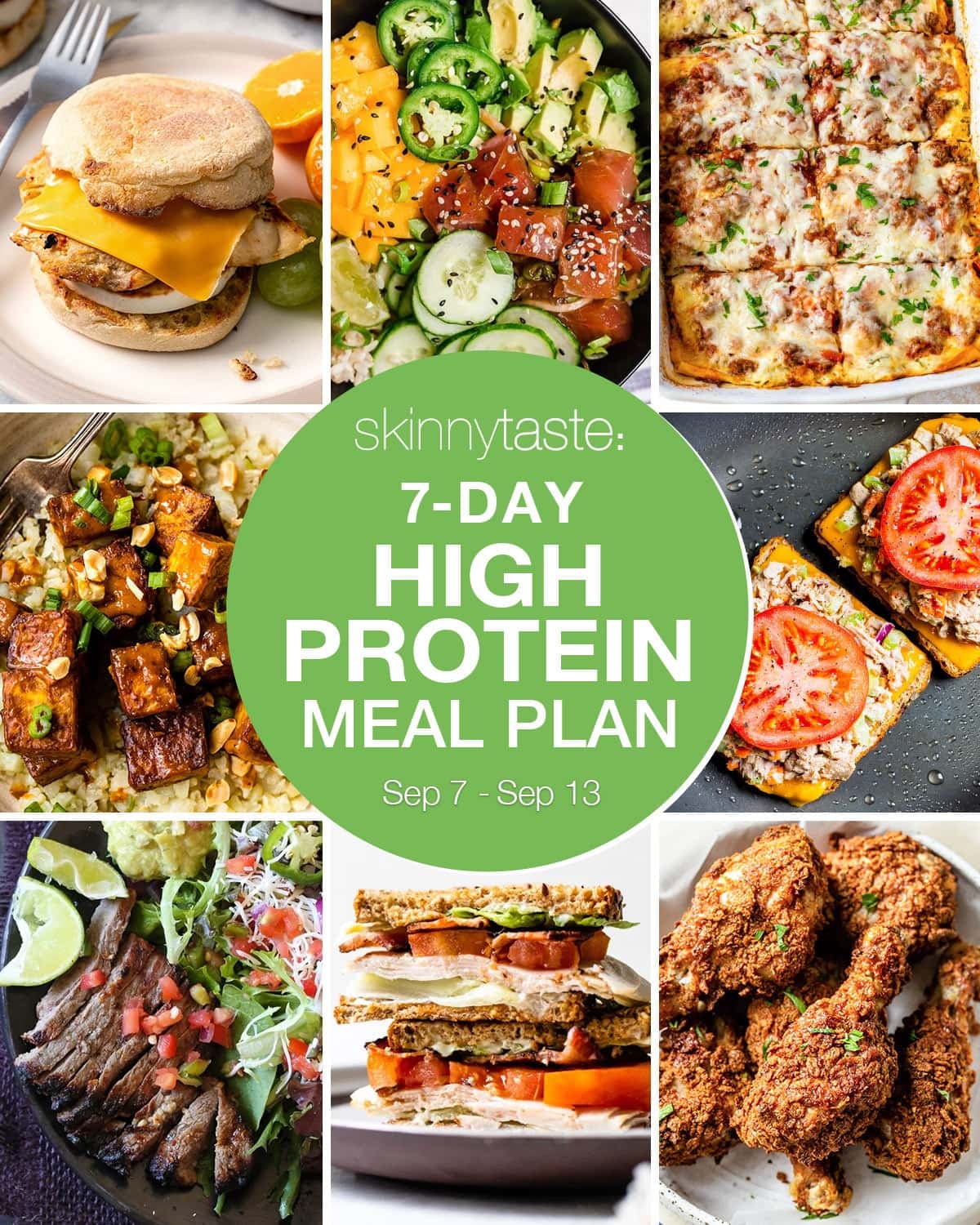
As the summer season draws to a close and families transition back to academic schedules, households across the country face the annual challenge of balancing busy extracurricular calendars with nutritious home-cooked meals. Amidst the rush of practices, games, and homework routines, maintaining a healthy diet often takes a back seat. To combat mealtime fatigue during high-stress transition periods, culinary platforms and nutrition advocates are increasingly promoting structured meal preparation and slow-cooker strategies as essential tools for modern time management. Addressing this seasonal demand, popular recipe developer and meal-planning resource Skinnytaste has released its comprehensive, free seven-day high-protein meal plan for the week of September 7 through September 13.
The newly published guide is tailored to help individuals and families meet specific daily nutritional targets without sacrificing flavor or convenience. Designed to keep pace with hectic schedules, the curated menu incorporates versatile dishes such as family-friendly chicken salads and slow-cooker Italian sloppy joes. By streamlining grocery shopping and outlining daily dietary intake, the plan aims to eliminate the daily guesswork of dinner preparation while aligning with contemporary health and fitness trends centered on protein optimization.
Background Context: The Rise of High-Protein Diets in Mainstream Nutrition
In recent years, the nutritional landscape has experienced a significant shift toward higher protein consumption. Once primarily associated with bodybuilding and elite athletic performance, high-protein diets have gained widespread mainstream adoption for their role in supporting lean muscle mass, enhancing satiety, and stabilizing blood sugar levels. Nutritionists and dietary experts frequently note that adequate protein intake stimulates the release of satiety hormones—such as peptide YY and GLP-1—while reducing levels of ghrelin, the hormone responsible for stimulating hunger. This biochemical response helps curb late-night snacking and cravings for processed sweets and chips.
Despite these recognized benefits, many consumers struggle to hit their daily protein targets consistently. Common obstacles include a lack of planning, monotony in meal selection, and the perception that high-protein cooking requires excessive time and specialized ingredients. To address these hurdles, food content creators have begun developing structured weekly guides that distribute protein intake evenly across meals. Nutrition guidelines generally suggest dividing daily protein goals across three primary meals—aiming for 30 grams or more per sitting—supplemented by targeted snacks to achieve an optimal balance for muscle protein synthesis and metabolic support.
Structure and Mechanics of the September 7–13 Meal Plan
The newly unveiled seven-day plan is structured to provide clear guidance while offering ample flexibility for individual dietary preferences and caloric needs. Weekday breakfasts and lunches are designed for single-serving portions, whereas dinners and all weekend meals cater to a standard family of four. Certain recipes intentionally yield leftovers to simplify mid-week lunch preparation or reduce cooking time on subsequent nights.
To ensure transparency and utility, every recipe included in the plan features detailed macronutrient breakdowns alongside official Weight Watchers (WW) points. In light of recent updates to the WW program—which introduced new zero-point food items such as oatmeal—the creator has integrated access to the official WW recipe builder, allowing users to automatically calculate points tailored to their personal accounts. Furthermore, the plan is accompanied by a categorized master grocery list encompassing produce, meat, poultry, fish, condiments, spices, dairy, grains, canned goods, and frozen items.
Daily Menu Breakdown and Nutritional Targets

The weekly schedule is meticulously balanced to meet a target range of approximately 1,200 to 1,400 calories and roughly 120 grams of protein per day, serving as a flexible baseline rather than a rigid prescription.
Monday, September 7
The week initiates with an Egg White Grill for breakfast, followed by a Carne Asada Steak Salad for lunch. The evening concludes with Air Fryer Peanut Curry Tofu served with gingery cauliflower rice and a side of steamed edamame, yielding a daily total of approximately 1,348 calories and 123 grams of protein.
Tuesday, September 8
Maintaining consistency, Tuesday repeats the Egg White Grill breakfast and Carne Asada Steak Salad lunch. Dinner features Turkey Stuffed Zucchini paired with a Lemony Hearts of Palm Salad with Avocado, totaling approximately 1,177 calories and 123 grams of protein.
Wednesday, September 9
Breakfast remains the Egg White Grill, while lunch transitions to a half-recipe of an Ahi Poke Bowl with Mango. The evening meal introduces a classic Lasagna paired with chopped romaine lettuce, parmesan cheese, and a Greek yogurt Caesar dressing, bringing the day’s totals to roughly 1,408 calories and 121 grams of protein.
Thursday, September 10
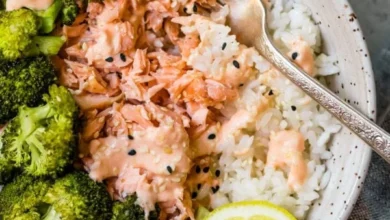
Thursday utilizes meal efficiencies by serving leftover lasagna for lunch alongside the romaine Caesar salad. Dinner shifts to an Air Fryer Cajun Shrimp Dinner served over brown rice, totaling approximately 1,329 calories and 121 grams of protein.
Friday, September 11
The final workday begins with a High-Protein Zucchini Omelet for One, followed by the remaining leftover lasagna for lunch. Friday dinner features Maple Soy Glazed Salmon accompanied by fried brown rice, accumulating roughly 1,349 calories and 120 grams of protein. Additional rice is intentionally prepared to facilitate weekend meals.
Saturday, September 12
Weekend dining shifts toward family-oriented formats, starting with a Blueberry Banana Peanut Butter Smoothie, followed by Tuna Melt sandwiches and fresh apples for lunch. Dinner is designated as a meal eaten away from home, resulting in a lighter recorded profile of approximately 663 calories and 53.5 grams of protein for the tracked portions.
Sunday, September 13
The week concludes with a Savory Cottage Cheese Bowl for breakfast, Turkey Clubs with baby carrots for lunch, and a comforting dinner of Air Fryer Fried Chicken served with Instant Pot Mashed Potatoes and coleslaw. Sunday totals register approximately 1,201 calories and 122 grams of protein.
Medical Considerations and Expert Guidance
While high-protein meal plans offer proven advantages for weight management and physical conditioning, medical professionals emphasize that such regimens are not universally appropriate. Individuals with pre-existing health conditions—such as chronic kidney disease, liver dysfunction, gout, or specific metabolic disorders—must exercise caution before significantly increasing their daily protein intake. Excess protein places an increased filtration workload on the kidneys, which can exacerbate compromised renal function.
Dietitians and healthcare providers consistently recommend personalized nutritional assessments rather than blanket adherence to online diet plans. Factors such as age, biological sex, current weight, basal metabolic rate, and physical activity levels dictate individual caloric and macronutrient requirements. Consequently, consumers are advised to utilize professional calculators or consult registered dietitians to tailor meal plans to their specific physiological profiles.
Broader Impact and Consumer Engagement
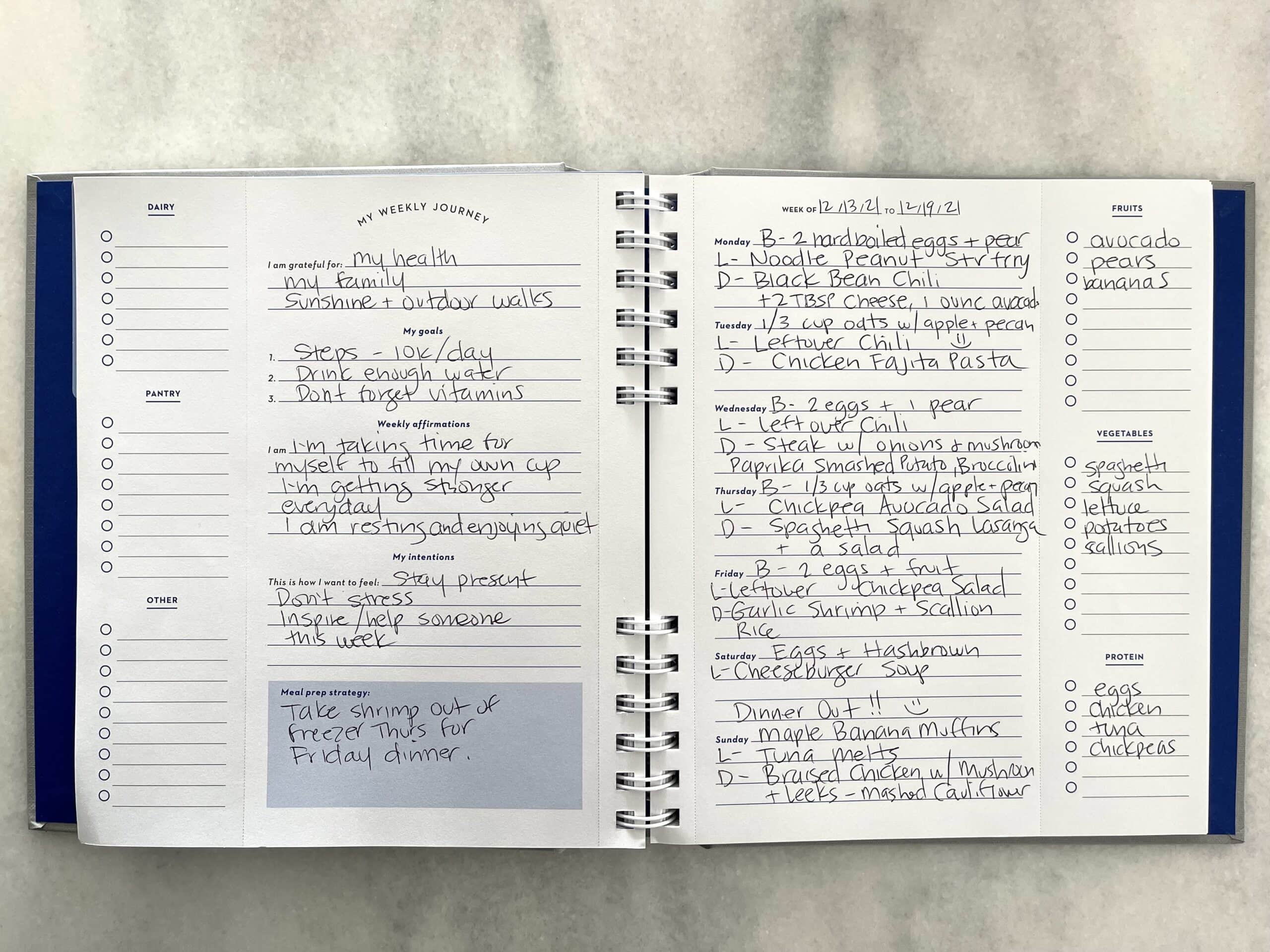
The release of structured, digital meal plans reflects a broader evolution in how consumers approach household management and nutrition. By combining actionable grocery lists with precise macro tracking, platforms like Skinnytaste bridge the gap between culinary inspiration and practical execution. Community-driven elements, such as dedicated social media groups and printable weekly planners, further foster accountability and shared support among individuals pursuing health-related milestones.
As back-to-school routines firmly take hold, resources that alleviate the cognitive load of daily meal planning continue to hold substantial value for time-pressed families. Through careful organization, strategic ingredient overlap, and an emphasis on nutritional density, programs of this nature demonstrate that maintaining health objectives during transitional periods is both achievable and sustainable.