Sesame Ginger Cabbage Rolls: A Culinary Shift Towards Healthier Asian-Inspired Home Cooking Gains Traction Amidst Evolving Dietary Preferences.

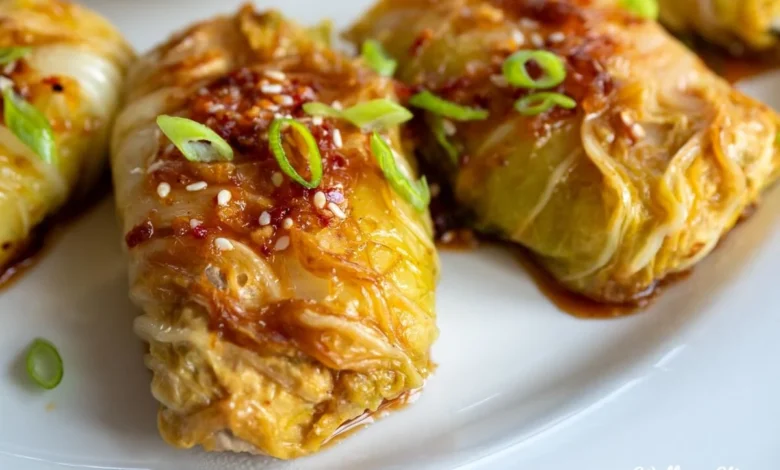
The emergence of dishes like sesame ginger cabbage rolls signifies a notable culinary pivot, reflecting a broader consumer movement away from heavily processed, Americanized versions of ethnic cuisine towards authentic, whole-food alternatives prepared at home. This particular recipe, lauded for its vibrant flavors and robust nutritional profile, serves as a compelling case study in the evolving landscape of modern gastronomy, where health consciousness and convenience converge with a desire for global tastes. Far from the deep-fried, sugar-laden offerings often found in fast-casual chains, these cabbage rolls champion lean proteins, fresh vegetables, and unrefined flavor agents, presenting a viable and delicious option for those seeking to integrate healthier eating habits into their daily routines.
Historically, the appeal of "Chinese food" in Western societies often revolved around convenience and indulgence, giving rise to a distinct category of dishes that, while inspired by traditional Asian flavors, diverged significantly in their preparation methods and ingredient lists. Think of the ubiquitous General Tso’s chicken, sweet and sour pork, or lo mein, which frequently feature high levels of sodium, refined sugars, unhealthy fats, and often monosodium glutamate (MSG) to enhance flavor. This culinary phenomenon, primarily taking root in the mid-20th century, catered to a burgeoning demand for exotic tastes adapted to the American palate, prioritizing quick satisfaction over nutritional balance. Restaurants like Panda Express epitomized this trend, establishing a widespread presence with their fast-food interpretation of Chinese cuisine.
However, the late 20th and early 21st centuries have witnessed a paradigm shift in consumer awareness regarding diet and health. A growing body of scientific research linking processed foods to various health concerns, coupled with increased access to nutritional information, has empowered individuals to scrutinize their food choices more critically. This heightened awareness has fueled a significant demand for "real food"—ingredients that are minimally processed, recognizable, and free from artificial additives. The market has responded with an proliferation of healthier options, ranging from organic produce to alternative sweeteners and natural flavor enhancers. This chronology of dietary evolution demonstrates a clear progression from passive consumption to active, informed decision-making about food.
The sesame ginger cabbage rolls exemplify this contemporary ethos by consciously re-engineering a beloved flavor profile. Instead of traditional flour-based wrappers, often a source of refined carbohydrates and gluten for some, the recipe utilizes blanched Napa cabbage leaves. Napa cabbage, a cruciferous vegetable, offers a surprisingly tender and flexible wrapper after a brief blanch, making it easy to roll while simultaneously adding a substantial serving of vitamins (C and K), minerals, and dietary fiber. This choice dramatically reduces the carbohydrate load and increases the vegetable content, aligning with current dietary recommendations that emphasize plant-forward eating.
The filling typically comprises lean ground protein, such as chicken, turkey, or even pork. Ground chicken, specifically, is favored for its mild flavor profile, which allows the aromatic notes of ginger and garlic to shine through without being overpowered. Nutritionally, a serving of ground chicken provides a significant amount of lean protein (approximately 9g per cabbage roll, based on typical recipe yields), essential for muscle repair, satiety, and overall metabolic function. The inclusion of finely diced shiitake mushrooms further elevates the dish, contributing a rich umami depth, additional fiber, and crucial moisture to prevent the chicken from drying out during cooking. Shiitake mushrooms are also recognized for their immune-boosting properties and B vitamins.
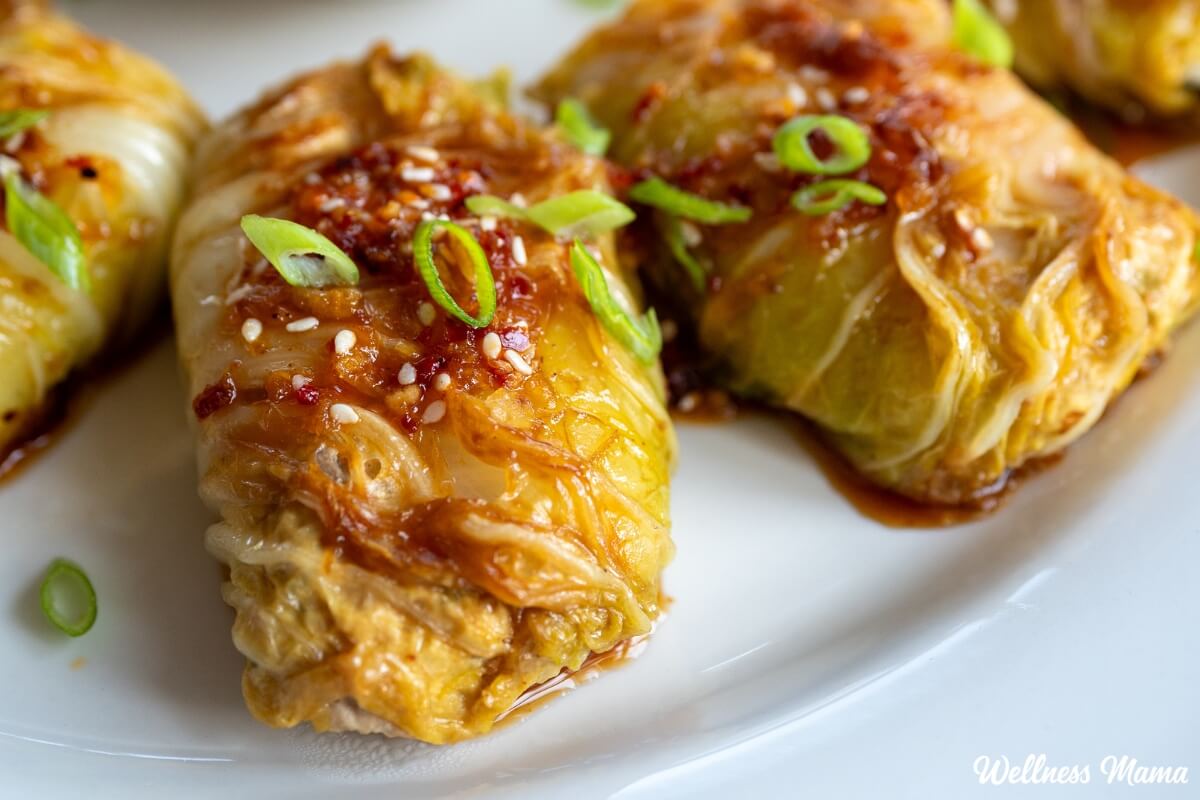
Flavoring agents are meticulously chosen for their natural intensity and health benefits. Fresh ginger, a staple in Asian cuisine, is celebrated not only for its pungent, spicy aroma but also for its anti-inflammatory and digestive properties. Garlic, another foundational aromatic, offers a robust flavor alongside its well-documented cardiovascular benefits. Instead of conventional soy sauce, which can be high in sodium and contain soy allergens, the recipe wisely opts for coconut aminos. Coconut aminos, derived from the sap of coconut trees, provide a similar savory, umami flavor profile to soy sauce but with a slightly sweeter note, significantly less sodium, and without soy or gluten. This ingredient’s rising popularity reflects a broader consumer trend towards allergen-friendly and lower-sodium alternatives. Toasted sesame oil adds a distinct nutty aroma and flavor, while chili crisp offers a customizable element of heat, both contributing to the complex sensory experience without relying on artificial enhancers or excessive fats.
Nutritionists and culinary experts have been quick to laud such innovative approaches to home cooking. Dr. Evelyn Reed, a prominent dietitian specializing in whole foods, commented, "Recipes like these cabbage rolls are exactly what we encourage. They demonstrate that healthy eating doesn’t mean sacrificing flavor or culinary enjoyment. By focusing on whole, unprocessed ingredients and smart substitutions like Napa cabbage for wrappers and coconut aminos for soy sauce, individuals can drastically improve the nutritional density of their meals while reducing intake of sodium, unhealthy fats, and refined carbohydrates." Chef Marcus Chen, known for his work in modern Asian cuisine, added, "The brilliance here is in the simplicity and the strategic layering of flavors. It respects traditional Asian ingredients while adapting the format for a health-conscious audience. It’s a fantastic example of how home cooks can create restaurant-quality, nutritious meals with minimal fuss."
The practicality of these cabbage rolls extends beyond their nutritional merits. They are designed for ease of preparation, requiring "just minutes of hands-on time." This convenience factor is crucial for busy individuals and families, aligning with the growing trend of meal preparation (meal prepping) as a strategy for maintaining healthy eating habits throughout the week. The recipe’s adaptability is another key feature; ground turkey or pork can readily substitute chicken, and additional vegetables like shredded carrots for sweetness or finely chopped water chestnuts for crunch can be incorporated. This flexibility empowers home cooks to customize the dish based on dietary preferences, seasonal availability, or simply what they have on hand, minimizing food waste and encouraging culinary creativity. Leftovers reheat exceptionally well, making them an ideal component of a weekly meal prep plan, ensuring nutritious lunches or quick dinners are always within reach.
The broader implications of such recipes are substantial. On a public health level, the widespread adoption of home-cooked, whole-food meals can contribute significantly to combating the rising incidence of diet-related chronic diseases, including obesity, type 2 diabetes, and cardiovascular conditions. By choosing lean proteins, abundant vegetables, and natural flavorings, individuals reduce their exposure to the very elements known to contribute to these health challenges. For the food industry, the demand for ingredients like coconut aminos, fresh ginger, and high-quality lean meats signals a shift in consumer purchasing patterns, prompting manufacturers and retailers to prioritize sourcing and marketing healthier, cleaner-label products. This movement also reinforces the value of culinary education and accessible recipe sharing platforms, empowering a new generation of home cooks to take control of their dietary health.
In essence, the sesame ginger cabbage roll is more than just a recipe; it is a culinary statement. It represents a conscious decision to embrace wholesome ingredients, explore global flavors in an authentic context, and prioritize health without compromising on taste or convenience. As consumers continue to become more informed and discerning about their food choices, dishes like these will undoubtedly continue to gain prominence, shaping a future where delicious, healthy, and culturally rich meals are not just an aspiration but an achievable everyday reality for home kitchens worldwide. This ongoing evolution underscores a profound cultural shift: from merely eating to live, to living to eat well and healthily.