Lyme Disease: A Complex Challenge Beyond the Tick Bite and Antibiotics

Lyme disease, a pervasive and often misunderstood illness transmitted by ticks, presents a far more intricate clinical picture than the commonly held notion of a simple tick bite followed by a straightforward course of antibiotics. While the bacterium Borrelia burgdorferi is the primary culprit, the reality of Lyme disease is compounded by the frequent presence of co-infections, complicating diagnosis and treatment significantly. This article delves into the multifaceted nature of Lyme disease, exploring the challenges in its identification, the reasons for persistent symptoms, the diagnostic complexities, and the evolving approaches to patient care, including nutritional support, lifestyle modifications, and advanced therapies like hyperbaric oxygen.
The Elusive Nature of Lyme Disease Transmission and Early Symptoms
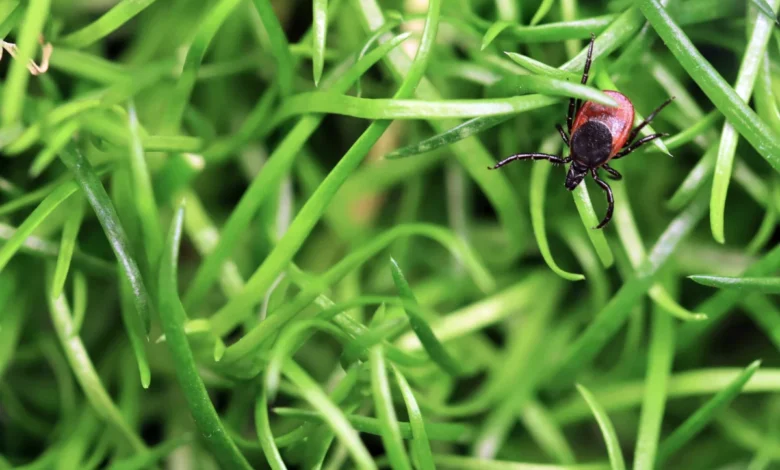
The insidious onset of Lyme disease often begins with an unnoticed tick bite. Ticks, particularly in their nymphal stage, are minuscule, often no larger than a poppy seed or the tip of a ballpoint pen. Their saliva contains an anesthetic agent, rendering the bite virtually undetectable to the host. This lack of immediate sensation contributes to a significant number of exposures going unrecognized. Even when a tick is discovered, the initial reaction may be a minor red mark, easily dismissed. While the classic "bullseye" rash, or erythema migravens, is a hallmark symptom, its presence is not universal, occurring in less than half of all Lyme cases. Furthermore, this rash can be misidentified as other common skin irritations, leading to delayed or missed diagnoses.
The slow replication rate of Borrelia burgdorferi is another factor contributing to the delayed manifestation of symptoms. This gradual proliferation means that individuals may remain asymptomatic for weeks or even months following infection, making the initial link between exposure and illness difficult to establish. This protracted incubation period underscores a critical misunderstanding: many believe Lyme disease is difficult to contract, simple to diagnose, and easy to treat. In reality, all three of these assumptions are misconceptions. Lyme disease is relatively easy to acquire, particularly in endemic regions, challenging to diagnose accurately, and often proves far more difficult to treat effectively than commonly acknowledged.
The Complicating Factor of Co-infections
A significant challenge in diagnosing and treating Lyme disease stems from the fact that ticks are vectors for multiple pathogens. Beyond Borrelia burgdorferi, ticks can harbor and transmit other bacteria, parasites, and even viruses. These co-infections, such as Anaplasma, Ehrlichia, Babesia, and Bartonella, can independently cause acute illness or exacerbate the symptoms of Lyme disease. For instance, Anaplasma and Ehrlichia can induce severe symptoms within days or weeks of a bite, including high fever, profound fatigue, and cognitive impairment. The presence of these co-infections means that a treatment targeting only Borrelia burgdorferi may leave other pathogens unchecked, allowing them to proliferate and contribute to ongoing illness. This complexity necessitates a broad diagnostic approach that considers the entire spectrum of potential infections carried by the tick.
The "Great Imitator": A Spectrum of Debilitating Symptoms
Lyme disease has earned the moniker "the great imitator" due to its protean manifestations, capable of mimicking a wide array of other medical conditions. The spirochete can affect virtually any organ system, leading to a diverse range of symptoms that can be easily mistaken for other diseases. Joint pain is a common complaint, but in Lyme disease, it often presents as migratory, moving from one joint to another, a characteristic that can strongly suggest Lyme, though it is crucial not to limit the diagnostic scope to joint involvement.
Beyond musculoskeletal issues, Lyme disease can impact neurological function, leading to cognitive deficits such as memory loss that may appear disproportionate to a person’s age. Nerve involvement can manifest as pelvic or abdominal pain. Cardiac symptoms, including irregular heart rhythms and fainting spells, can also arise and may pose serious health risks. Other prevalent symptoms include muscle pain, cramping, chronic fatigue, headaches, sleep disturbances, and a broad range of neurological issues. This wide-ranging symptomatic presentation highlights the inadequacy of relying solely on a limited set of symptoms or a single diagnostic test for confirmation.
The Diagnostic Conundrum: Limitations of Testing
A significant hurdle in Lyme disease management is the diagnostic testing methodology. Current tests primarily rely on detecting the body’s immune response to the infection rather than directly identifying the pathogenic organism. This indirect approach presents a critical limitation: the tell-tale antibody response may not become detectable until weeks after the initial infection. Consequently, individuals tested too early in the infection course may receive a false-negative result, despite the presence of pathogens. This timing dependency means that repeat testing may be necessary if symptoms persist and the initial results are inconclusive.
Furthermore, the slow growth rate of Borrelia burgdorferi challenges the efficacy of short-term antibiotic treatments. Antibiotics are most effective against actively replicating bacteria. Since Lyme bacteria reproduce slowly, a brief course of treatment may fail to eradicate the entire infection, leaving persistent pathogens that can reactivate or continue to cause symptoms. This underscores the importance of clinical judgment, informed by a thorough patient history and symptom evaluation, in guiding treatment decisions, rather than relying exclusively on laboratory results.
A Holistic Approach to Diagnosis and Treatment
Recognizing the complexities of Lyme disease, a comprehensive and individualized approach to patient care is paramount. This begins with an in-depth medical history, which remains the cornerstone of diagnosis. Practitioners dedicate significant time, often over an hour, to understanding a patient’s full background, including potential exposure risks such as outdoor activities, occupation, pet ownership, and geographical location. This detailed history-taking allows for a nuanced clinical assessment that complements laboratory findings.

The evaluation extends to assessing the patient’s "biological terrain"—the overall internal environment of the body—and considering other potential contributing health conditions. This may involve a battery of laboratory tests, imaging studies, and other diagnostic evaluations to identify all factors influencing a patient’s well-being. This holistic perspective moves beyond a singular focus on the pathogen to encompass the entire clinical picture.
The Crucial Role of Nutrition and Lifestyle
Nutrition and lifestyle play pivotal roles in managing Lyme disease and supporting recovery. Diet significantly influences inflammation, a key driver of many Lyme-related symptoms. A thorough dietary assessment is therefore a vital component of care, often involving collaboration with a registered dietitian. While individual dietary needs vary, general recommendations include minimizing processed foods, preservatives, refined carbohydrates, and excess sugar. These elements can negatively impact the gut microbiome, promote inflammation, and exacerbate symptoms.
Beyond diet, mental health support is equally critical. The chronic nature of Lyme disease can exact a considerable psychological toll. Counseling and emotional support are integral to recovery, addressing the stress, anxiety, and depression that often accompany long-term illness.
Hyperbaric Oxygen Therapy: An Emerging Adjunct
Hyperbaric oxygen therapy (HBOT) is emerging as a valuable adjunct in the comprehensive treatment of Lyme disease. This therapy involves administering 100% oxygen under increased pressure, significantly enhancing oxygen levels in the blood and tissues. This elevated oxygenation is crucial for tissue repair and healing.
Crucially, HBOT may also possess antimicrobial properties. Borrelia burgdorferi and some common co-infections struggle to survive in highly oxygenated environments. The bacterium often protects itself by forming biofilms, which shield it from the immune system and limit antibiotic penetration due to poor blood flow. HBOT saturates the plasma with oxygen, delivering it directly to tissues and bypassing the limitations of hemoglobin-based oxygen transport. This increased oxygen can directly impact pathogens, even those within biofilms.
Moreover, HBOT can augment the body’s natural defenses. It enhances the activity of white blood cells, bolstering their ability to fight infection. The therapy also promotes angiogenesis, the formation of new blood vessels, which improves circulation to affected areas. This enhanced blood flow can improve the delivery of antibiotics and other therapeutic agents to infected tissues, increasing their efficacy. Patients undergoing HBOT often report improvements in a range of symptoms, including reduced neuroinflammation, enhanced short-term memory, decreased fatigue, fewer headaches, better sleep, and lessened joint and muscle pain, leading to accelerated recovery and improved overall outcomes.
Addressing Common Misconceptions
The persistent misconceptions surrounding Lyme disease continue to hinder effective management. The belief that it is difficult to contract, easy to diagnose, and simple to treat is demonstrably false. The reality is that Lyme is readily acquired in endemic areas, diagnosis is often complex, and treatment can be protracted and challenging. The reliance on antibody-based testing, the slow growth of the pathogen, and the prevalence of co-infections all contribute to diagnostic and therapeutic difficulties.
Another significant misconception is that a single course of antibiotics is sufficient for eradication. Given the slow replication of Borrelia burgdorferi, short or minimal treatment regimens may not fully clear the infection. The notion that Lyme disease exists in isolation is also incorrect; co-infections are common and must be identified and treated for complete recovery. Finally, persistent symptoms following initial treatment are often mislabeled as "post-treatment Lyme disease syndrome" without fully investigating the possibility of incomplete treatment or an incomplete understanding of the initial illness.
The Path Forward: Clinical Judgment and Comprehensive Care
The most effective approach to Lyme disease management hinges on clinical judgment, informed by a thorough understanding of the disease’s complexities. When there is a high likelihood of exposure and a consistent symptom profile, treatment should be considered, even if initial laboratory tests are inconclusive. Antibiotics, when administered appropriately and supported by probiotics and other complementary therapies, can be highly effective.
Ultimately, successful treatment of Lyme disease requires a paradigm shift from a narrow focus on test results to a comprehensive evaluation of the entire patient. By integrating detailed history-taking, advanced diagnostic techniques, nutritional and lifestyle interventions, and innovative therapies like HBOT, healthcare providers can offer a more effective and hopeful path to recovery for individuals affected by this challenging illness. The journey from tick bite to wellness is often long and arduous, demanding a patient-centered, multidisciplinary approach that acknowledges and addresses the full spectrum of Lyme disease’s impact.