Cranberries and Pumpkin Seeds Emerge as Promising Natural Interventions for Benign Prostatic Hypertrophy

Benign Prostatic Hypertrophy (BPH), commonly known as an enlarged prostate, is a pervasive condition affecting a significant portion of the aging male population, leading to bothersome lower urinary tract symptoms (LUTS). More than 50% of men in their 50s and at least 70% of men over the age of 60 are estimated to suffer from BPH, with its prevalence steadily increasing with age. The symptoms, which often include increased urinary frequency, nocturia (waking up at night to urinate), weak stream, hesitancy, and incomplete bladder emptying, can profoundly diminish a man’s quality of life. While conventional medical treatments offer symptomatic relief, they are frequently associated with undesirable side effects, such as sexual dysfunction, and in rare cases, an increased risk of high-grade prostate cancer or depression, leading to alarmingly low patient compliance rates. When pharmacological interventions prove insufficient or intolerable, surgical procedures, such as transurethral resection of the prostate (TURP), become necessary, carrying their own set of risks and recovery challenges. This landscape underscores a critical need for effective, well-tolerated, and accessible alternative or complementary management strategies for BPH.
Understanding Benign Prostatic Hypertrophy and Its Impact
BPH is a non-cancerous enlargement of the prostate gland, a walnut-sized gland located just below the bladder in men. Its primary function is to produce seminal fluid, which nourishes and transports sperm. As men age, the prostate can grow, compressing the urethra—the tube that carries urine from the bladder out of the body—and obstructing urine flow. This obstruction leads to the characteristic LUTS. The exact etiology of BPH is not fully understood, but it is believed to involve hormonal changes, particularly imbalances in testosterone and estrogen, as well as genetic predispositions and lifestyle factors.
The impact of BPH extends beyond mere physical discomfort. The constant interruption of sleep due to nocturia can lead to chronic fatigue, irritability, and impaired cognitive function. The social implications of frequent urination and urgency can restrict daily activities, affecting work, travel, and social engagements. The sexual dysfunction sometimes associated with BPH treatments further compounds the psychological burden, contributing to anxiety and depression. Given these multifaceted challenges, patients and healthcare providers alike are increasingly exploring non-pharmacological approaches to manage BPH symptoms, seeking options that offer efficacy without the significant drawbacks of conventional therapies.
Dietary Influences on Prostate Health
Emerging research suggests a strong correlation between dietary patterns and prostate health. Population studies have consistently indicated that a diet rich in fruits and vegetables and low in animal protein may confer protective benefits against BPH progression. For instance, some research points to eggs and poultry, along with refined grains, as potentially detrimental, while surprisingly, no significant association was found for red meat or dairy in these specific studies. This nuanced understanding emphasizes that it’s not simply about reducing any animal protein, but rather focusing on specific sources and overall dietary composition. These epidemiological observations provide a compelling rationale for investigating specific whole foods and plant-derived compounds for their potential therapeutic effects on BPH.
Despite the promise of dietary adjustments, the scientific community has sought to identify specific foods or botanical extracts that, when rigorously tested, demonstrate tangible benefits. One such extensively studied botanical is saw palmetto. For decades, it was widely touted and used as a natural remedy for BPH. However, after more than 30 randomized controlled trials, the overwhelming consensus has shifted: saw palmetto has been found to be largely ineffective, performing no better than placebo in alleviating BPH symptoms. This highlights the critical importance of subjecting traditional remedies and popular supplements to stringent scientific scrutiny to differentiate genuine efficacy from anecdotal claims.
Cranberries: A Traditional Remedy Revalidated by Science
The use of cranberries for urinary ailments is deeply rooted in Native American traditional medicine, dating back centuries. Modern scientific inquiry has begun to validate some of these ancient practices, particularly concerning their impact on BPH. The key lies in their unique phytochemical composition, particularly proanthocyanidins (PACs), which are known for their anti-adhesive and anti-inflammatory properties.

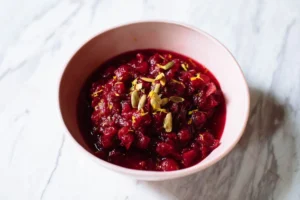
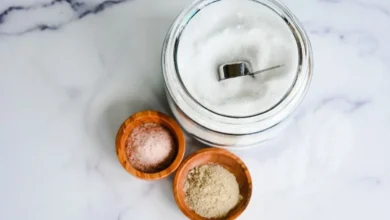
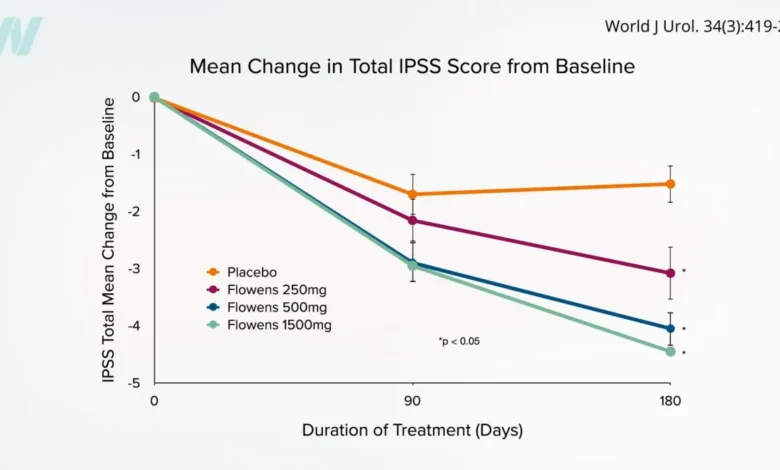
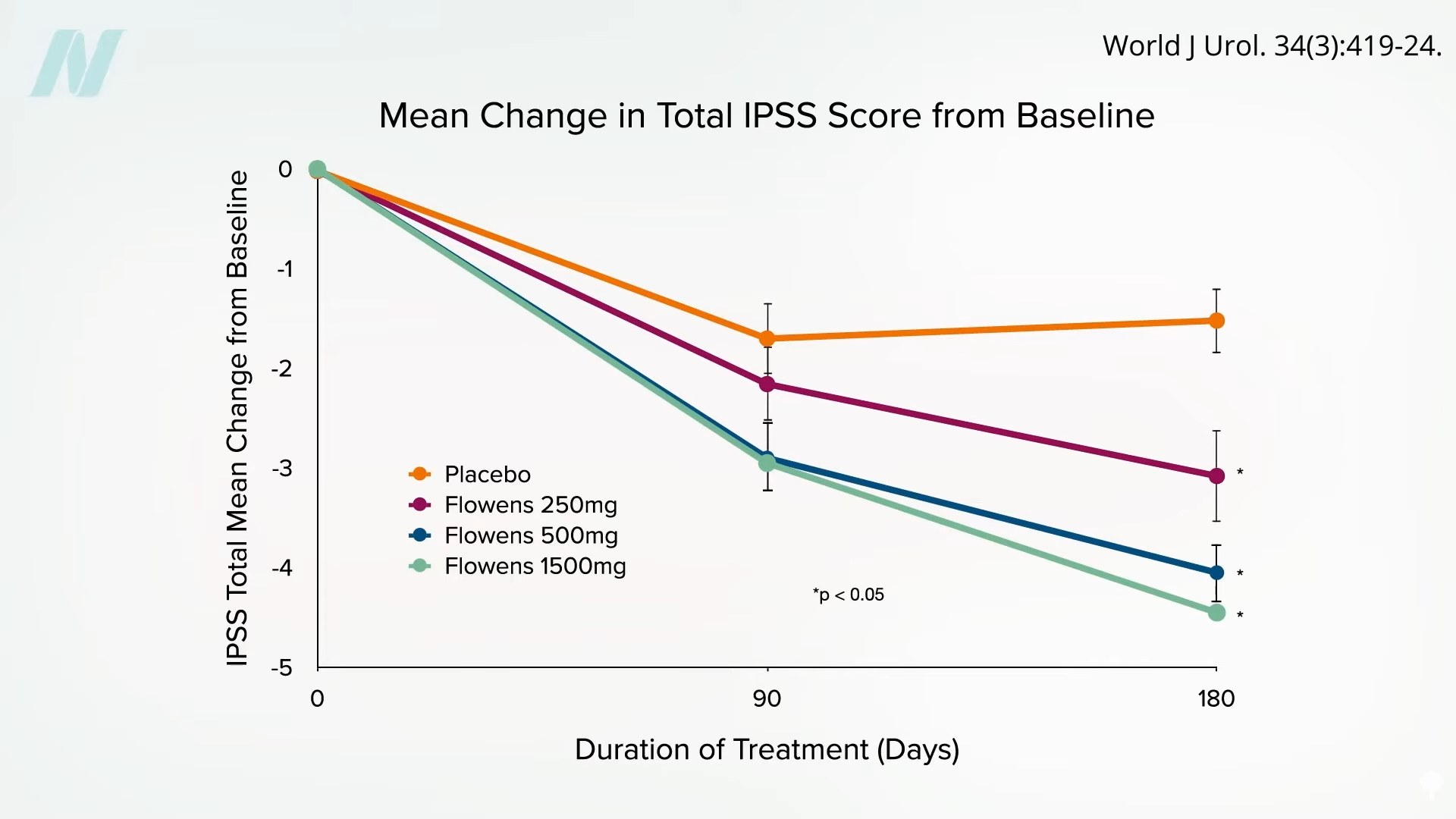
One pivotal study involved participants consuming approximately one teaspoon (around 3 grams) of powdered whole cranberries daily. It is crucial to note that this refers to pure cranberry powder, not the highly sweetened and often oil-coated "craisins" commonly found in stores, which contain significant amounts of added sugar and fats that could negate potential health benefits. The results were compelling: participants experienced significant improvements across a spectrum of BPH symptoms, enhanced quality of life metrics, and favorable changes in various urination parameters, including urine flow rate and residual urine volume.
Further research explored the dose-response relationship of cranberry powder. Subsequent studies demonstrated that even smaller doses, such as a third or a sixth of a teaspoon, also provided noticeable benefits, albeit to a lesser extent than the full teaspoon. This suggests a dose-dependent effect, where higher concentrations of the active compounds in cranberries yield more pronounced improvements. While some of these studies were supported by supplement companies, the findings consistently pointed to the efficacy of pure cranberry powder. Researchers emphasize that consumers can often achieve similar benefits by purchasing bulk cranberry powder, which is a more cost-effective option than proprietary supplements, and easily incorporate it into smoothies or other foods. It is important to distinguish this from cranberry juice, which, even in its unsweetened form, may not contain the same concentration of beneficial compounds found in whole, powdered cranberries. For example, purple grape juice, when tested, showed no benefit whatsoever for BPH symptoms, underscoring the specificity of cranberry’s effects.
Pumpkin Seeds: From Folk Medicine to Regulatory Endorsement
Like cranberries, pumpkin seeds boast a long history of use in folk medicine for prostate disorders, with anecdotal evidence spanning centuries. Contemporary scientific investigations have delved into the mechanisms behind these traditional claims. In vitro studies, conducted in petri dishes, have shown that extracts from pumpkin seeds can significantly inhibit the growth of BPH prostate cells, in some cases cutting their proliferation in half. This laboratory evidence provides a strong biological basis for their potential therapeutic utility.
Initial clinical explorations began with pumpkin seed oil. Early studies indicated that pumpkin seed oil could help alleviate prostate issues. In head-to-head comparisons against conventional pharmaceutical drugs like Prazosin and Terazosin, pumpkin seed oil appeared to perform comparably in reducing BPH symptoms. These findings were encouraging, suggesting an efficacy on par with established medications. However, a notable limitation in some of these initial trials was the absence of a placebo group, which makes it challenging to definitively ascertain the true independent effect of the pumpkin seed oil beyond the placebo effect.
A more robust and comprehensive study sought to address these methodological gaps. This large-scale randomized controlled trial involved over a thousand men who were divided into three groups: one receiving pumpkin seed extract, another a placebo, and a third group consuming approximately one tablespoon (about 7.5 grams) of plain, whole pumpkin seeds daily. Intriguingly, the study, despite being funded by a drug company marketing a pumpkin seed supplement, revealed that the proprietary pumpkin seed extract was no more effective than placebo. However, the group consuming the plain, whole pumpkin seeds did experience significant improvements in their BPH symptoms. This critical finding suggests that the therapeutic benefits are not solely attributable to isolated compounds found in an extract or oil but may reside in the synergistic action of various components within the whole seed, or perhaps specific compounds that are not effectively concentrated in an extract. Subsequent research has further elucidated that even an oil-free extract of pumpkin seeds demonstrated efficacy, hinting at non-fat components as active agents.
The unequivocal conclusion from this landmark study was that whole pumpkin seeds could be a valuable recommendation for patients experiencing mild-to-moderate BPH symptoms. This scientific endorsement was echoed by regulatory bodies, including the European equivalent of the U.S. Food and Drug Administration (EMA), which formally acknowledged that pumpkin seeds can be used to relieve lower urinary tract symptoms associated with an enlarged prostate, provided more serious conditions have been ruled out by a medical professional. This official recognition elevates pumpkin seeds from a folk remedy to a credible, evidence-based dietary intervention for BPH.
The Broader Landscape of Natural BPH Treatments
The exploration of natural treatments for BPH extends beyond cranberries and pumpkin seeds. Flaxseeds, for instance, have also garnered scientific attention for their potential benefits. Research suggests that flaxseeds may possess a therapeutic efficacy comparable to some commonly used BPH drugs, with the added advantage of "only good side effects," such as improved cardiovascular health due to their omega-3 fatty acid content and fiber. These findings underscore a growing trend towards identifying whole-food interventions that can offer multifaceted health benefits while addressing specific conditions like BPH.
However, the cautionary tale of saw palmetto serves as a vital reminder. Despite its widespread popularity and marketing as a BPH remedy for decades, rigorous scientific testing has repeatedly shown it to be ineffective. This distinction between traditional use or popular belief and evidence-based efficacy is crucial in guiding both patient choices and medical recommendations. It emphasizes the need for consumers to be discerning about health claims and for healthcare providers to rely on robust clinical data.
Implications for Patient Care and Future Research
The findings regarding cranberries and pumpkin seeds represent a significant step forward in the management of BPH. They offer accessible, affordable, and well-tolerated options that can potentially improve symptomology and quality of life for many men. For individuals seeking to avoid or minimize the side effects associated with conventional medications, or for those with mild-to-moderate symptoms, incorporating whole cranberry powder and pumpkin seeds into their daily diet could be a valuable strategy. These natural interventions are particularly appealing because they do not carry the systemic risks of pharmaceuticals and can contribute to overall dietary health.
It is imperative, however, that these natural remedies be viewed as complementary or alternative approaches, not as substitutes for professional medical diagnosis and care. Any man experiencing BPH symptoms should first consult a healthcare professional to rule out more serious conditions, such as prostate cancer, and to discuss the most appropriate treatment plan. A medical doctor can provide an accurate diagnosis, monitor the progression of BPH, and guide the integration of dietary changes with other therapeutic modalities.
Future research should continue to explore the optimal dosages, long-term efficacy, and specific mechanisms of action of cranberries and pumpkin seeds. Investigations into the synergistic effects of combining these and other beneficial foods could also yield promising results. Furthermore, studies that directly compare these natural interventions against conventional drugs with robust placebo controls would provide even clearer guidance for clinical practice.
In conclusion, the scientific validation of cranberries and pumpkin seeds as effective dietary interventions for benign prostatic hypertrophy offers a beacon of hope for millions of men seeking gentler, yet effective, ways to manage their condition. By embracing these evidence-based natural options, combined with informed medical guidance, individuals can take proactive steps towards improving their prostate health and overall well-being.