New Research from Weizmann Institute Suggests Genetics Play a Dominant Role in Human Longevity Accounting for Half of Lifespan Variation

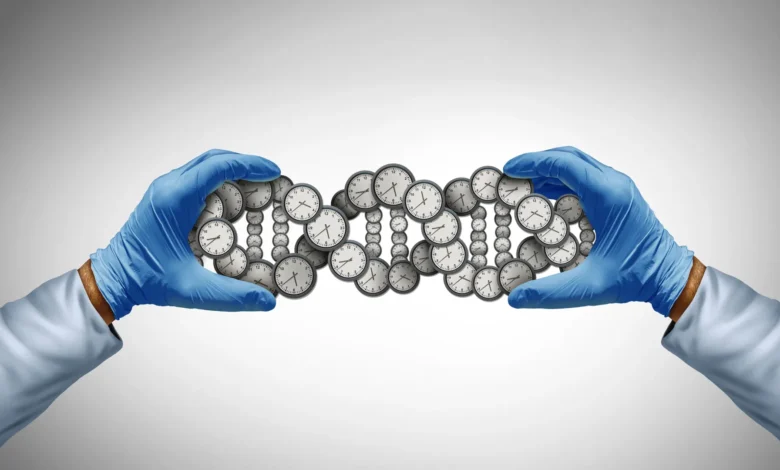
The long-standing scientific consensus regarding the factors that determine human lifespan has undergone a significant paradigm shift following a comprehensive study from the Weizmann Institute of Science. For decades, the prevailing wisdom in the fields of gerontology and genetics suggested that the duration of a human life was primarily dictated by environmental factors, lifestyle choices, and sheer chance, with inherited genetic traits playing only a minor role. Earlier estimates frequently cited in academic literature suggested that genetics accounted for a mere 20 to 25 percent of the variation in lifespan, with some large-scale genealogical studies even depressing that figure to below 10 percent. However, the new research, published in the prestigious journal Science, indicates that the genetic component of longevity is approximately 50 percent—at least double the previous estimates—suggesting that our DNA holds far more sway over our biological clock than previously recognized.
The study was spearheaded by Ben Shenhar, a researcher in the laboratory of Professor Uri Alon within the Weizmann Institute’s Department of Molecular Cell Biology. By utilizing advanced mathematical modeling and a more nuanced approach to mortality data, the team has provided a new framework for understanding why some individuals live into their nineties and beyond while others succumb to age-related decline much earlier. The findings not only challenge historical data but also provide a renewed impetus for the biomedical community to identify specific "longevity genes" that could eventually become targets for therapeutic intervention.
The Historical Context of Longevity Research
To understand the magnitude of this discovery, one must look at the trajectory of longevity research over the past century. In the early 20th century, the primary drivers of mortality were infectious diseases, poor sanitation, and nutritional deficiencies. As modern medicine, vaccines, and public health infrastructure improved, the average human lifespan increased dramatically. This led many researchers to conclude that longevity was almost entirely a product of environmental "nurture" rather than genetic "nature."
In the 1990s and early 2000s, several landmark twin studies, primarily utilizing Scandinavian registries, began to quantify the heritability of lifespan. The most famous of these studies suggested a heritability of roughly 0.25, meaning 25 percent of the variance in how long people lived could be attributed to their genes. As genomic sequencing became cheaper and more accessible in the 2010s, researchers expected to find a "smoking gun"—a set of common gene variants that explained this 25 percent. Instead, large-scale Genome-Wide Association Studies (GWAS) struggled to find significant genetic hits, leading some to revise the estimate of heritability even lower, sometimes as low as 7 to 10 percent.
This discrepancy created what scientists call the "missing heritability" problem. If lifespan truly had a low genetic basis, the search for life-extending drugs targeting genetic pathways seemed less promising. The Weizmann Institute’s study addresses this historical skepticism by suggesting that the "signal" of genetics was always there, but it was being drowned out by statistical "noise."
Methodology: Separating Nature from Nurture
The research team at the Weizmann Institute achieved their results by analyzing three massive twin databases from Sweden and Denmark. Twin studies are considered the gold standard in behavioral and biological genetics because they allow researchers to compare monozygotic (identical) twins, who share 100 percent of their DNA, with dizygotic (fraternal) twins, who share roughly 50 percent.
A critical innovation in this study was the inclusion of data from twins who were raised apart. This allowed the researchers to control for the "shared environment" factor—the lifestyle habits, socioeconomic status, and dietary patterns that siblings typically share during childhood. By comparing identical twins raised in different households to fraternal twins raised in different households, the researchers could isolate the genetic influence with unprecedented clarity.
Furthermore, the team recognized a fundamental flaw in previous datasets: the lack of distinction between different causes of death. Historically, longevity studies treated all deaths equally, whether a person died from a rare genetic condition at age 90 or a car accident at age 25. This inclusion of "extrinsic mortality"—deaths caused by external, non-biological factors such as accidents, violence, or acute infections—skewed the data. Because these external events are largely random or environmentally driven, they diluted the measurable impact of genetics on the underlying biological process of aging.
The Challenge of Extrinsic Mortality and the Virtual Twin Model
The core of the Weizmann study’s success lies in its ability to filter out the "noise" of extrinsic mortality. Ben Shenhar and Professor Uri Alon developed a sophisticated analytical approach using mathematical models and simulations of "virtual twins." This allowed them to simulate a world where external causes of death were removed, leaving only the "intrinsic" biological aging process to be measured.
"For many years, lifespan was attributed mainly to non-genetic factors, fueling skepticism about genetic determinants of longevity," explains Shenhar. The team’s model demonstrated that when you account for the fact that external factors (like a pandemic or a workplace accident) can kill even the most genetically robust individuals, the underlying heritability of the biological aging process itself is revealed to be much higher.
By applying this filter to the Danish and Swedish datasets, the researchers found that the genetic signal became progressively stronger as they focused on deaths occurring at older ages. This aligns with the "mutation accumulation" and "antagonistic pleiotropy" theories of aging, which suggest that the influence of our genes becomes more apparent once we have passed our reproductive years and the "disposable soma" begins to break down.
Comparative Data: Dementia, Cancer, and Heart Disease
One of the most striking aspects of the study is how it compares the heritability of overall lifespan to the heritability of specific age-related diseases. The researchers found that the risk of dying from certain conditions is more "written in the stars" than others.
For example, the study revealed that up to age 80, the risk of dying from dementia shows a heritability of approximately 70 percent. This is significantly higher than the heritability for death from cancer or heart disease, which are more heavily influenced by lifestyle factors such as smoking, diet, and exposure to carcinogens.
The high heritability of dementia mortality suggests that the neurodegenerative processes associated with aging are deeply rooted in genetic architecture. This finding has profound implications for how we prioritize medical research, suggesting that while lifestyle interventions are vital for cardiovascular health, genetic interventions may be the key to solving the crisis of cognitive decline in aging populations.
Chronology of the Research and Scientific Response
The journey to these findings began several years ago in Prof. Uri Alon’s lab, which is known for taking a "systems biology" approach to complex problems. The timeline of the research highlights a rigorous process of validation:
- Phase I (Data Acquisition): The team secured access to the Swedish and Danish Twin Registries, which contain records spanning over a century.
- Phase II (Model Development): Development of the virtual twin simulation to account for extrinsic mortality.
- Phase III (Validation): Comparing the model’s results against animal studies. In controlled laboratory environments where extrinsic mortality is minimized (e.g., in yeast, C. elegans worms, and lab mice), heritability of lifespan is consistently high. The Weizmann team found that their "filtered" human data finally matched these biological benchmarks.
- Phase IV (Publication): The study underwent a rigorous peer-review process before its publication in Science in late 2024.
While the broader scientific community has generally reacted with cautious optimism, the study has sparked a lively debate among sociologists and public health experts. Some argue that focusing on the 50 percent genetic component might discourage people from maintaining healthy lifestyles. However, the researchers emphasize that 50 percent of the variation is still determined by environment and choice, meaning that lifestyle remains a critical lever for individual health.
Broader Implications for Medicine and Longevity
The implications of this research extend far beyond the walls of the laboratory. By establishing that genetics accounts for half of the variation in human lifespan, the study provides a robust scientific justification for the burgeoning "longevity industry."
If heritability is high, the search for "longevity alleles"—specific variations in DNA that confer protection against the damages of time—becomes a high-stakes race. If scientists can identify the proteins or metabolic pathways governed by these genes, they could potentially develop drugs that mimic their effects. This could lead to a future of "geroprotective" medicine, where treatments are designed not just to cure a specific disease, but to slow the overall rate of biological aging.
"If heritability is high, as we have shown, this creates an incentive to search for gene variants that extend lifespan, in order to understand the biology of aging and, potentially, to address it therapeutically," says Shenhar. This shifts the focus from reactive medicine (treating diseases as they appear) to proactive medicine (strengthening the body’s innate biological resilience).
Institutional Support and Funding
The groundbreaking nature of this research is reflected in the high-level support it received from various international and Israeli philanthropic and scientific organizations. Professor Uri Alon’s work is supported by a network of institutes dedicated to the cutting edge of biological research. These include:
- The Sagol Institute for Longevity Research
- The Knell Family Institute for Artificial Intelligence
- The Moross Integrated Cancer Center
- The David and Fela Shapell Family Center for Genetic Disorders Research
- The Zuckerman STEM Leadership Program
- The Rising Tide Foundation
Prof. Alon, who is the incumbent of the Abisch-Frenkel Professorial Chair, has long been a proponent of using mathematical frameworks to simplify the complexity of biological systems. This study stands as a testament to that approach, transforming millions of data points from twin registries into a clear, actionable insight into the human condition.
As the global population continues to age, the quest to understand the limits of human life becomes increasingly urgent. The Weizmann Institute’s findings suggest that while we may not be able to change the hand we are dealt at birth, we are finally beginning to understand the full value of the cards we hold. The discovery that half of our longevity is written in our genes is not a message of determinism, but an invitation to decode the secrets of a longer, healthier life.
Related posts: