As the spring season unfolds, bringing with it warmer days and the promise of fresh flavors, many individuals are seeking to align their dietary habits with renewed health and wellness goals. In response to this growing interest, a comprehensive 7-day high-protein meal plan has been released, offering a structured approach to incorporating increased protein intake into daily meals. This plan includes detailed recipes for breakfast, lunch, and dinner, alongside a comprehensive shopping list, nutritional information including macronutrients, and Weight Watchers points, aiming to provide a holistic and accessible resource for those looking to enhance their diet.
The initiative behind this meal plan stems from a personal journey of embracing a high-protein lifestyle, which has been reported to foster greater feelings of strength and satiety, thereby reducing cravings for less nutritious snacks between meals. The creator of the plan emphasizes that this is a game-changer for personal well-being and aims to extend these benefits to a wider audience. The plan is structured to distribute protein intake across three main meals, with a suggested target of at least 30 grams per meal, supplemented by snacks that can contribute an additional 10 to 30 grams of protein. For individuals unsure about their specific protein requirements, resources offering guidance on daily protein intake are referenced, suggesting that an average daily intake of around 1500 calories is a reasonable starting point for women, with personalized needs varying based on age, weight, and activity levels.
It is important to note that a high-protein diet may not be suitable for everyone. Individuals with pre-existing health conditions such as kidney or liver disease, gout, specific metabolic disorders, or older adults with compromised kidney function are advised to consult with a healthcare professional or a registered dietitian before significantly increasing their protein intake. This cautionary note underscores the importance of personalized nutritional advice, especially when implementing substantial dietary changes.
The meal plan itself is presented as a flexible guide, allowing for ample room to adjust portion sizes, incorporate additional foods like fruits, beverages, and snacks, or substitute meals with preferred recipes. The plan provides a framework for a week, with breakfast and lunch recipes typically designed for single servings from Monday to Friday, while dinners and all meals on weekends are portioned for a family of four. This approach accounts for the possibility of leftovers, which can be utilized for subsequent meals or lunches, thereby streamlining meal preparation and reducing food waste.
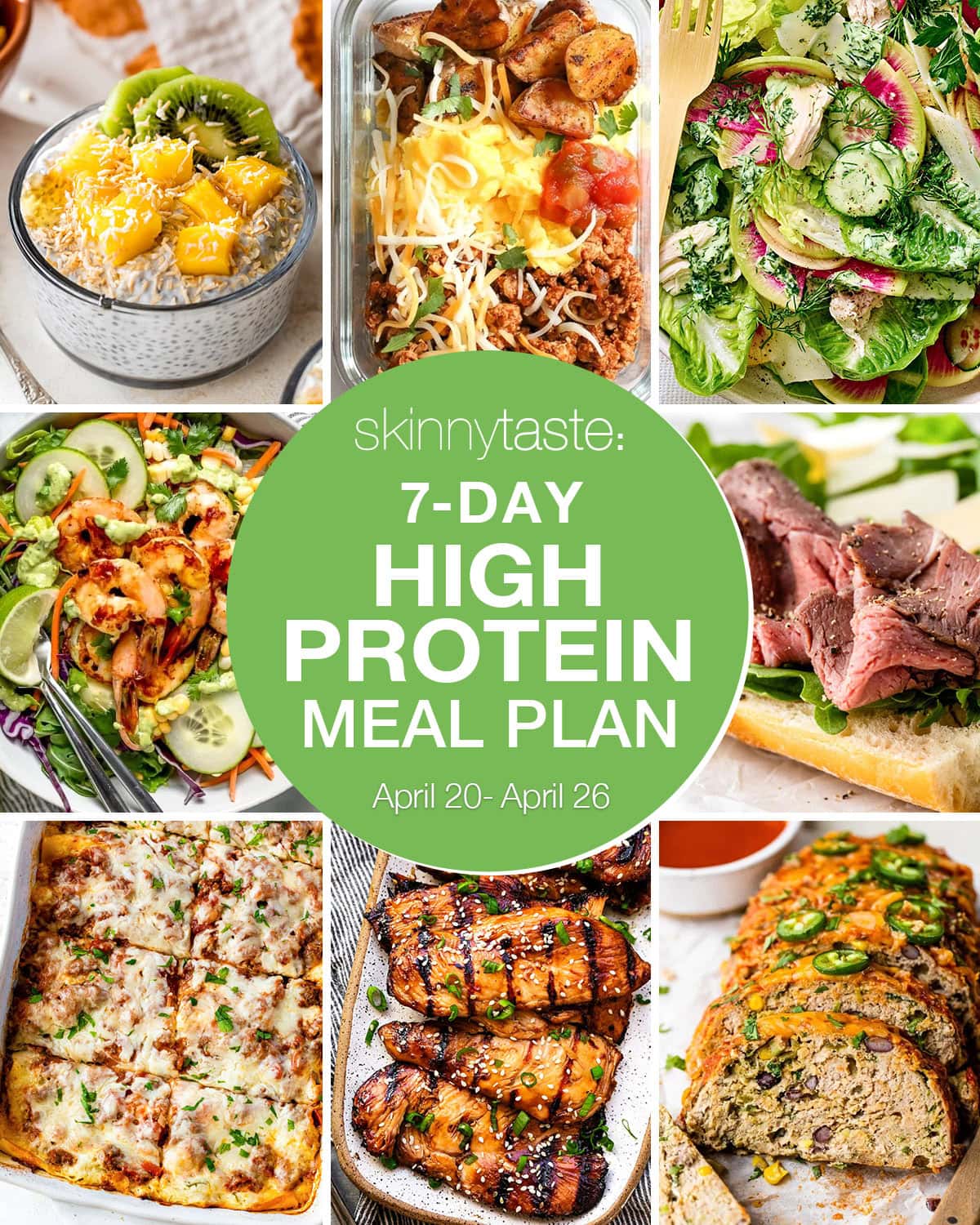
Embracing the High-Protein Approach
The emphasis on a high-protein diet is rooted in its widely recognized benefits for health and fitness. Protein plays a crucial role in the body, serving as the building blocks for muscles, bones, skin, and hair. Beyond its structural functions, protein is vital for producing enzymes, hormones, and other body chemicals. A key advantage often cited by proponents of high-protein diets is its impact on satiety. Protein takes longer to digest compared to carbohydrates and fats, leading to a prolonged feeling of fullness. This can be particularly beneficial for individuals aiming for weight management, as it can help reduce overall calorie intake by curbing hunger and preventing impulsive snacking.
Furthermore, adequate protein intake is essential for muscle protein synthesis, the process by which the body repairs and builds muscle tissue. This is especially important for athletes and individuals engaged in regular physical activity, as it aids in recovery and muscle growth. For those seeking to maintain or increase muscle mass, particularly as they age, protein becomes an even more critical nutrient, helping to combat sarcopenia, the age-related loss of muscle mass and strength.
The psychological benefits of a high-protein diet are also frequently highlighted. The sustained energy levels and reduced hunger pangs can contribute to a more positive mood and greater focus, diminishing the likelihood of succumbing to cravings for sugary or fatty foods. This can lead to a more stable energy profile throughout the day, avoiding the energy spikes and crashes often associated with diets high in refined carbohydrates.
A Look at the 7-Day Meal Plan
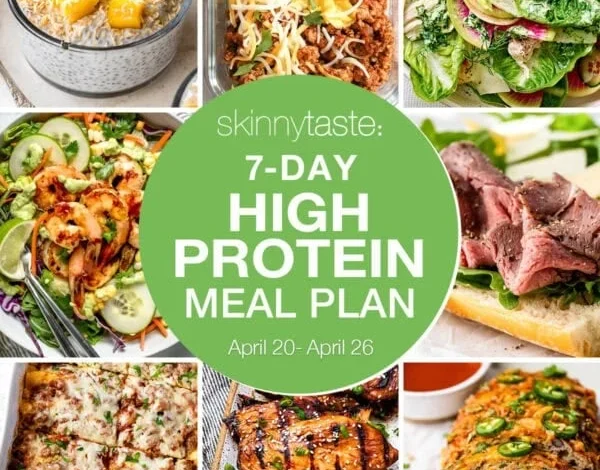
The provided 7-day high-protein meal plan offers a diverse range of dishes designed to be both nutritious and appealing. The plan is carefully curated to ensure a balance of macronutrients and micronutrients, with each meal meticulously detailed.
Monday: The week kicks off with a Whipped Cottage Cheese Bowl for breakfast, a protein-rich and quick option. Lunch features a Greek Goddess Caesar Salad with Chicken, served with a portion of baguette, offering a fresh and flavorful start. For dinner, the plan proposes Tofu Poke Bowls, a plant-based protein option that is both healthy and satisfying. The estimated total for Monday is 1,410 calories with 121.5 grams of protein.

Tuesday: Breakfast remains the Whipped Cottage Cheese Bowl, maintaining consistency and ease. Lunch is a repeat of the Greek Goddess Caesar Salad with Chicken, utilizing leftovers. The evening meal consists of Enchilada Turkey Meatloaf, accompanied by Instant Pot Black Beans and Garlic Mashed Potatoes, promising a hearty and flavorful dinner. This day’s estimated intake is 1,434 calories with 130.5 grams of protein.
Wednesday: Breakfast transitions to a Strawberry Banana Smoothie blended with nonfat plain Greek yogurt, providing a nutrient-dense and portable option. Lunch leverages the leftovers from Tuesday’s dinner, offering convenience. Dinner is a classic Lasagna, served with an Arugula Salad. This meal is designed to yield enough for two servings, with half reserved for Thursday. The projected intake for Wednesday is 1,479 calories and 123.5 grams of protein.
Thursday: The Strawberry Banana Smoothie is again the breakfast choice. Lunch features a Tuna White Bean Salad, a protein-packed and easy-to-prepare option. Dinner utilizes the leftover Lasagna and Arugula Salad from Wednesday. Thursday’s estimated figures are 1,372 calories and 123.5 grams of protein.
Friday: The Strawberry Banana Smoothie continues as the breakfast staple. Lunch is the Tuna White Bean Salad again, ensuring efficiency. The week culminates with a delicious Chili Lime Air Fryer Salmon, accompanied by Avocado Mango Salsa and Cilantro Lime Rice. This meal provides a vibrant and healthy end to the weekday. Friday’s estimated intake is 1,434 calories with 125 grams of protein.
Saturday: The weekend begins with Tropical Chia Pudding for breakfast, with the recipe scaled for two servings. Lunch offers a Spicy Thai Shrimp Salad, also for two. The evening is designated for Dinner Out, allowing for flexibility and social engagement. Saturday’s projected intake is 725 calories with 46 grams of protein, reflecting the "Dinner Out" component.
Sunday: Breakfast is a Breakfast Taco Scramble, a savory and protein-rich start. Lunch consists of Roast Beef Sandwiches with Arugula and Shaved Parmesan, with the recipe scaled for four servings, served with strawberries. The week concludes with Asian Grilled Chicken, paired with Edamame Fried Rice and Grilled Asparagus, providing a flavorful and well-rounded family meal. Sunday’s estimated intake is 1,367 calories with 126 grams of protein.
The asterisk next to the daily calorie counts indicates that these are approximations, and the creator emphasizes that these plans are a guide, allowing for the addition of extra foods, beverages, fruits, snacks, and desserts to meet individual caloric needs, which typically should aim for around 1500 calories per day for women.
Navigating Nutritional Updates and Tools
A notable aspect of this meal plan is its integration with Weight Watchers (WW) points. The creator acknowledges that WW has introduced new point systems and zero-point foods, such as oatmeal. While it may take time to update all existing recipes, a significant portion of recipes from 2018 onwards have been updated. Crucially, every recipe on the site is linked to the WW Recipe Builder, which can be accessed via a mobile phone, ensuring that users automatically receive the most current point values.
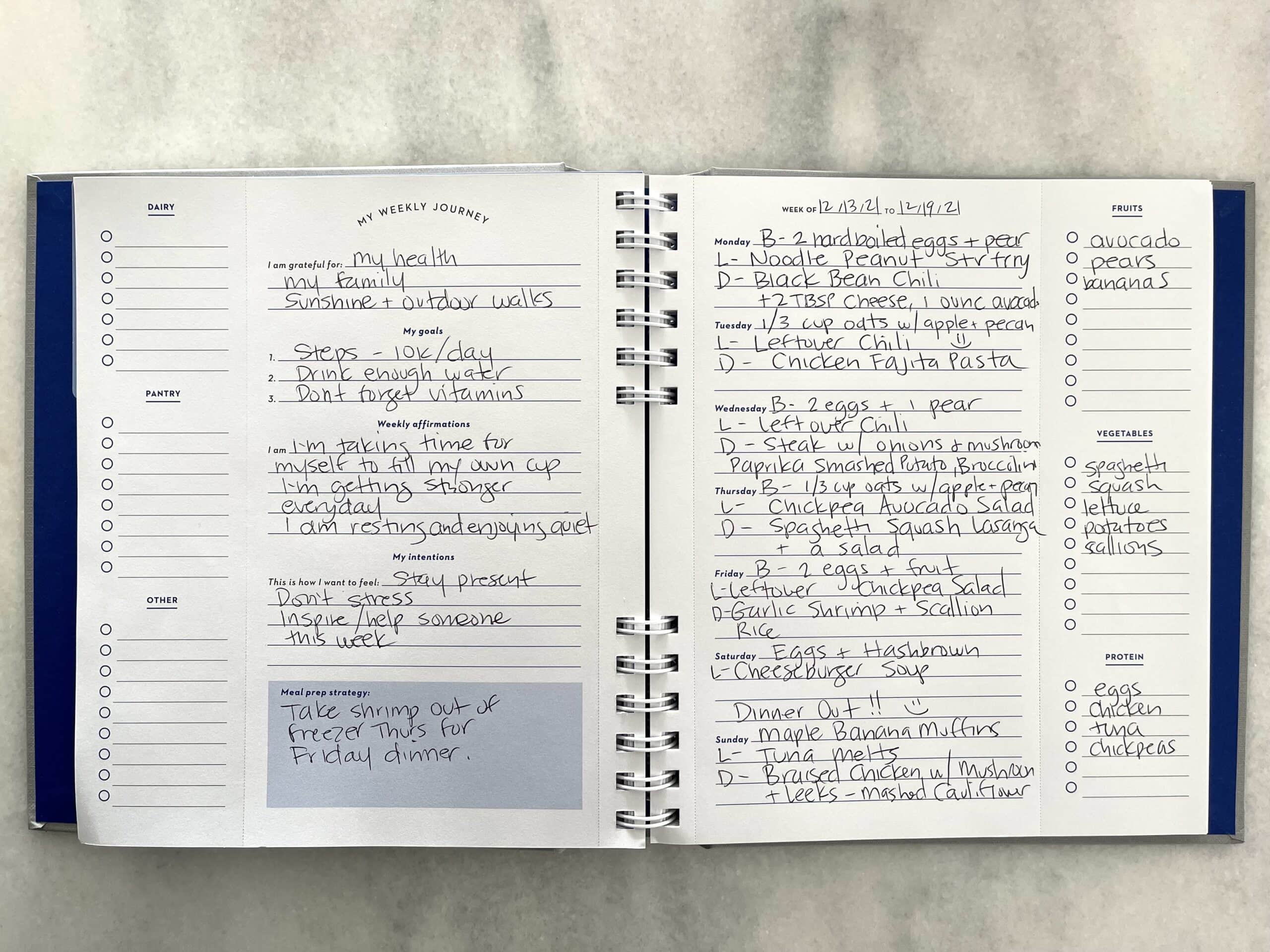
Beyond the specific meal plan, the creator offers additional resources to support a healthy lifestyle. The Skinnytaste Ultimate Meal Planner is a 52-week spiral-bound planner designed to facilitate weekly meal planning. It includes tear-out meal planning grids, a 12-week meal plan, 30 recipes (15 of which are new), and tear-out grocery lists. It also incorporates sections for gratitude, affirmations, and intentions, aiming to provide a holistic approach to planning and well-being.
For those who wish to connect with a community of like-minded individuals, a dedicated Skinnytaste Facebook Community is available, where members share photos of recipes they are preparing and exchange ideas. Subscribing to the email list is also recommended to ensure that no future meal plans or updates are missed.
The Broader Implications of High-Protein Eating
The growing popularity of high-protein diets reflects a broader societal trend towards prioritizing health and wellness through nutrition. As research continues to elucidate the multifaceted benefits of protein, from muscle maintenance and weight management to cognitive function and hormonal balance, dietary plans that emphasize this macronutrient are likely to remain in high demand.
The availability of structured meal plans like the one presented here democratizes access to such dietary approaches. By providing concrete recipes, shopping lists, and nutritional information, these resources empower individuals to make informed choices and implement healthier eating habits without requiring extensive nutritional knowledge or the constant need for professional guidance.
However, the emphasis on consulting healthcare professionals for personalized advice cannot be overstated. Individual nutritional needs are complex and influenced by a multitude of factors, including genetics, health status, lifestyle, and personal preferences. While general guidelines and meal plans can be highly beneficial, they should ideally be integrated into a personalized health strategy developed in conjunction with qualified professionals.
The inclusion of Weight Watchers points further broadens the appeal of this meal plan, catering to a significant segment of the population that utilizes this popular weight management program. The ability to seamlessly integrate these recipes into the WW system ensures that users can track their progress effectively and stay within their established point goals.
In conclusion, this 7-day high-protein diet meal plan serves as a valuable resource for individuals looking to enhance their nutritional intake and embrace a healthier lifestyle. By offering a well-rounded selection of recipes, practical tools, and important health considerations, it aims to empower users on their journey towards greater well-being, demonstrating the potential of protein-centric eating when approached with knowledge and personalized care.