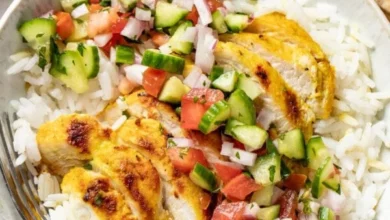
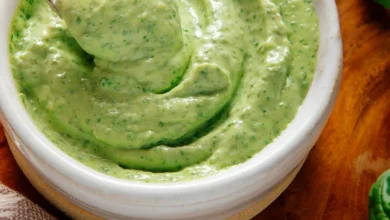
Peruvian Roasted Chicken with Aji Verde Sauce: Recreating NYC’s Iconic Pollo a la Brasa at Home

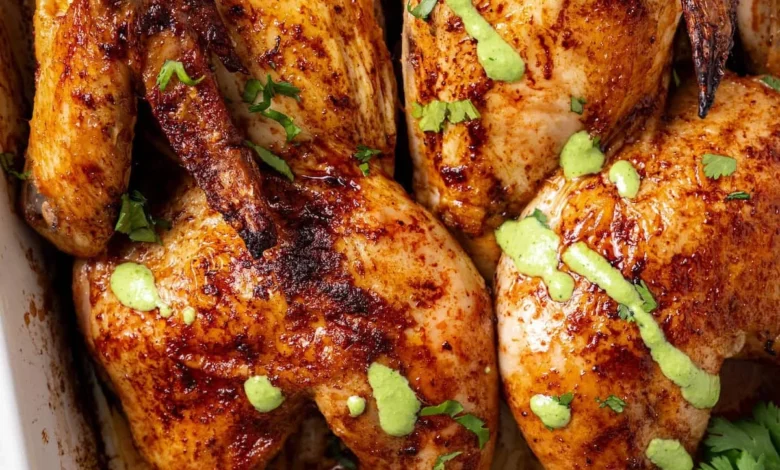
The global culinary landscape has increasingly embraced the bold, aromatic flavors of Latin American comfort food, with Peruvian cuisine standing out as a major beneficiary of this gastronomic appreciation. Among the most exported and beloved culinary traditions from the Andean nation is pollo a la brasa, or Peruvian rotisserie chicken. Renowned for its intensely savory, herb-infused marinade, exceptionally juicy meat, and signature golden, crispy skin, this dish has captured the international palate. In North America, particularly within the vibrant food scene of New York City, establishments like Pio Pio have elevated the dish to legendary status. For home cooks looking to replicate this restaurant-quality experience without specialized commercial rotisserie equipment, culinary experts have developed accessible oven-roasted adaptations that rival the original charcoal-grilled versions.
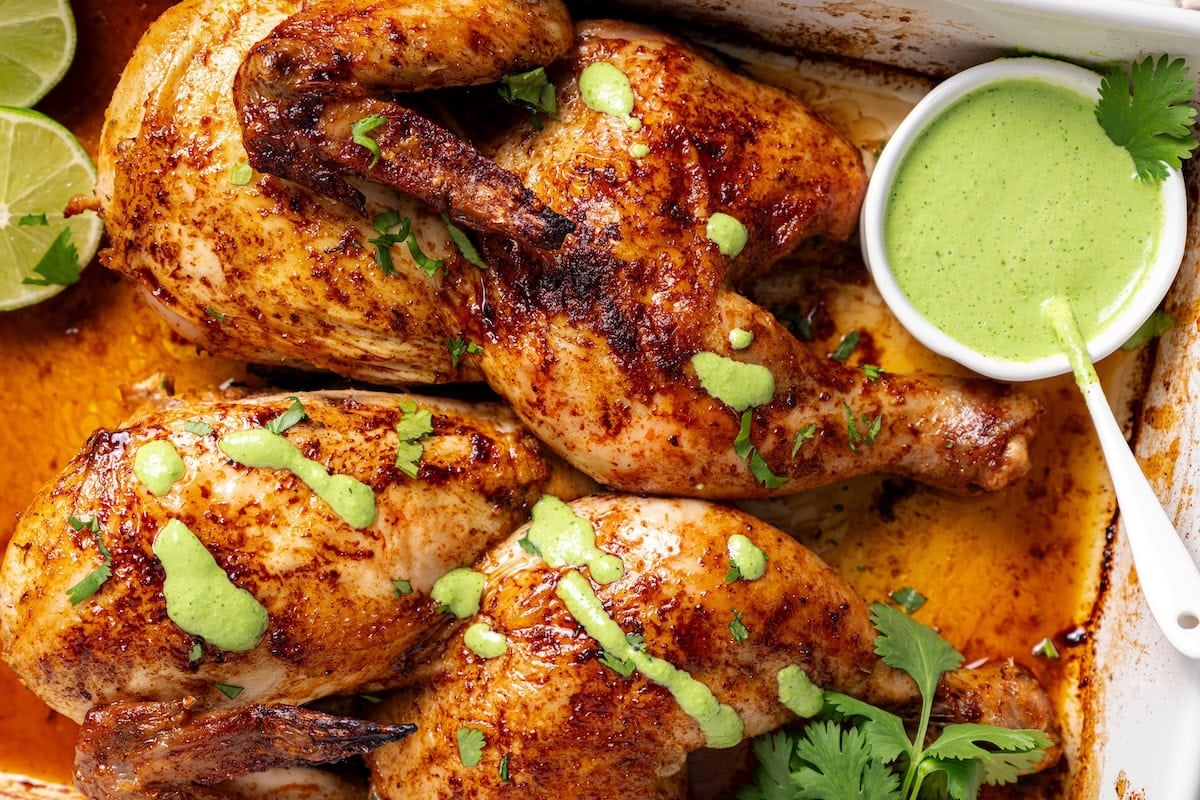
Origins and Cultural Significance of Pollo a la Brasa
The history of pollo a la brasa dates back to the 1950s in the suburbs of Chaclacayo, Peru, where Swiss expatriates Roger Schuler and Franz Ulrich began experimenting with roasting chickens on mechanized spits over charcoal fires. Seasoned primarily with a simple yet potent blend of salt, pepper, garlic, and local spices, the dish quickly gained popularity due to its accessibility and universally appealing flavor profile. Over the decades, the recipe evolved, incorporating regional ingredients such as aji panca (a mild Peruvian red pepper), cumin, soy sauce, and fresh herbs, reflecting a fusion of European, Andean, and Asian culinary influences.
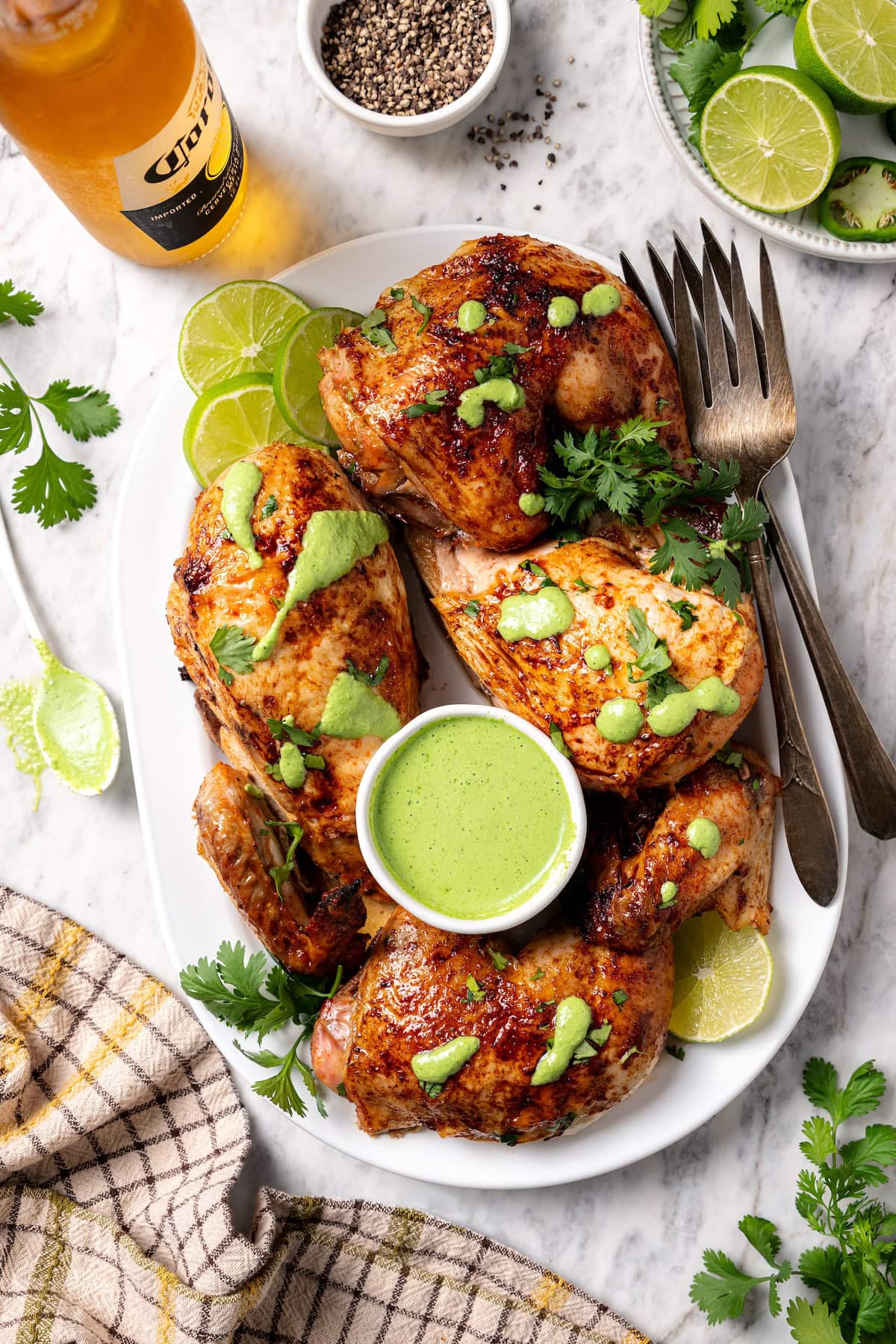
In the United States, particularly across metropolitan areas with dense immigrant populations, Peruvian chicken restaurants became cultural touchstones. In New York City, institutions like Pio Pio transformed the humble roasted chicken into a dining destination, drawing crowds with the intoxicating aroma of charcoal smoke and the magnetic appeal of their proprietary condiment: aji verde, a creamy, vibrant, and mildly spicy green sauce. Recreating this dining experience in a standard home kitchen has long been a pursuit for culinary enthusiasts. While traditional preparation relies heavily on open charcoal flames and specialized rotating spits, modern recipe development has proven that home cooks can achieve comparable textures and flavor profiles utilizing standard kitchen appliances, provided proper technique and precise marination methods are applied.
Culinary Techniques: Mastering the Oven-Roasted Method

Achieving restaurant-quality results in a home oven requires addressing the primary limitation of domestic cooking appliances: the absence of intense, radiating charcoal heat and constant rotation. Culinary developers have addressed this challenge through targeted preparation techniques, primarily focusing on bird configuration and extended marination.
Rather than roasting a whole, intact chicken—which can lead to uneven cooking and soggy skin on the underside—experts recommend butterflying or halving the bird. This adjustment exposes a greater surface area of the skin to the direct heat of the oven, facilitating optimal rendering of subcutaneous fat and resulting in a uniform, golden-brown crust. Furthermore, splitting the chicken allows the aromatic marinade to penetrate the flesh more effectively.

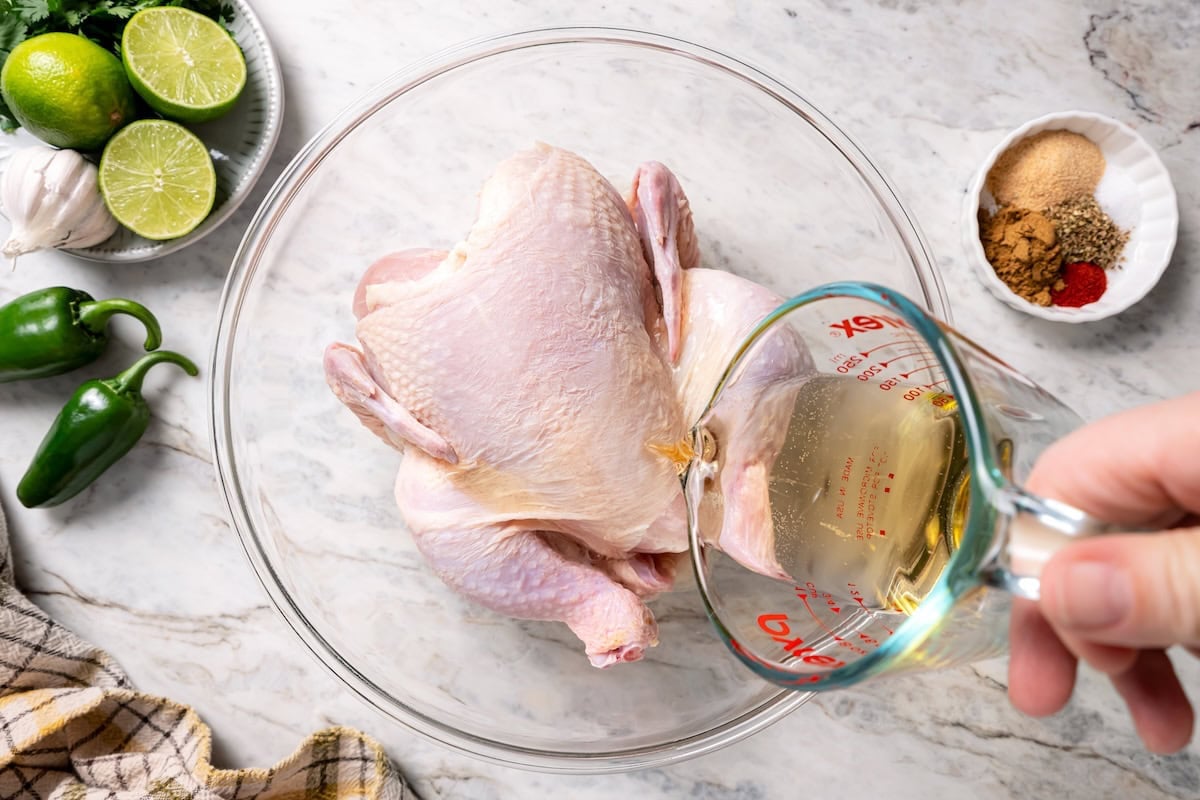
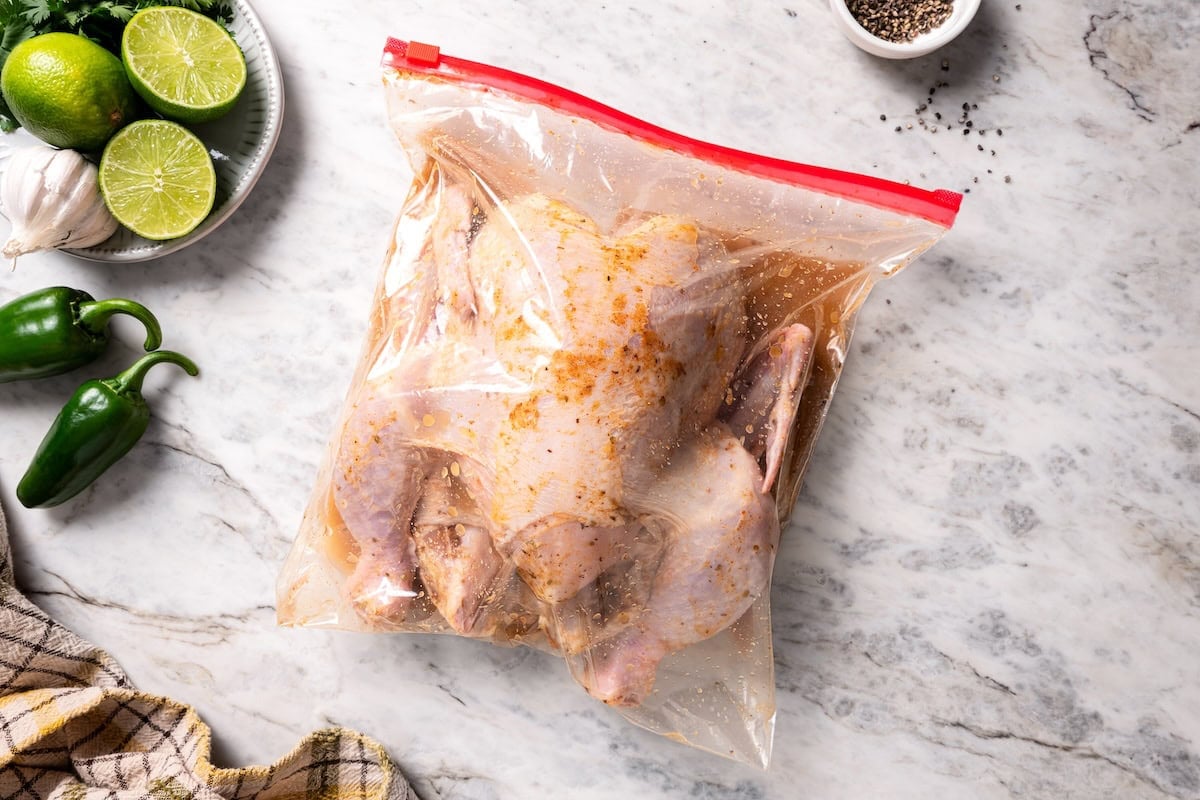
Marination is a critical variable in the preparation process. Standard culinary protocols recommend a minimum marination window of six hours, with overnight refrigeration yielding the optimal balance of flavor infusion and moisture retention. The acidic components in the marinade, typically derived from citrus juices or vinegar, gently break down surface proteins, while sodium ions from salt penetrate the muscular tissue, enhancing the bird’s natural water-holding capacity during the high-heat roasting phase.
Anatomy of the Marinade and the Indispensable Aji Verde
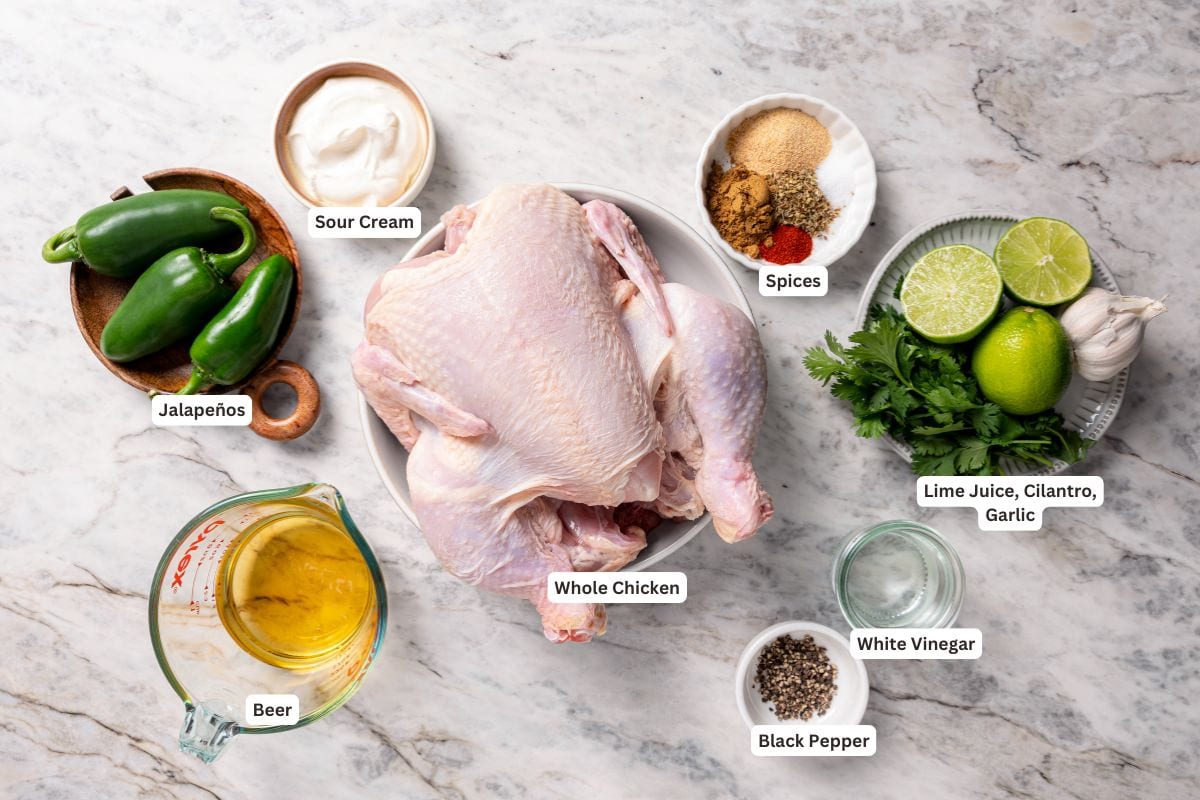
The foundational flavor profile of authentic Peruvian chicken relies on a precise balance of savory, acidic, and aromatic elements. The marinade typically combines neutral cooking oils with heavy concentrations of minced garlic, dark soy sauce (which contributes umami and color), ground cumin, paprika, dried oregano, and fresh lime juice. This paste is meticulously worked beneath the skin and across the exterior of the chicken to ensure even seasoning.
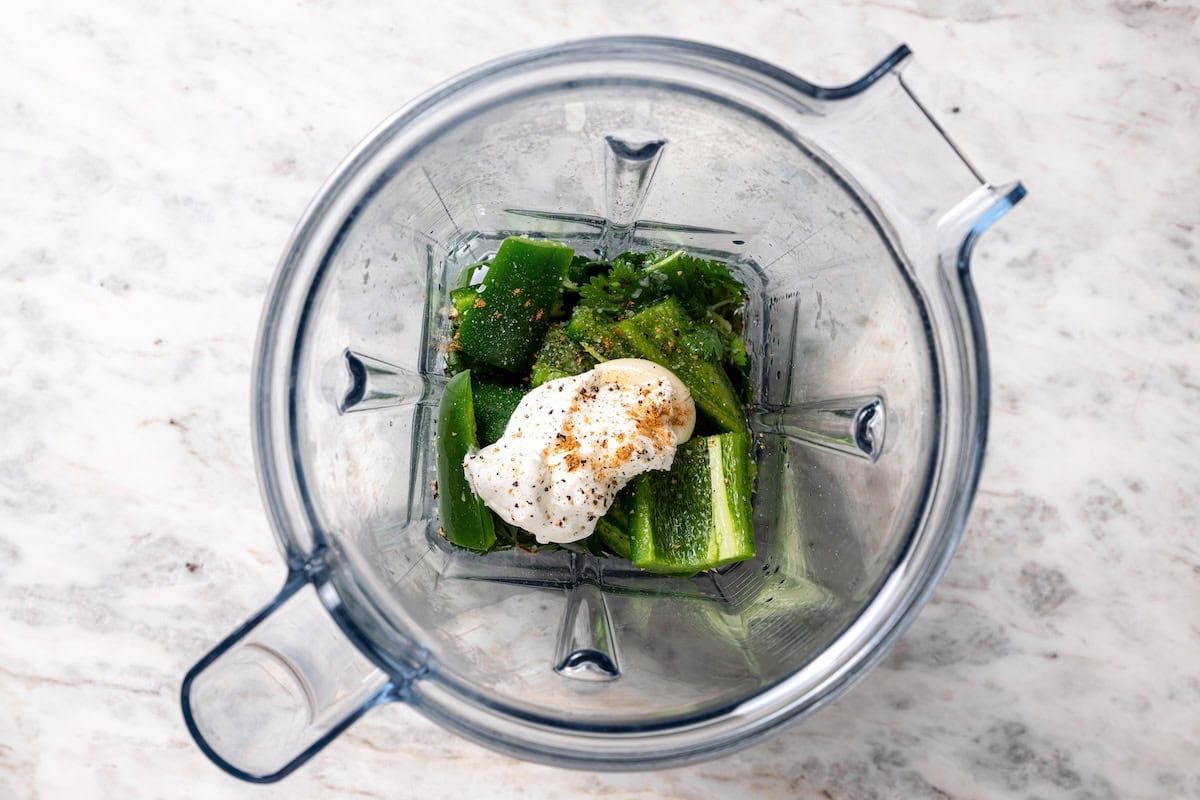
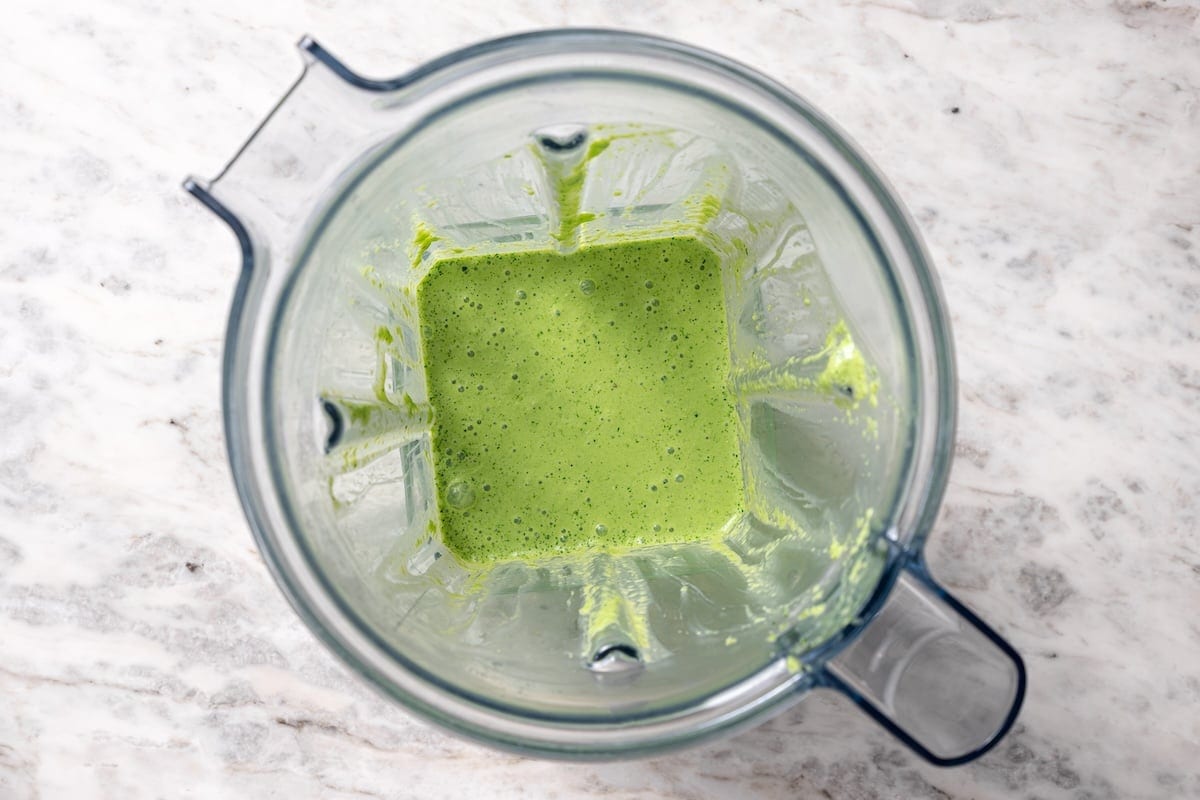
Equally important to the dining experience is the accompaniment: aji verde, or Peruvian green sauce. While commercial restaurants guard their specific recipes as proprietary secrets, the fundamental composition of the condiment is well-documented. It centers around fresh jalapeño or serrano peppers for heat, copious amounts of fresh cilantro, garlic, mayonnaise or Greek yogurt for creaminess, cotija or parmesan cheese for depth, and a splash of lime juice or vinegar for brightness. The ingredients are emulsified in a food processor or blender to create a velvety, vibrant green sauce that serves as both a condiment for the chicken and a versatile dip for starches, vegetables, and grains.
Nutritional Profile and Dietary Considerations
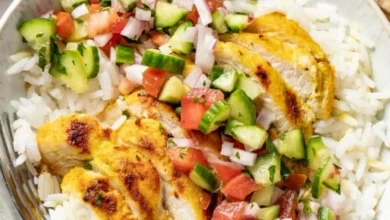
From a nutritional standpoint, oven-roasted Peruvian chicken offers a favorable macronutrient profile, particularly for individuals adhering to high-protein or lower-carbohydrate diets. Standard nutritional analyses, based on a four-ounce portion of roasted chicken breast complete with skin and a quarter-serving of homemade aji verde sauce, estimate the total caloric intake at approximately 335 kilocalories.
The dish provides roughly 34 grams of high-quality protein, which supports muscle maintenance and metabolic function. Carbohydrate content remains low, typically hovering around 5 grams per serving, derived primarily from the fresh aromatics and dairy components in the green sauce. Total fat content is measured at approximately 17 grams, with a favorable balance of monounsaturated and polyunsaturated fats stemming from the plant-based oils and emulsifiers used in the preparation. Sodium levels are moderate, averaging 265 milligrams per serving, making it a viable option for individuals monitoring their daily salt intake without sacrificing culinary complexity.
Alternative Cooking Methods: Adapting for the Grill
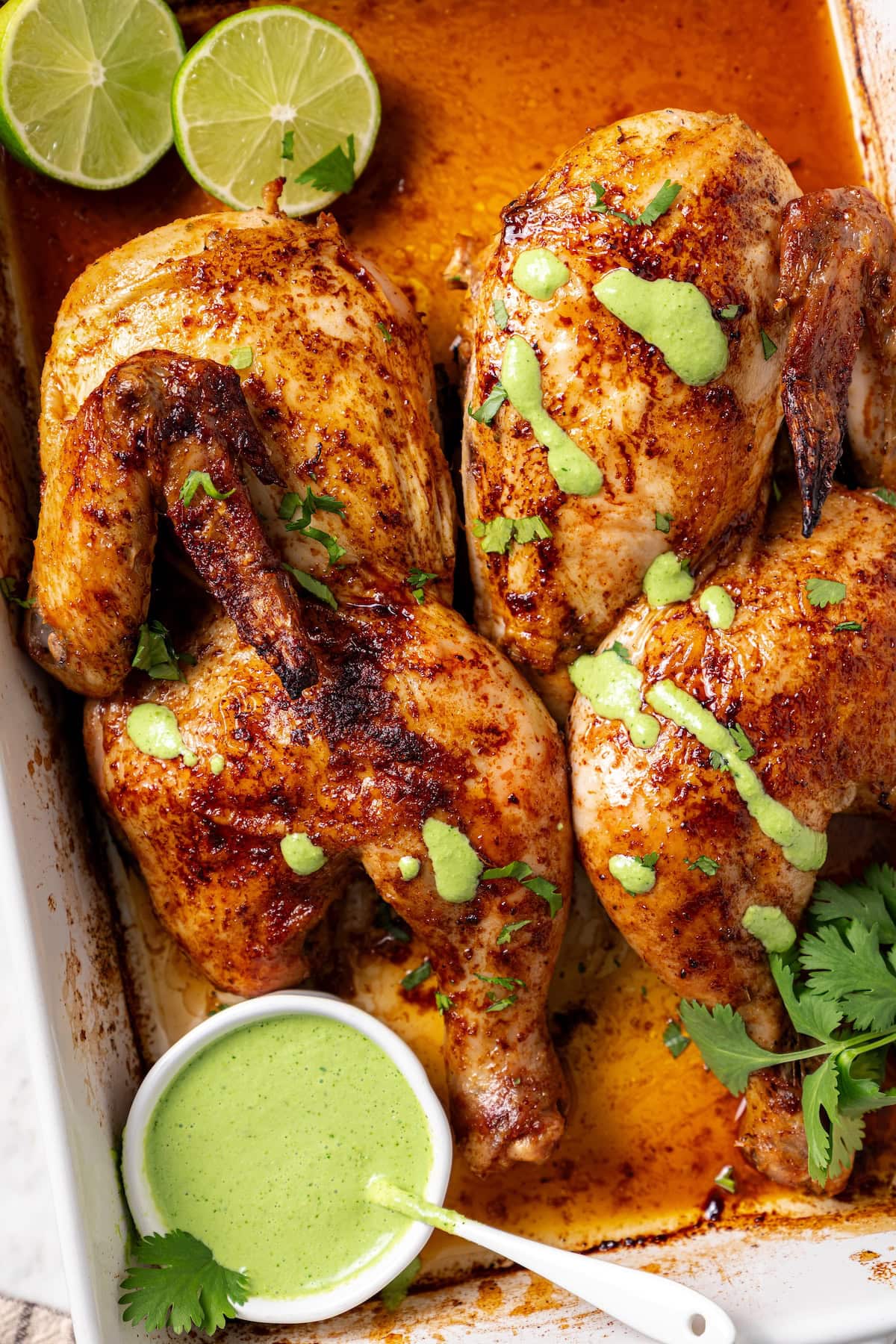
While the oven-roasted technique offers convenience and consistent temperature control, many home cooks have successfully adapted the recipe for outdoor charcoal or gas grills. Grilling introduces the characteristic smoky flavor profile that defines traditional pollo a la brasa.
To execute this method effectively, chefs recommend breaking the whole chicken down into individual anatomical pieces—breasts, wings, thighs, and drumsticks—prior to marinating. Pre-portioning ensures that smaller cuts do not overcook while denser sections reach the required internal temperature. Grilling over indirect heat, followed by a brief sear directly over the coals, replicates the char and crispness associated with commercial rotisserie preparation.
Food Safety and Verification Standards
Regardless of the cooking method employed, adherence to strict food safety guidelines is paramount when preparing poultry. Culinary authorities emphasize the use of an instant-read digital thermometer inserted into the thickest part of the breast and thigh, ensuring the probe does not contact bone. The chicken is deemed safely cooked when internal temperatures reach 165 degrees Fahrenheit (74 degrees Celsius).
Following the thermal cooking phase, a mandatory resting period of five to ten minutes is required. During this window, residual heat dissipates, and muscular fibers relax, allowing the internal juices to redistribute evenly throughout the meat rather than escaping onto the carving board. This step ensures maximum tenderness and moisture retention upon serving.
Storage, Shelf Life, and Versatility of Leftovers
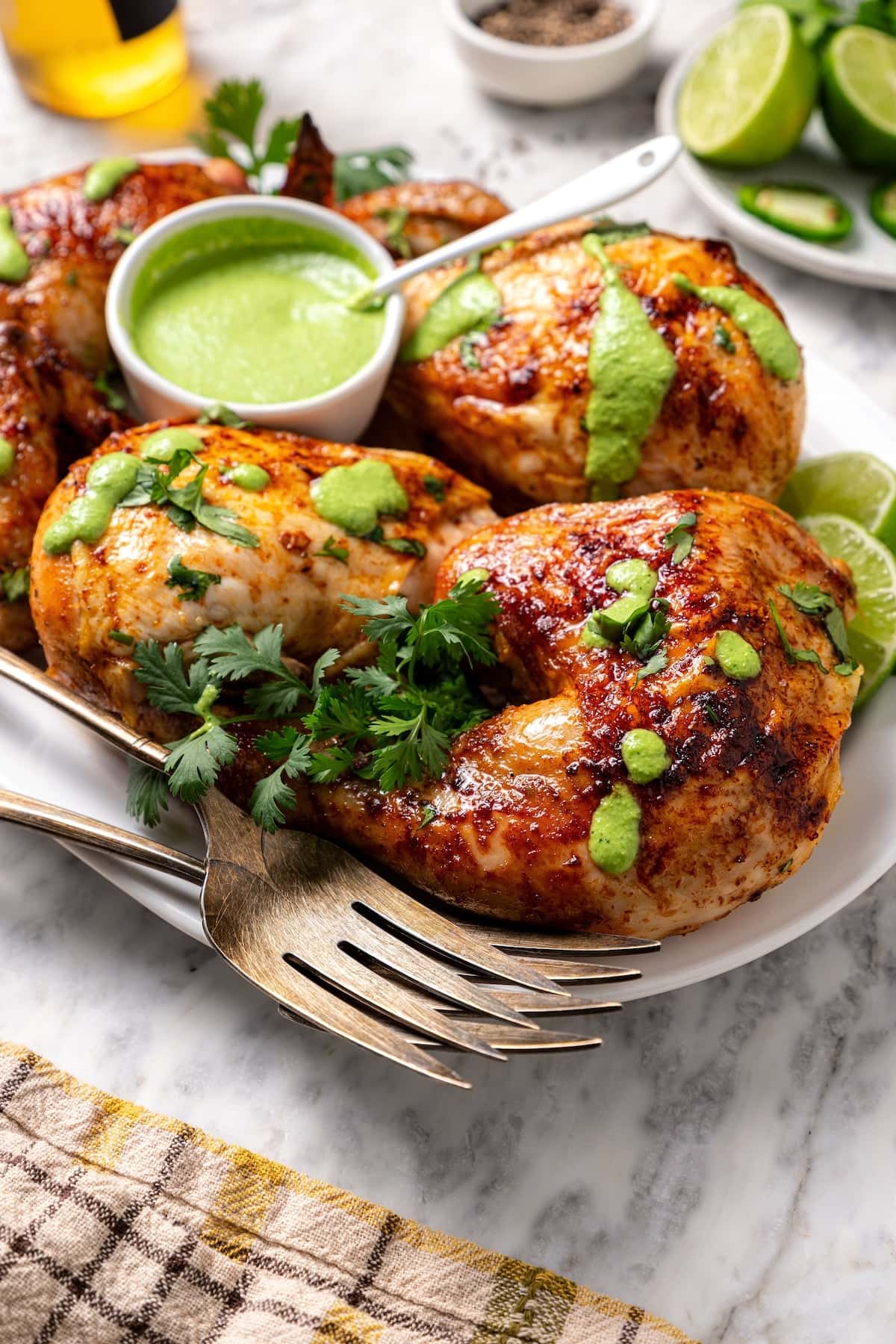
Leftover Peruvian roasted chicken and aji verde sauce exhibit strong culinary longevity when stored properly. Cooked chicken can be maintained in an airtight container within a refrigerated environment for three to four days. Reheating should be executed gently—preferably in a toaster oven or conventional oven at a moderate temperature—to restore the crispness of the skin without drying out the interior meat.
The aji verde sauce, possessing an acidic base, can be refrigerated for up to one week. Beyond its pairing with roasted poultry, the green sauce functions as a versatile condiment capable of elevating a wide array of dishes. Home cooks frequently utilize leftover aji verde as a dip for roasted root vegetables, a dressing for grain and sweet potato bowls, a spread for wraps and tacos, or an accompaniment to grilled seafood and steak.

Broader Culinary Impact and Accessibility
The widespread popularity of recipes that replicate regional specialties like Pio Pio’s roasted chicken highlights a broader trend in contemporary home cooking: the democratization of international comfort food. Through accessible ingredient substitutions and adapted home-kitchen techniques, complex restaurant-style dishes are increasingly within reach of the average consumer. This culinary cross-pollination not only broadens domestic palates but also fosters a deeper appreciation for the cultural heritage and traditional cooking methods of South America, ensuring that iconic global flavors continue to find a welcoming place in kitchens worldwide.