New Clinical Trials Show THC-Based Medication Significantly Reduces Severe PTSD-Related Nightmares and Restores Sleep for Trauma Survivors

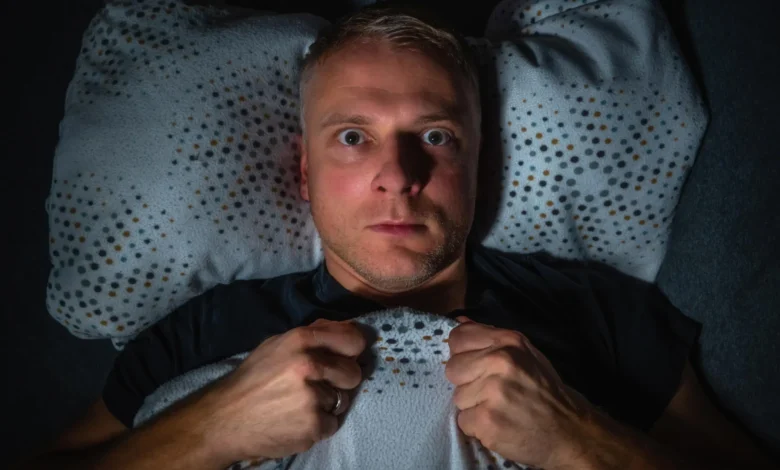
Post-traumatic stress disorder (PTSD) remains one of the most complex and debilitating psychiatric conditions confronting modern medicine. Affecting millions worldwide, the disorder can develop after an individual endures or witnesses catastrophic events such as natural disasters, combat operations, severe accidents, physical assault, or other life-threatening episodes. Among the most psychologically taxing and persistent symptoms of PTSD are nocturnal disturbances, specifically vivid, recurring nightmares that force patients to mentally relive their trauma in high-definition detail night after night.
These episodes do more than disrupt rest; they generate profound physiological stress responses, provoke severe chronic sleep deprivation, and frequently induce a psychological dread of sleep itself. For decades, clinicians have struggled to manage these trauma-induced nightmares. Standard pharmacological interventions—including various antidepressants and hypertension medications—frequently yield limited efficacy, targeting general mood regulation or hyperarousal while leaving nighttime trauma reliving largely unmitigated. Furthermore, many jurisdictions lack approved pharmaceutical therapies specifically indicated for trauma-related nightmares.
Seeking to bridge this significant therapeutic gap, a prominent collaborative team of researchers led by Charité – Universitätsmedizin Berlin launched a rigorous clinical investigation into whether a prescription drug containing tetrahydrocannabinol (THC), the primary psychoactive compound derived from the cannabis plant, could safely and effectively alleviate these debilitating nocturnal symptoms. Published in the peer-reviewed journal Nature Medicine, the landmark study revealed that more than half of the trial participants responded positively to the THC-based treatment, with over one-third reporting the complete cessation of their nightmares.
Understanding the Neurological Mechanics of Trauma and Sleep
To comprehend the significance of this new therapeutic approach, researchers emphasize the need to examine how trauma physically alters brain function. When individuals experience profound terror or life-threatening danger, the brain’s neural circuits responsible for threat assessment and emotional regulation can become overwhelmed. Consequently, traumatic memories are often encoded incorrectly, failing to integrate into normal autobiographical memory networks. Instead, these memories remain raw, fragmented, and easily triggered.
This malfunction manifests across both waking hours and sleep cycles. During the day, triggers can provoke sudden flashbacks or severe anxiety. At night, particularly during rapid eye movement (REM) sleep—the intensely active phase wherein the brain typically processes daily experiences, consolidates memories, and regulates emotional responses—individuals with PTSD experience catastrophic intrusion. Their brains repeatedly generate scenarios of the original trauma, causing them to jolt awake in states of acute panic, heart palpitations, and psychological terror.
Prof. Stefan Röpke, a leading researcher specializing in trauma-related disorders at the Department of Psychiatry and Neurosciences on the Benjamin Franklin Campus of Charité, points to the body’s endocannabinoid system as a critical regulatory network. This complex cell-signaling system plays a fundamental role in modulating physiological processes, including sleep cycles, stress responses, and the neurological processing of emotional memories.
"There is evidence suggesting that during REM sleep, THC reduces dream activity and thereby alleviates nocturnal stress responses," Prof. Röpke explained when discussing the pharmacological rationale behind the study. By interacting directly with cannabinoid receptors in the central nervous system, exogenous THC appears to dampen the hyperactive emotional signaling that fuels trauma nightmares, effectively acting as a pharmacological buffer during vulnerable sleep stages.
The Evolution of Cannabinoid Research and Medical Access
The investigation into cannabinoid-based therapies does not exist in a vacuum. Over the past two decades, medical cannabis and its isolated compounds have gained increasing scientific and regulatory acceptance. Plant-derived and synthetic cannabinoids have become established interventions for chronic pain, spasticity associated with multiple sclerosis, and chemotherapy-induced nausea, particularly when conventional first-line treatments fail or produce intolerable adverse effects.
In Germany, the legal landscape surrounding medical cannabinoids shifted dramatically in 2017 with the implementation of the legislative framework commonly known as the "Cannabis for medical purposes" law. This statute significantly broadened the legal access of physicians to prescribe cannabinoid therapies and catalyzed scientific inquiry into broader clinical applications. Capitalizing on this regulatory environment, German researchers designed a gold-standard clinical trial to evaluate Dronabinol—a pharmaceutical-grade formulation of pure THC administered in precise liquid drops—specifically for PTSD-associated nightmares.
Methodology and Clinical Trial Design
To ensure the highest standard of empirical validity, the research team structured a randomized, double-blind, placebo-controlled trial, widely regarded as the scientific benchmark for evaluating pharmacological efficacy.
The study enrolled more than 1,700 screened candidates, ultimately narrowing the cohort to over 170 rigorously diagnosed participants suffering from chronic PTSD accompanied by frequent, severe nightmares. Over a strict ten-week intervention period, participants were randomly assigned to receive either titrated doses of Dronabinol or a visually identical, cannabis-flavored placebo. Both patients and attending healthcare professionals remained blinded to the treatment allocations throughout the duration of the trial, eliminating subjective bias in reporting and evaluation.
Patients administered their respective drops each evening before retiring to bed, allowing researchers to monitor the direct impact of the compound on nocturnal symptomology over an extended temporal window.
Quantitative Findings and Patient Outcomes
At the conclusion of the ten-week trial period, the data demonstrated a statistically significant divergence between the treatment cohort and the control group. Nightmare severity was quantified using a standardized clinical rating scale ranging from zero to eight.
Participants in the Dronabinol group experienced an average reduction in their nightmare burden of 3.7 points. Conversely, the placebo group registered an average decrease of 2.2 points. While a placebo effect is common in psychiatric trials—often driven by patient expectation and regular clinical contact—the margin of difference clearly favored the THC treatment, translating into tangible, life-changing relief for the individuals involved.
"More than a third of the patients treated with Dronabinol reported that they no longer experienced any nightmares after ten weeks," noted Prof. Röpke. "Another 21 percent reported that their nightmare burden had been at least halved. And about five out of six patients in the dronabinol group felt their health had markedly improved."
Despite the profound impact on sleep disturbances, the researchers observed that the cannabinoid’s therapeutic efficacy was relatively localized. Dronabinol did not demonstrate a statistically significant reduction in the broader, daytime symptom clusters of PTSD, nor did it directly resolve accompanying clinical depression. Nevertheless, by effectively breaking the cycle of nocturnal trauma reliving, the treatment enabled participants to achieve restorative, uninterrupted sleep, which forms an essential foundation for overall psychological recovery and daily functioning.
Safety Profile, Tolerability, and Absence of Dependence
A critical concern among clinicians when prescribing THC-based medications involves the potential for psychoactive side effects, cognitive impairment, tolerance, and chemical dependence. However, the trial’s safety data yielded encouraging results.
Throughout the ten-week study, no severe or life-threatening adverse events were attributed to the medication. Mild to moderate side effects—such as transient dizziness, mild headaches, and increased appetite—occurred at a higher frequency among those receiving Dronabinol compared to the placebo group, but these effects were generally well-tolerated and did not necessitate discontinuation of the regimen.
Importantly, when participants abruptly ceased taking their evening doses at the conclusion of the trial, researchers observed no clinical withdrawal symptoms or signs of psychological dependency, addressing a primary apprehension regarding the therapeutic use of cannabinoid compounds in vulnerable patient populations.
Broader Implications and Future Research Directions
The implications of the Charité-led study extend far beyond the immediate findings, signaling a potential paradigm shift in how clinicians approach treatment-resistant symptoms of trauma. Because sleep deprivation exacerbates nearly every facet of mental health disorders, interrupting the feedback loop of PTSD nightmares via targeted endocannabinoid modulation offers a novel pathway for psychiatric pharmacology.
Industry and academic stakeholders have already begun outlining subsequent phases of investigation. Future clinical trials will focus on longitudinal safety and efficacy, assessing whether patients maintain long-term therapeutic benefits over periods extending well beyond ten weeks. Additionally, researchers aim to determine whether continuous administration leads to pharmacological tolerance—a phenomenon wherein the body adapts to the drug, potentially requiring dosage adjustments—or if the initial therapeutic gains remain stable over extended timeframes.
The multi-institutional collaboration underlying this research reflects the growing scope of modern psychiatric investigation. The initiative was spearheaded and coordinated by Charité, with active scientific contributions from the Psychiatric University Clinic of Charité at St. Hedwig Hospital, the University Medical Center Hamburg-Eppendorf, and the Central Institute for Mental Health in Mannheim. Financial and logistical support for the work was provided by Bionorica SE, a pharmaceutical enterprise dedicated to evidence-based phytotherapeutic research.
As regulatory bodies and medical communities continue to evaluate the therapeutic utility of cannabinoids, these findings provide robust, empirically derived justification for the targeted application of THC in neurology and psychiatry. For the millions of trauma survivors worldwide whose nights are defined by fear and exhaustion, this research offers a scientifically grounded beacon of hope, suggesting that relief from the shadows of the past may soon be found in the pharmacology of the endocannabinoid system.