Beyond the Infection: How RNA Overload Sabotages Cellular Powerhouses and Reshapes Our Understanding of Human Disease

In the intricate micro-universe of the human cell, a delicate balance dictates survival. Every second, millions of molecular instructions are synthesized, deployed, translated into functional proteins, and subsequently dismantled to prevent cellular clutter. For decades, the scientific consensus regarding RNA degradation focused primarily on its role in protein synthesis regulation and the elimination of aberrant genetic transcripts. However, groundbreaking research emerging from the Texas A&M College of Veterinary Medicine and Biomedical Sciences (VMBS) has fundamentally shifted this paradigm.
Scientists have uncovered a startling and previously unrecognized threat to cellular integrity: RNA overload. When ribonucleic acid accumulates in excess—whether driven by viral hijacking or intrinsic cellular dysregulation—it directly attacks the cell’s powerhouse, the mitochondria. Published in the prestigious journal Proceedings of the National Academy of Sciences (PNAS), this discovery not only illuminates a clever evolutionary tightrope walked by pathogens like poxviruses, but it also opens urgent new avenues of inquiry into neurodegenerative aging, metabolic disorders, and the continuous optimization of advanced RNA-based therapeutics, including modern mRNA vaccines.
The Main Facts: A Direct Assault on Cellular Energy
At the core of the VMBS study is a counterintuitive biological phenomenon: molecules that are fundamentally essential for life can, in excess, become agents of cellular destruction. Messenger RNA (mRNA) is the vital courier that transcribes genetic blueprints from DNA, carrying instructions to the ribosome to build proteins responsible for structural integrity, enzymatic catalysis, and metabolic regulation. Similarly, double-stranded RNA (dsRNA) frequently manifests during viral replication cycles, acting as a molecular flare that alerts innate immune defenses to foreign intrusion.
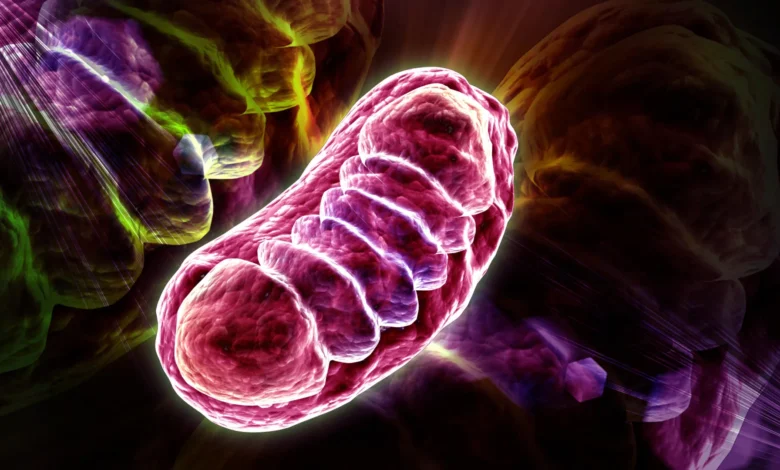
Yet, when cellular cleanup mechanisms—collectively known as RNA degradation pathways—fail to clear these transcripts quickly enough, a catastrophic bottleneck occurs. The accumulation of surplus RNA does not merely create spatial crowding; it directly impairs mitochondria, the microscopic organelles tasked with generating adenosine triphosphate (ATP), the chemical currency that powers virtually all cellular operations.
Led by Dr. Zhilong Yang, a professor in the VMBS Department of Veterinary Pathobiology, and spearheaded by first author Dr. Djamal Brahim Belhaouari, the research team demonstrated that this mitochondrial dysfunction occurs independently of immune system activation. While immunologists have long known that massive viral RNA accumulation triggers inflammatory and defensive pathways that strain host cells, this study proves that RNA can physically and chemically compromise mitochondria on its own terms, disrupting energy production before innate immune alarms are even fully sounded.
The Chronology and Experimental Breakthrough
The path to this discovery unfolded through a meticulous series of biochemical experiments designed to dissect the exact sequence of events during a viral invasion. Historically, virologists and cellular biologists operated under the assumption that cellular stress during infections was a secondary consequence of systemic inflammation or the sheer metabolic weight of viral hijacking.
Initially, Yang’s research team suspected that RNA buildup was damaging mitochondria indirectly through familiar immune signaling pathways. Viral infections famously stimulate pattern recognition receptors that sense foreign nucleic acids, setting off cascades that can exhaust the host cell. However, as the researchers probed deeper into the mechanics of the cellular response, anomalies began to emerge. Mitochondrial failure was consistently observed earlier in the infection timeline than major immune activation markers would predict.
To isolate the variables, the researchers devised a crucial control experiment: they extracted pure, isolated mitochondria from healthy cells in a laboratory environment and introduced concentrated RNA directly to the sample. To the team’s astonishment, the isolated organelles still suffered structural and functional damage.
"When we isolated only the mitochondria and added RNA, we still saw mitochondrial damage," Dr. Brahim Belhaouari recounted. "That was the moment we realized this could be a previously unknown cellular response to RNA."
This breakthrough eliminated the immune system as the mandatory middleman in the injury pathway. It confirmed that RNA itself possesses an intrinsic capacity to disrupt mitochondrial operations when present in pathological concentrations.
Decoding the Mechanism: An Electrical Imbalance
With the direct toxicity of excess RNA established, the research team turned their attention to the underlying physics and chemistry of the interaction. While the precise molecular sequence remains under active investigation, the scientists have proposed a compelling hypothesis rooted in cellular electrochemistry.
Mitochondria operate much like microscopic biological batteries. To generate ATP efficiently, they must maintain a precise electrical and chemical gradient—often referred to as the mitochondrial membrane potential—across their inner membranes. This gradient drives the proton pumps necessary to synthesize energy.
Ribonucleic acid, by its chemical nature, carries a distinct negative electrical charge. The Texas A&M researchers hypothesize that when abnormally high concentrations of RNA accumulate within the restricted cytoplasmic spaces surrounding mitochondria, these dense negative charges interfere with the delicate electrical architecture of the organelle.
"We think the negatively charged RNA may accumulate around mitochondria and disrupt the electrical balance needed for energy production, although how it happens is unknown," Dr. Yang explained. "This is a new concept that we are continuing to explore."
This electrostatic interference depolarizes or destabilizes the mitochondrial membrane, choking off ATP production and plunging the host cell into an energy deficit. For a cell struggling to maintain its basic homeostatic functions, this energetic collapse spells rapid functional decline.
The Evolutionary Dilemma for Viruses
This newly discovered vulnerability creates a fascinating evolutionary paradox for viruses—particularly poxviruses, a formidable family of pathogens that includes the causative agents of smallpox and mpox.
Viruses are obligate intracellular parasites; they possess no independent metabolic machinery and must completely commandeer a host cell’s ribosomes, enzymes, and energy stores to replicate their own genetic material and manufacture viral proteins. To achieve efficient propagation, a virus must generate massive quantities of viral RNA.
However, as the Texas A&M study reveals, producing too much RNA triggers the exact mitochondrial destruction that cuts off the host cell’s energy supply. If the host cell dies of energy starvation or severe metabolic failure prematurely, the virus loses the factory it needs to complete its life cycle.
Consequently, successful viruses have evolved sophisticated countermeasures to walk this tightrope. Poxviruses, for instance, utilize specialized viral and hijacked host RNA cleanup mechanisms to actively trim and degrade excess RNA transcripts. By keeping RNA accumulation below the threshold of mitochondrial toxicity, these pathogens ensure that the host cell remains metabolically viable just long enough for viral replication to reach completion.
"If the cell is not healthy, the virus would not replicate well," Yang noted. "The virus needs to keep RNA levels balanced inside the cell."
Broader Implications: Aging, Neurodegeneration, and Disease
While the primary experiments at Texas A&M focused on the context of viral infection, the implications of RNA-induced mitochondrial damage extend far beyond infectious disease. The scientific community is increasingly recognizing that chronic cellular stress mechanisms often intersect across seemingly unrelated pathological states.
Abnormal accumulation of RNA and related ribonucleoprotein complexes is a pathological hallmark of several devastating human conditions, including various forms of cancer and prominent neurodegenerative disorders such as Alzheimer’s disease, Parkinson’s disease, and amyotrophic lateral sclerosis (ALS). In neurodegenerative conditions, neurons experience progressive functional decline and cellular death, a process heavily driven by chronic mitochondrial dysfunction and energy failure.
If excessive RNA buildup acts as a universal, under-recognized source of mitochondrial stress, it could provide a unifying conceptual link for understanding how cellular trash accumulation contributes to neurodegeneration and the natural processes of biological aging. As cells age, their protein and RNA degradation pathways—such as autophagy and specialized ribonucleases—naturally lose efficiency, leading to the gradual accumulation of macromolecular debris.
"We think this has quite broad translational implications," Dr. Brahim Belhaouari said. "Too much double-stranded RNA or mRNA that cannot be degraded effectively may contribute to disease processes in some contexts."
Further empirical studies are already underway across multiple international laboratories to determine whether this specific RNA-mitochondria axis plays a direct causative role in chronic human pathologies.
Refining RNA Therapeutics and mRNA Vaccines
Beyond basic pathobiology and aging research, the Texas A&M findings offer valuable insights for the rapidly expanding field of RNA-based pharmacology. The triumph of mRNA vaccine technology during recent global health crises demonstrated the immense potential of utilizing synthetic RNA instructions to train the human immune system against infectious targets and oncological threats.
Modern RNA therapeutics work by delivering specific mRNA sequences encapsulated in lipid nanoparticles directly into host cells, prompting transient protein expression. Designing these therapeutics requires a profound understanding of pharmacokinetics at the cellular level—specifically, how cells recognize, process, translate, and eventually degrade introduced RNA transcripts.
While the researchers emphasize that their study does not suggest existing, clinically approved mRNA vaccines cause mitochondrial damage in human populations, understanding the threshold where normal mRNA becomes biologically burdensome is critical for the next generation of drug design. By mapping how cells manage large influxes of RNA, bioengineers and pharmacologists can better optimize formulation dosages, half-lives, and delivery mechanisms to maximize therapeutic efficacy while minimizing unintended cellular stress.
"Understanding this mechanism could help researchers design and optimize future RNA-based therapeutics and vaccines by better understanding how cells respond to large amounts of RNA," Yang concluded.
A Paradigm Shift in Molecular Biology
The discovery by the Texas A&M College of Veterinary Medicine and Biomedical Sciences serves as a humbling reminder of the complexity hidden within biological systems. For generations of scientists, messenger RNA was viewed primarily through the lens of utility—a passive courier of genetic information whose only hazard lay in its potential to provoke unwanted inflammatory responses.
By proving that even standard mRNA, when permitted to accumulate beyond regulatory checkpoints, can physically disrupt the cell’s energetic core, this research redefines the boundaries of cellular homeostasis. It highlights RNA degradation not merely as a housekeeping chore, but as an absolute physiological necessity for preserving life’s energy supply. As researchers continue to untangle the electrostatic and biochemical mysteries connecting nucleic acids to mitochondrial membranes, the medical field moves one step closer to mastering the delicate balance between cellular life, viral hijacking, and chronic disease.