Combatting the Modern Slump: An 8-Minute Targeted Yoga Flow to Reverse Daily Desk Posture

In an era defined by prolonged sedentary behavior and remote work structures, maintaining ergonomic alignment has emerged as a persistent physiological challenge for millions of adults. Extended hours spent hunched over desktop computers, mobile devices, and steering wheels have accelerated the prevalence of postural syndromes, commonly characterized by rounded shoulders, a forward head carriage, and weakened posterior chain musculature. To address this widespread occupational hazard, certified yoga instructor Taylor Lorenz, known professionally as Taylor’s Tracks, has developed an explicit, eight-minute targeted yoga sequence designed to realign the spine, open the chest, and counteract the physical toll of continuous sitting.
The physiological consequences of chronic slouching extend far beyond aesthetic concerns. According to ergonomic researchers and orthopedic specialists, sustained forward flexion of the thoracic spine places excessive mechanical stress on the cervical vertebrae, intervertebral discs, and surrounding supporting musculature. Over time, this chronic muscular imbalance can lead to tension headaches, diminished lung capacity due to restricted chest expansion, and chronic neck and back discomfort. Public health data indicates that musculoskeletal disorders account for a significant percentage of lost productivity and workplace absenteeism globally. Consequently, somatic interventions that require minimal equipment and time investment—such as targeted micro-flows—are gaining traction among corporate wellness programs and physical therapy clinics alike.
The newly released sequence requires no specialized props beyond a standard yoga mat and a commitment to vertical alignment. Blending elements of vinyasa, hatha, and yin yoga traditions, Lorenz’s protocol systematically guides practitioners through a progression of kneeling, standing, and rotational postures intended to lubricate spinal joints, stretch tight pectoral muscles, and engage dormant stabilizers.
The structured chronology of the eight-minute routine begins on the floor and progressively elevates the practitioner to a standing position, ensuring a safe and methodical warm-up of the central nervous system and muscular framework.
Phase One: Grounding and Spinal Mobility
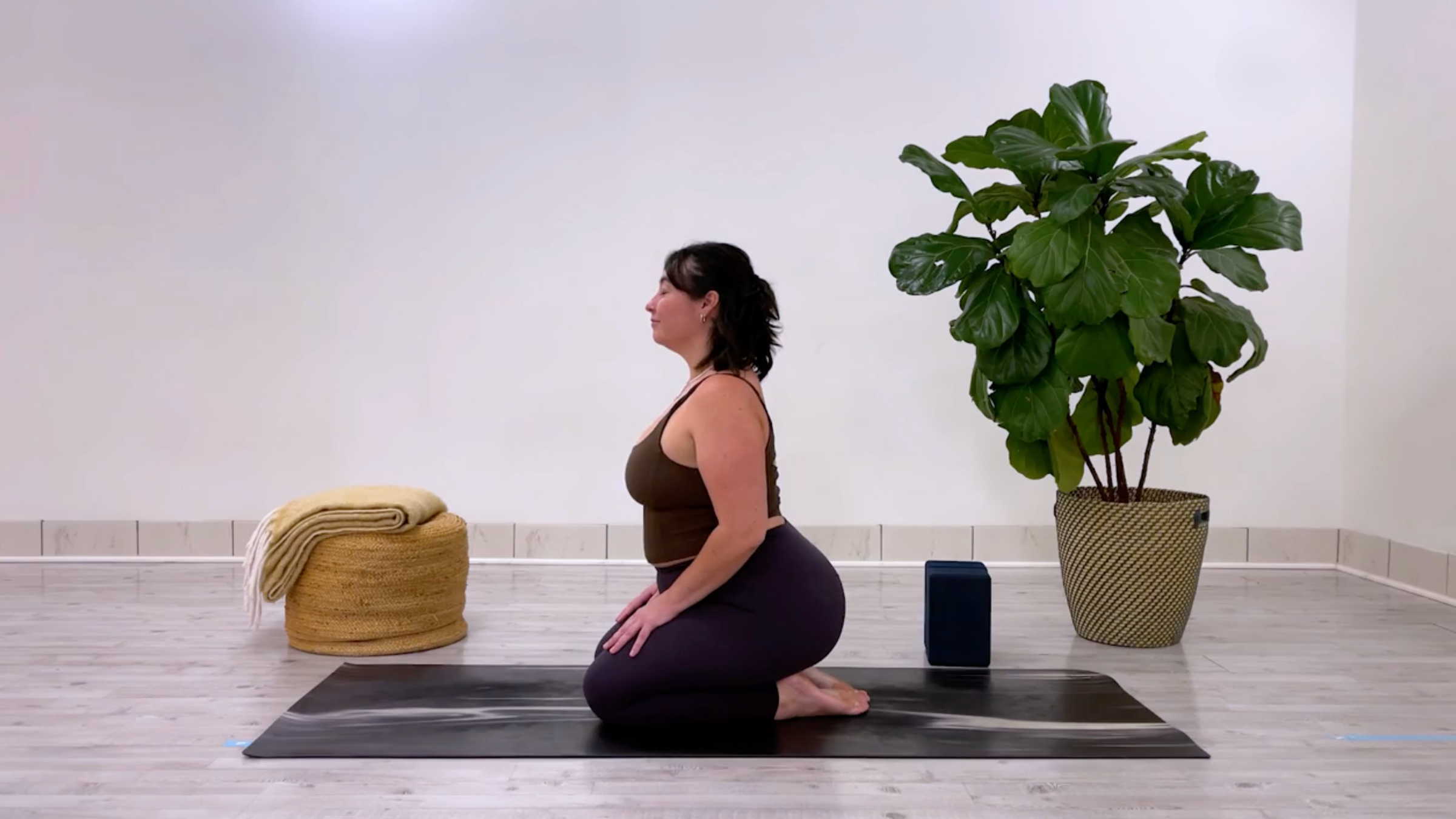
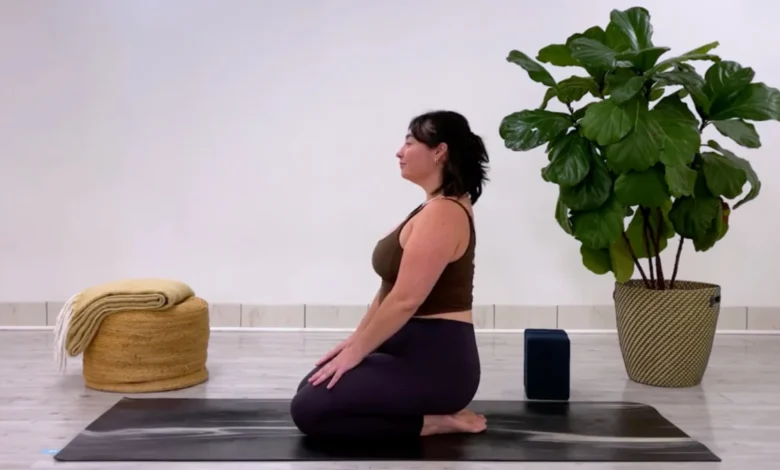
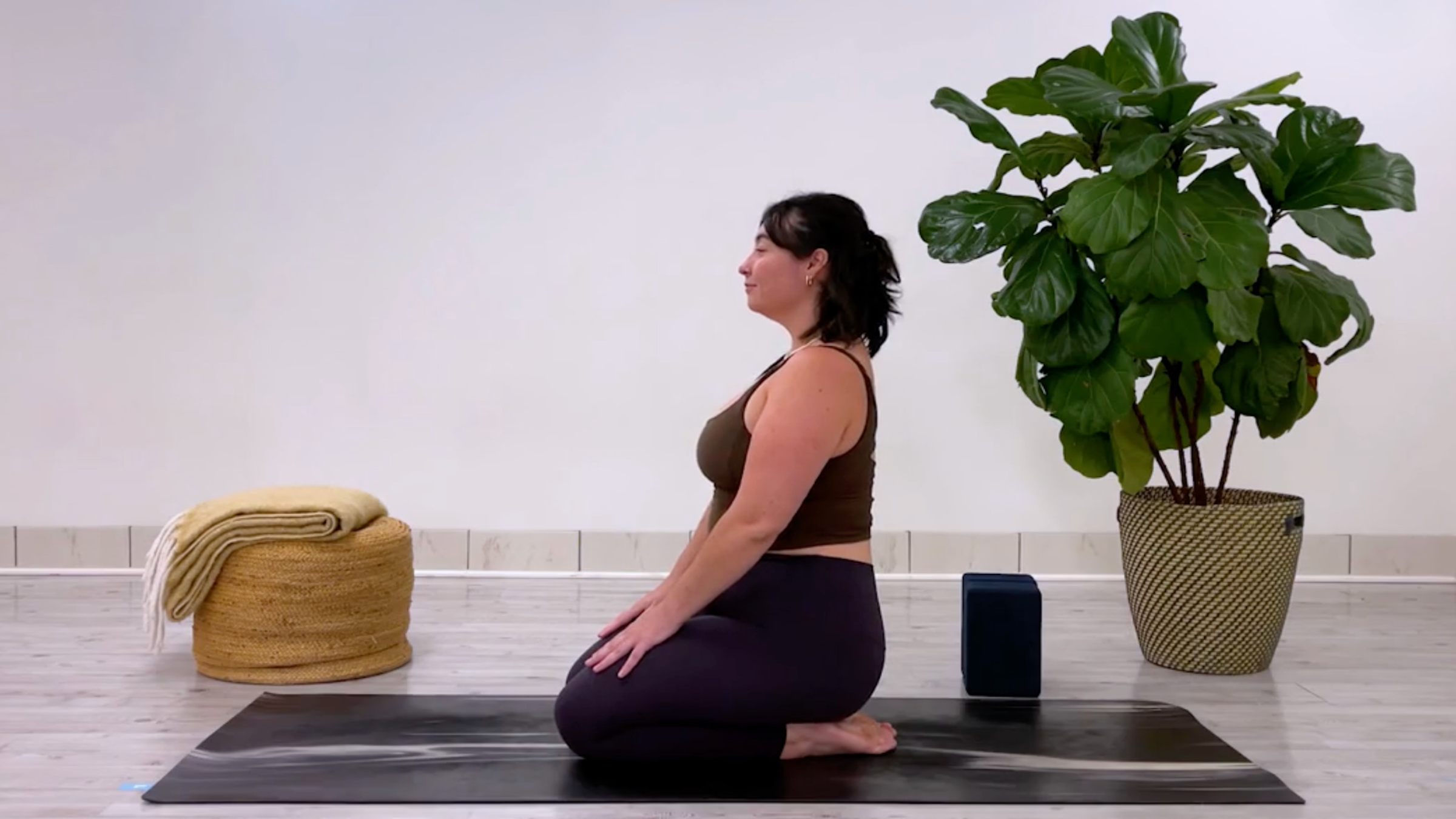
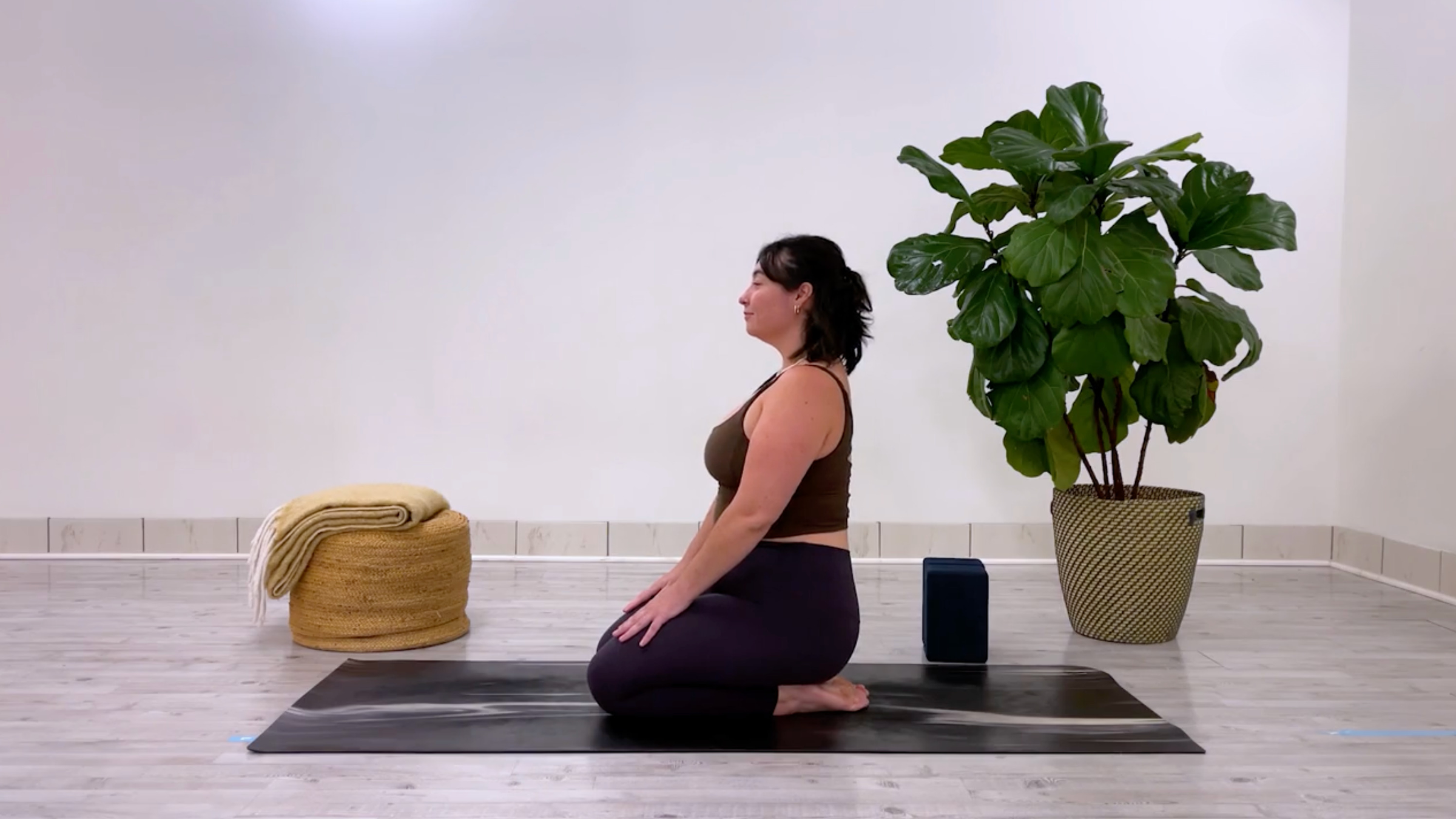
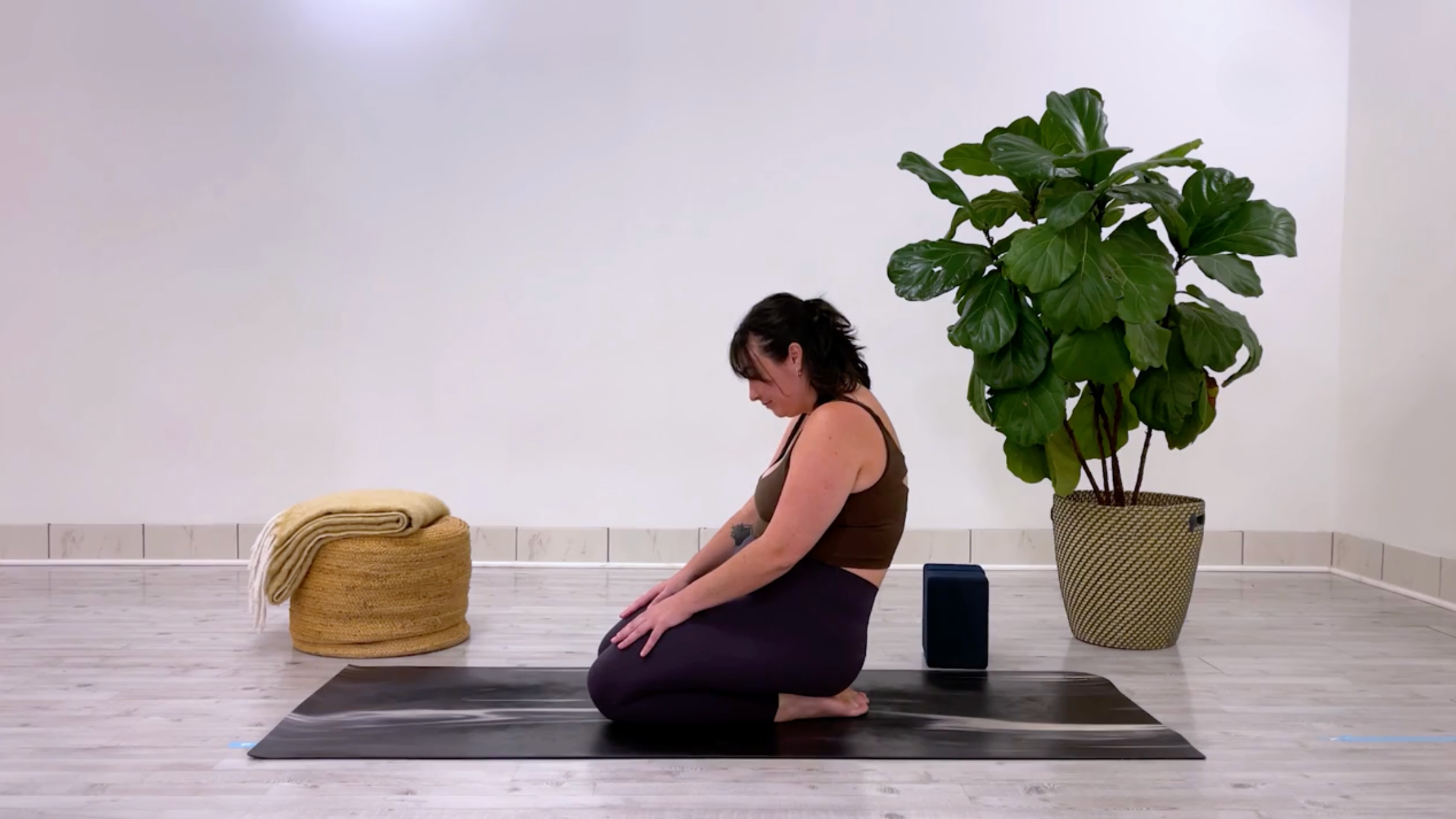
The practice commences in Thunderbolt Pose (Vajrasana), a traditional kneeling posture that encourages internal focus and foundational spinal extension. Practitioners begin by kneeling and sitting back onto their heels with toes tucked, placing their hands gently on their thighs. By visualizing the vertebrae extending directly downward into the supporting earth, participants hold this alignment for five full breath cycles.
This initial grounding transitions immediately into a dynamic pairing of Kneeling Cow and Kneeling Cat poses. Moving in synchronization with the breath, practitioners inhale to arch the spine and draw the shoulders back into Cow Pose, then exhale to round the spine, tuck the chin, and draw the shoulders forward into Cat Pose. This three-repetition wave mobilizes the thoracic vertebrae, preparing the upper back for subsequent opening movements.
Phase Two: Opening the Upper Body and Shoulders
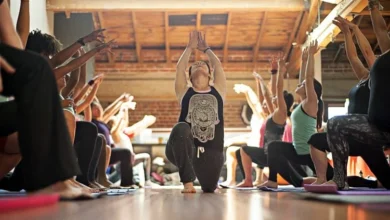
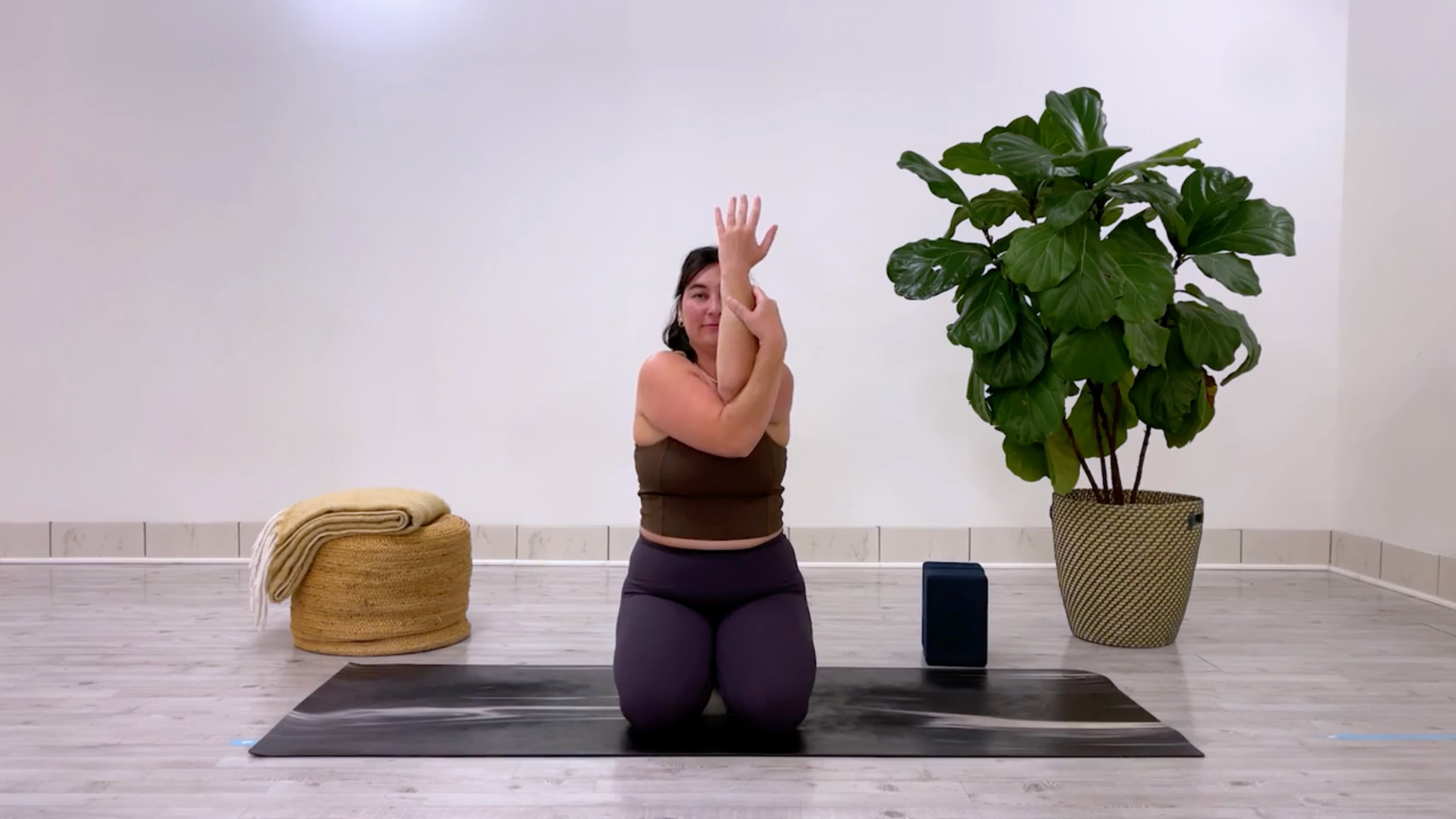
To directly target the anterior chest tightness associated with computer use, the sequence incorporates Eagle Arms and Cactus Arms. Returning to a tall seat, practitioners sweep their arms skyward on an inhalation before crossing the left arm beneath the right, bending the elbows to press palms or forearms together. By tracing three small circles with the elbows in each direction, the practitioner releases tension trapped between the scapulae.
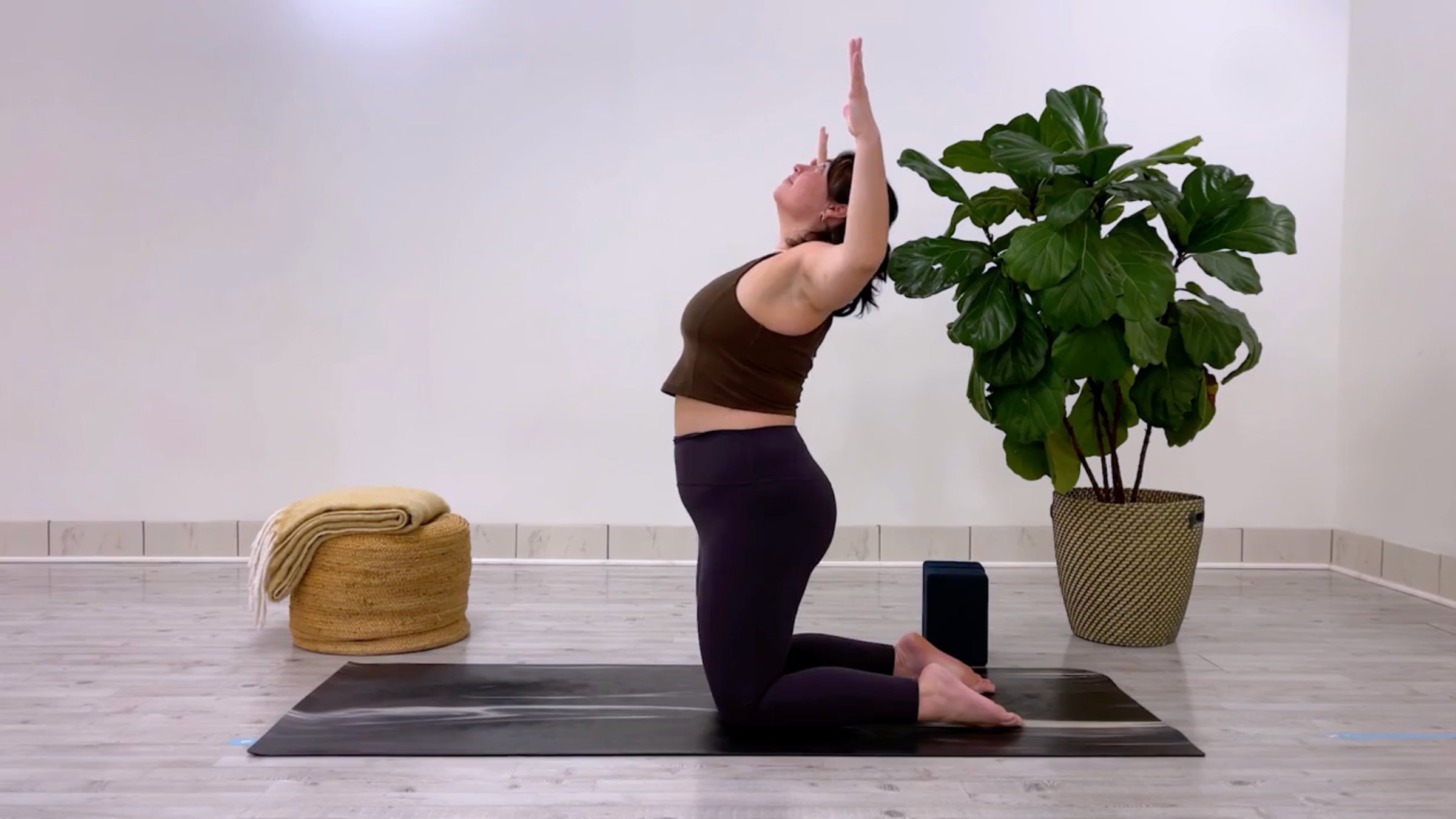
Following this, practitioners rise high onto their knees, sweep their arms back up, and transition into Cactus Arms, executing a gentle backbend that actively stretches the pectoral muscles and reverses the rounded-shoulder posture.
Phase Three: Lower Body Expansion and Rotational Twists
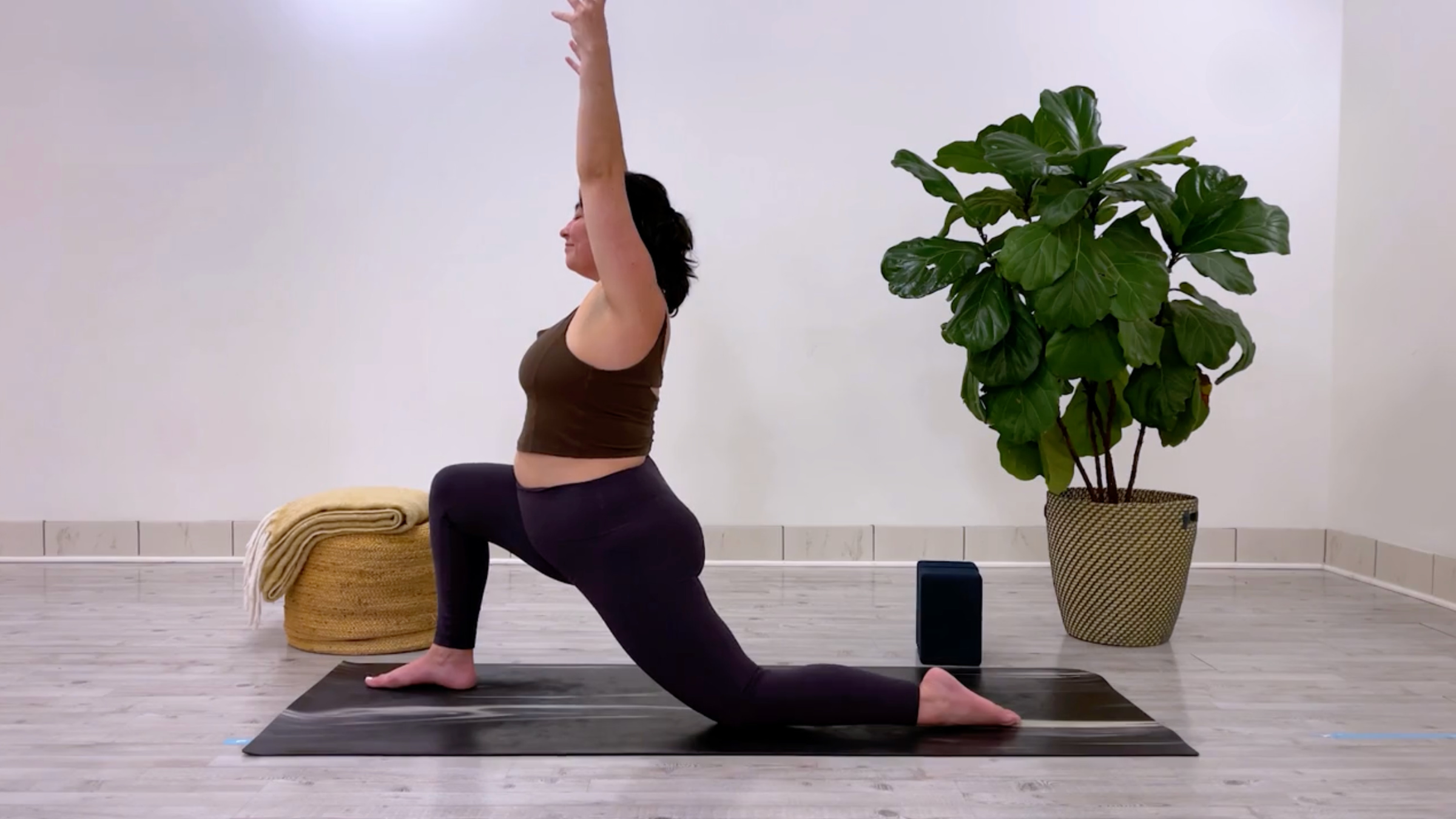
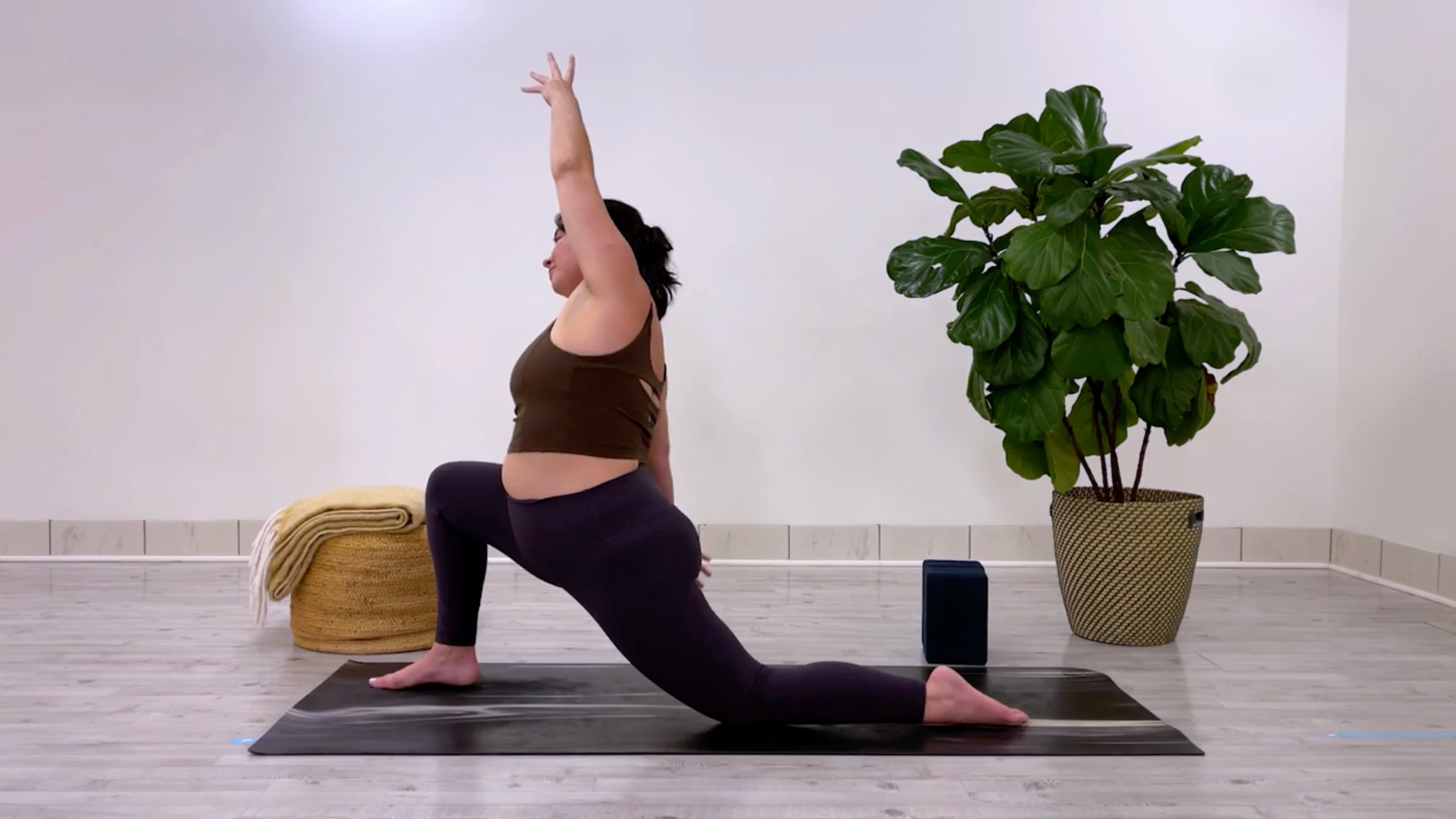
The routine then introduces dynamic lower-body mobility through a Low Lunge (Anjaneyasana). Stepping the right foot forward while reaching the arms upward, the practitioner introduces a lateral dimension by placing the right hand on the right hip and reaching the left arm overhead in a deep side bend.
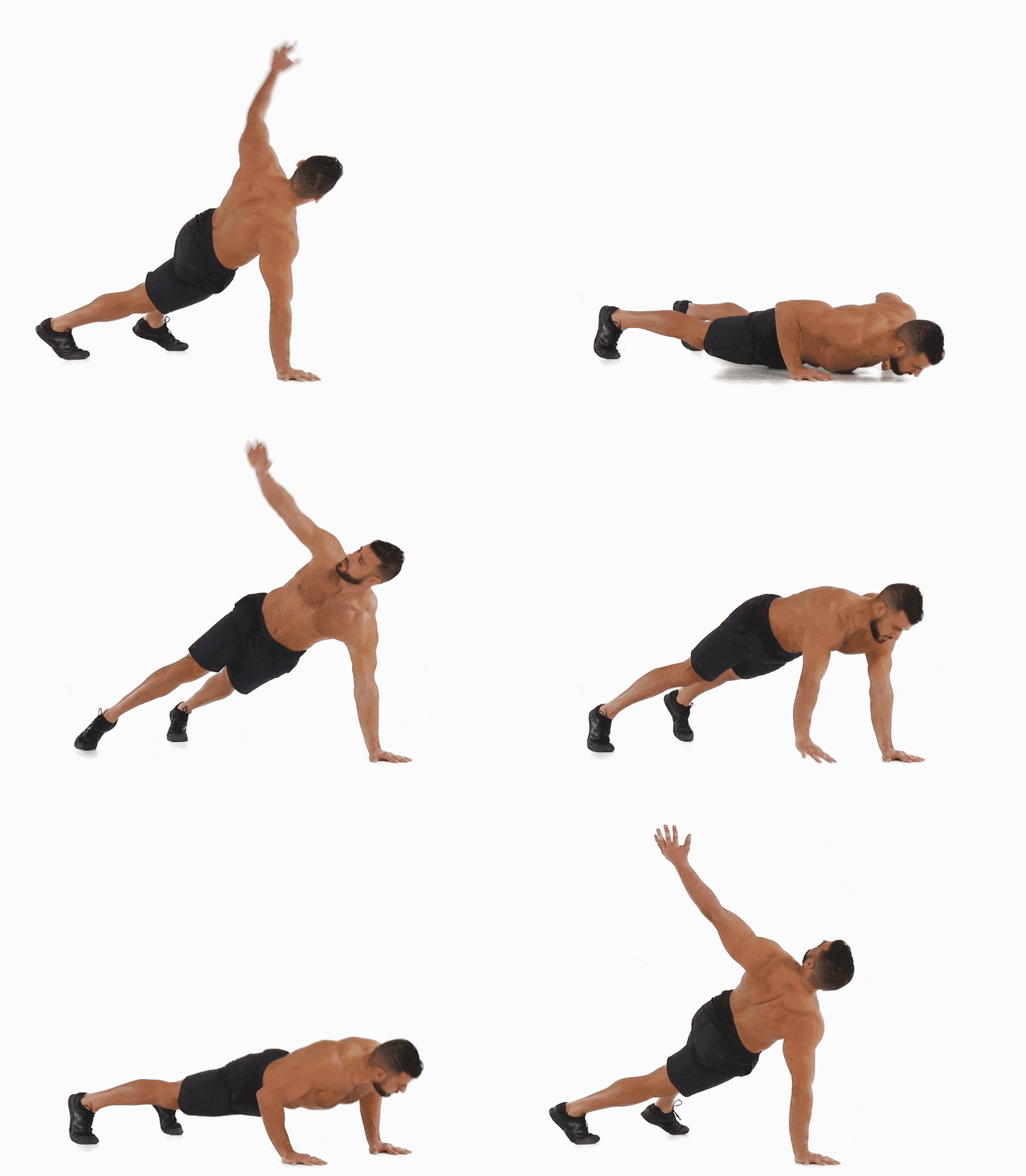
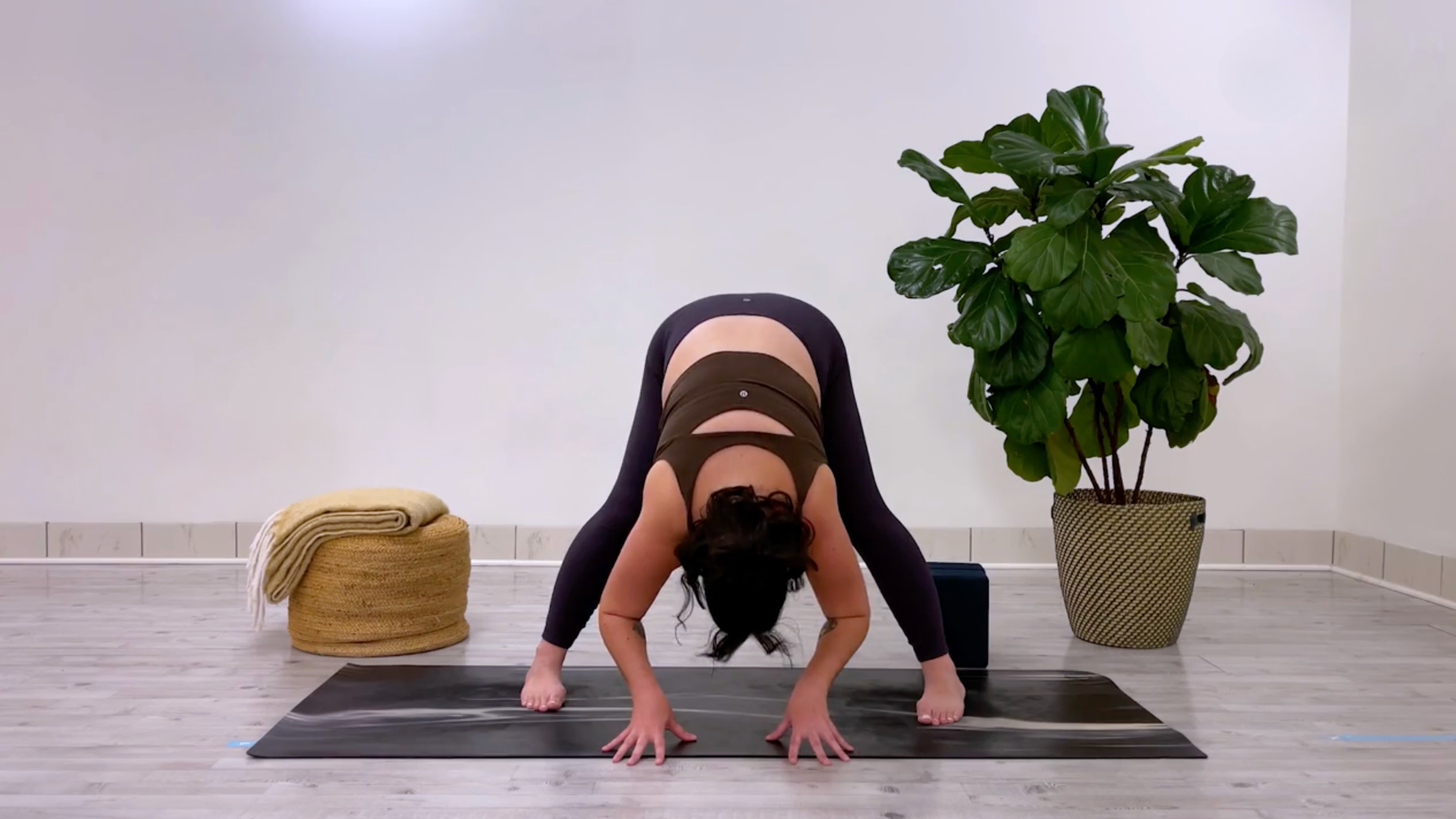
From this lunging position, practitioners pivot toward the long edge of the mat into a Wide-Legged Standing Forward Bend (Prasarita Padottanasana). This position stretches the hamstrings and inner adductors while preparing the spine for the Revolved Wide-Legged Standing Forward Bend. By planting the left hand beneath the face and reaching the right arm toward the ceiling, the practitioner introduces spinal rotation, promoting thoracic mobility before switching sides and transitioning backward into Downward-Facing Dog (Adho Mukha Svanasana) for three restorative breaths.
Phase Four: Standing Integration and Realignment
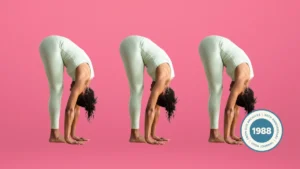
Returning briefly to Thunderbolt pose to reset, practitioners step forward into a Standing Forward Bend (Uttanasana), allowing the torso to dangle while grasping opposite elbows for three breaths to decompress the lumbar spine.
The sequence culminates in Mountain Pose (Tadasana), where practitioners slowly roll up vertebrae by vertebrae, concluding with a series of Standing Side Bends to ensure bilateral symmetry along the lateral lines of the body. The practice closes with a traditional prayer-like gesture at heart center, allowing the practitioner to bow the head toward the fingertips in acknowledgment of their physical investment.
Industry experts and physical fitness analysts have noted that the integration of short, focused movement snacks throughout the workday can yield measurable improvements in musculoskeletal health. While yoga has historically been viewed as an exhaustive, hour-long discipline, contemporary wellness trends increasingly emphasize the efficacy of micro-dosed physical activity. By breaking down complex movement patterns into manageable eight-minute segments, instructors like Lorenz are removing accessibility barriers for busy professionals who report a lack of time as the primary deterrent to regular exercise.
As corporate office spaces continue to evolve and hybrid work models solidify, the burden of postural self-management increasingly falls upon the individual. Medical professionals emphasize that while brief sequences like Lorenz’s posture flow cannot single-handedly eradicate the structural risks of a sedentary lifestyle, they serve as vital prophylactic tools. Regular incorporation of thoracic extension, shoulder retraction, and mindful breathing offers a scientifically grounded defense against the pervasive physical toll of the modern desk environment, empowering individuals to reclaim structural integrity one breath at a time.