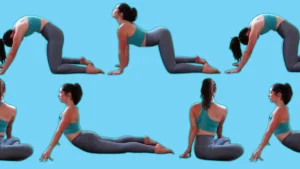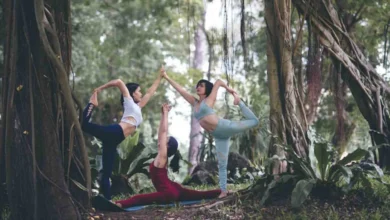
The landscape of modern wellness has shifted dramatically over the last decade, with yoga evolving from a niche spiritual practice into a global fitness phenomenon. To better understand the habits, preferences, and demographics of this growing community, the DoYou Global Yoga Survey was conducted, gathering comprehensive data from 10,982 participants spanning 124 countries. The findings of this survey provide a unique, data-driven window into how contemporary practitioners engage with various schools of yoga, highlighting a clear preference for styles that balance physical exertion with mental clarity.
The Scope and Methodology of the Global Yoga Survey
The DoYou Global Yoga Survey represents one of the most expansive data-gathering efforts of its kind within the fitness industry. By soliciting feedback from over 10,000 individuals, the researchers aimed to move beyond anecdotal evidence and establish a clearer picture of global trends. The data collection occurred over several months, ensuring that the findings captured a diverse array of perspectives from practitioners ranging from novices to seasoned instructors. The primary objective was to categorize the most prevalent styles of practice, providing a benchmark for both studio owners and individual students looking to align their physical goals with the most effective methodologies.
The Ascendancy of Vinyasa Flow
The survey data indicates that Vinyasa Flow is currently the dominant form of yoga, with 57% of respondents identifying it as their primary discipline. The widespread appeal of Vinyasa lies in its inherent adaptability. Unlike static styles, Vinyasa emphasizes the synchronization of breath with movement, creating a "flow" that mimics a cardiovascular workout.

From a physiological standpoint, Vinyasa is categorized as a broad umbrella term that encompasses high-energy disciplines such as Power Yoga and Ashtanga. Its popularity is largely attributed to its ability to satisfy the modern demand for a structured exercise routine that yields immediate physical benefits—increased heart rate, muscle heat, and flexibility—without necessarily requiring a deep immersion into the more esoteric or spiritual components of traditional yoga.
Categorizing the Top Performers
While Vinyasa leads the pack, the survey reveals a diversified market where practitioners prioritize different outcomes based on their specific health goals. The following breakdown summarizes the primary styles reported by participants:
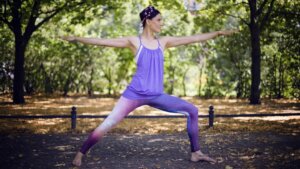
- Hatha Yoga (42%): Often considered the foundational style, Hatha is favored by those seeking a slower pace. By focusing on individual postures held for specific durations, it allows for deep stretching and structural alignment.
- Restorative Yoga (29%): Reflecting a growing societal focus on stress management, Restorative yoga has carved out a significant niche. By using props to support the body, this style facilitates deep relaxation, often serving as a recovery tool for those who engage in high-intensity training.
- Power Yoga (29%): While technically a subset of Vinyasa, respondents distinguished Power Yoga as a separate category, likely due to its heightened intensity. It is specifically designed to build strength and endurance through challenging transitions and longer hold times.
- Ashtanga Yoga (25%): For those who prefer predictability, Ashtanga remains a staple. Its rigid, prescribed sequence of poses provides a measurable way to track progress over time.
- Yin Yoga (17%): Yin targets the deep connective tissues and fascia. Its presence in the top tier of the survey suggests that practitioners are increasingly aware of the importance of injury prevention and joint mobility.
- Bikram and Hot Yoga (10%): These styles utilize temperature as a tool to facilitate deeper stretching and detoxification. The survey highlights that while specific in its requirement for hydration and preparation, the heat-based segment remains a significant component of the global market.
- Iyengar Yoga (8%): Defined by its extreme attention to technical precision and the use of props, Iyengar continues to appeal to those interested in the therapeutic and corrective aspects of yoga.
The Intersection of Fitness and Mindfulness
A key implication of these findings is the "commodification" of yoga as a premier fitness modality. Historically, yoga was a holistic system designed for spiritual enlightenment. However, the modern data suggests a transition toward "exercise-first" motivations. Respondents overwhelmingly cited the immediate bodily benefits—such as strength, agility, and stress relief—as the driving force behind their regular practice.
Industry analysts suggest that this shift has allowed yoga studios to integrate more seamlessly into the broader gym and boutique fitness industry. By offering classes that are categorized by intensity (e.g., "Power" vs. "Restorative"), studios can better cater to the specific scheduling and physical needs of their clientele.

Chronology and Evolution of Styles
The history of these styles provides necessary context for why they hold their current positions. Hatha serves as the root system, emerging centuries ago, while Vinyasa represents the 20th-century evolution that married traditional movement with modern aerobic needs. Ashtanga and Iyengar, both developed in the mid-20th century, brought a rigorous, systematic approach to the practice that appealed to a post-war generation seeking discipline.
In the 1970s and 80s, the rise of Bikram Yoga introduced the concept of the "heated studio," which fundamentally changed the intensity levels of the practice. The 2000s and 2010s saw the explosion of Vinyasa and Power Yoga, as the fitness industry sought to capture the growing demographic of practitioners who were also interested in weightlifting, running, and high-intensity interval training (HIIT).

Expert Perspectives on Industry Trends
While the survey provides the numbers, industry experts argue that the success of these styles is also tied to the "accessibility factor." The rise of online platforms and mobile applications has allowed styles like Vinyasa and Hatha to be taught to millions of people simultaneously.
"The democratization of yoga through digital platforms has allowed styles that were once restricted to elite, in-person studios to reach a global audience," notes one fitness industry consultant. "When you look at the 57% adoption rate for Vinyasa, you are seeing the result of a style that is highly adaptable for video instruction and home practice."

Furthermore, the data suggests that yoga practitioners are not "monogamous" with their styles. Many participants noted that they rotate between high-intensity classes (Vinyasa or Power) and recovery-focused sessions (Yin or Restorative). This "cross-training" approach within the yoga ecosystem is a burgeoning trend that reflects a more sophisticated understanding of athletic longevity.
Implications for the Future
The implications of the Global Yoga Survey are profound for the wellness industry. Firstly, the diversity of preferred styles suggests that there is no "one size fits all" approach to yoga. For studio owners, the data reinforces the need for a varied schedule that balances high-intensity "Yang" styles with slower, recovery-based "Yin" styles.

Secondly, the high participation in Restorative and Yin yoga indicates a growing awareness of the dangers of overtraining. As the fitness industry continues to push for higher performance, the role of yoga as a restorative, low-impact counter-balance is likely to increase in value.
Finally, the survey highlights that while the physical aspects of yoga have taken center stage, the mental benefits remain a secondary but essential motivator for the majority of the 10,982 participants. Whether through the meditative flow of a Vinyasa class or the deep, prop-supported stillness of a Restorative sequence, the underlying desire for a pause in the modern, high-stress environment remains constant.

Conclusion
As the data from the DoYou Global Yoga Survey confirms, the world of yoga is both vast and highly specialized. While Vinyasa Flow leads in popularity, the secondary tiers of Hatha, Power, and Restorative yoga demonstrate that practitioners are becoming more intentional about their choices. By understanding the distinctions between these styles—and the specific physical or mental outcomes they provide—students can craft a more sustainable and effective practice. The evolution of these styles from ancient traditions to modern, data-backed fitness solutions ensures that yoga will continue to remain at the forefront of the global health and wellness conversation for years to come.