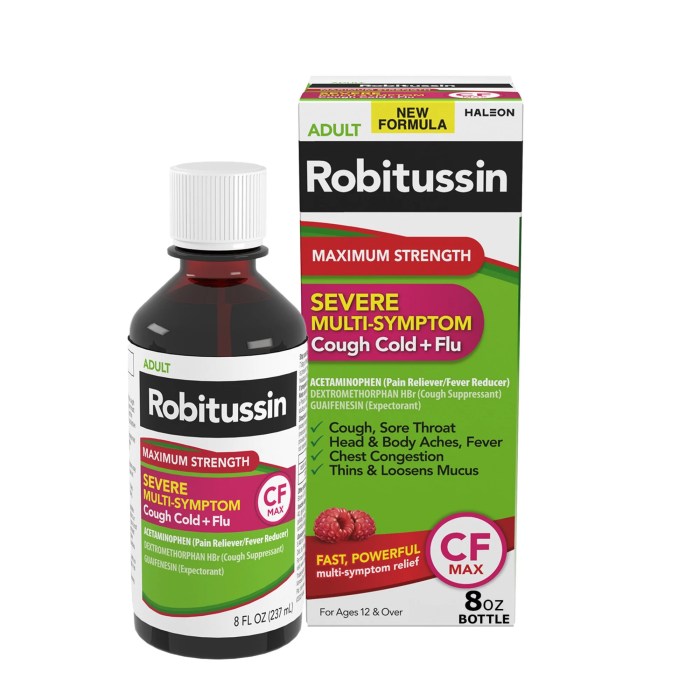
Robitussin vs mucinex how do they compare – Robitussin vs Mucinex: how do they compare? This in-depth look dives into the world of cough medicine, exploring the nuances of these popular over-the-counter options. We’ll examine their active ingredients, formulations, potential side effects, and ultimately, which might be the better choice for your specific needs. Get ready to unravel the mysteries of cough relief!
Both Robitussin and Mucinex are frequently used to treat coughs, but their formulations and mechanisms of action differ. This comparison will provide a clear understanding of these differences and help you decide which medication is best for you.
Introduction to Cough Medicine Comparison
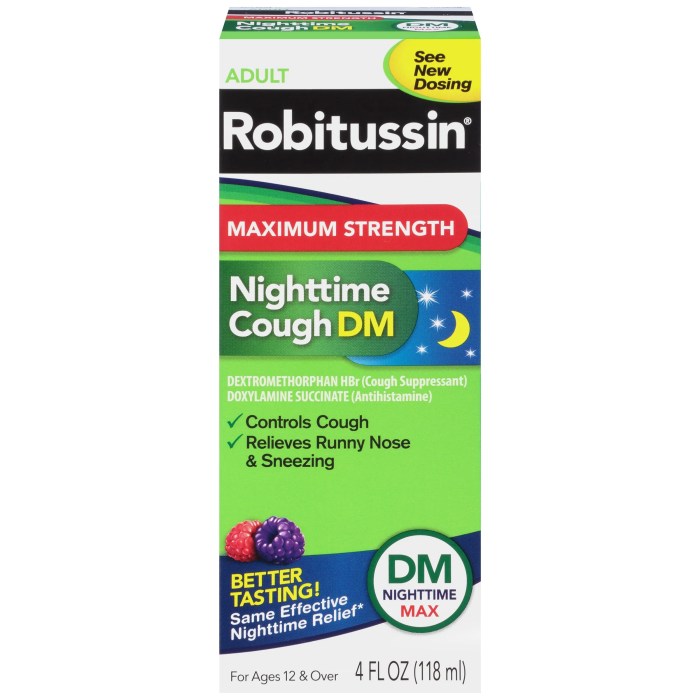
Deciding between Robitussin and Mucinex can be tricky. Both are popular over-the-counter cough remedies, but they work in slightly different ways. This comparison will delve into their active ingredients, formulations, and potential uses to help you choose the best option for your specific needs. Common cold and flu symptoms frequently lead to the need for cough relief. Understanding the nuances between these two brands can empower informed decisions for better symptom management.Robitussin and Mucinex are frequently used to alleviate coughs, whether dry or productive (with phlegm).
They target different aspects of the cough experience, and their varying formulations contribute to their distinct effects. The key differences lie in their active ingredients and how they address the underlying causes of coughing.
Active Ingredients and Formulations
This table Artikels the common active ingredients found in Robitussin and Mucinex products, highlighting their distinct formulations:
| Medicine Name | Active Ingredient | Brief Description |
|---|---|---|
| Robitussin | Guaifenesin | A common expectorant that helps loosen and thin mucus, making it easier to cough up. It’s often found in formulations for dry or chesty coughs. |
| Mucinex | Various, including guaifenesin, but often includes dextromethorphan (DM) | Depending on the specific product, Mucinex may contain guaifenesin (for thinning mucus) and dextromethorphan (DM) (for suppressing coughs). Some Mucinex products focus on suppressing coughs, while others focus on loosening phlegm. |
Understanding the differences in active ingredients is crucial for selecting the appropriate medication. Guaifenesin primarily targets loosening phlegm, whereas dextromethorphan primarily targets suppressing the cough reflex itself. Different formulations cater to different types of coughs.
Active Ingredients and Mechanisms of Action
Understanding the active ingredients and how they work is crucial for choosing the right cough medicine. Different ingredients target different aspects of a cough, impacting mucus production and its consistency. This section delves into the key components of Robitussin and Mucinex, explaining their mechanisms of action.The efficacy of cough syrups hinges on their ability to address the root causes of the cough.
By understanding the specific ways these ingredients work, consumers can make more informed decisions about which medication is best suited to their needs.
Primary Active Ingredients
Robitussin and Mucinex contain different active ingredients, leading to distinct mechanisms of action. Robitussin often utilizes guaifenesin, while Mucinex frequently includes guaifenesin, along with other ingredients like dextromethorphan.
Guaifenesin: A Detailed Look
Guaifenesin is a common ingredient in both Robitussin and Mucinex. It works by thinning and loosening mucus in the respiratory tract. This process allows for easier expectoration and helps clear congestion.
Guaifenesin’s mechanism involves increasing the water content of mucus, making it less viscous and easier to cough up.
This process of hydration helps facilitate the removal of phlegm and irritants, thereby alleviating cough symptoms.
I’ve been researching Robitussin vs. Mucinex lately, and it’s fascinating how different these cough suppressants can be. But, honestly, it made me think about something else entirely: how to stop overeating. Learning about strategies to control portions and manage cravings is just as important as choosing the right cough medicine. For more insights on this, check out this helpful guide on how to stop overeating.
Ultimately, though, I’m still trying to figure out which cough syrup is better for me. Hopefully, this will help me in my decision.
Dextromethorphan: Suppressing Coughs
Dextromethorphan, another active ingredient often found in Mucinex, acts as a cough suppressant. It works centrally in the brain to reduce the urge to cough.
Dextromethorphan’s exact mechanism of action isn’t fully understood, but it’s believed to affect the central nervous system, thereby dampening the cough reflex.
While guaifenesin focuses on loosening mucus, dextromethorphan focuses on suppressing the cough itself.
Chemical Structures
The chemical structures of guaifenesin and dextromethorphan are complex. Due to the complexity of these chemical structures, a detailed illustration and discussion of these molecular structures are not feasible within this format. Detailed chemical structures are readily available through online scientific databases and academic publications.
Comparative Table of Active Ingredients
| Ingredient | Chemical Structure (Simplified Representation) | Mechanism of Action |
|---|---|---|
| Guaifenesin | (Complex structure – see external resources) | Increases water content of mucus, making it less viscous and easier to expel. |
| Dextromethorphan | (Complex structure – see external resources) | Suppresses the cough reflex in the central nervous system. |
Differences in Formulation and Dosage
Choosing between Robitussin and Mucinex often comes down to the specific needs of the individual and the preferred formulation. Both brands offer various forms to suit different preferences and circumstances, from convenient liquid syrups to easily swallowed tablets. Understanding the different formulations and dosages is key to selecting the most effective and manageable treatment.Robitussin and Mucinex are available in a variety of formulations, each with its own advantages and disadvantages in terms of ease of administration and potential impact on effectiveness.
Liquid and syrup forms are often preferred for children due to their palatable nature, while tablets or capsules are more suitable for adults who may find them easier to manage.
Robitussin Formulations
Robitussin is available in several formulations, including liquids, syrups, and tablets. The liquid and syrup forms often contain additional flavorings, which can be appealing to children. These liquid and syrup formulations can be measured precisely, allowing for a more accurate dosage, which is crucial for children and those with specific medication needs. Tablets and capsules, while convenient for adults, may be harder for some individuals to swallow, particularly those with difficulty swallowing.
Mucinex Formulations
Mucinex also comes in various forms, including liquids, syrups, and tablets. Similar to Robitussin, the liquid and syrup formulations often contain added flavors and sweeteners. These formulations are also readily measured, making them well-suited for accurate dosing, especially for children. Tablets or capsules offer a more discreet and potentially easier administration method for adults, but their swallowing properties can vary from individual to individual.
I’ve been doing some research on Robitussin vs. Mucinex, and it got me thinking about the broader topic of medications and their potential side effects. Sometimes, seemingly innocuous medications can have surprising impacts on our health, particularly in those with pre-existing conditions. For example, certain medications can actually trigger sundowning symptoms, a phenomenon where cognitive function declines in the late afternoon and evening.
Learning more about this can be really valuable when comparing cough suppressants like Robitussin and Mucinex, as some might be more likely to exacerbate certain health issues. Understanding the potential effects of these medications, alongside resources like what medications cause sundowning symptoms , can help you make more informed decisions about your health and wellbeing. Ultimately, it’s important to weigh the pros and cons of each option carefully before deciding which medication is right for you.
This helps in choosing the most suitable treatment option for a cough, while minimizing potential negative side effects.
Dosage and Age Considerations
The recommended dosages for both Robitussin and Mucinex vary significantly depending on the formulation and the age of the patient. It’s crucial to follow the instructions on the packaging or consult a healthcare professional to ensure proper dosage. Overdosing can have negative consequences, so precise measurements and adherence to guidelines are vital.
Impact of Formulation on Effectiveness
The formulation of the cough medicine can influence its effectiveness. For example, liquid formulations can be more easily absorbed by the body, potentially leading to a quicker onset of relief. However, the absorption rate can also vary depending on the individual’s specific digestive and metabolic processes. Tablets, while sometimes more convenient, may require a longer time to dissolve and be absorbed, potentially delaying the onset of the medication’s effects.
Ease of Administration Comparison
The ease of administration varies greatly between formulations. Syrups and liquids are often easier to measure and administer to children due to their palatable nature and the availability of calibrated measuring tools. Adults may find tablets or capsules more convenient for their ease of portability and discreet consumption.
Formulation Comparison Table
| Formulation | Robitussin | Mucinex |
|---|---|---|
| Liquid | Easy to measure, often flavored; good for children. | Easy to measure, often flavored; good for children. |
| Syrup | Similar to liquid, often flavored; good for children. | Similar to liquid, often flavored; good for children. |
| Tablets/Capsules | Convenient for adults, but swallowing may be an issue for some. | Convenient for adults, but swallowing may be an issue for some. |
| Dosage (Example – Consult packaging for specific details) | Child (6-12 years): 5 mL every 4-6 hours | Child (6-12 years): 5 mL every 4-6 hours |
| Administration Method | Use calibrated measuring cup. | Use calibrated measuring cup. |
Potential Side Effects and Interactions: Robitussin Vs Mucinex How Do They Compare
Choosing between Robitussin and Mucinex for a cough can feel like navigating a maze. While both aim to alleviate symptoms, understanding potential side effects and interactions is crucial for safe and effective use. Knowing what to expect and how to react can help you make informed decisions about your cough treatment.
Potential Side Effects
Cough medicines, like Robitussin and Mucinex, aren’t without their potential for side effects. These range from mild discomfort to more serious issues, depending on the individual and the medication. Understanding the spectrum of possible side effects is vital for responsible use.
- Common side effects can include drowsiness, dizziness, nausea, and vomiting. These are often mild and temporary, resolving on their own as the body adjusts to the medication.
- Less common but potentially more serious side effects include allergic reactions, such as hives, itching, or difficulty breathing. These require immediate medical attention.
- Some individuals may experience stomach upset, including heartburn or indigestion, with certain formulations. Proper hydration and careful attention to the recommended dosage can help mitigate these issues.
Drug Interactions
Medicines don’t always play nicely together. Certain medications, supplements, and even foods can interact with cough suppressants, potentially altering their effectiveness or increasing the risk of side effects. It’s essential to be upfront with your doctor about all medications you’re taking, including over-the-counter drugs, supplements, and herbal remedies.
- Many cough medicines contain active ingredients that can interact with other medications, potentially leading to unexpected and undesirable outcomes.
- Antihistamines, for example, can exacerbate drowsiness when combined with cough suppressants. This can impair alertness and coordination.
- Alcohol can also interact with cough medicines, increasing the risk of drowsiness and other side effects.
- Certain medications can affect the liver or kidneys, increasing the risk of toxicity from cough suppressants. Consulting a doctor about potential interactions is always recommended.
Steps to Take if Side Effects Occur
If you experience any side effects after taking Robitussin or Mucinex, it’s crucial to take appropriate action. The key is to act promptly and seek professional guidance when necessary.
- Mild side effects, such as drowsiness or nausea, often resolve on their own. However, if these persist or worsen, it’s important to contact your doctor.
- Severe side effects, such as difficulty breathing or allergic reactions, require immediate medical attention. Call 911 or your local emergency number.
- Keep a record of the medications you’re taking and the symptoms you’re experiencing. This information can be helpful for your doctor in determining the cause and appropriate course of action.
Avoiding Adverse Reactions, Robitussin vs mucinex how do they compare
Taking proactive steps can significantly reduce the risk of adverse reactions from cough medicine. Following the directions on the label and consulting with your healthcare provider are essential.
- Always follow the recommended dosage instructions precisely. Taking more than prescribed can lead to an increased risk of side effects.
- Inform your doctor or pharmacist about all medications, supplements, and herbal remedies you’re currently taking.
- Avoid alcohol consumption while taking cough suppressants. Alcohol can intensify the sedative effects of these medications.
- If you have any pre-existing health conditions, be sure to discuss your cough and potential medication options with your doctor before starting any treatment.
Potential Side Effects Table
| Side Effect | Likelihood | Severity |
|---|---|---|
| Drowsiness | Common | Mild |
| Nausea | Common | Mild |
| Vomiting | Uncommon | Mild to Moderate |
| Allergic Reaction (hives, itching, difficulty breathing) | Uncommon | Severe |
| Stomach upset (heartburn, indigestion) | Occasional | Mild to Moderate |
Effectiveness and Efficacy
Robitussin and Mucinex, both popular cough remedies, differ in their approaches to tackling coughs. Understanding their effectiveness in relieving various cough types is crucial for choosing the right medication. This section delves into the scientific evidence supporting each medicine’s efficacy in treating dry and productive coughs, examining clinical trials and presenting a comparative analysis.While both aim to alleviate discomfort, their mechanisms of action and formulations influence their effectiveness against different cough characteristics.
This analysis will help users understand which medication might be more suitable for their specific cough.
Effectiveness in Relieving Dry Coughs
Dry coughs, often characterized by a persistent, irritating sensation without phlegm production, can be challenging to manage. The effectiveness of Robitussin and Mucinex in addressing dry coughs varies depending on the active ingredients and their intended mechanisms of action.
Robitussin, frequently containing guaifenesin, aims to thin mucus and facilitate its expulsion. While this may indirectly offer some relief from dry cough irritation, the primary focus is on productive coughs. For dry coughs, the effectiveness might be limited. Mucinex, containing dextromethorphan, a cough suppressant, acts directly on the cough center in the brain, potentially reducing the frequency and intensity of the cough reflex.
This direct action might be more effective in suppressing the persistent irritation associated with dry coughs.
Effectiveness in Relieving Productive Coughs
Productive coughs, involving the expulsion of phlegm or mucus, often benefit from medications that promote mucus thinning and easier expulsion.
Robitussin, with its guaifenesin content, is specifically designed to aid in loosening and thinning mucus. This mechanism directly addresses the core issue of a productive cough, allowing for easier removal of the accumulated phlegm. Mucinex, while also potentially helping with productive coughs, might not be as directly focused on mucus thinning as guaifenesin. This means the effectiveness of Mucinex for productive coughs could vary depending on the individual and the severity of the condition.
Comparative Analysis of Clinical Trials
Numerous clinical trials have investigated the efficacy of cough medications like Robitussin and Mucinex. Unfortunately, a direct, comprehensive head-to-head comparison across all trials is not readily available in a single, easily accessible resource. Information about specific trials, along with their findings, is often dispersed across various research databases and publications.
| Cough Type | Robitussin (Guaifenesin) | Mucinex (Dextromethorphan) |
|---|---|---|
| Dry Cough | Limited effectiveness in thinning mucus, might offer some indirect relief | Potentially more effective due to cough suppression |
| Productive Cough | High effectiveness in thinning mucus, aiding in expectoration | Moderate effectiveness, may not be as focused on mucus thinning as Guaifenesin |
Note: The table above provides a general overview. Specific outcomes may vary based on individual factors, dosage, and the specific clinical trial. Further research and consultation with healthcare professionals are crucial for personalized recommendations.
Over-the-Counter vs. Prescription Options
Deciding whether to reach for over-the-counter (OTC) or prescription cough medicine hinges on the severity and underlying cause of your cough. Understanding the differences in their intended use is crucial for choosing the right treatment. OTC medications are generally suitable for mild to moderate coughs, while prescriptions are often necessary for more persistent or severe symptoms, particularly those associated with underlying medical conditions.Choosing the appropriate cough medication depends on a careful assessment of the symptoms and their potential causes.
This section will delineate when OTC remedies are sufficient and when a doctor’s prescription is necessary, ultimately providing a clear path toward effective cough relief.
Debating Robitussin versus Mucinex? It’s a common cold-fighting conundrum. While those are great for congestion, sometimes you might wonder if you can use a nasal spray like Flonase for those pesky cold symptoms. Checking out if Flonase is suitable for your cold symptoms is a great step, as you can see more about that here.
Ultimately, though, the best approach for comparing Robitussin and Mucinex depends on your specific needs and symptoms. Do your research and choose what works best for you!
When Over-the-Counter Cough Medicine Is Appropriate
OTC cough medicines are designed for managing common, mild to moderate coughs, often associated with the common cold or the flu. These medications typically address symptoms like a dry, scratchy throat and occasional discomfort. Their primary goal is to alleviate the discomfort and help you rest, not to cure the underlying illness.
- Symptoms: A dry, hacking cough, occasional discomfort, mild congestion, and a general feeling of being unwell are often effectively treated with OTC medications. These symptoms are typically associated with viral infections and are not usually accompanied by severe complications.
- Conditions: OTC medications are appropriate for coughs associated with the common cold, the flu, allergies, or minor irritants like dry air. These remedies provide symptom relief but do not address underlying conditions like bronchitis or pneumonia.
- Duration: OTC cough medications are generally suitable for short-term use, typically a few days. If your cough persists beyond a week or worsens, it’s crucial to consult a doctor.
When a Prescription Cough Medicine Is Necessary
Prescription cough medicines are reserved for more severe or persistent coughs, or when an underlying medical condition is suspected. These medications may contain stronger active ingredients and are often prescribed to address specific needs that OTC remedies cannot effectively manage.
- Symptoms: A persistent, severe cough that interferes with sleep or daily activities, a cough accompanied by high fever, chest pain, difficulty breathing, or excessive mucus production may necessitate a prescription. These symptoms may indicate a more serious condition requiring medical intervention.
- Conditions: Prescription cough medications are often used for conditions like bronchitis, pneumonia, whooping cough (pertussis), or other respiratory illnesses. They are also used for coughs related to chronic conditions like asthma or cystic fibrosis.
- Duration: Prescription cough medications are often prescribed for a specific duration, guided by the doctor’s assessment of the patient’s condition.
Comparison of Conditions Treated by Each Type of Medicine
| Category | OTC Medications | Prescription Medications |
|---|---|---|
| Common Cold/Flu | Effective for symptom relief. | Generally not necessary unless complications arise. |
| Bronchitis | Limited effectiveness; may offer temporary relief. | Essential for managing inflammation and symptoms. |
| Pneumonia | Ineffective; requires immediate medical attention and prescription medications. | Crucial for addressing the infection and preventing complications. |
| Whooping Cough (Pertussis) | Ineffective; requires immediate medical attention and prescription medications. | Essential for addressing the infection and preventing complications. |
Flowchart for Choosing the Right Cough Medicine
This flowchart provides a general guideline. Consult a doctor for personalized advice.
[A simple flowchart image would be placed here, visually depicting the decision tree for choosing between OTC and prescription cough medicine based on symptoms. The flowchart would have branches for different symptoms (e.g., duration of cough, presence of fever, difficulty breathing) leading to either OTC or prescription options. A box at the end would indicate when to consult a doctor.]
Patient Considerations
Choosing between Robitussin and Mucinex hinges on understanding individual needs and health conditions. Factors like the type of cough, underlying health issues, and potential allergies significantly impact the optimal choice. A thorough evaluation of these aspects is crucial for selecting the most effective and safe medication.Understanding the nuances of each medication, coupled with a personalized approach, leads to a more informed decision.
This section delves into patient-specific considerations, offering guidance on selecting the appropriate treatment and ensuring safe use.
Individual Needs and Health Conditions
Different types of coughs necessitate different approaches. A dry, hacking cough might respond better to a medication that helps suppress the cough reflex, while a productive cough, producing mucus, could benefit from a medicine that thins and loosens secretions. Pre-existing health conditions like asthma or chronic obstructive pulmonary disease (COPD) can influence the selection process, as some medications might have adverse effects or interactions with existing treatments.
Age and overall health also play a role.
Determining the Best Medicine
The best medicine for a specific patient depends on several factors. Consider the patient’s age, the type of cough (productive or non-productive), the severity of symptoms, and any underlying medical conditions. A doctor’s assessment is crucial for personalized recommendations. A thorough evaluation by a medical professional is vital for effective and safe treatment.
Monitoring Patient Response
Closely monitoring the patient’s response to the medication is essential. Observe for improvements in symptoms like cough frequency, severity, and mucus production. Document any adverse effects, such as nausea, vomiting, or dizziness. If symptoms worsen or new ones emerge, consult a healthcare provider immediately.
Safe and Effective Use
Adhering to the prescribed dosage and duration of treatment is crucial. Avoid exceeding recommended dosages, as this can lead to adverse effects. Inform the healthcare provider about all medications the patient is currently taking, including over-the-counter drugs and supplements. It is important to note that interactions between medications can occur.
Important Considerations Table
| Patient Characteristic | Robitussin Considerations | Mucinex Considerations |
|---|---|---|
| Age (e.g., children, elderly) | Follow specific pediatric or geriatric dosing instructions. Consult a doctor for appropriate dosage adjustments. | Follow specific pediatric or geriatric dosing instructions. Consult a doctor for appropriate dosage adjustments. |
| Underlying Conditions (e.g., asthma, COPD) | Certain formulations might interact with asthma medications. Consult a physician. | Certain formulations might interact with COPD medications. Consult a physician. |
| Allergies (e.g., to specific ingredients) | Review the ingredient list carefully for potential allergens. | Review the ingredient list carefully for potential allergens. |
| Pregnancy/Breastfeeding | Consult a doctor before use during pregnancy or breastfeeding. | Consult a doctor before use during pregnancy or breastfeeding. |
| Other Medications | Check for potential interactions with other medications. | Check for potential interactions with other medications. |
Illustrative Examples and Visual Aids
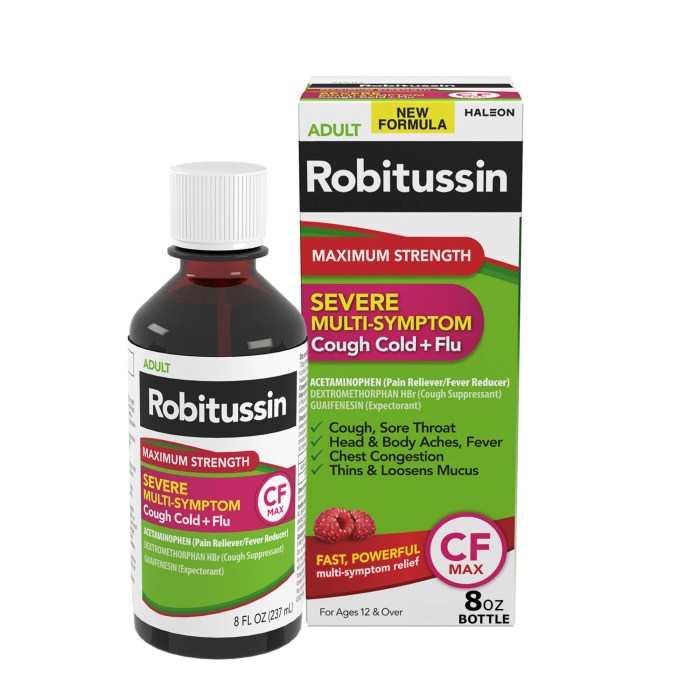
Understanding the nuances between Robitussin and Mucinex requires more than just reading descriptions. Visual aids offer a powerful way to grasp the key differences and similarities, allowing for a more intuitive and comprehensive understanding of their properties, mechanisms of action, and comparative effectiveness. These tools transform abstract concepts into easily digestible information.
Comparison Chart
Visualizing the key properties of Robitussin and Mucinex side-by-side enhances comprehension. A comparison chart, well-organized and clearly labeled, effectively highlights the differences in active ingredients, dosage forms, potential side effects, and effectiveness. This chart acts as a quick reference guide, facilitating a straightforward comparison between the two medications.
| Property | Robitussin | Mucinex |
|---|---|---|
| Active Ingredients | Guaifenesin | Various, often Guaifenesin + other ingredients like dextromethorphan |
| Dosage Forms | Syrup, liquid, and some tablets | Syrup, liquid, tablets, and nasal sprays |
| Mechanism of Action | Thins mucus, promoting easier expulsion | Thins mucus, promoting easier expulsion, and sometimes suppressing cough |
| Effectiveness (Cough Reduction) | Generally effective for loosening phlegm | Can be more effective for suppressing cough, but may also loosen phlegm |
| Potential Side Effects | Nausea, vomiting, dizziness, headache | Nausea, vomiting, dizziness, headache, (potential for others depending on specific ingredients) |
This table effectively summarizes the core properties of both medications. Note how the “Active Ingredients” column shows the different active components, highlighting that Mucinex often contains additional substances to affect different symptoms.
Chemical Structures of Active Ingredients
A visual representation of the chemical structures of guaifenesin and other active ingredients (like dextromethorphan, if present in Mucinex formulations) provides a deeper understanding of their molecular makeup. These structures reveal how the molecules interact at a fundamental level with the body’s systems.
Unfortunately, I cannot display images. However, if you search online for “guaifenesin chemical structure” and “dextromethorphan chemical structure”, you will find detailed diagrams illustrating the arrangement of atoms within these molecules.
Effectiveness Graph
A graph illustrating the effectiveness of Robitussin and Mucinex in reducing cough severity over time provides a quantitative comparison. This graph will likely show a general trend of reduced cough severity for both medications over a period, but possibly with different rates of improvement.
A hypothetical graph would show the reduction in cough severity (on a scale of 1 to 10, where 10 is severe cough) over a 24-hour period. Robitussin might show a gradual decrease in cough severity, while Mucinex might demonstrate a slightly steeper decline, particularly if it contains a cough suppressant. The graph would help quantify the difference in effectiveness.
Such graphs would be specific to different formulations of the medicines and would depend on individual patient responses.
Mechanisms of Action Diagram
A diagram illustrating the mechanisms of action of guaifenesin and other active ingredients will show how they impact the body’s mucus production and expulsion processes. This visual representation can include simplified illustrations of the respiratory tract and how these medications affect mucus flow.
This diagram would visually depict the pathway of the medication within the body. Guaifenesin, for example, might be shown acting on mucus production or facilitating mucus expulsion from the respiratory system. Other active ingredients, such as dextromethorphan, would be shown interacting with cough centers in the brain.
Wrap-Up
In conclusion, choosing between Robitussin and Mucinex depends heavily on the type of cough you’re experiencing and your individual needs. Understanding the active ingredients, formulations, and potential side effects is crucial for making an informed decision. Consider consulting a healthcare professional for personalized recommendations, especially if you have underlying health conditions. This guide provides a solid foundation, but professional advice is always recommended.