The Transformative Power of Accessible Yoga: Embracing Self-Love Through Mindful Movement

Updated July 22, 2026 09:22 AM
In an era where constant external demands and digital distractions vie for our attention, a growing movement is advocating for a return to inner stillness and self-compassion. Yoga, an ancient practice rooted in mindfulness and physical discipline, is emerging as a powerful tool for reconnecting with oneself, particularly for individuals navigating physical challenges or personal trauma. This article delves into the profound impact of accessible yoga, highlighting personal narratives and practical applications that underscore its capacity to foster self-love and holistic well-being.
The Modern Disconnect and the Gentle Invitation of Yoga
The contemporary human experience is often characterized by a relentless outward focus. The pressure to achieve, improve, fix, compare, and endlessly consume digital content can lead to a gradual disassociation from our bodies, our breath, and the quieter aspects of our inner lives. This disconnection can manifest as a lack of self-awareness, emotional numbness, and a diminished capacity for authentic self-care. Yoga, in its essence, offers a gentle counter-invitation: a call to return not to an idealized past or an unattainable state of perfection, but to the present moment and to the practice of self-love.
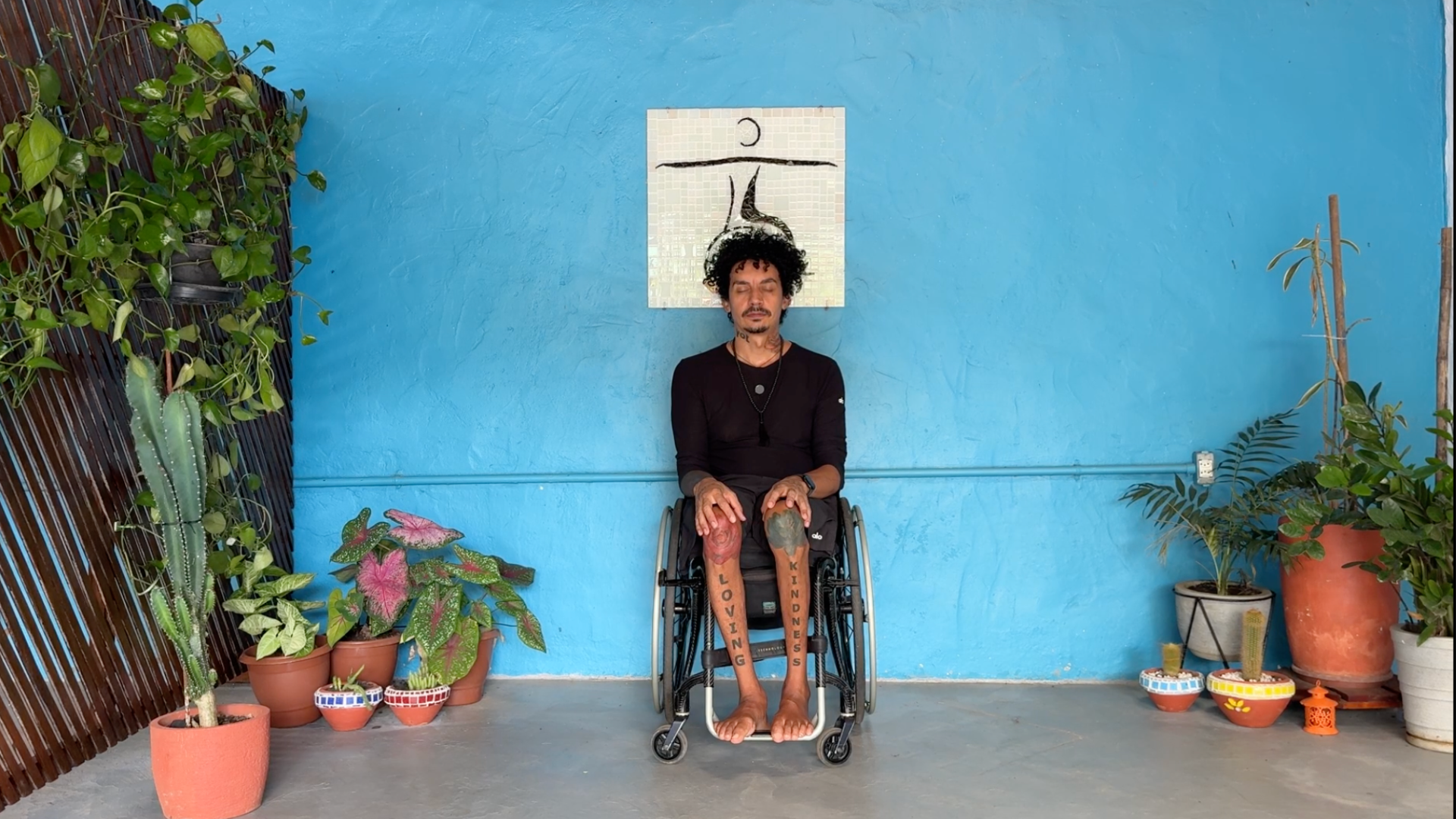
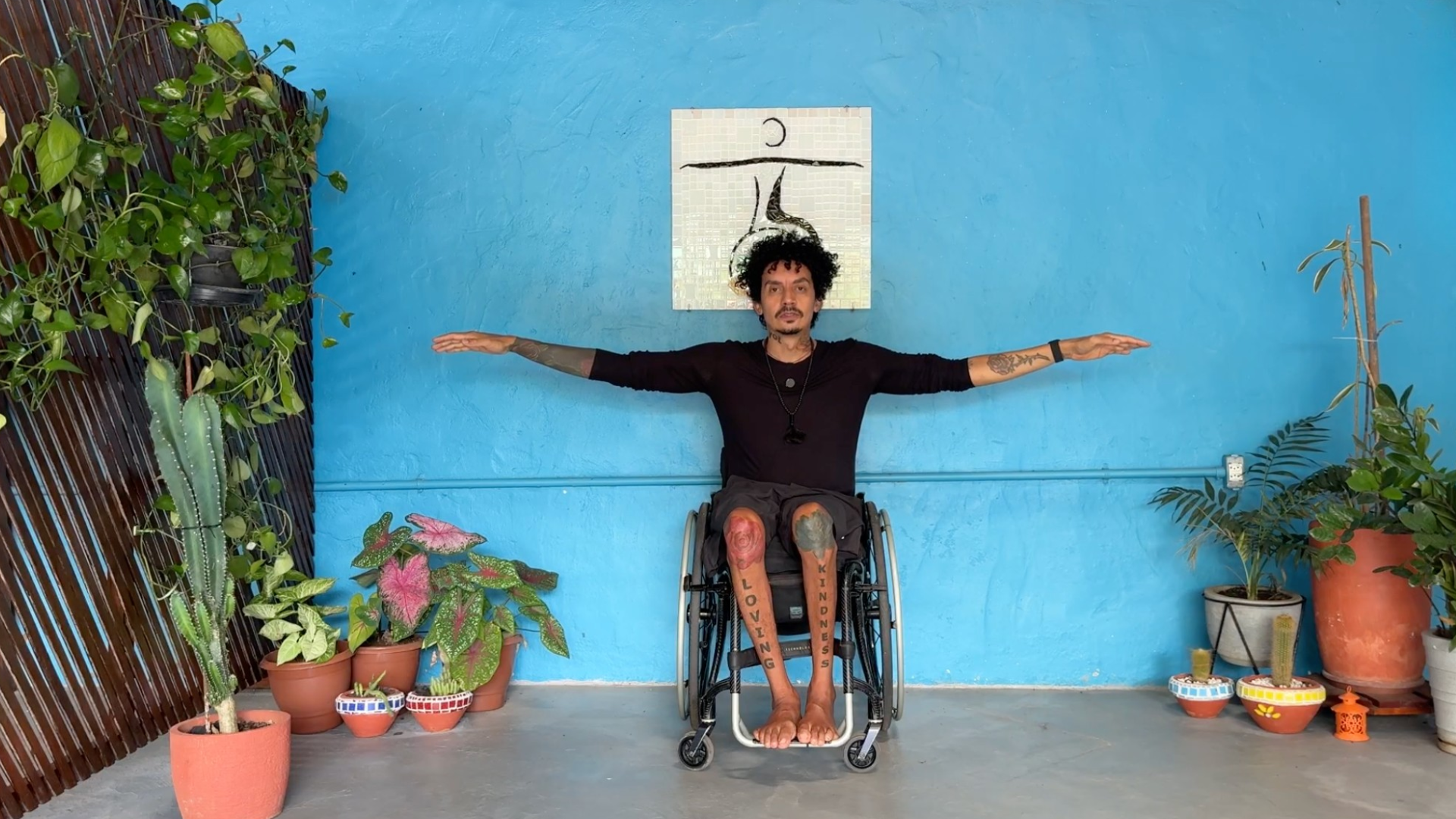
This profound understanding was deeply internalized by Alli Hoppe, an accessible yoga teacher and wheelchair user, following a life-altering accident. The incident necessitated a fundamental reevaluation of her relationship with her body and life itself. Previously held expectations and demands were no longer sustainable, forcing a new approach characterized by patience, presence, and compassion. Through her yoga practice, Hoppe discovered that healing is not always a battle against oneself, but often begins with the cessation of resistance and the embrace of self-acceptance. Yoga became the catalyst for her to release grief over a perceived loss and instead cultivate love for the body that remained, transforming what she once viewed as broken into a sense of wholeness.
Cultivating Inclusivity: Accessible Yoga as a Sanctuary
As an accessible yoga teacher, Hoppe now witnesses firsthand the transformative journey of her students. Many arrive with the preconceived notion that yoga is not for them, believing their bodies’ unique movements, past traumas, chronic pain, grief, or perceived limitations render them ineligible. However, the moment these individuals are met with unconditional acceptance, a palpable shift occurs. A sense of softening pervades, a feeling of being seen takes root, and their breath deepens, facilitating a reconnection with their authentic selves.
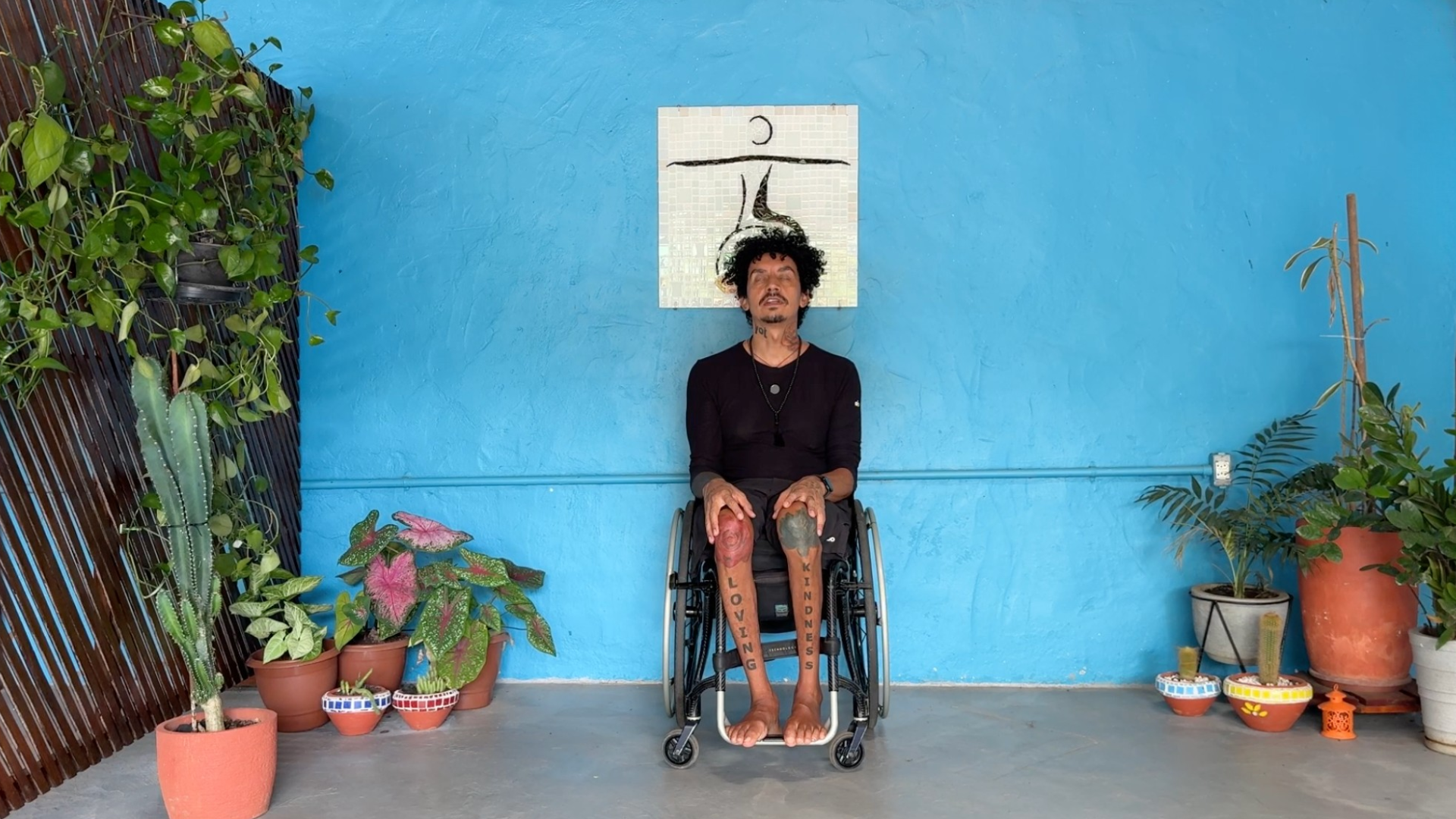
Hoppe emphasizes that self-love, as taught through yoga, is not about altering one’s identity. Instead, it is about returning to a state of love, which can be as simple as a conscious breath during a challenging moment, choosing rest over exertion, or extending kindness to oneself when the world feels overwhelming. These seemingly small acts of self-compassion, cultivated through mindful practice, are instrumental in rebuilding inner trust and resilience. Yoga, therefore, is not an invitation to become someone else, but a homecoming to one’s own body, breath, and the inherent self-love that resides within.
A 20-Minute Yoga Sequence for Self-Love: A Practical Guide
In line with the principles of inclusivity and self-compassion, a 20-minute seated yoga sequence has been developed to guide individuals toward a deeper connection with themselves. This practice is designed to quiet the mind, bridge the gap between intellect and emotion, and cultivate a sense of belonging, including for oneself.
Centering: Finding Your Inner Anchor
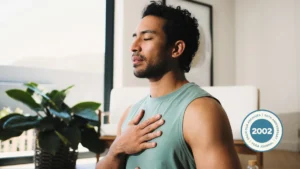
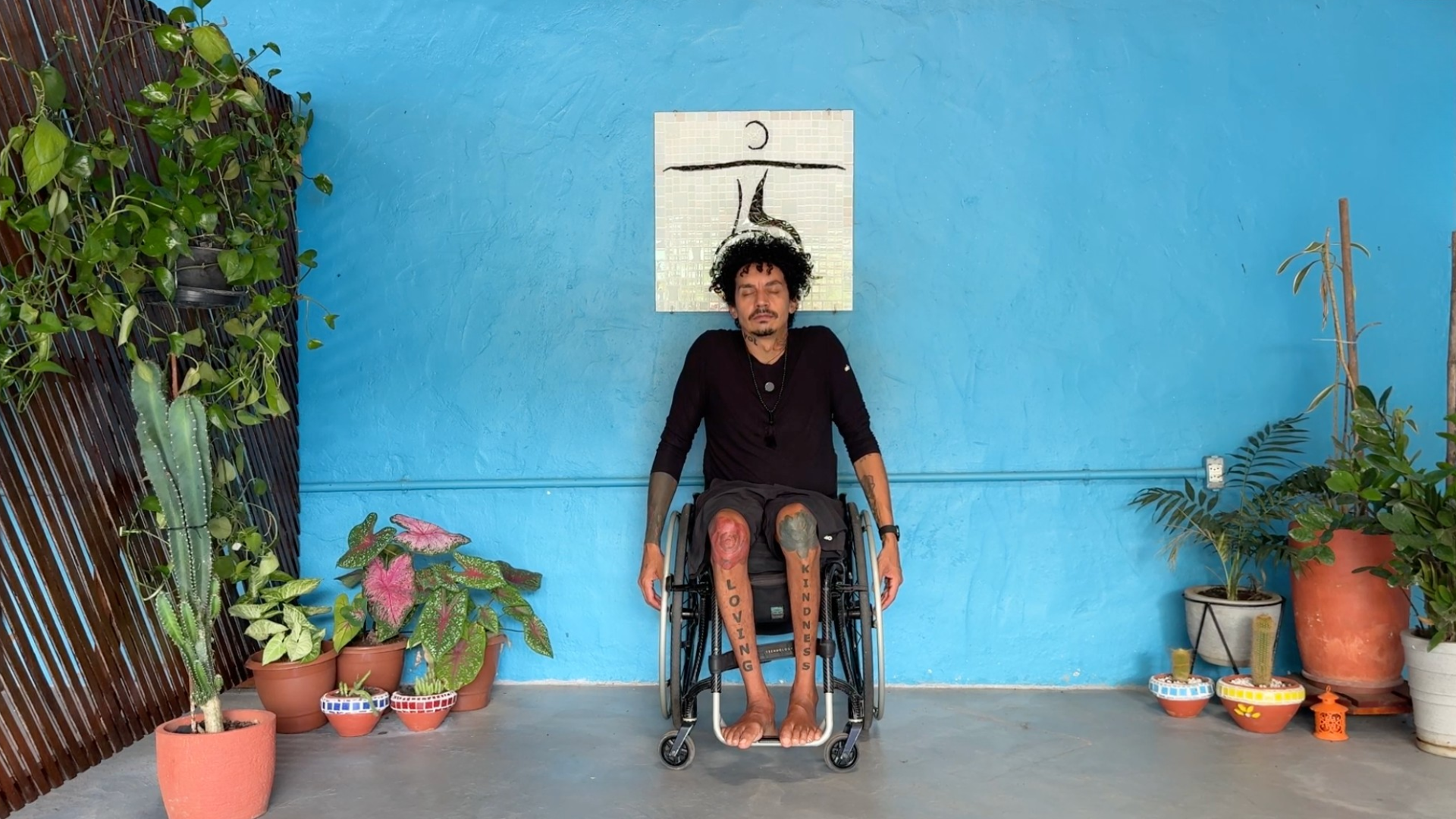
The practice begins with finding a comfortable seated position. This involves a gentle rocking from side to side, allowing for an awareness of the body’s weight distribution and the discovery of a stable, comfortable seat. Hands can rest on the thighs, palms down, or form a mudra, or any position that feels natural. Eyes can be closed or softened. The focus is on observing present bodily sensations, both physical and emotional, without judgment, approaching them with compassion and empathy. The heart is utilized as an anchor, with the option of placing a hand on the chest to feel the heartbeat. A slight upturn of the mouth can foster a sense of calmness.
Neck Rolls: Releasing Tension and Cultivating Presence
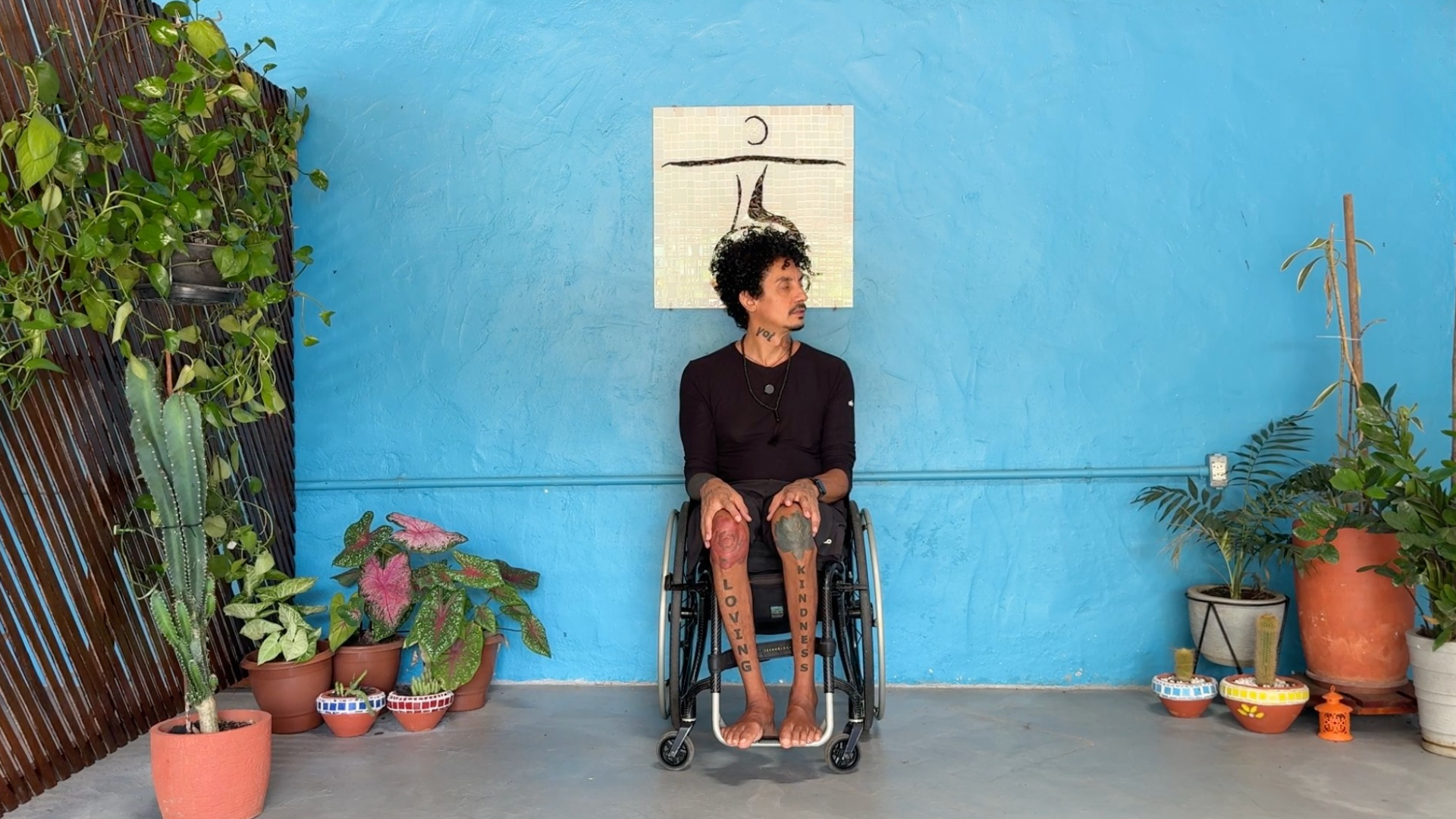
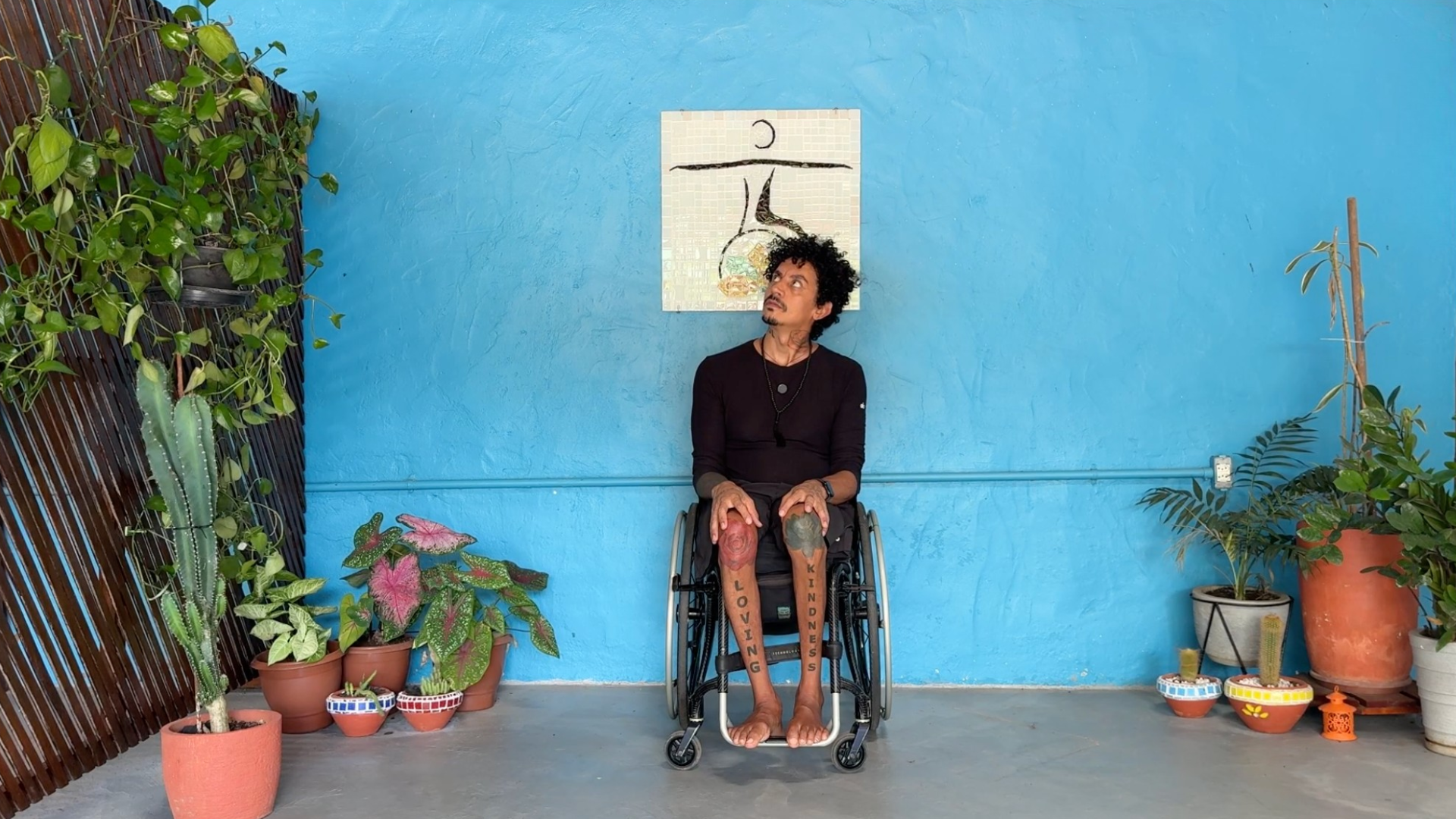
Starting from a seated Mountain Pose (Tadasana), where the body is grounded through the sitting bones, the spine is gently elongated, creating space between the ears and shoulders. This posture fosters a sense of safety and embodiment. The practice synchronizes breath with movement. An inhale is taken while gazing upwards, followed by an exhale as the chin moves towards the chest. This is repeated, followed by a return to center. Lateral neck rolls are then introduced, turning the gaze over one shoulder on an inhale and returning to center on an exhale, then repeating on the other side. A variation involves tilting the ear towards the shoulder, then gazing up on an inhale and down on an exhale, before returning to center. These movements aim to release tension in the neck and upper back, promoting relaxation and awareness.
Shoulder Shrugs: Releasing Stored Emotions
Returning to Mountain Pose, the practice moves to shoulder shrugs. Inhaling to raise the shoulders towards the ears, holding briefly, and exhaling to release. This action is repeated several times, followed by a gentle shaking of the arms, encouraging the release of any pent-up tension.
Arm and Shoulder Strengthening: Energizing the Upper Body
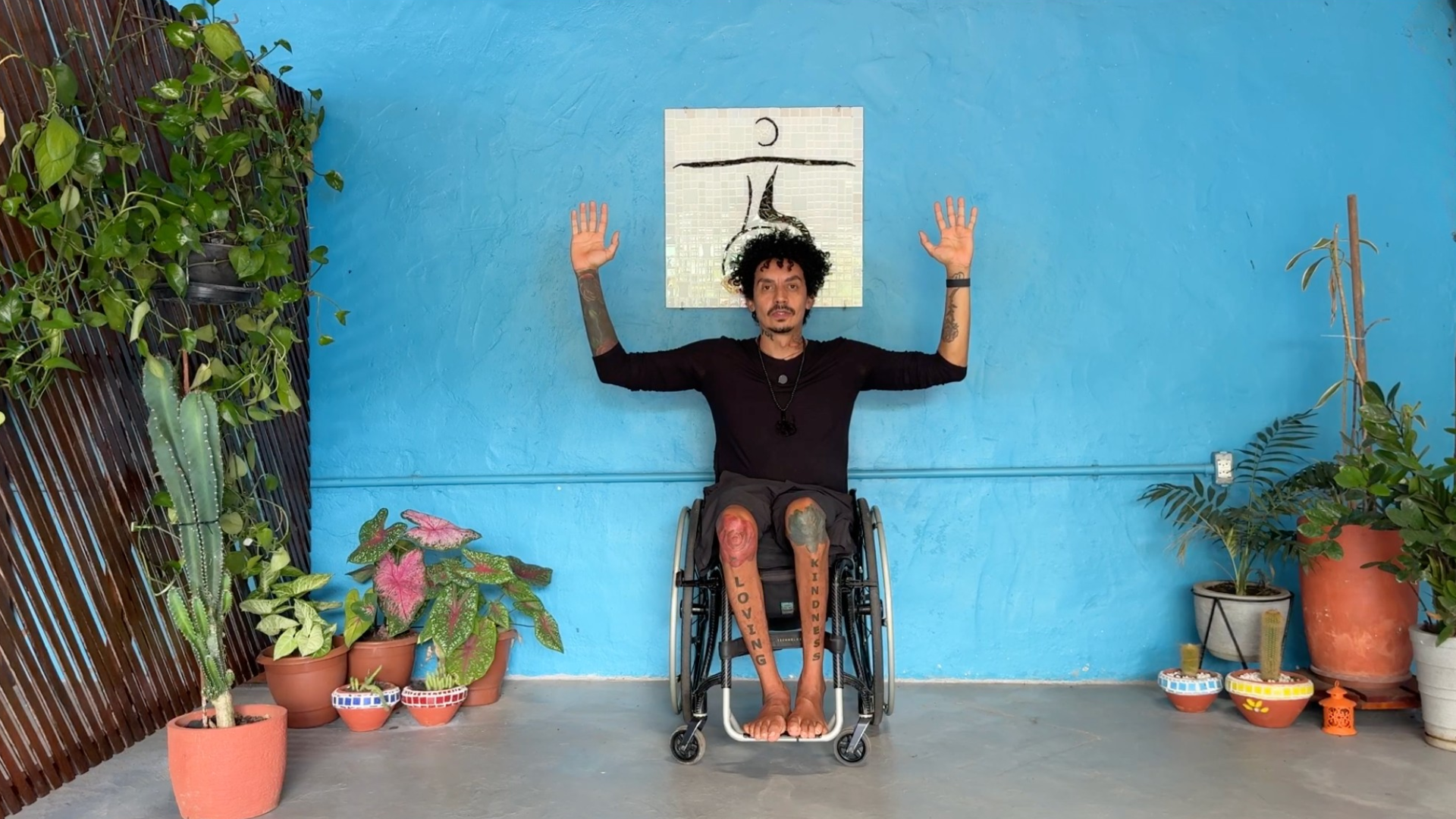
From a grounded Mountain Pose, arms are raised to any comfortable height. On an exhale, arms extend straight with palms facing down, shoulders softened. The dynamic element involves alternating palm rotations: inhaling to turn palms upward and exhaling to turn them downward. This motion is repeated, aiming to circulate energy and awaken the arms and shoulders. A subsequent shake of the arms helps to release any remaining stiffness.
Goddess Pose or Cactus Flow: Opening the Chest and Heart
Maintaining a tall, seated posture, arms are raised again. On an exhale, elbows are bent to 90-degree angles, forming cactus arms, reminiscent of seated Goddess Pose. On an inhale, arms move towards each other in front of the chest, and on an exhale, they spread wide, broadening across the chest. This flow is repeated with the breath, fostering an opening in the chest and heart space.
Dynamic Cobra Pose: Spinal Mobility and Resilience
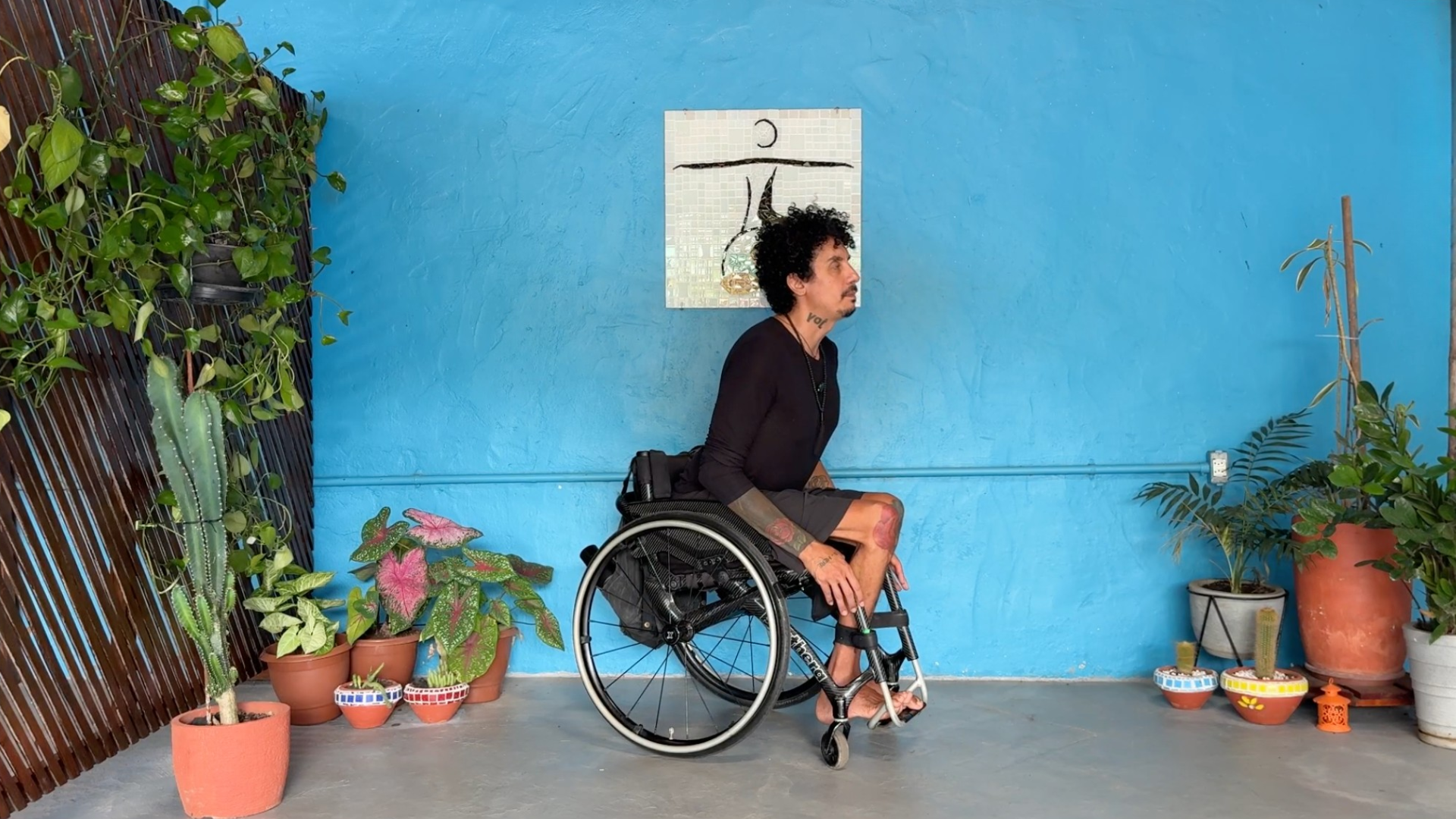
In a seated variation of Cobra Pose (Bhujangasana), students hold onto the chair frame or their knees. On an inhale, shoulder blades draw together as the gaze lifts towards the ceiling, arching the back. On an exhale, the spine flexes forward, diving towards the floor, with breath exhaled through the mouth. This dynamic movement is repeated, promoting spinal flexibility and invigorating the core.
Centering: Reconnecting with the Inner Self
Following the dynamic movements, a return to a quiet centering practice is encouraged. Placing one hand on the belly and the other on the heart, students are invited to embrace silence, returning to a state of presence and love. The practice emphasizes curiosity, compassion, and non-judgment towards one’s current state of being.
Side Bending Flow: Lateral Expansion and Breath Awareness
This sequence focuses on lateral flexion, synchronizing breath with movement, with a particular emphasis on a long, soft exhalation. Sitting tall in Mountain Pose, the right arm is raised in a side bend towards the right on an inhale, with an extended exhale. The arm then reaches towards the opposite side on an inhale, with another long exhale. This flow is repeated several times, promoting flexibility in the torso and reinforcing mindful breathing.
Thread the Needle: Gentle Spinal Twisting
A seated variation of Thread the Needle introduces a gentle spinal twist. Holding the chair frame, the left elbow attempts to reach outside the right knee, facilitating a twist. The chest is broadened, and the right arm is raised, with the gaze directed towards the palm. An inhale through the nose is followed by a long, slow exhale through the mouth. This is repeated on the other side, promoting spinal mobility and releasing tension.
Closing: Integration and Affirmation
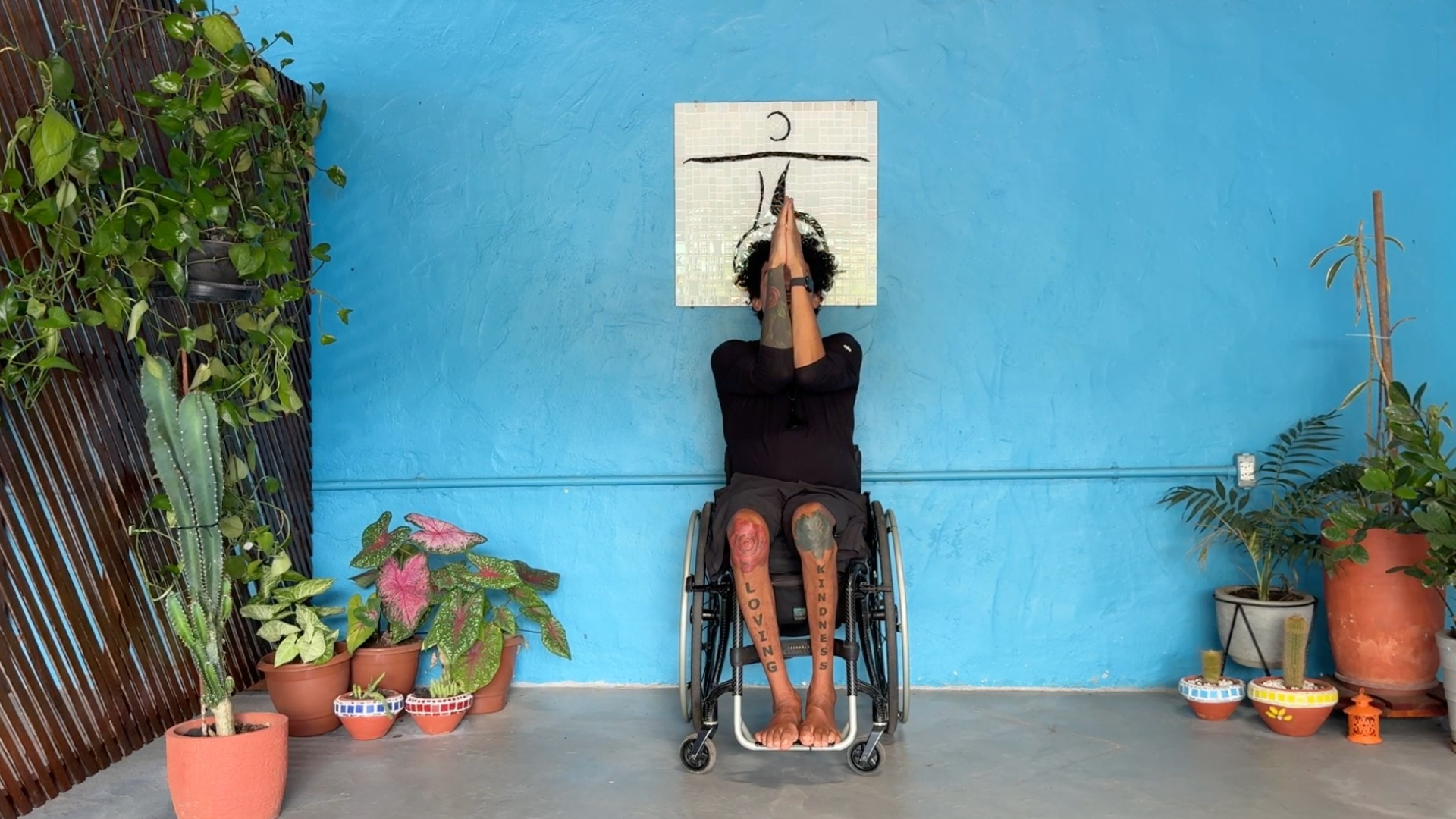
The practice concludes with a return to a state of safety and release. Jaw is unclinched, shoulders softened, and gaze is gentle. Eyes can be closed or softly focused. A return to the heartbeat is encouraged, immersing oneself in the heart center. Affirmations such as "I am loved," "I am enough," and "I am safe" are offered. The practice ends with hands brought to prayer position (Anjali mudra) at the chest, acknowledging the inner calm and gratitude that has been nurtured. The instructor emphasizes that this sense of peace and gratitude is an inherent quality within each individual.
Broader Impact and Future Implications
The growing recognition and implementation of accessible yoga practices like the one outlined address a critical need for inclusive wellness solutions. As populations age and awareness of diverse physical and emotional needs increases, the demand for adaptable movement practices is set to rise. The integration of yoga into community centers, healthcare settings, and therapeutic programs offers a promising avenue for enhancing public health and fostering greater social equity. The personal narrative of Alli Hoppe and the practical sequence provided serve as powerful testaments to yoga’s potential to empower individuals, promote self-acceptance, and cultivate a more compassionate and connected society. The ongoing evolution of accessible yoga signifies a paradigm shift towards a more holistic and individualized approach to well-being, ensuring that the benefits of mindful movement are available to all.