Noodle-less Ratatouille Lasagna: A High-Protein, Gluten-Free Vegetarian Dinner Revolutionizing Meatless Meals

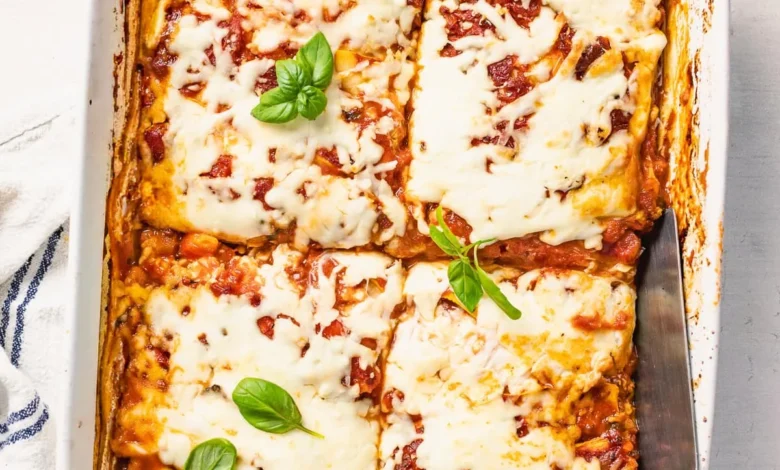
The culinary landscape for vegetarian dining is continuously evolving, with a growing emphasis on nutrient-dense, whole-food options that don’t compromise on flavor or satisfaction. In this pursuit, a new recipe, the Noodle-less Ratatouille Lasagna, has emerged as a standout creation, offering a robust, gluten-free, and vegetarian alternative to traditional lasagna. This innovative dish leverages the vibrant flavors of summer vegetables, traditionally found in ratatouille, to replace pasta, while a strategic incorporation of cottage cheese elevates its protein content significantly, boasting over 39 grams per serving.
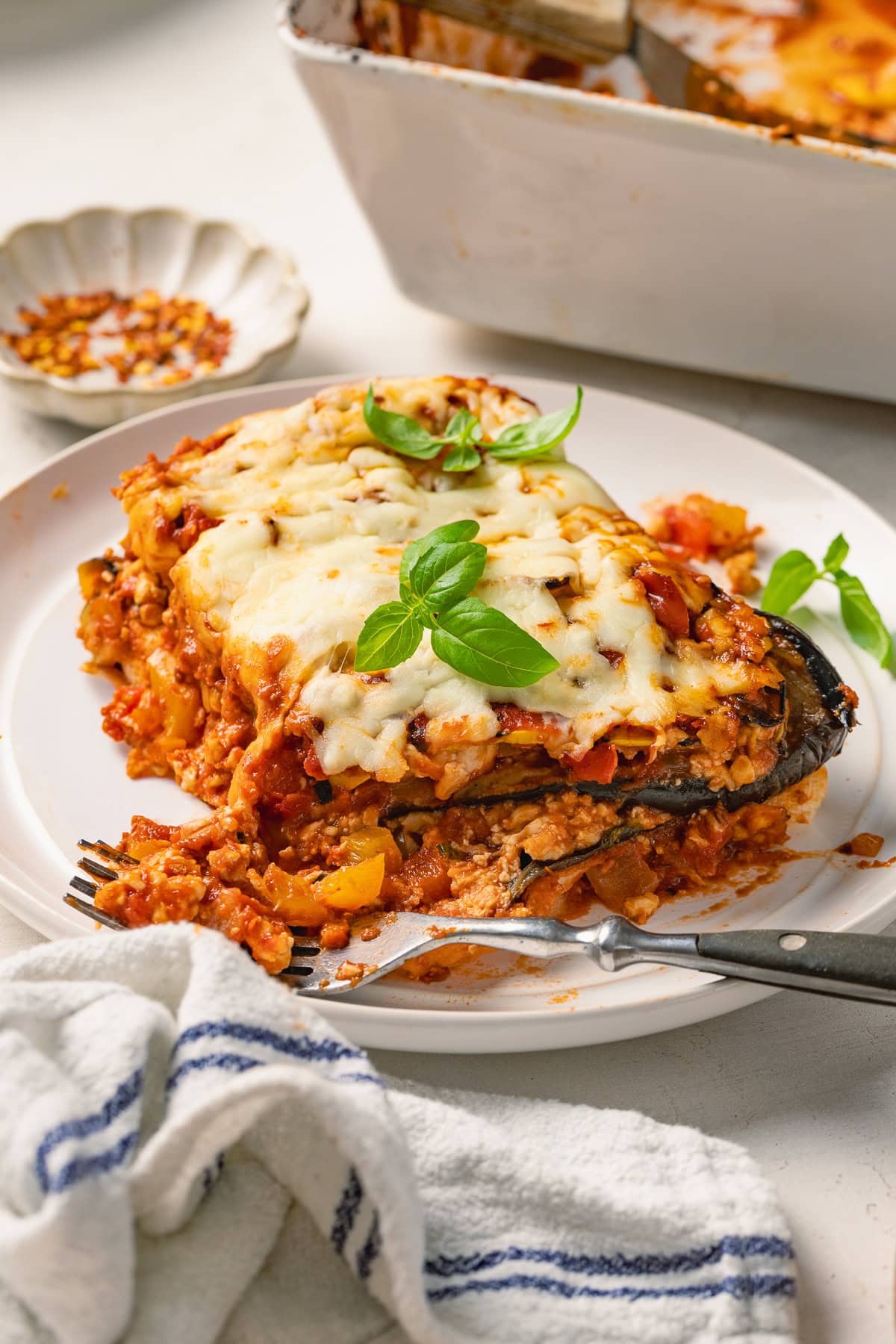
This Noodle-less Ratatouille Lasagna is a high-protein, gluten-free vegetarian dinner made with summer vegetables and cottage cheese, with over 39g protein per serving.
The genesis of this recipe stems from a recognized challenge in vegetarian meal planning: achieving adequate protein intake without resorting to highly processed ingredients. This culinary innovation directly addresses that concern, drawing inspiration from the author’s work on a high-protein vegetarian cookbook. The Noodle-less Ratatouille Lasagna ingeniously utilizes thinly sliced summer vegetables like eggplant, zucchini, and summer squash as the "noodles," creating layers that are both visually appealing and texturally satisfying. This approach not only minimizes carbohydrates but also maximizes the nutritional benefits of fresh produce. The dish further echoes the comfort of classic Italian-American fare, reminiscent of other vegetable-forward gratins like zucchini lasagna and eggplant parmesan, but with a distinct Provençal flair.

The strategic substitution of ricotta cheese with cottage cheese is a key factor in the recipe’s high-protein profile. Cottage cheese, a readily available and versatile dairy product, provides a substantial protein boost, making this dish a complete and filling main course. This conscious design choice caters to health-conscious individuals, athletes, and anyone seeking to increase their protein consumption through wholesome food sources. The fusion of French ratatouille elements with Italian lasagna structure results in a harmonious blend of flavors and culinary traditions, offering a sophisticated yet accessible dining experience.
The Science Behind the Success: Why This Recipe Stands Out
The Noodle-less Ratatouille Lasagna is not merely a novel concept; it’s a carefully engineered dish that prioritizes both health and taste. Several factors contribute to its efficacy and appeal:

- Protein Powerhouse: The primary driver of its success is its exceptionally high protein content, exceeding 39 grams per serving. This is achieved through the liberal use of cottage cheese, a complete protein source that aids in satiety and muscle repair. For vegetarians, meeting daily protein recommendations can sometimes be a hurdle, and this recipe offers a delicious and accessible solution.
- Gluten-Free by Design: By eliminating traditional pasta, the dish naturally becomes gluten-free, making it suitable for individuals with celiac disease or gluten sensitivities. This broadens its accessibility and appeal within the dietary needs community.
- Vegetable-Centric Nutrition: The recipe celebrates the bounty of summer produce, incorporating a medley of vegetables like eggplant, zucchini, and tomatoes. These vegetables are rich in fiber, vitamins, minerals, and antioxidants, contributing to overall health and well-being. The method of thinly slicing and layering these vegetables mimics the texture of pasta, providing a satisfying mouthfeel without the carbohydrates.
- Flavorful Fusion: The dish masterfully blends the rustic charm of ratatouille – a classic French vegetable stew featuring tomatoes, zucchini, eggplant, bell peppers, and onions – with the comforting structure of Italian lasagna. This cross-cultural culinary approach results in a complex and deeply satisfying flavor profile.
- Adaptability and Versatility: While the core recipe focuses on classic ratatouille ingredients, it offers room for variation, allowing individuals to adapt it to their preferences or available produce. This inherent flexibility makes it a sustainable addition to any home cook’s repertoire.
A Culinary Journey: From Inspiration to Innovation
The development of this recipe highlights a thoughtful approach to creating nutritious and appealing vegetarian meals. The author’s experience in developing a high-protein cookbook underscored the need for dishes that are both protein-rich and minimally processed. Traditional vegetarian protein sources often include legumes, tofu, tempeh, and dairy. This recipe strategically employs cottage cheese, a dairy product known for its high protein density and versatility, as a primary protein contributor.
The inspiration drawn from existing recipes like zucchini lasagna and eggplant parmesan indicates a desire to build upon familiar comfort food structures while introducing new flavor profiles and nutritional benefits. The ratatouille element provides a fresh, seasonal twist, emphasizing the natural sweetness and vibrant colors of summer vegetables. The method of using vegetables as "noodles" is a technique seen in various low-carb and gluten-free recipes, but here it is elevated by the specific flavor profile of ratatouille.
Crafting the Noodle-less Ratatouille Lasagna: A Step-by-Step Guide
Creating this innovative dish involves a few key steps, emphasizing precision and technique to achieve the best results.
Essential Ingredients:
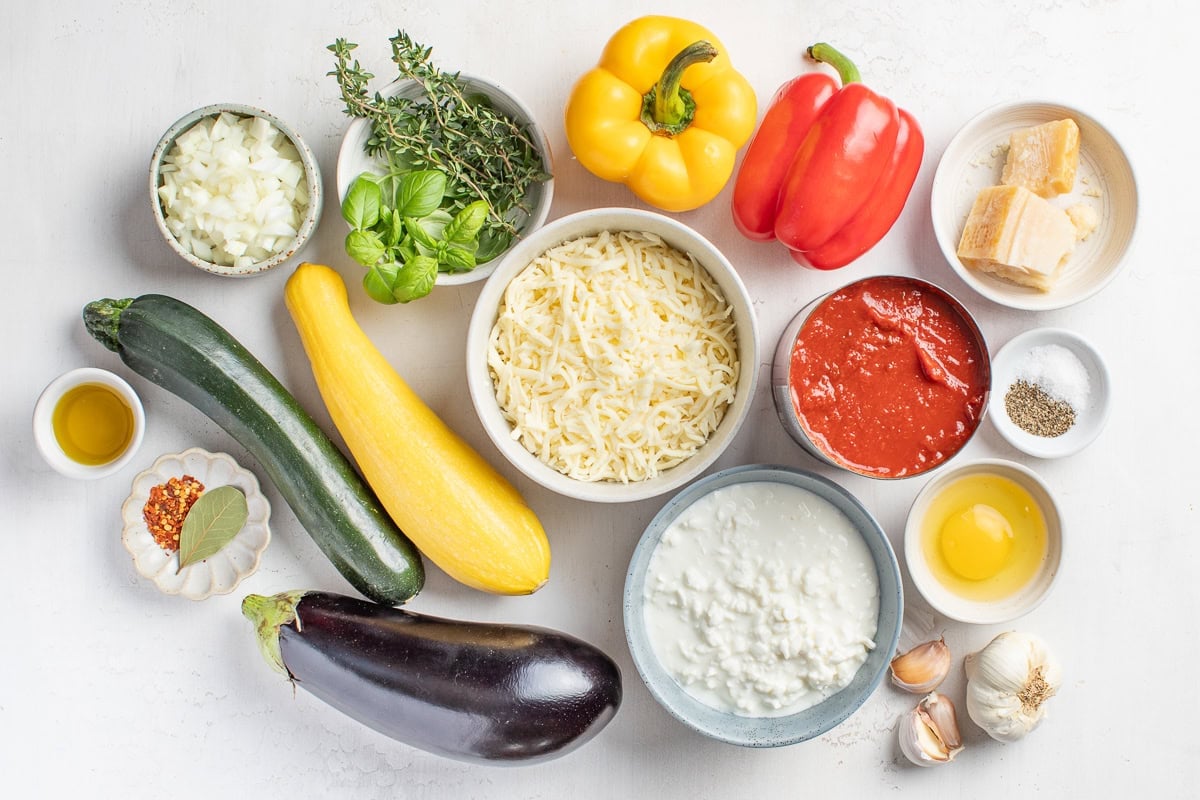
The foundation of this recipe lies in fresh, high-quality ingredients. A well-stocked pantry and a visit to the local farmer’s market will set the stage for culinary success.
-
For the Cheese Filling:
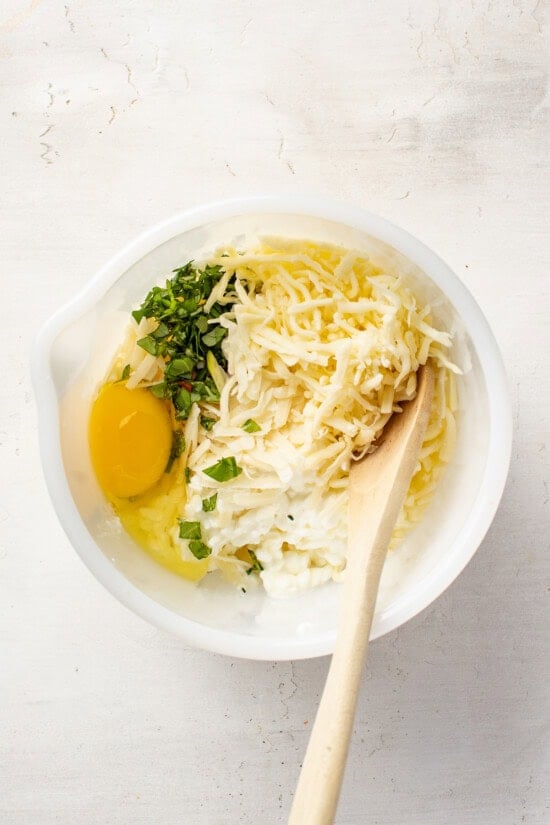
- Low-fat or full-fat cottage cheese: This is the protein workhorse, providing creaminess and a substantial protein boost.
- Egg: Acts as a binder, helping to set the cheese mixture during baking.
- Parmesan cheese: Adds a salty, umami depth and helps create a golden crust.
- Fresh herbs: Parsley and basil, finely chopped, infuse the filling with aromatic freshness.
- Salt and freshly ground black pepper: To season and enhance the overall flavor.
-
For the Vegetables and Sauce:
- Eggplant: A key component, providing a firm texture and absorbing flavors beautifully.
- Zucchini: Adds a tender bite and complements the eggplant.
- Summer squash (optional): For added variety in texture and flavor.
- Olive oil: Used for sautéing and roasting vegetables, contributing to richness.
- Onion and garlic: The aromatic base of the sauce, providing essential savory notes.
- Crushed tomatoes: Forms the rich, tomato-based sauce that binds the layers.
- Herbs: Thyme and oregano, fresh or dried, contribute classic ratatouille aromatics.
- Bay leaf: Adds a subtle depth to the simmering sauce.
- Salt and freshly ground black pepper: To season the sauce to perfection.
- Mozzarella cheese: For the crowning layer of melted, gooey cheese.
Methodical Preparation:
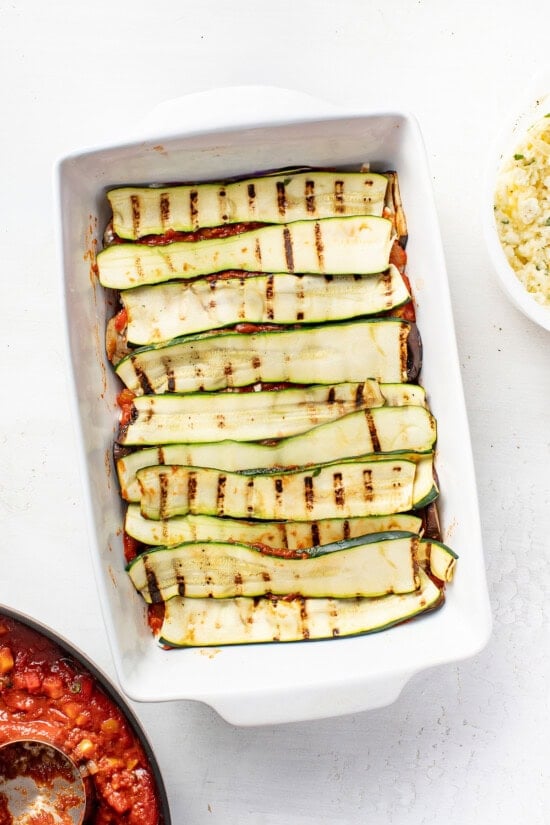
- Vegetable Preparation: The key to a successful noodle-less lasagna is thinly and evenly slicing the vegetables. A mandolin slicer is highly recommended for achieving consistent 1/8-inch thick planks of eggplant, zucchini, and summer squash. To mitigate the risk of watery lasagna, it is crucial to remove excess moisture from these vegetables. This can be achieved by lightly grilling or roasting the sliced vegetables for a short period, allowing excess water to evaporate. This step is vital for preventing a soggy final product.
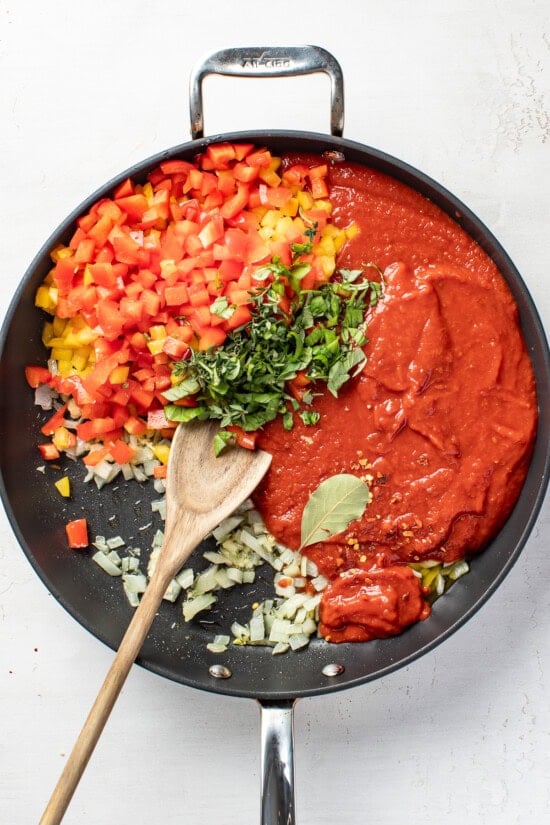
- Sauce Creation: A rich and flavorful tomato sauce is essential. Sautéing finely chopped onion and garlic in olive oil forms the aromatic base. This is followed by the addition of crushed tomatoes, herbs, a bay leaf, salt, and pepper. The sauce is then simmered to allow the flavors to meld and thicken.
- Cheese Filling Assembly: In a separate bowl, combine the cottage cheese, egg, grated Parmesan, chopped fresh herbs, salt, and pepper. Mix thoroughly until well combined. This mixture will provide the creamy, protein-rich layer between the vegetable "noodles."
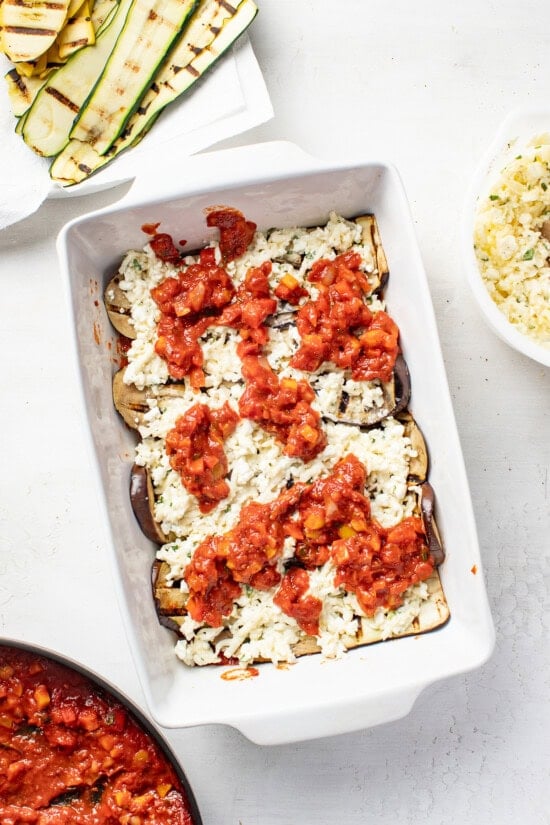
- Layering the Lasagna: Begin by spreading a thin layer of the tomato sauce on the bottom of a baking dish. Arrange a layer of the prepared vegetable planks over the sauce, overlapping them slightly. Spoon half of the cottage cheese mixture evenly over the vegetable layer. Add another layer of sauce, followed by another layer of vegetable planks. Spread the remaining cottage cheese mixture over this layer. Top with a final layer of vegetable planks, followed by the remaining tomato sauce.
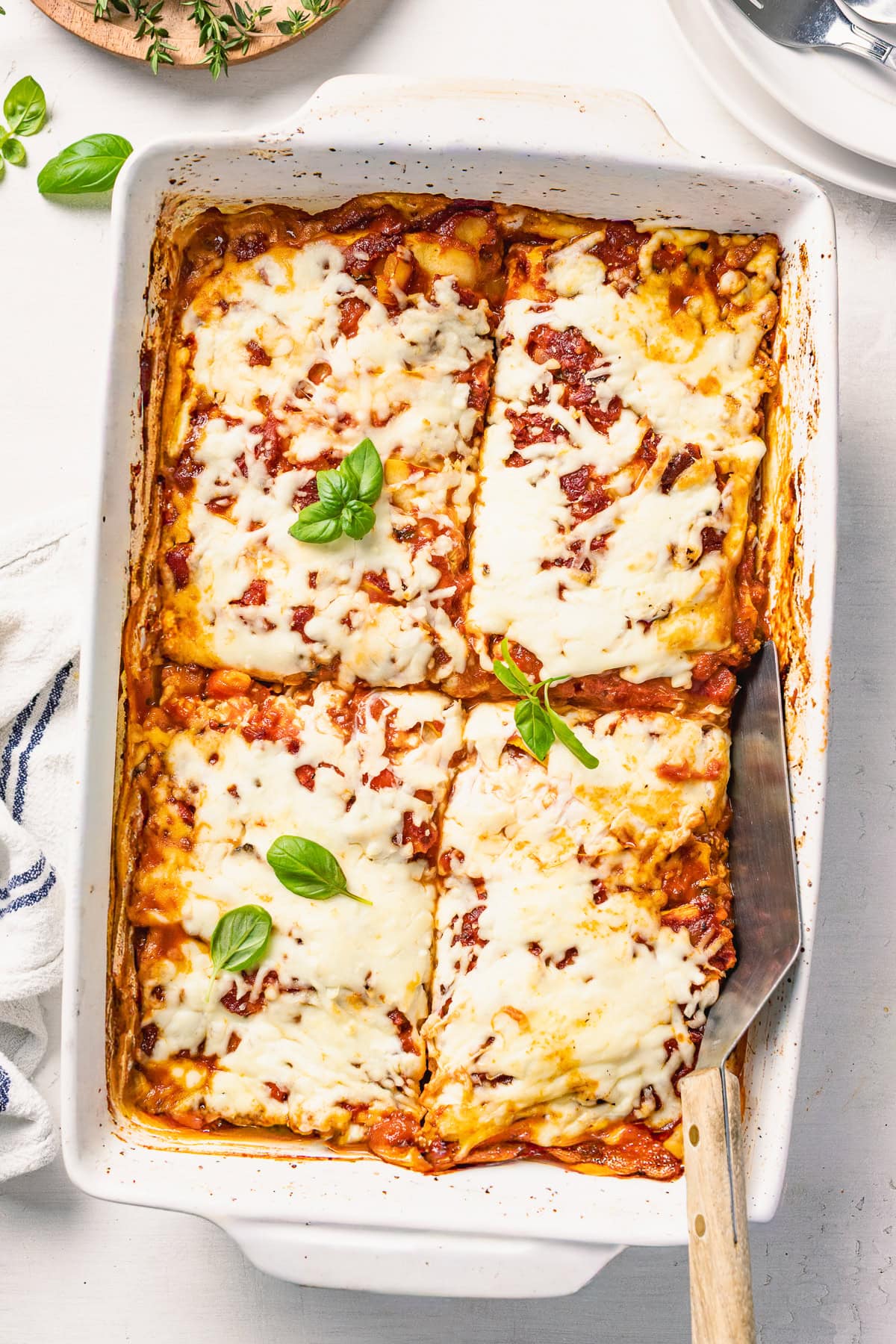
- Baking to Perfection: Sprinkle a generous amount of shredded mozzarella cheese over the top. Cover the baking dish with foil and bake in a preheated oven (typically around 375°F or 190°C) for a specified duration, allowing the lasagna to cook through and the flavors to meld. The foil helps to steam the vegetables and prevent the top from browning too quickly.
- Finishing Touches: For a beautifully golden and slightly crisp top, remove the foil during the last 15-20 minutes of baking. Allow the lasagna to rest for at least 10 minutes after removing it from the oven before slicing and serving. This resting period is crucial for the layers to set, ensuring clean portions.
Nutritional Spotlight: A Health-Conscious Choice
The Noodle-less Ratatouille Lasagna stands out not only for its innovative approach to vegetarian cooking but also for its impressive nutritional profile.
- Protein Dominance: With over 39 grams of protein per serving, this dish is an excellent option for individuals looking to increase their protein intake. Protein is vital for muscle building and repair, satiety, and overall metabolic function. This makes it an ideal meal for post-workout recovery or for those managing weight.
- Fiber-Rich: The abundance of vegetables, particularly eggplant and zucchini, contributes significant dietary fiber. Fiber is crucial for digestive health, helps regulate blood sugar levels, and promotes a feeling of fullness, which can aid in weight management.
- Lower Carbohydrate Content: By eliminating traditional pasta, the carbohydrate count is significantly reduced. This makes it a suitable option for those following low-carbohydrate diets or looking to manage their glycemic intake.
- Micronutrient Powerhouse: The diverse range of vegetables provides a spectrum of essential vitamins and minerals, including Vitamin C, Vitamin A, potassium, and magnesium, contributing to overall health and vitality.
A typical serving (1/4th of the lasagna) provides approximately 415 calories, 37g carbohydrates, 39g protein, 16.5g fat, with 8g saturated fat, 95mg cholesterol, 1500mg sodium, and 12g fiber. The sodium content, while notable, can be managed by adjusting salt levels during cooking and opting for low-sodium tomato products.
Variations and Adaptations: Personalizing Your Lasagna
This versatile recipe lends itself well to a variety of modifications, allowing home cooks to tailor it to their specific tastes and dietary needs.
- Vegetable Swaps: While eggplant and zucchini are classic choices, other vegetables can be incorporated. Thinly sliced yellow squash, bell peppers, or even pre-cooked sweet potato planks can add unique flavors and textures.
- Cheese Variations: For those who prefer a different cheese profile, ricotta can be partially substituted for cottage cheese, or a blend of cheeses like mozzarella and Gruyère can be used for a richer flavor.
- Vegan Adaptation: To create a vegan version, a plant-based cottage cheese alternative can be used, and nutritional yeast can be incorporated for a cheesy flavor. Vegan mozzarella shreds can also be used as a topping.
- Herb Enhancements: Experiment with different fresh herbs like rosemary or thyme in the cheese filling or sauce for a nuanced flavor profile. A pinch of red pepper flakes can add a touch of heat.
Storage and Preparation Ahead of Time
The Noodle-less Ratatouille Lasagna is an excellent candidate for make-ahead preparation, a significant advantage for busy individuals and families.
- Make-Ahead Assembly: The entire lasagna can be assembled up to 24 hours in advance. Once assembled, cover it tightly with plastic wrap and then aluminum foil, and refrigerate. When ready to bake, remove the lasagna from the refrigerator while the oven preheats. This allows it to come closer to room temperature, ensuring more even cooking. Bake as directed, potentially adding a few extra minutes to account for the colder starting temperature.
- Freezing Instructions: For longer-term storage, it is generally recommended to freeze the lasagna uncooked. Assemble it in a freezer-safe baking dish, ensuring it is well-covered with plastic wrap and then a layer of aluminum foil to prevent freezer burn. Thaw the lasagna completely in the refrigerator the day before baking. Bake as per the recipe instructions.
- Leftover Storage: Cooked leftovers can be stored in an airtight container in the refrigerator for up to 3-4 days. Reheat individual portions in the oven or microwave until warmed through.
Frequently Asked Questions
Addressing common queries can further enhance the user’s experience and success with this recipe.
- How to Prevent a Watery Vegetable Lasagna: The primary concern with vegetable lasagnas is excess moisture. To combat this, ensure vegetables are sliced thinly and evenly. Grilling or roasting them beforehand to release moisture is a critical step. Draining cottage cheese before mixing and allowing the lasagna to rest after baking also helps reduce liquid content. Baking uncovered for the latter part of the cooking time can also aid in evaporation.
- Can This Lasagna Be Made Ahead of Time?: Yes, the dish can be fully assembled and refrigerated overnight. It should be baked the following day, potentially with a slightly extended cooking time.
- Is It Better to Freeze Lasagna Cooked or Uncooked?: For this recipe, freezing it uncooked is generally preferred. This allows for optimal texture upon thawing and baking. Thawing in the refrigerator overnight before baking is recommended.
The Noodle-less Ratatouille Lasagna represents a significant advancement in healthy vegetarian cuisine, offering a delicious, protein-rich, and gluten-free meal that celebrates the vibrant flavors of seasonal produce. Its innovative approach to replacing traditional pasta with nutrient-dense vegetables, combined with the protein-boosting power of cottage cheese, makes it a compelling option for anyone seeking a satisfying and wholesome dining experience.