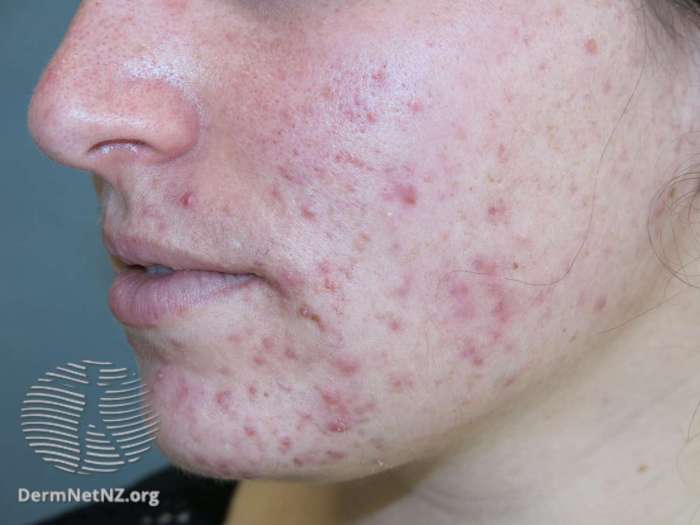
What is a lesion? This deep dive explores the fascinating world of lesions, from their basic definitions and diverse types to their diagnosis, development, impact, treatment, and prevention. We’ll uncover the intricacies of these often-overlooked biological events and understand their role in various bodily systems.
Lesions are areas of tissue damage or abnormality. They can be caused by a wide range of factors, from injury and inflammation to infections and tumors. Understanding their characteristics, causes, and potential consequences is crucial for effective diagnosis and treatment.
Defining Lesion
A lesion, in the broadest sense, is any detectable abnormality in an organ or tissue. It’s a discernible change from the normal structure or function, often caused by disease, injury, or other pathological processes. Lesions can range from minor, temporary disruptions to severe, permanent damage. Understanding lesions is crucial in various medical fields, from dermatology to oncology, as they provide vital clues about the underlying cause and potential treatment strategies.Lesions are diverse in their appearance, location, and etiology.
They can be visible as a skin discoloration, a lump, a wound, or an internal abnormality detected through imaging or biopsy. Recognizing the specific characteristics of a lesion is essential for accurate diagnosis and appropriate management.
A lesion, basically, is an abnormal tissue growth. It can be benign or, unfortunately, cancerous, like in the case of stage 4 pancreatic cancer. Understanding what constitutes a lesion is key to early detection and treatment. Different types of lesions can manifest in various ways, affecting different parts of the body. Further research into the specific symptoms and diagnosis of a lesion, like the ones seen in stage 4 pancreatic cancer , is essential to a complete picture of the medical condition.
General Characteristics of Lesions
Lesions exhibit a wide array of characteristics, including size, shape, color, texture, and location. Their appearance and location often provide valuable clues about the underlying cause and potential severity. For instance, a small, raised, red bump on the skin might indicate a minor infection, while a large, irregularly shaped mass in the lung could signal a more serious condition like cancer.
Classification of Lesions
Lesions can be classified in several ways, each highlighting different aspects of the pathology. One common method involves categorizing them based on the underlying cause or mechanism. This approach groups lesions into categories such as inflammatory, neoplastic, traumatic, infectious, and vascular.
Types of Lesions
| Type of Lesion | Description | Examples | Characteristics |
|---|---|---|---|
| Inflammatory | These lesions result from an immune response to injury, infection, or irritation. | Inflamed skin, acne, dermatitis | Redness, swelling, heat, pain, sometimes pus formation. |
| Neoplastic | Neoplastic lesions arise from uncontrolled cell growth and proliferation, potentially forming tumors. | Benign tumors (e.g., moles), malignant tumors (e.g., cancers) | Varying sizes and shapes; often rapid growth; can be benign or malignant, depending on the cells involved. |
| Traumatic | These lesions are caused by physical injury, such as cuts, bruises, or fractures. | Abrasions, lacerations, contusions, fractures | Visible damage; often associated with pain and bleeding. |
| Infectious | Lesions caused by pathogens, such as bacteria, viruses, or fungi. | Boils, cold sores, fungal infections | Varying appearance, often associated with symptoms of infection like fever or malaise. |
| Vascular | Lesions involving blood vessels, such as bleeding or inflammation of the vessels. | Hematoma, varicose veins, blood clots | Possible bleeding, discoloration, swelling, or pain, depending on the nature and location of the affected vessel. |
Types of Lesions
Lesions, as we’ve established, are any abnormal changes in tissues or organs. Understanding the different types of lesions is crucial for diagnosis and treatment. They can range from seemingly insignificant skin marks to severe internal organ damage. This exploration delves into the diverse categories of lesions, their potential causes, and associated symptoms.Beyond the basic definition, appreciating the variations within these categories allows for a more nuanced approach to evaluating health conditions.
A lesion, basically, is any sort of abnormal tissue change. It could be a cut, a bruise, or something more complex. Sometimes, dealing with digestive issues, like constipation, can lead to discomfort and even the need for a laxative like Dulcolax. Knowing how long it takes Dulcolax to work can be helpful for managing those symptoms. For example, check out this resource to understand the typical timeframes for Dulcolax effectiveness how long does it take dulcolax to work.
Ultimately, understanding the cause of a lesion, whether it’s from injury or an underlying health issue, is crucial for proper diagnosis and treatment.
Different lesions can have distinct appearances, locations, and underlying causes, which are critical factors in determining the appropriate course of action.
Skin Lesions
Skin lesions are visible abnormalities on the skin’s surface. They encompass a wide spectrum, from common moles to more serious conditions. Identifying these variations is vital for appropriate medical intervention.
- Benign Skin Lesions: These are non-cancerous growths that typically do not pose a significant health risk. Examples include moles (nevi), freckles, and skin tags. These lesions often develop due to genetic predisposition, sun exposure, or hormonal changes. Their appearance can vary, from small, flat spots to raised, textured growths.
- Malignant Skin Lesions: These are cancerous growths and require prompt medical attention. Examples include basal cell carcinomas, squamous cell carcinomas, and melanomas. Factors contributing to their development often include excessive sun exposure, a weakened immune system, and a family history of skin cancer.
- Inflammatory Skin Lesions: These lesions arise from inflammation within the skin, often triggered by infections, allergies, or autoimmune diseases. Examples include acne, eczema, and psoriasis. These lesions can manifest as redness, swelling, itching, and sometimes blistering.
Internal Organ Lesions
Internal organ lesions affect the internal structures of the body, including organs like the heart, lungs, liver, and kidneys. Detecting and diagnosing these lesions can be complex and often requires advanced medical imaging techniques.
- Trauma-Induced Lesions: These lesions result from physical injury to an internal organ. Examples include blunt force trauma, penetrating injuries, and complications from surgery. Symptoms can vary significantly based on the affected organ and the extent of the damage.
- Infectious Lesions: Infections within organs can lead to various types of lesions. Examples include abscesses (collections of pus) in the liver or kidneys, and inflammatory responses triggered by viral or bacterial pathogens. Identifying the specific infectious agent is crucial for effective treatment.
- Degenerative Lesions: These lesions often develop gradually, as a result of progressive deterioration of tissues or organs. Examples include cirrhosis of the liver, and kidney failure, frequently linked to factors like chronic alcohol consumption or diabetes.
Symptoms of Skin Lesions
Identifying the symptoms associated with various skin lesions can aid in early detection and appropriate medical intervention.
| Type of Lesion | Symptoms |
|---|---|
| Benign Skin Lesions | Usually asymptomatic or present with minor discomfort; variations in color, size, and shape. |
| Malignant Skin Lesions | Changes in size, shape, color, or texture of existing lesions; bleeding, itching, pain, or crusting; asymmetry, irregular borders, uneven color, and large diameter. |
| Inflammatory Skin Lesions | Redness, swelling, itching, pain, blistering, scaling, and sometimes crusting. |
Diagnostic Methods
Uncovering the nature and extent of a lesion is crucial for effective treatment. Accurate diagnosis relies heavily on a variety of diagnostic methods, each with its own strengths and limitations. This section delves into the various techniques used to identify and characterize lesions, highlighting the principles behind each approach.Diagnostic techniques provide vital information for clinicians to understand the characteristics of a lesion, leading to a more accurate prognosis and tailored treatment plan.
From simple visual assessments to complex imaging procedures, these methods play a key role in the management of patients with suspected lesions.
Imaging Techniques
Various imaging techniques are employed to visualize lesions, enabling clinicians to understand their location, size, shape, and internal structure. These techniques provide critical information for diagnosis, staging, and monitoring treatment response.
- X-rays: X-rays utilize ionizing radiation to produce images of dense structures within the body, such as bones and teeth. They are relatively inexpensive and quick to perform, making them suitable for initial screening and detecting fractures or foreign bodies. The principle behind X-rays is the differential absorption of radiation by different tissues, with denser tissues appearing whiter on the image.
A common example is detecting a fractured bone in a suspected injury.
- Computed Tomography (CT) Scans: CT scans employ X-rays in combination with computer processing to create cross-sectional images of the body. They provide detailed anatomical information about soft tissues and bones, offering superior resolution compared to standard X-rays. The principle involves rotating an X-ray source around the patient while simultaneously acquiring multiple images, which are then processed to create a three-dimensional representation. A CT scan is useful for visualizing lesions in the brain, lungs, and abdomen, identifying their extent and relation to surrounding structures.
- Magnetic Resonance Imaging (MRI): MRI utilizes strong magnetic fields and radio waves to generate detailed images of soft tissues. Unlike X-rays or CT scans, MRI does not use ionizing radiation. The principle is based on the interaction of radio waves with atomic nuclei within the body, allowing for the differentiation of various soft tissues with high precision. MRI is particularly valuable for visualizing soft tissue lesions, such as tumors, in the brain, spinal cord, and muscles.
Laboratory Tests
In addition to imaging, laboratory tests play a vital role in the diagnostic process. These tests provide crucial insights into the cellular and biochemical aspects of a lesion, helping to determine its nature and potential implications.
- Biopsy: A biopsy involves the removal of a small tissue sample from a lesion for microscopic examination. This procedure allows for the identification of cellular abnormalities, such as cancerous cells. The principle is to examine the tissue sample under a microscope to determine the presence and characteristics of cells. A biopsy is commonly performed for suspicious skin lesions or suspicious masses.
- Blood Tests: Blood tests can identify biomarkers associated with certain lesions. Elevated levels of specific proteins or markers can suggest the presence of an inflammatory process or malignancy. The principle behind blood tests is that specific substances associated with diseases or conditions will be present in elevated levels in the blood, providing valuable diagnostic information. For instance, elevated tumor markers may indicate the presence of cancer.
Comparative Analysis of Diagnostic Methods
| Diagnostic Procedure | Strengths | Weaknesses |
|---|---|---|
| X-rays | Relatively inexpensive, quick, good for initial screening | Limited soft tissue detail, potential for radiation exposure |
| CT Scan | Detailed anatomical information, good for soft tissues and bones, cross-sectional views | Higher radiation dose than X-rays, can be expensive |
| MRI | Excellent soft tissue contrast, no ionizing radiation, detailed 3D images | Longer scan times, can be expensive, not ideal for patients with metallic implants |
| Biopsy | Provides definitive tissue diagnosis | Invasive procedure, potential for complications |
| Blood Tests | Non-invasive, can identify biomarkers | May not always be specific, can be inconclusive |
Lesion Development
Understanding how a lesion progresses from its initial stages to more advanced forms is crucial for effective diagnosis and treatment. This knowledge allows healthcare professionals to anticipate potential complications and tailor interventions to the specific characteristics of the lesion. Different types of lesions exhibit varying rates of progression, and the mechanisms driving this progression can differ significantly depending on the underlying cause.The journey of a lesion is not a simple linear progression.
Instead, it’s a complex interplay of cellular and molecular events that can be influenced by factors like the patient’s immune response, genetic predisposition, and environmental conditions. This intricate dance often determines the severity and ultimate outcome of the lesion.
Stages of Lesion Development
The development of a lesion typically involves several stages, each characterized by distinct morphological and physiological changes. These stages are not always clearly defined, and transitions between them can be gradual.
- Initiation: This initial stage involves the trigger event that initiates the lesion’s formation. Examples include trauma, infection, or genetic mutations. The precise molecular mechanisms vary significantly based on the type of lesion. For example, in skin cancer, UV radiation exposure can damage DNA, triggering the initial steps of tumor formation.
- Progression: As the lesion develops, the affected cells undergo changes in their structure and function. These changes can include uncontrolled cell growth, altered gene expression, and the acquisition of invasive properties. This stage is marked by an increase in the lesion’s size and potentially its aggressiveness. In a chronic inflammatory condition, this phase may manifest as the gradual thickening of tissues or the development of scar tissue.
- Maturation: The lesion’s structure and cellular composition become more defined. This stage often involves the development of specialized tissue structures and the acquisition of specific characteristics that are unique to the type of lesion. A benign tumor, for example, may reach a point where it no longer shows aggressive growth.
- Regression: In some cases, the lesion may undergo regression, which involves the resolution of the lesion’s cellular abnormalities and the return to a normal state. However, not all lesions regress, and many progress to more advanced stages.
Mechanisms Driving Lesion Progression
Several mechanisms contribute to the progression of a lesion. These mechanisms can interact in complex ways, leading to diverse outcomes.
- Cellular proliferation: Uncontrolled cell growth is a hallmark of many lesions, particularly cancerous ones. This occurs due to mutations in genes that regulate cell division and growth. For example, mutations in oncogenes can lead to the activation of uncontrolled cell growth.
- Inflammation: Chronic inflammation plays a role in the development and progression of many lesions. The inflammatory response can trigger a cascade of events that promote tissue damage and cellular changes. In chronic inflammatory conditions, such as arthritis, persistent inflammation can contribute to the destruction of joint tissues.
- Genetic instability: Mutations in genes that control DNA repair can lead to genetic instability. This instability can further promote the accumulation of mutations, driving the progression of lesions like cancer.
Comparison of Lesion Development Rates
The rate at which a lesion develops varies greatly depending on several factors.
| Lesion Type | Typical Development Rate | Factors Influencing Rate |
|---|---|---|
| Benign tumors | Slow | Genetic predisposition, environmental factors |
| Malignant tumors | Variable, can be rapid | Genetic mutations, immune response, tumor microenvironment |
| Inflammatory lesions | Variable, can be acute or chronic | Severity of initiating insult, immune response |
Flowchart for Evaluating a Lesion
A standardized approach to evaluating a lesion is critical.
- Patient History: Gathering information about the lesion’s appearance, location, symptoms, and medical history is essential. A thorough patient history can provide valuable insights into the potential cause of the lesion.
- Physical Examination: A careful physical examination of the lesion is crucial for assessing its size, shape, color, and consistency. This step helps in classifying the lesion and determining its characteristics.
- Diagnostic Tests: Depending on the suspected nature of the lesion, various diagnostic tests, such as biopsies, imaging studies, or laboratory tests, may be required. These tests can provide detailed information about the lesion’s cellular structure and composition.
- Histopathological Analysis: Examination of tissue samples under a microscope allows for detailed analysis of the lesion’s cellular characteristics. This is critical in differentiating benign from malignant lesions.
- Staging and Grading: For malignant lesions, staging and grading help determine the extent of the disease and its aggressiveness. This information is essential for treatment planning.
Impact and Consequences
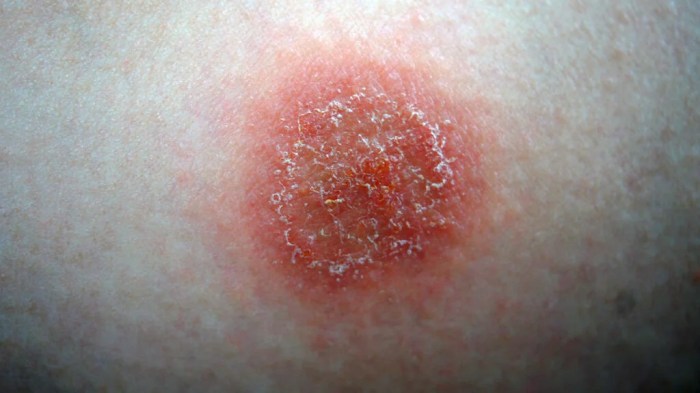
Lesions, regardless of their origin or type, can significantly impact a person’s health and well-being. The severity of these impacts depends heavily on the lesion’s size, location, and the underlying tissues involved. Understanding these potential consequences is crucial for both preventative measures and effective treatment strategies. Proper diagnosis and management are vital to minimize long-term complications.The consequences of untreated lesions can range from mild discomfort to life-threatening conditions.
A lesion, basically, is any sort of abnormality or damage to tissue. It can be anything from a small cut to a more serious condition. This can sometimes relate to respiratory issues, like those that arise from exposure to irritants like those in electronic cigarettes. Learning about the potential health effects of electronic cigarettes and how they might trigger allergies and asthma is important, as covered in this resource on electronic cigarettes allergies asthma.
Ultimately, understanding lesions involves recognizing the many different types and potential causes, and how they impact the body.
Prompt medical attention is essential to determine the best course of action and prevent further damage. The type of lesion, its location, and the patient’s overall health will all influence the specific impact and potential complications. Early intervention can significantly improve outcomes and reduce the likelihood of serious problems.
Potential Impacts on the Body
Lesions can affect various bodily functions and systems, depending on their location and nature. A skin lesion, for example, might primarily affect appearance and cause discomfort, whereas a lesion in the brain could lead to neurological impairments. The impact on the body can range from localized effects to systemic consequences, affecting multiple organ systems.
Consequences of Untreated Lesions
Untreated lesions can lead to a variety of complications. These range from localized infections and scarring to more serious conditions, depending on the type and location of the lesion. Delayed treatment can worsen the underlying condition, leading to long-term health problems. For example, a cancerous lesion left untreated can spread to other parts of the body, resulting in metastasis and a significantly reduced life expectancy.
Impact on Patient Well-being
Beyond physical consequences, lesions can significantly impact a patient’s overall well-being. A visible lesion can cause emotional distress, impacting self-esteem and body image. Pain, discomfort, and functional limitations associated with some lesions can affect a patient’s quality of life and daily activities. Furthermore, the emotional toll of a serious diagnosis and the uncertainty surrounding treatment can also contribute to a patient’s overall well-being.
Table Summarizing Possible Complications
| Lesion Type | Potential Complications (Untreated) |
|---|---|
| Skin Lesions (e.g., cuts, burns, wounds) | Infection, scarring, impaired function of the affected area, chronic pain, delayed healing |
| Inflammatory Lesions (e.g., arthritis, inflammation in organs) | Chronic pain, joint damage, organ dysfunction, autoimmune disorders, long-term disability |
| Neoplastic Lesions (e.g., tumors) | Cancer spread (metastasis), organ damage, loss of function, pain, disfigurement, death |
| Neurological Lesions (e.g., brain tumors, strokes) | Loss of motor skills, cognitive impairment, speech difficulties, paralysis, seizures, pain, emotional changes |
Treatment Options
Treating lesions effectively hinges on understanding their underlying cause and type. Different lesions respond to various treatments, ranging from simple topical applications to complex surgical procedures. The goal is to minimize the lesion’s impact, prevent further complications, and restore the affected area to its normal state. Success often depends on early diagnosis and appropriate intervention.
Approaches to Lesion Treatment
Various treatment approaches are employed, tailored to the specific characteristics of the lesion. These strategies aim to remove, repair, or alter the lesion’s growth and appearance. Surgical excision, often involving the removal of the lesion with surrounding tissue, is a common technique. Medical treatments, like topical creams or oral medications, target the underlying causes of the lesion.
Other therapies, such as laser therapy or cryotherapy, offer alternative methods for lesion management. The chosen treatment strategy is influenced by the lesion’s size, location, depth, and potential for recurrence.
Surgical Interventions
Surgical interventions are crucial for treating certain types of lesions. Procedures such as excision, curettage, and Mohs surgery are employed depending on the lesion’s nature and location. Excision involves surgically removing the lesion and a small margin of surrounding healthy tissue. Curettage involves scraping away the lesion, often followed by cauterization to stop bleeding. Mohs surgery is a specialized technique for removing skin cancers, ensuring precise removal of all cancerous tissue.
Surgical options are frequently employed for lesions that are suspicious for malignancy or those that pose a significant risk of complications.
Medical Treatments, What is a lesion
Medications play a vital role in managing lesions, especially those with underlying inflammatory or infectious causes. Topical creams, ointments, and lotions are often used to treat superficial lesions, like skin infections or eczema. Oral medications, prescribed by a physician, are used for systemic conditions affecting multiple lesions or those stemming from internal factors. Examples include antibiotics for bacterial infections, antivirals for viral infections, and immunosuppressants for certain inflammatory skin conditions.
These treatments are generally effective for benign lesions but may not be suitable for deeply embedded or aggressively growing lesions.
Other Therapies
Other therapies, including cryotherapy, laser therapy, and photodynamic therapy, are used for specific types of lesions. Cryotherapy involves freezing the lesion with liquid nitrogen, often used for small, superficial lesions. Laser therapy uses concentrated light to target and destroy the lesion, commonly employed for vascular lesions or certain skin growths. Photodynamic therapy uses light-sensitive drugs to target and destroy specific cells, often employed for cancerous lesions.
The choice of therapy depends on factors like lesion type, size, location, and potential complications.
Treatment Options Table
| Lesion Type | Surgical Interventions | Medications | Other Therapies |
|---|---|---|---|
| Skin cancer (basal cell carcinoma) | Excision, Mohs surgery | Topical creams, immunotherapy | Laser therapy |
| Warts | Cryotherapy, excision | Salicylic acid | Laser therapy |
| Actinic keratosis | Excision, cryotherapy | Topical retinoids, 5-fluorouracil | Photodynamic therapy |
| Skin tags | Excision | None typically required | Electrocautery |
| Infected wounds | Debridement | Antibiotics | None typically required |
Lesions in Specific Systems
Delving deeper into the intricate world of lesions, we now explore their manifestation within various body systems. Understanding how lesions present in specific organs and tissues is crucial for accurate diagnosis and effective treatment. This exploration will highlight the unique characteristics, diagnostic considerations, and treatment approaches tailored to each system.Specific characteristics of lesions in the cardiovascular, respiratory, and neurological systems often present with unique symptoms and require tailored diagnostic approaches.
The treatments for lesions within these systems can vary greatly based on the specific type of lesion, its location, and the patient’s overall health.
Cardiovascular System Lesions
Lesions in the cardiovascular system can range from atherosclerosis-induced plaque buildup to more acute events like myocardial infarctions. Accurate diagnosis is paramount for timely intervention and preventing severe complications.
Understanding the nuances of cardiovascular lesions requires a thorough evaluation of the patient’s medical history, risk factors, and physical examination findings. This is crucial to determine the type and extent of the lesion.
| Symptom | Diagnostic Method | Treatment Options |
|---|---|---|
| Chest pain, shortness of breath, palpitations | Electrocardiogram (ECG), echocardiogram, cardiac catheterization, coronary angiography | Medication (e.g., antiplatelet drugs, beta-blockers), lifestyle modifications (e.g., diet, exercise), surgical interventions (e.g., angioplasty, bypass surgery) |
| Peripheral artery disease symptoms (e.g., claudication, numbness) | Physical examination, ankle-brachial index (ABI) measurement, Doppler ultrasound, angiography | Medication (e.g., statins, antiplatelet drugs), lifestyle modifications, surgical revascularization procedures |
| Heart valve abnormalities (e.g., stenosis, regurgitation) | Echocardiography, cardiac catheterization, transesophageal echocardiography | Medication (e.g., anticoagulants, diuretics), surgical valve replacement |
Accurate diagnosis in cardiovascular lesions is critical for effective management. Early detection and intervention are vital to prevent complications like heart failure, stroke, and sudden cardiac death. Examples of such situations include the detection of early atherosclerosis in patients with elevated cholesterol, leading to prompt lifestyle changes and medication to mitigate the risk of future heart attacks.
Respiratory System Lesions
Lesions within the respiratory system can manifest as infections, tumors, or inflammatory conditions, each demanding unique diagnostic and treatment approaches. Specific symptoms, such as cough, shortness of breath, and chest pain, may point to the location and nature of the lesion.
Diagnosis of respiratory lesions often involves a combination of clinical evaluation, imaging techniques, and laboratory tests. Thorough assessment of the patient’s medical history, symptoms, and physical examination findings is vital to guide the diagnostic process.
Treatment options vary depending on the specific type of lesion, ranging from antibiotics for infections to surgical interventions for tumors. For example, lung cancer often necessitates a combination of chemotherapy, radiation therapy, and potentially surgery.
Neurological System Lesions
Lesions in the neurological system can be caused by a variety of factors, including trauma, infections, vascular events, or tumors. These lesions can manifest in a wide range of symptoms, affecting motor function, sensation, cognition, and behavior.
Diagnostic approaches for neurological lesions often include a comprehensive neurological examination, imaging studies (such as MRI and CT scans), and electrophysiological tests (like EEG). The diagnostic approach is further tailored to the specific symptoms and suspected etiology of the lesion.
Treatment options for neurological lesions depend on the specific cause, location, and severity of the lesion. For example, stroke often requires immediate interventions, such as thrombolytic therapy, to limit the extent of brain damage.
Prevention and Management: What Is A Lesion
Lesions, while often a consequence of various factors, can sometimes be prevented or their impact mitigated through proactive measures. Early detection and prompt management are crucial for minimizing the severity and long-term consequences of lesions. This section delves into strategies for preventing lesion development and highlights the importance of early intervention.Effective lesion prevention and management rely on a multifaceted approach that considers individual risk factors and lifestyle choices.
By understanding the potential triggers and adopting preventative measures, individuals can significantly reduce their risk of developing lesions and improve their overall well-being.
Strategies for Preventing Lesion Development
Preventive measures for lesion development often involve addressing the underlying causes. This can include modifying lifestyle choices, maintaining a healthy diet, and seeking medical attention for any concerning symptoms. Early detection and management play a crucial role in mitigating the long-term impact of lesions.
Importance of Early Detection and Management
Early detection and management of lesions are paramount to successful outcomes. Prompt intervention can often prevent the lesion from worsening, reduce the risk of complications, and improve the overall prognosis. The earlier a lesion is identified, the more effective treatment options are likely to be, and the lower the chance of long-term problems.
Examples of Preventive Measures
Numerous preventive measures can help minimize the risk of developing various types of lesions. These include maintaining a balanced diet rich in essential nutrients, regular exercise to promote overall health, and avoiding exposure to known irritants or harmful substances. Protection from UV radiation, particularly through sunscreen use, is essential in preventing skin lesions. Avoiding repetitive stress on specific body parts is also important.
Recommendations for Lifestyle Choices
| Lifestyle Choice | Impact on Lesion Types |
|---|---|
| Balanced Diet (rich in fruits, vegetables, and whole grains) | Reduces risk of nutritional deficiencies that can contribute to certain lesions. |
| Regular Exercise | Enhances circulation and immune function, potentially reducing lesion development and severity. |
| Stress Management Techniques (e.g., meditation, yoga) | Reduces stress-related hormonal imbalances that can contribute to certain lesion types. |
| Sun Protection (use of sunscreen with SPF 30 or higher) | Minimizes UV radiation exposure, reducing the risk of skin lesions like actinic keratoses and skin cancers. |
| Avoiding Smoking and Excessive Alcohol Consumption | Reduces oxidative stress and inflammation, potentially lowering the risk of various lesion types. |
| Regular Dental Hygiene (brushing and flossing) | Prevents oral lesions like gingivitis and oral cancers. |
| Protective Gear (e.g., helmets, safety glasses) | Reduces risk of trauma-related lesions in specific areas like the head and eyes. |
“A proactive approach to health, including balanced nutrition, regular exercise, and stress management, significantly reduces the risk of developing various types of lesions.”
Last Recap
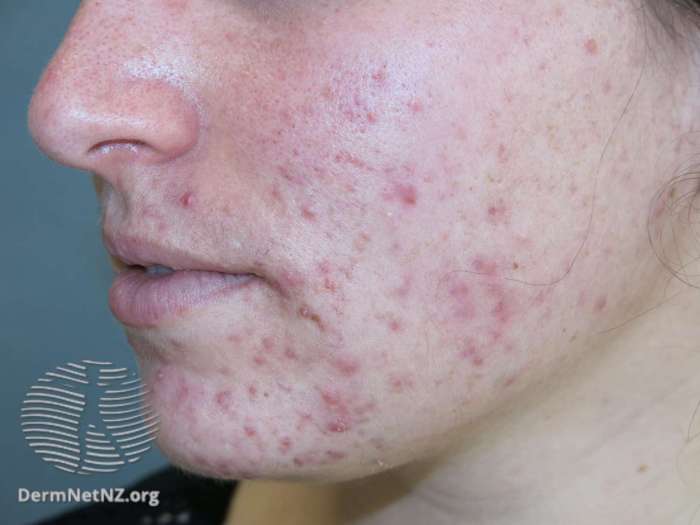
In conclusion, lesions represent a broad spectrum of tissue abnormalities with varying causes and consequences. From their initial stages to potential complications, understanding lesion development, diagnosis, and treatment is critical. This guide provides a comprehensive overview, enabling readers to grasp the complexities of these biological occurrences. Further research and consultations with healthcare professionals are always recommended for personalized advice.