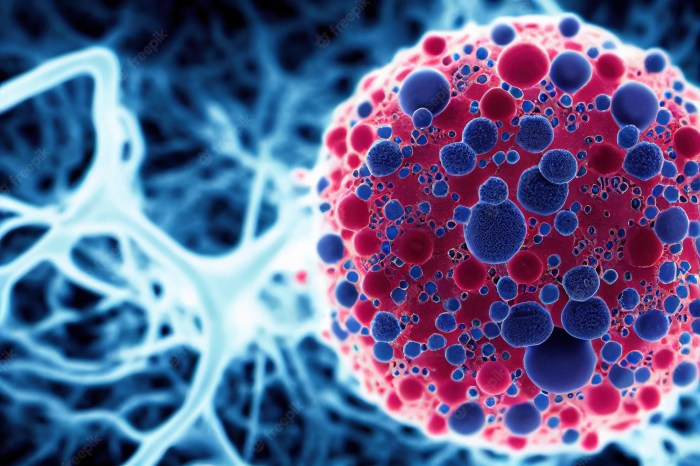
What are cancer cells? They’re essentially rogue cells, out of control and wreaking havoc on the body’s delicate balance. Unlike healthy cells that follow specific instructions for growth and division, cancer cells ignore these rules, multiplying rapidly and aggressively. This relentless growth disrupts normal bodily functions, potentially leading to severe health consequences. Understanding what drives these cells is crucial for developing effective treatments and preventive measures.
This exploration will delve into the fascinating world of cancer cells, examining their origins, behavior, and the factors influencing their development. We’ll cover the genetic mutations that trigger uncontrolled growth, the disrupted cellular processes that contribute to their spread, and the impact of environmental and lifestyle factors on cancer risk. This comprehensive look will shed light on the complexities of cancer and provide a better understanding of this formidable disease.
Defining Cancer Cells
Cancer, a complex and devastating disease, arises from the uncontrolled growth and spread of abnormal cells. Understanding the fundamental differences between normal and cancerous cells is crucial for developing effective treatments and preventative measures. This exploration delves into the characteristics of cancer cells, contrasting them with their normal counterparts, and examines the mechanisms governing their growth and division.
Cancer cells, essentially, are cells that grow and divide uncontrollably, disrupting the body’s normal functions. This uncontrolled growth can be impacted by various factors, including lifestyle choices like smoking. If you’re looking to quit smoking, creating a plan for nicotine withdrawal can be crucial, as outlined in this helpful resource on nicotine withdrawal making a plan to quit.
Understanding the factors that contribute to cancer cell development is important for overall health and well-being. Ultimately, a healthy lifestyle plays a key role in preventing these problematic cells from forming.
Defining Cancer Cells
Cancer cells are characterized by uncontrolled cell division, invasion of surrounding tissues, and the potential to spread to distant sites in the body. Unlike normal cells, which adhere to a tightly regulated system of growth and division, cancer cells ignore these controls, leading to uncontrolled proliferation. This unchecked growth is a hallmark of cancerous development.
Cancer cells are essentially cells that grow and divide uncontrollably, disrupting the body’s normal functions. Understanding the possible causes of a lung mass, like tumors or infections, is crucial for determining the next steps in treatment. For more detailed information on the various potential causes and what to expect, check out this helpful resource: lung mass possible causes and what to expect.
Ultimately, recognizing these abnormal cells is key to effective treatment and recovery.
Normal Cell Growth and Division
Normal cells adhere to a precise and controlled growth cycle. This cycle is meticulously regulated by a complex network of signaling pathways and checkpoints. These checkpoints ensure that cells only divide when necessary and that the genetic material is correctly replicated. The process is tightly regulated to prevent errors and maintain cellular homeostasis.
Disruption of Cellular Regulation in Cancer
Cancer cells exhibit significant disruptions in the mechanisms governing cell growth and division. Mutations in genes that control cell growth, differentiation, and programmed cell death (apoptosis) are frequently observed in cancer cells. These mutations allow cancer cells to bypass normal growth controls, leading to uncontrolled proliferation. For instance, mutations in tumor suppressor genes can lead to a loss of the ability to halt cell division, while mutations in proto-oncogenes can result in an increase in cell division signals.
Types of Cancer Cells, What are cancer cells
Cancer cells exhibit diverse characteristics depending on the specific tissue of origin and the underlying genetic alterations. Carcinomas, arising from epithelial cells, are the most common type of cancer. Sarcomas originate from connective tissues, while leukemias and lymphomas affect blood cells. Each type of cancer cell presents unique features, reflecting the specific cellular origin and the nature of the genetic alterations driving their uncontrolled growth.
For example, breast cancer cells have specific characteristics compared to lung cancer cells, even though both are carcinomas.
Comparison of Normal and Cancer Cells
| Cell Type | Growth Rate | Function | Characteristics |
|---|---|---|---|
| Normal Cell | Controlled and regulated | Specific and essential function | Adheres to tissue structure, programmed cell death, and sensitivity to growth signals |
| Cancer Cell | Uncontrolled and rapid | Loss of function or abnormal function | Loss of contact inhibition, evasion of apoptosis, angiogenesis, metastasis, and genetic instability |
Genetic Basis of Cancer
The development of cancer is deeply rooted in the genetic makeup of a cell. Understanding the genetic alterations that occur is crucial to comprehending the mechanisms driving uncontrolled cell growth and the progression of this devastating disease. These changes, often stemming from DNA mutations, can disrupt the delicate balance of cellular processes, ultimately leading to the formation of cancerous tumors.Genetic instability, a hallmark of cancer, arises from various sources, including environmental factors and intrinsic cellular processes.
This instability, frequently characterized by accumulating DNA mutations, progressively disrupts normal cellular functions, leading to the uncontrolled proliferation of cancer cells. The accumulation of these mutations is a gradual process, often spanning many years. This underscores the importance of early detection and preventative measures in mitigating cancer risk.
DNA Mutations and Cancer Development
DNA mutations are permanent alterations in the DNA sequence. These alterations can affect a single nucleotide, a small segment of DNA, or even large portions of a chromosome. When these mutations occur in genes that regulate cell growth and division, they can disrupt the normal control mechanisms, leading to uncontrolled cell growth and the formation of tumors. Mutations can occur spontaneously or be induced by environmental factors such as radiation or certain chemicals.
Genetic Alterations Leading to Uncontrolled Cell Growth
Genetic alterations can lead to uncontrolled cell growth through various mechanisms. Mutations in genes that normally regulate cell division can result in a loss of control over the cell cycle, allowing cells to divide and multiply excessively. Mutations can also lead to the production of proteins that promote cell growth and survival, bypassing normal regulatory pathways. Furthermore, mutations in genes involved in DNA repair can result in an accumulation of further mutations, leading to a cascade of genetic changes that fuel tumor development.
Types of Genetic Mutations Contributing to Cancer
Several types of genetic mutations can contribute to cancer development. These include point mutations, insertions, deletions, and chromosomal rearrangements. Point mutations involve changes in a single nucleotide base pair. Insertions and deletions involve the addition or removal of nucleotide bases, respectively, leading to frameshift mutations. Chromosomal rearrangements, such as translocations, inversions, and duplications, can alter the structure and function of chromosomes, resulting in the production of abnormal proteins.
Genes Commonly Affected in Cancer Cells
Cancer development often involves mutations in specific genes, which can be broadly categorized into oncogenes and tumor suppressor genes. Oncogenes normally promote cell growth, while tumor suppressor genes inhibit cell growth. Mutations in oncogenes can lead to their overactivation, while mutations in tumor suppressor genes can lead to their inactivation, thereby contributing to uncontrolled cell growth.
Common Oncogenes and Tumor Suppressor Genes
| Gene Name | Function | Mutation Type | Impact on Cell Growth |
|---|---|---|---|
| KRAS | Signal transduction | Point mutation | Increased cell growth and proliferation |
| MYC | Transcription factor | Amplification | Increased cell growth and proliferation |
| P53 | Tumor suppressor | Loss-of-function mutation | Loss of growth control, increased genomic instability |
| RB | Tumor suppressor | Loss-of-function mutation | Loss of growth control, increased genomic instability |
DNA Repair Processes and Cancer Development
Cells possess intricate DNA repair mechanisms to fix errors that occur during DNA replication or due to environmental factors. These mechanisms ensure the integrity of the genome and prevent the accumulation of mutations. Errors in these DNA repair processes can lead to an increased rate of mutations, ultimately contributing to cancer development. Defects in DNA repair pathways can allow mutations to accumulate unchecked, promoting uncontrolled cell growth.
Examples include defects in mismatch repair, nucleotide excision repair, and homologous recombination.
Cellular Processes in Cancer
Cancer is a complex disease characterized not by a single malfunction, but by a cascade of disruptions in fundamental cellular processes. These alterations allow cells to grow, divide, and spread uncontrollably, ultimately leading to the formation of tumors and potentially life-threatening conditions. Understanding these disruptions is crucial for developing effective therapies.The fundamental processes of normal cell function are hijacked in cancer.
This includes abnormal regulation of cell division, evasion of programmed cell death, and the development of new blood vessel networks to sustain growth. The mechanisms behind these alterations are diverse and intricate, yet identifying these disruptions provides avenues for targeting cancer at its core.
Disrupted Cellular Processes in Cancer Cells
Cancer cells exhibit a wide range of dysfunctions compared to healthy cells. These deviations are often linked to genetic mutations, but also involve epigenetic changes, environmental factors, and other influences. Crucially, these alterations result in uncontrolled cell growth and survival, ultimately leading to tumor formation.
Evasion of Apoptosis
Apoptosis, or programmed cell death, is a natural process that eliminates damaged or unwanted cells. Cancer cells frequently evade this process, allowing them to survive and proliferate even when they have accumulated mutations. This evasion is often due to mutations in genes that regulate the apoptotic pathway, or through the dysregulation of signaling pathways that trigger apoptosis.
Induction of Angiogenesis
Angiogenesis, the formation of new blood vessels, is essential for providing oxygen and nutrients to growing tissues. Cancer cells, as they grow, require a constant supply of nutrients to support their rapid proliferation. To achieve this, cancer cells stimulate the formation of new blood vessels to supply the tumor with the resources it needs to grow and spread.
This process is often mediated by the release of growth factors and other signaling molecules. For example, in certain cancers, the VEGF (vascular endothelial growth factor) is often overexpressed, leading to an excessive growth of new blood vessels to support tumor development.
Mechanisms of Metastasis
Metastasis, the spread of cancer cells to distant sites, is a critical aspect of cancer progression. Cancer cells must overcome several barriers to metastasize, including detaching from the primary tumor, invading surrounding tissues, entering the bloodstream or lymphatic system, and establishing new colonies in distant organs. This process involves a complex interplay of genetic and cellular mechanisms.
Table Summarizing Key Cellular Processes Altered in Cancer Cells
| Process | Normal Function | Cancer Cell Alteration | Impact on Cancer Development |
|---|---|---|---|
| Cell Growth and Division | Controlled and regulated | Uncontrolled proliferation, loss of cell cycle checkpoints | Rapid tumor growth |
| Apoptosis | Removes damaged cells | Evasion of apoptosis signals, mutations in apoptotic genes | Sustained survival of cancer cells |
| Angiogenesis | Provides nutrients to tissues | Stimulation of blood vessel formation, overexpression of growth factors | Tumor growth and spread |
| Metastasis | No spontaneous spread of cells | Detachment, invasion, entry into bloodstream, colonization | Spread of cancer to distant sites |
Environmental and Lifestyle Factors
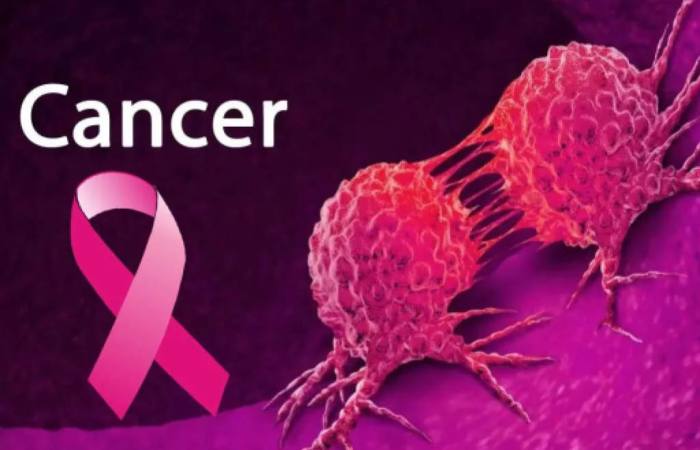
Environmental factors and lifestyle choices play a significant role in cancer development. While genetics undoubtedly contribute, external influences can significantly increase or decrease an individual’s risk. Understanding these factors is crucial for implementing preventative measures and promoting overall health. Exposure to certain substances and adopting unhealthy habits can damage DNA, disrupt cellular processes, and create an environment conducive to uncontrolled cell growth, ultimately leading to cancer.
Impact of Environmental Factors
Environmental factors encompass a wide range of exposures, from pollution and radiation to dietary components. Exposure to carcinogens, substances known to cause cancer, can directly damage DNA, initiating mutations that lead to uncontrolled cell growth. For example, prolonged exposure to asbestos fibers, a known carcinogen, has been linked to mesothelioma, a rare but aggressive cancer of the lining of the lungs, abdomen, or heart.
Lifestyle Choices and Cancer Risk
Lifestyle choices significantly influence cancer risk. Dietary habits, physical activity levels, and smoking habits all contribute to the overall risk profile. A diet low in fruits and vegetables, high in processed foods, and lacking in fiber can increase the risk of various cancers. Likewise, a sedentary lifestyle can contribute to weight gain, a known risk factor for several types of cancer.
Smoking, one of the most significant lifestyle choices linked to cancer, damages DNA and increases inflammation, creating a pro-cancerous environment.
Specific Examples of Environmental Exposures and Lifestyle Factors
Numerous environmental exposures and lifestyle factors have been linked to specific cancers. Ultraviolet radiation from sunlight is a major risk factor for skin cancer. Exposure to radon gas, a naturally occurring radioactive gas, is associated with lung cancer. Chemical exposures in the workplace, such as benzene or certain pesticides, can also increase cancer risk. Alcohol consumption has been linked to various cancers, including those of the liver, breast, and throat.
Lack of physical activity can contribute to weight gain, which in turn is linked to cancers of the breast, colon, and endometrial.
Preventative Measures
Implementing preventative measures can significantly reduce cancer risk. Avoiding exposure to known carcinogens, maintaining a healthy diet rich in fruits and vegetables, engaging in regular physical activity, and avoiding smoking are crucial steps. Regular health screenings and early detection can also play a vital role in improving outcomes.
Ever wondered what exactly makes a cancer cell tick? It’s all about uncontrolled growth, of course, but did you know that some of the same cellular processes involved in that uncontrolled growth might also play a role in other fascinating biological phenomena? For example, the complex interplay of signals and responses that drive motion sickness – something I’ve always been curious about – is remarkably similar in some ways to the processes that lead to cancerous mutations.
Exploring this connection could lead to some exciting discoveries. Learn more about the intriguing world of motion sickness and its underlying mechanisms by reading this insightful article: seven things you dont know about motion sickness. Ultimately, understanding cancer cells means delving into the fundamental mechanisms of cellular communication and growth.
Table of Environmental Factors and Lifestyle Choices
| Factor | Type | Mechanism | Risk Level |
|---|---|---|---|
| Smoking | Lifestyle | Damages DNA, increases inflammation, impairs immune function. | High |
| UV Radiation | Environmental | Direct DNA damage, leading to mutations in skin cells. | High |
| Processed Foods | Lifestyle | High in preservatives and additives, potentially promoting inflammation. | Moderate |
| Alcohol Consumption | Lifestyle | Can damage liver cells and increase estrogen levels, potentially increasing risk. | Moderate to High |
| Obesity | Lifestyle | Associated with chronic inflammation and hormonal imbalances, potentially increasing risk. | Moderate to High |
| Radon Exposure | Environmental | Naturally occurring radioactive gas, damaging DNA. | High |
| Air Pollution | Environmental | Exposure to various carcinogens and particulate matter. | Moderate |
Cancer Cell Morphology and Structure: What Are Cancer Cells
Cancer, a complex and devastating disease, involves not just the malfunctioning of individual cells, but also significant changes in their physical characteristics. Understanding these morphological and structural differences between normal and cancerous cells is crucial for diagnosis and treatment. These changes often manifest as noticeable alterations in size, shape, and organization, providing clues to the underlying genetic and cellular processes driving the disease.
Morphological Differences Between Normal and Cancer Cells
Normal cells exhibit a well-defined shape, size, and arrangement, maintaining a balance of growth and differentiation. Cancer cells, conversely, demonstrate a remarkable departure from these characteristics, reflecting the uncontrolled proliferation and loss of differentiation typical of cancer. These deviations in morphology are often visible under a microscope, allowing clinicians to identify potential cancerous tissues.
Structural Changes in Cancer Cells
Cancer cells undergo profound structural transformations that affect virtually every aspect of their cellular organization. Changes in cell shape, size, and the arrangement of internal components are frequently observed. These changes are often a direct result of genetic mutations that alter cellular functions.
Microscopic Images of Normal and Cancer Cells
Imagine a microscopic view of normal cells. They typically appear as uniform, closely packed cells with well-defined nuclei and a clear cytoplasm. The cytoplasm is often filled with visible organelles, showcasing a healthy cellular machinery. In contrast, cancer cells exhibit a more irregular appearance. The nuclei may be larger, irregularly shaped, and densely packed with chromatin.
The cytoplasm might be less defined and have abnormal distribution of organelles. The cell shape can be more irregular and often more detached from surrounding cells.
Comparison of Normal and Cancer Cells
| Feature | Normal Cell | Cancer Cell | Key Differences |
|---|---|---|---|
| Cell Shape | Regular, uniform | Irregular, variable | Cancer cells lose the characteristic shape of normal cells, becoming misshapen. |
| Cell Size | Consistent size | Variable size, often larger | Cancer cells can exhibit varying sizes, sometimes significantly larger than normal cells. |
| Nucleus | Normal size, round, single | Enlarged, irregular shape, sometimes multiple nuclei | The nucleus of cancer cells often displays abnormal size, shape, and number. |
| Cytoplasm | Well-defined, abundant organelles | Variable, sometimes reduced or disorganized | Cancer cells may show a reduced amount or disorganized distribution of cellular organelles. |
| Cell-Cell Adhesion | Strong adhesion to neighboring cells | Reduced or absent adhesion | Cancer cells have reduced or lost their ability to adhere to neighboring cells, enabling them to invade surrounding tissues. |
Visual Representations of Cellular Components in Cancer Cells
The nucleus, the control center of the cell, is often enlarged and irregularly shaped in cancer cells. This is a common hallmark of uncontrolled cell growth and division. Chromatin, the genetic material within the nucleus, may also appear clumped or condensed.
The cytoplasm, the region surrounding the nucleus, plays a vital role in cellular functions. In cancer cells, the distribution of cellular organelles might be abnormal, with some organelles potentially diminished or absent. This reflects the disruption of cellular processes, leading to a less efficient and well-organized cytoplasm. The cell membrane, the outer boundary of the cell, can also exhibit changes in cancer cells.
The loss of contact inhibition in cancer cells contributes to their uncontrolled growth.
Final Conclusion
In conclusion, what are cancer cells? They are a complex result of genetic mutations, disrupted cellular processes, and external factors. Their uncontrolled growth and spread cause significant harm, impacting various bodily functions. Understanding the intricate mechanisms behind cancer cell development, however, is critical for advancing research and improving treatment options. This exploration offers a starting point for comprehending the challenges and complexities of this significant health concern.